Agnosia: Causes, Types, Diagnosis & Treatment
Understanding agnosia: a rare neurological disorder affecting sensory recognition.
What Is Agnosia?
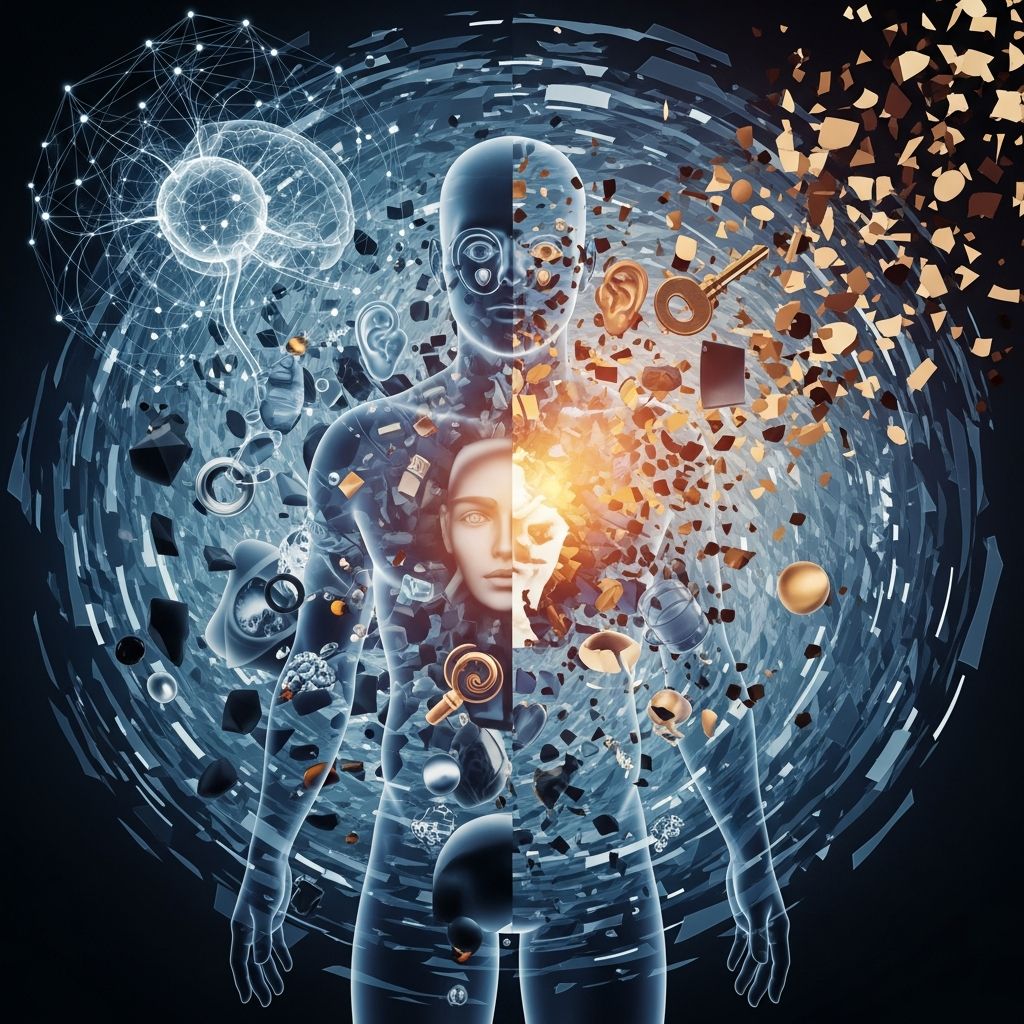
Agnosia is a rare neurological disorder characterized by the inability to recognize and identify objects, people, sounds, or other sensory stimuli, despite having intact sensory organs and normal sensory function. The condition results from damage to specific areas of the brain responsible for processing sensory information. Agnosia is not due to memory loss, vision or hearing impairment, or lack of familiarity with the stimuli, but rather a disruption in the brain’s ability to interpret sensory input.
Types of Agnosia
Agnosia can affect any of the five senses, but it most commonly impacts vision, hearing, and touch. The main types of agnosia include:
- Visual Agnosia: Inability to recognize objects or faces despite normal vision.
- Auditory Agnosia: Inability to recognize sounds or voices, even though hearing is intact.
- Tactile Agnosia: Inability to identify objects by touch, despite normal sensation.
- Prosopagnosia: A subtype of visual agnosia where individuals cannot recognize familiar faces.
- Simultanagnosia: Inability to perceive more than one object at a time in a visual scene.
- Color Agnosia: Inability to recognize or name colors, despite normal color vision.
Causes of Agnosia
Agnosia is typically caused by damage to the brain, often resulting from:
- Stroke
- Brain injury or trauma
- Brain tumors
- Infections (such as encephalitis)
- Neurodegenerative diseases (such as Alzheimer’s disease)
- Seizures or epilepsy
- Exposure to toxins
The specific area of the brain affected determines the type of agnosia. For example, damage to the occipital or temporal lobes often leads to visual agnosia, while damage to the parietal lobe may result in tactile agnosia.
Symptoms of Agnosia
Symptoms of agnosia vary depending on the type and severity of the condition. Common symptoms include:
- Inability to recognize familiar objects, people, or sounds
- Difficulty identifying objects by sight, touch, or sound
- Confusion or frustration when trying to identify everyday items
- Normal sensory function (vision, hearing, touch) but impaired recognition
- Preserved memory and cognitive abilities
For example, a person with visual agnosia may be able to see a fork and a knife clearly but cannot distinguish between them. Someone with auditory agnosia may hear a dog barking but cannot identify the sound as a dog.
Diagnosis of Agnosia
Diagnosing agnosia involves a combination of clinical evaluation, neuropsychological testing, and brain imaging. The process typically includes:
- Physical Examination: Assessment of sensory function and neurological status.
- Neuropsychological Testing: Tests to evaluate recognition abilities, such as identifying objects by sight, touch, or sound.
- Brain Imaging: MRI or CT scans to identify brain lesions or structural abnormalities.
- Differential Diagnosis: Ruling out other conditions such as dementia, aphasia, or sensory impairments.
Neuropsychological tests may include:
- Visual distinction between real and unreal objects
- Facial recognition tasks
- Verbal and nonverbal sound recognition
- Odor recognition
- Tactile form recognition
Treatment and Management
There is no specific cure for agnosia, but treatment focuses on managing symptoms and helping individuals adapt to their condition. Key approaches include:
Related Stories



- Speech Therapy: Helps improve communication skills and compensate for recognition deficits.
- Occupational Therapy: Teaches strategies to perform daily activities and use intact senses to compensate.
- Rehabilitation Programs: Individualized plans to help patients function independently.
- Counseling: Supports emotional well-being and helps manage anxiety or frustration.
- Compensatory Strategies: Organizing routines, reducing clutter, and using other senses to identify objects.
For example, a person with visual agnosia may learn to identify objects by touch or sound, or use color-coding to distinguish items. Therapy and rehabilitation can significantly improve quality of life, even if the underlying condition does not fully resolve.
Complications and Prognosis
The prognosis for agnosia depends on the cause and extent of brain damage. In some cases, symptoms may improve over time, especially if the underlying cause is treatable (such as a brain tumor or infection). However, many cases of agnosia are permanent, particularly when caused by stroke or neurodegenerative disease.
Complications may include:
- Difficulty with daily activities
- Social isolation or embarrassment
- Anxiety or depression
- Reduced independence
Early diagnosis and intervention can help minimize complications and improve outcomes.
Living with Agnosia
Living with agnosia can be challenging, but there are strategies to help individuals adapt and maintain independence:
- Create routines and organize the environment to reduce confusion.
- Use assistive devices or technology to aid recognition.
- Seek support from family, friends, and healthcare providers.
- Participate in therapy and rehabilitation programs.
- Join support groups for people with similar conditions.
Emotional support and counseling are also important for managing the psychological impact of agnosia.
Frequently Asked Questions (FAQs)
Q: Can agnosia be cured?
A: There is no specific cure for agnosia, but some underlying causes (such as brain tumors or infections) may be treatable. Therapy and rehabilitation can help individuals adapt and improve their quality of life.
Q: Is agnosia a form of dementia?
A: No, agnosia is not dementia. Dementia involves memory loss and cognitive decline, while agnosia specifically affects the ability to recognize sensory input.
Q: Can children develop agnosia?
A: Yes, agnosia can occur in children, usually as a result of brain injury or developmental disorders.
Q: How is agnosia different from blindness or deafness?
A: Agnosia is not a sensory impairment. People with agnosia have normal vision, hearing, or touch but cannot recognize or interpret sensory input.
Q: What should I do if I suspect someone has agnosia?
A: Seek medical evaluation from a neurologist or healthcare provider. Early diagnosis and intervention can improve outcomes.
References
- Agnosia — Britannica. 2023. https://www.britannica.com/science/agnosia
- Agnosia: What Causes It and How It’s Treated — WebMD. 2023. https://www.webmd.com/brain/what-is-agnosia
- Agnosia — StatPearls, NCBI Bookshelf. 2023. https://www.ncbi.nlm.nih.gov/sites/books/n/statpearls/article-17291/
- Agnosia — Merck Manual Professional Edition. 2023. https://www.merckmanuals.com/professional/neurologic-disorders/function-and-dysfunction-of-the-cerebral-lobes/agnosia
- Visual Agnosia: What It Is, Causes & Treatment — Cleveland Clinic. 2023. https://my.clevelandclinic.org/health/diseases/23421-visual-agnosia
- Agnosia: What It Is, Causes & Types — Cleveland Clinic. 2023. https://my.clevelandclinic.org/health/diseases/24463-agnosia
Similar Articles








Read full bio of medha deb