Agranulocytosis: Causes, Symptoms & Treatment
Understanding agranulocytosis: a rare but serious blood disorder affecting white blood cell levels.
What Is Agranulocytosis?
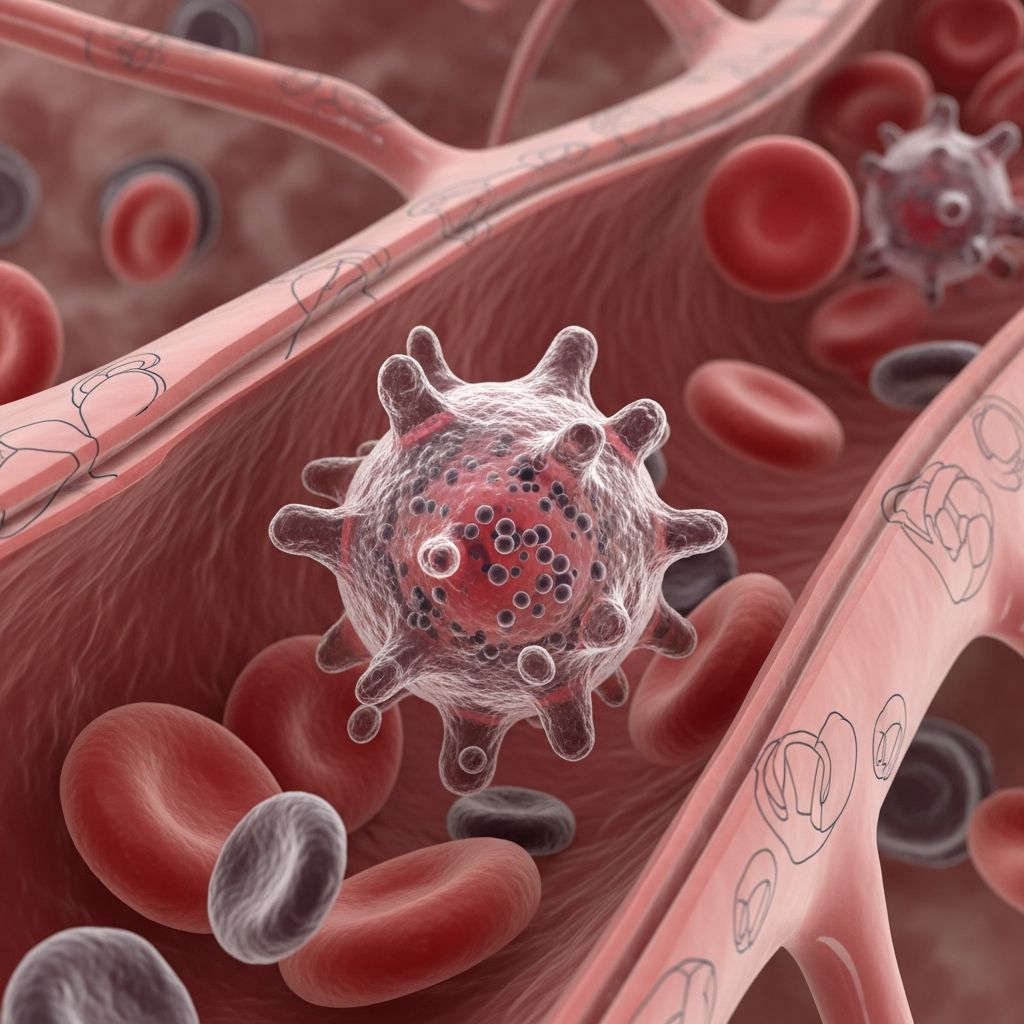
Agranulocytosis is a rare but serious medical condition characterized by a severe reduction in the number of neutrophils, a type of white blood cell essential for fighting infections. Neutrophils are the body’s first line of defense against bacteria and fungi, and when their levels drop below 100 per microliter of blood, the risk of life-threatening infections increases dramatically. Without prompt treatment, agranulocytosis can lead to sepsis and even death.
Causes of Agranulocytosis
Agranulocytosis can be caused by a variety of factors, including:
- Medications: Certain drugs, such as antipsychotics, antithyroid medications, and some antibiotics, are known to trigger agranulocytosis. The risk is highest during the first few weeks of starting a new medication.
- Autoimmune Disorders: Conditions like lupus or rheumatoid arthritis can cause the immune system to attack neutrophils.
- Chemical Exposure: Exposure to certain chemicals, such as benzene, can damage bone marrow and reduce neutrophil production.
- Infections: Severe viral or bacterial infections can temporarily suppress neutrophil production.
- Genetic Factors: Some inherited conditions, such as severe congenital neutropenia, can lead to agranulocytosis from birth.
- Other Causes: Radiation therapy, chemotherapy, and certain cancers can also contribute to the development of agranulocytosis.
Symptoms of Agranulocytosis
The symptoms of agranulocytosis are often related to the increased risk of infection. Common symptoms include:
- Fever and chills
- Fatigue and weakness
- Sore throat and mouth ulcers
- Swollen lymph nodes
- Low blood pressure
- Difficulty breathing
- Generalized body aches
In severe cases, patients may develop sepsis, a life-threatening condition where the body’s response to infection causes widespread inflammation and organ failure.
Diagnosis of Agranulocytosis
Diagnosing agranulocytosis involves a combination of medical history, physical examination, and laboratory tests. The key steps in diagnosis include:
- Medical History: The healthcare provider will ask about recent medications, infections, chemical exposures, and family history of blood disorders.
- Physical Examination: The provider will look for signs of infection, such as fever, swollen lymph nodes, and mouth ulcers.
- Blood Tests: A complete blood count (CBC) with differential is used to measure the absolute neutrophil count (ANC). An ANC below 100 per microliter of blood confirms agranulocytosis.
- Bone Marrow Biopsy: In some cases, a bone marrow biopsy may be performed to assess how the bone marrow is producing neutrophils.
- Genetic Testing: If an inherited form of agranulocytosis is suspected, genetic testing may be recommended.
- Other Tests: Additional tests, such as urine analysis, liver function tests, and tests for autoimmune disorders, may be performed to identify the underlying cause.
Treatment of Agranulocytosis
The treatment of agranulocytosis depends on the underlying cause and the severity of the condition. Key treatment strategies include:
- Discontinuation of Offending Agents: If a medication or chemical is identified as the cause, it should be stopped immediately.
- Antibiotics: Broad-spectrum antibiotics are often prescribed to prevent or treat infections.
- Granulocyte Colony-Stimulating Factor (G-CSF): This medication can stimulate the bone marrow to produce more neutrophils.
- Supportive Care: Measures such as oral hygiene, pain management, and skin care are important to prevent complications.
- Transfusion: In severe cases, white blood cell transfusions may be necessary.
- Treatment of Underlying Conditions: If agranulocytosis is caused by an autoimmune disorder or cancer, specific treatments for those conditions may be required.
Related Stories



Complications of Agranulocytosis
Untreated agranulocytosis can lead to severe complications, including:
- Life-threatening infections
- Sepsis
- Organ failure
- Death
The risk of complications is higher in older adults and those with other health conditions, such as heart, kidney, or lung disease.
Prevention and Patient Education
Preventing agranulocytosis involves:
- Medication Awareness: Patients should be informed about the potential side effects of medications that can cause agranulocytosis.
- Regular Monitoring: Frequent CBC testing is recommended for patients starting new medications or those at high risk.
- Infection Control: Patients should avoid contact with people who have infections, avoid crowded places, and practice good hygiene.
- Education: Patients should be educated about the signs and symptoms of agranulocytosis and the importance of seeking medical attention promptly.
Prognosis and Outlook
The outlook for agranulocytosis varies depending on the underlying cause and the promptness of treatment. With appropriate medical intervention, most patients can recover fully. However, the risk of complications is higher in older adults and those with other health conditions.
Frequently Asked Questions (FAQs)
Q: What is the difference between agranulocytosis and neutropenia?
A: Neutropenia is a general term for low neutrophil levels, while agranulocytosis specifically refers to a severe reduction in neutrophils, typically below 100 per microliter of blood.
Q: Can agranulocytosis be cured?
A: In many cases, agranulocytosis can be reversed by stopping the offending agent and treating any underlying conditions. However, some forms, such as inherited agranulocytosis, may require ongoing management.
Q: How is agranulocytosis diagnosed?
A: Diagnosis involves a medical history, physical examination, blood tests (CBC with differential), and sometimes a bone marrow biopsy or genetic testing.
Q: What are the risk factors for agranulocytosis?
A: Risk factors include certain medications, autoimmune disorders, chemical exposure, infections, and genetic predisposition.
Q: Can agranulocytosis be prevented?
A: While not all cases can be prevented, awareness of risk factors, regular monitoring, and prompt treatment of infections can help reduce the risk.
References
- Agranulocytosis — StatPearls, NCBI Bookshelf. 2023. https://www.ncbi.nlm.nih.gov/books/NBK559275/
- Agranulocytosis: Symptoms, Causes & Treatment — Cleveland Clinic. 2023. https://my.clevelandclinic.org/health/diseases/15262-agranulocytosis
- Infantile Agranulocytosis — EBSCO Research Starters. 2023. https://www.ebsco.com/research-starters/consumer-health/infantile-agranulocytosis
Similar Articles








Read full bio of Sneha Tete