Air Purifiers and Skin Health: Managing Eczema Symptoms
Discover how air purification technology can reduce eczema triggers and improve your skin condition
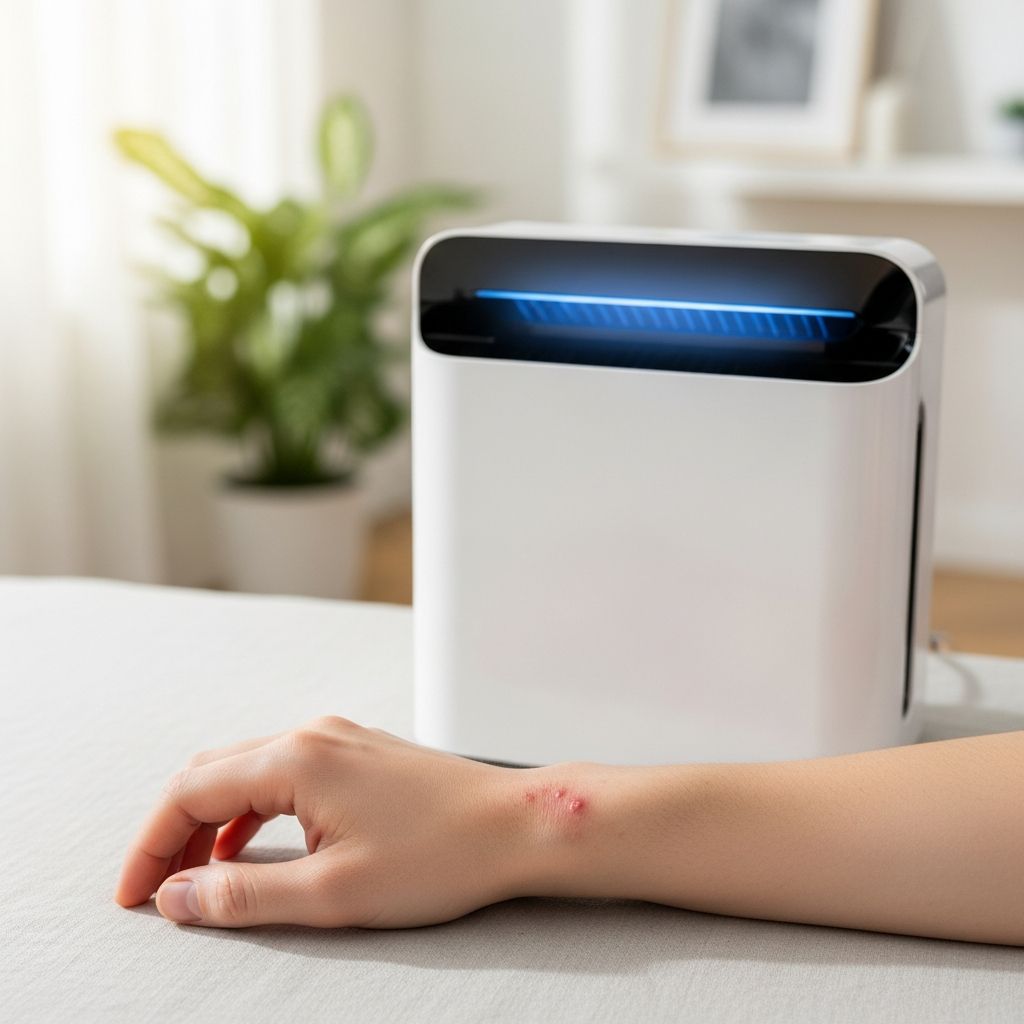
Understanding the Connection Between Air Quality and Skin Conditions
The relationship between environmental air quality and eczema severity has become increasingly clear through scientific research. Individuals with atopic dermatitis often experience symptom fluctuations that correlate directly with their surrounding air conditions. The indoor environment, where most people spend significant time, can be a critical factor in managing chronic skin conditions. Recent studies demonstrate that indoor air pollution can be as much as five times more severe than outdoor air pollution, making home and workplace air quality essential considerations for eczema management.
Environmental factors play a substantial role in triggering eczema flare-ups through immune-mediated pathways. When airborne pollutants and allergens are present in high concentrations, they can initiate inflammatory cascades that compromise skin barrier function and disturb the skin microbiome balance necessary for healthy skin maintenance. Understanding this connection provides a scientific foundation for why managing indoor air quality represents an important component of comprehensive eczema care.
How Air Purification Reduces Common Eczema Triggers
Air purifiers function by drawing indoor air through filtration systems that capture and eliminate harmful particles and contaminants. The most effective units employ a multi-stage approach to address different types of airborne irritants that commonly trigger eczema symptoms. By removing these irritants from the breathing space, individuals with eczema experience fewer and less severe inflammatory episodes.
Common airborne triggers that air purifiers effectively eliminate include:
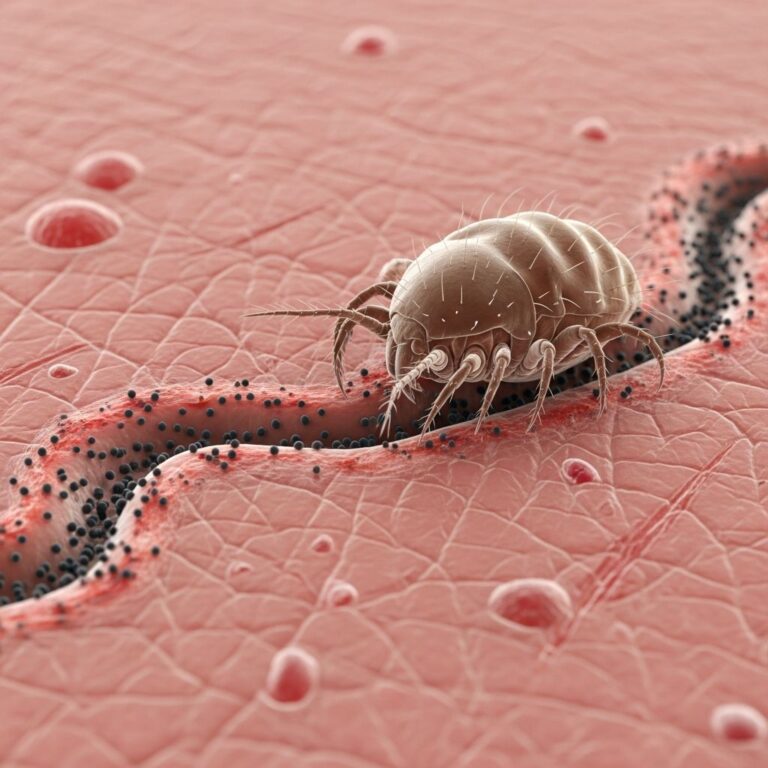
- Dust and dust mite debris
- Pet dander from household animals
- Pollen from outdoor sources
- Mould spores and fungal particles
- Fine particulate matter from various sources
- Volatile organic compounds and chemical off-gassing
When these trigger particles are removed from the indoor environment, the skin remains unexposed to irritants that would otherwise initiate inflammatory responses. This protective effect proves particularly valuable during high-allergen seasons when outdoor pollen counts surge and indoor air becomes contaminated with seasonal allergens. Maintaining clean indoor air during these periods can significantly reduce symptom severity and frequency.
HEPA Technology: The Gold Standard for Allergen Removal
High-efficiency particulate air (HEPA) filtration represents the most scientifically validated technology for removing airborne allergens and particles that trigger eczema symptoms. HEPA-certified filters are third-party tested to remove 99.97% of airborne particles as small as 0.01 microns, making them exceptionally effective at capturing the microscopic allergens that cause skin reactions.
The effectiveness of HEPA filters stems from their dense fibrous structure, which physically traps particles through multiple mechanisms. Unlike basic filtration methods, HEPA technology captures particles of all sizes, from larger dust particles down to ultrafine particulate matter that standard filters allow to pass through. This comprehensive particle removal directly translates to reduced eczema trigger exposure and improved skin condition management.
For eczema sufferers, HEPA filters specifically excel at capturing:
- Dust mite allergens and associated debris
- Animal hair and skin flakes
- Pollen grains and plant matter
- Mould spores and bacterial particles
- Fine particulate matter from combustion sources
However, HEPA filters do have limitations. They cannot remove gaseous pollutants or volatile organic compounds, which are chemical irritants that can further aggravate eczema symptoms. This limitation has led to the development of combination filtration systems that pair HEPA technology with additional filtration stages.
Related Stories



Activated Carbon Filtration: Addressing Chemical Irritants
While HEPA filters excel at removing particulate matter, activated carbon filters address a different category of air pollutants that can trigger eczema symptoms. Volatile organic compounds (VOCs) and chemical off-gassing from household products, furnishings, and cleaning supplies represent significant irritants that particle filtration cannot capture. Activated carbon filters absorb these gaseous compounds, chemical odours, and VOCs through a process that renders them harmless.
The combination of HEPA and activated carbon filtration creates a comprehensive approach to eczema trigger reduction. Homes with both particulate and chemical contamination benefit most from dual-stage filtration systems that address all major categories of eczema-aggravating airborne substances. This multi-layered protection proves especially important in homes where chemical sensitivity accompanies eczema symptoms.
Seasonal Variations in Eczema and Air Quality Management
Eczema symptoms typically worsen during specific seasons when environmental allergen concentrations peak. Spring and autumn present particular challenges, as outdoor pollen production reaches maximum levels during these periods. When windows open for ventilation, outdoor pollen invades indoor spaces, creating high-allergen environments that trigger more frequent and severe eczema flare-ups.
Air purifiers provide strategic environmental control during high-allergen seasons by maintaining clean indoor air regardless of outdoor conditions. Individuals can keep windows closed and rely on air purification to provide fresh, filtered air without the allergen burden that comes with natural ventilation during peak pollen seasons. This seasonal protection proves especially valuable for people with significant pollen sensitivity who experience notable symptom escalation during spring and fall months.
Year-round air purification maintains consistent trigger reduction, but the protective benefits become most apparent during seasons with elevated allergen counts. Establishing air purification systems before high-allergen seasons arrive allows for proactive trigger management rather than reactive symptom treatment.
Air Quality and Immune System Response in Eczema
Eczema functions as an immune-mediated condition where environmental factors directly influence immune system activation and skin barrier function. When airborne pollutants and allergens are present, they can trigger immune responses that manifest as skin inflammation, itching, and the characteristic symptoms of eczema flare-ups. Research examining the immune mechanisms reveals that pollutants enter the body through inhalation and can initiate inflammatory cascades affecting the skin even though the irritants never directly contact skin.
Chronic exposure to air pollution demonstrates cumulative effects on immune function and skin barrier integrity. Over time, repeated exposure to low-level pollution gradually compromises the body’s ability to maintain healthy skin barrier function, making individuals increasingly sensitive to environmental triggers. This progressive sensitization explains why some people experience worsening eczema symptoms despite unchanged skincare routines—the underlying factor involves degraded air quality and cumulative immune system burden.
By removing airborne pollutants before they enter the respiratory system, air purification prevents the immune-mediated inflammatory cascade that leads to eczema flare-ups. This preventive approach addresses eczema at its source rather than treating symptoms after they develop, making air quality management a foundational component of comprehensive eczema care.
Implementation Considerations for Eczema Management
Selecting an appropriate air purification system requires understanding individual eczema triggers and household air quality challenges. Not all eczema cases respond equally to air purification, as trigger profiles vary significantly between individuals. Some people with eczema respond primarily to allergen exposure, while others experience symptoms triggered by chemical sensitivities or humidity extremes that require different management approaches.
Several factors should guide air purifier selection:
- Presence of pets or other allergen sources in the home
- Geographic location and seasonal allergen patterns
- Sensitivity to chemical off-gassing from furnishings and products
- Household moisture levels and humidity management needs
- Room size and required air purification capacity
A critical consideration involves avoiding combination units that attempt to simultaneously purify and humidify air. While humidity control matters for eczema management, the moisture exposure in combination units can damage HEPA filter fibres, compromising filtration effectiveness or rendering the device completely non-functional. Maintaining separate humidity control systems alongside dedicated air purification provides better long-term performance and cost-effectiveness.
Filter maintenance significantly impacts air purifier effectiveness for eczema management. As filters accumulate captured particles, they gradually lose efficiency, reducing their ability to remove eczema-triggering allergens. Regular filter replacement according to manufacturer recommendations ensures continued protection and prevents the device from becoming a repository of captured allergens that could be released into the air.
Complementary Eczema Management Strategies
While air purification addresses environmental triggers, comprehensive eczema management requires a multi-faceted approach. Topical medications, appropriate skincare routines, humidity control, and temperature management all contribute to symptom reduction alongside air quality improvements. Air purifiers function most effectively as one component of a broader management strategy rather than as a standalone treatment.
Temperature regulation complements air purification by reducing environmental stress on already-compromised skin barriers. Maintaining consistent, moderate indoor temperatures prevents the temperature-related symptom flares that many eczema sufferers experience. Combined temperature control and air purification create an optimized indoor environment supporting both respiratory health and skin barrier function.
Skincare products often perform more effectively in clean air environments. When airborne particles and irritants are minimized, topical treatments can work without competing against environmental trigger exposure. This synergistic effect means that air purification enhances the effectiveness of existing skincare regimens, potentially allowing individuals to achieve symptom control with lower medication doses.
Evidence for Effectiveness Across Different Populations
Air purification benefits individuals across all age groups dealing with eczema-related symptoms. Children, elderly individuals, pregnant women, and immunocompromised populations represent particularly vulnerable groups where environmental protection proves especially valuable. Research demonstrates that at-risk populations show substantial symptom improvement when exposed to clean indoor air, making air purification especially important for households with members from these groups.
Pediatric eczema cases frequently respond well to air purification, as children’s developing immune systems show heightened sensitivity to environmental triggers. Parents managing childhood eczema often find that air purification reduces the frequency of disruptive flare-ups, improving quality of life for both children and caregivers. The long-term benefits of early environmental optimization may extend beyond immediate symptom management.
Research Findings on Air Pollution and Eczema
Scientific research increasingly demonstrates the direct relationship between air pollution exposure and eczema development and severity. Studies analyzing older adults reveal that individuals living in areas with high air pollution experience significantly elevated eczema risk, with certain types of pollution showing particularly strong associations with late-life eczema development. Black carbon particles from diesel vehicles, wood-burning stoves, and forest fires emerge as especially concerning pollutants in this research.
The research suggests that air pollutants may trigger skin inflammation through respiratory system pathways rather than direct skin contact. When inhaled, pollutants can initiate systemic inflammatory responses affecting multiple organ systems, including the skin. This mechanism explains why environmental air quality changes correlate with eczema symptom changes despite the skin never directly contacting the airborne particles.
Current evidence indicates that no safe threshold exists for air pollutant exposure in preventing eczema-related symptoms. Even low-level chronic exposure produces cumulative effects on skin health and immune function. This finding underscores the importance of active air quality management for anyone with eczema seeking to minimize environmental triggers.
Practical Recommendations for Air Quality Optimization
Creating optimal indoor air for eczema management involves multiple considerations beyond purchasing an air purifier. Placement of the purification device affects its effectiveness, with central locations providing more uniform room coverage than corner placements. Room-specific purifiers in bedrooms prove particularly valuable, as sleep environments represent extended periods of exposure to indoor air.
Reducing internal air pollution sources complements mechanical purification efforts. Minimizing chemical off-gassing through careful product selection, improving ventilation practices, and reducing dust accumulation through regular cleaning all contribute to lower trigger concentrations. When external air quality is poor, avoiding outdoor exposure during peak pollution times and using masks when necessary provides additional protection alongside home-based purification.
Maintaining appropriate humidity levels (ideally 30-50%) supports skin barrier function while preventing the moisture extremes that can trigger eczema symptoms. While dedicated air purifiers should not include humidifying functions, separate humidity control devices can achieve optimal moisture levels without compromising filtration effectiveness.
Frequently Asked Questions
Can air purifiers completely eliminate eczema symptoms?
Air purifiers reduce environmental triggers that aggravate eczema, potentially decreasing symptom frequency and severity. However, they function as one component of comprehensive management and cannot address non-environmental eczema factors. Complete symptom elimination typically requires integrated approaches combining environmental control with medical treatment and proper skincare.
How long does it take to notice improvements from air purification?
Some individuals notice reduced symptom frequency within days of starting air purification, while others may require weeks to observe measurable improvements. The timeline depends on individual trigger sensitivity, baseline air quality, and overall eczema severity. Consistent use over several weeks provides a reasonable period to assess effectiveness for your particular situation.
Are expensive air purifiers more effective than budget options?
Effectiveness depends primarily on filter type and quality rather than price. An affordable air purifier with genuine HEPA and activated carbon filters will outperform an expensive device with inferior filtration technology. Focus on verifying that filters meet legitimate HEPA certification standards rather than assuming higher cost indicates better performance.
Can air purifiers reduce the need for eczema medications?
By reducing trigger exposure and symptom frequency, air purification may enable individuals to achieve symptom control with lower medication doses. This potential reduction should never prompt unilateral medication changes; rather, improved environmental conditions may allow healthcare providers to adjust treatment plans downward if appropriate.
How often should air purifier filters be replaced?
Filter replacement frequency depends on air quality, device usage, and manufacturer specifications. Most HEPA filters require replacement every 6-12 months, while activated carbon filters may need replacement more frequently. More frequent replacement becomes necessary in high-pollution environments or homes with significant pet populations.
References
- Air Purification Strategies for Treatment of Respiratory Infections — National Center for Biotechnology Information / PubMed Central. 2020. https://pmc.ncbi.nlm.nih.gov/articles/PMC7265772/
- Buying an Air Purifier for Eczema — EOLeaf. https://eoleaf.com/pages/buying-an-air-purifier-for-eczema
- Cleaner Air Could Prevent Thousands of Late-Life Eczema Cases — UK Biobank Research Stories. 2023. https://www.ukbiobank.ac.uk/research-stories/cleaner-air-could-prevent-thousands-of-late-life-eczema-cases/
- Air Pollution Worsens Adult Eczema: New Research — Air Oasis. 2024. https://www.airoasis.com/blogs/articles/air-pollution-worsens-adult-eczema-new-research
- The Use of Air Purifiers for Skin Issues — TSW Assist. https://tswassist.com/air-purifiers-for-topical-steroid-withdrawal/
- Do Air Purifiers Help with Skin Health, Particularly for Eczema — Dr. Oracle. https://www.droracle.ai/articles/278091/do-air-purifiers-help-with-skin-health-particularly-for
Similar Articles








Read full bio of Sneha Tete