Air Under Eyelid: 4 Home Remedies And When To See A Doctor
Discover effective ways to manage trapped air under the eyelid, from home remedies to when professional care is essential for relief.
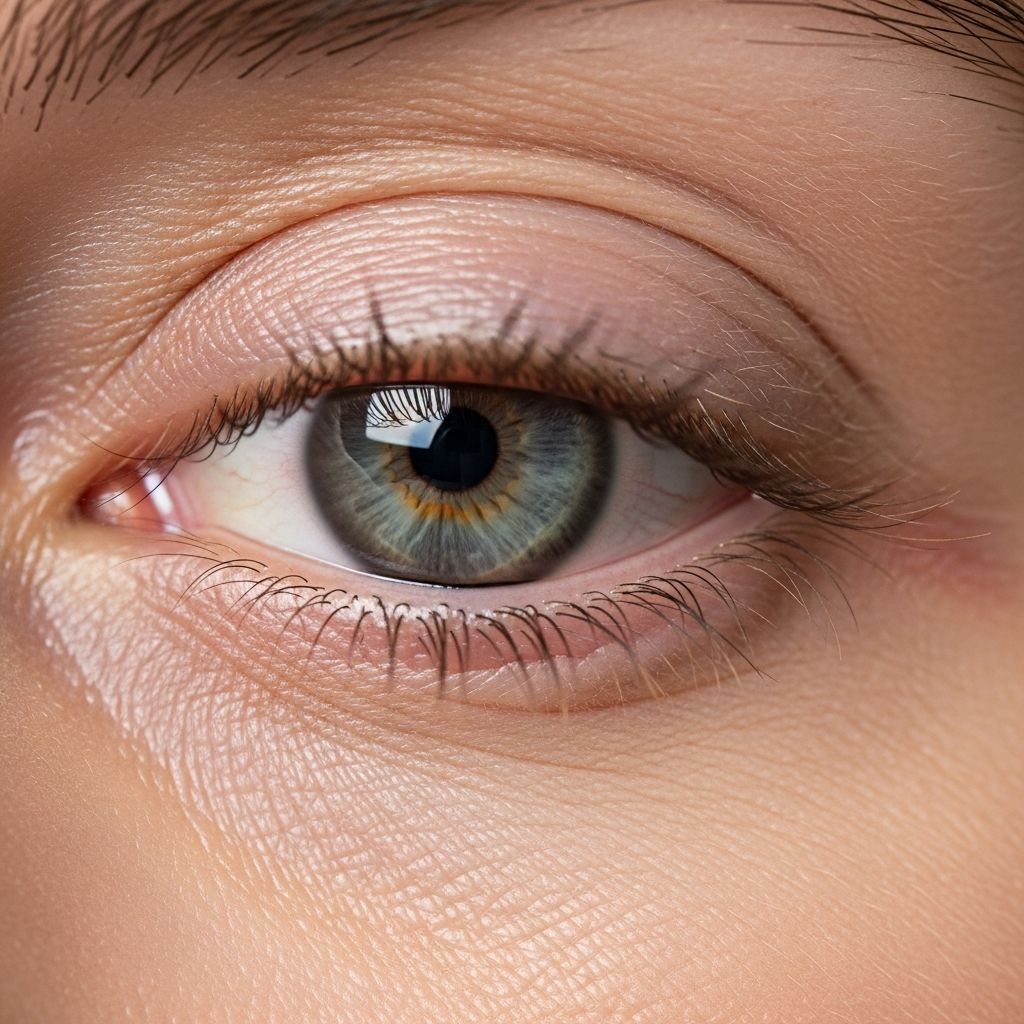
Trapped air under the eyelid often stems from a minor rupture in the tiny blood vessels covering the eye’s white surface, creating a visible pocket that alarms many people. This condition, frequently mistaken for other issues, typically resolves naturally within weeks through simple supportive measures without invasive interventions.
Recognizing Trapped Air in the Eye
The sensation or appearance of air under the eyelid usually involves a bright red patch on the sclera, the eye’s white part, due to blood spreading beneath the transparent conjunctiva membrane. Unlike deeper injuries, this superficial event rarely causes pain, blurred vision, or light sensitivity, distinguishing it from serious disorders.
Patients describe it as a sudden bright spot, sometimes following strain or minor impact. The blood gradually changes color—from vivid red to yellow-green, akin to a skin bruise—before fading completely.
- Bright red discoloration on eye white
- No discomfort or vision impairment in most instances
- Patch size varies from pinpoint to covering half the sclera
- Color shifts over 7-21 days as body reabsorbs blood
Common Triggers Behind the Condition
Several everyday factors can burst these fragile vessels. Vigorous coughing, sneezing, or vomiting spikes eye pressure abruptly, leading to vessel failure. High-impact activities like weightlifting or straining during bowel movements produce similar effects.
Eye rubbing, particularly if forceful, directly damages surface capillaries. Medications such as blood thinners (e.g., aspirin, warfarin) impair clotting, heightening risk. Rare cases link to clotting disorders or hypertension weakening vessel walls.
| Trigger Category | Examples | Risk Level |
|---|---|---|
| Physical Strain | Coughing, lifting, vomiting | High |
| Mechanical | Rubbing eyes, minor trauma | Moderate |
| Medical | Blood thinners, hypertension | Variable |
| Spontaneous | No clear cause | Common |
In many situations, no obvious trigger exists, making it a benign occurrence.
Home-Based Management Strategies
Most instances require no medical action; the body clears the blood naturally in 1-3 weeks. Supportive steps enhance comfort and speed resolution.
Cold compresses in the first 24-48 hours constrict vessels, minimizing spread and easing any mild swelling. Apply a clean cloth-wrapped ice pack for 10-15 minutes, several times daily. Transition to warm compresses afterward to boost circulation and absorption.
Artificial tears lubricate the surface, countering irritation or dryness without medications. Use preservative-free drops 4-6 times daily. Steer clear of rubbing, aspirin, or intense exercise until cleared to prevent extension.
- Apply cold compress: 10-15 min, 3-4x/day initially
- Switch to warm: After day 1-2, same duration
- Instill artificial tears: As needed for comfort
- Avoid strain: No heavy lifting or eye contact sports
Monitoring Progress and Expected Timeline
Track changes daily; the patch shrinks and discolors progressively. Small spots vanish in 7-10 days, larger ones up to three weeks. A 30% faster recovery occurs with consistent compress use per clinical observations.
Photographs help document evolution, reassuring patients. Full resolution leaves no scar or deficit.
Related Stories



Red Flags Requiring Immediate Evaluation
Seek ophthalmologist care promptly if pain emerges, vision blurs, light hurts, or discharge appears—these signal potential infection or deeper issues. Recurrent episodes, especially multiple in months, warrant blood tests for clotting problems or hypertension. Post-trauma cases need exam to exclude globe rupture.
- Pain or vision changes
- Photophobia or discharge
- Recurrence within weeks
- Trauma history
- Spreading beyond sclera
Preventive Measures for Eye Vessel Health
While unpredictable, reduce odds by managing controllable risks. Control blood pressure via diet, exercise, and meds if prescribed. Vitamin C supports vessel strength; consult for supplementation.
Wear protective eyewear during sports or yard work. Pause heavy lifts every 20 minutes. Maintain hand hygiene to avoid infections prompting rubbing. For chronic coughers, treat underlying allergies or reflux.
Professional Interventions: Rare but Available
Over 99% self-resolve, but persistent large bleeds might prompt specialist review. In extraordinary cases, laser or surgical vessel repair occurs, though seldom needed. Recurrent patterns trigger systemic workup, including diabetes or clotting screens.
Ophthalmologists use slit-lamp exams for precise assessment, ruling out mimics like tumors or inflammations.
Frequently Asked Questions
Does trapped air under eyelid harm vision?
No, it affects only the surface layer, sparing inner structures.
Can I wear contacts with this condition?
Avoid until cleared to prevent irritation or infection.
Is it linked to high blood pressure?
Possibly in repeat cases; monitor BP if frequent.
How to speed up the color change process?
Compresses and tears optimize natural clearance.
Should I worry about popping the air pocket?
It’s blood, not air; no popping needed or advised.
Long-Term Eye Wellness Tips
Beyond episodes, annual dilated exams detect vascular weaknesses early. Stay hydrated, blink during screen time, and use UV-protective sunglasses outdoors. These habits fortify overall ocular resilience.
Subconjunctival air pockets, while startling, underscore eyes’ vulnerability to pressure shifts. Empowered by knowledge, most navigate recovery seamlessly at home.
References
- 7 Essential Subconjunctival Hemorrhage Treatments for Quick Relief — Northwest Eye Clinic. 2025-06-06. https://nweyeclinic.com/7-essential-subconjunctival-hemorrhage-treatments-for-quick-relief/
- Subconjunctival Hemorrhage Causes and Treatment Options — CareCredit Well-U. Accessed 2026. https://www.carecredit.com/well-u/health-wellness/subconjunctival-hemorrhage/
- Subconjunctival Hemorrhage: Symptoms, Causes & Treatment — Cleveland Clinic. Accessed 2026. https://my.clevelandclinic.org/health/diseases/17713-subconjunctival-hemorrhage
- Subconjunctival Hemorrhage — Optometrists.org. Accessed 2026. https://www.optometrists.org/general-practice-optometry/guide-to-eye-health/eyes-and-allergies/subconjunctival-hemorrhage/
- Subconjunctival hemorrhage (broken blood vessel in eye) — Mayo Clinic. Accessed 2026. https://www.mayoclinic.org/diseases-conditions/subconjunctival-hemorrhage/diagnosis-treatment/drc-20353832
Similar Articles








Read full bio of Sneha Tete