Understanding Your Airway: Anatomy, Function & Health
Learn how your airway works to keep you breathing and protect your lungs from harm.
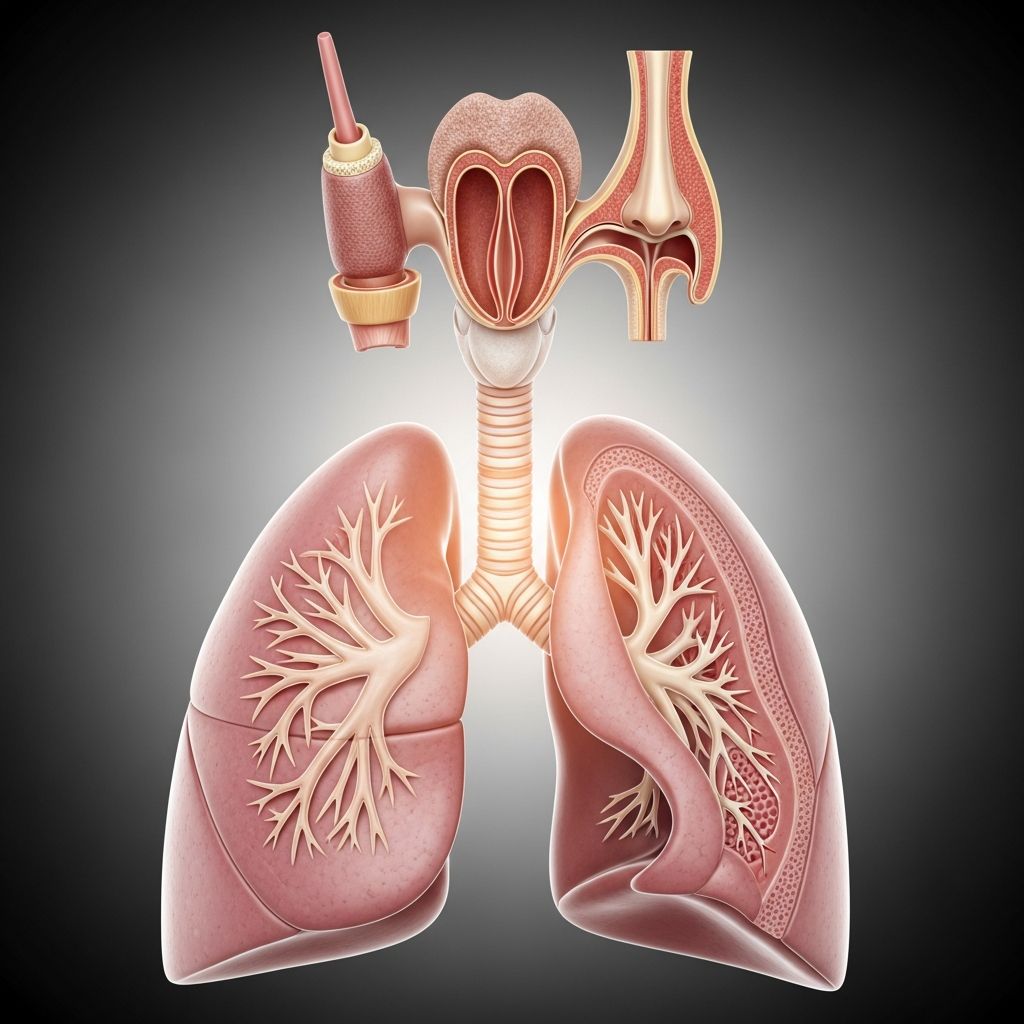
Your airway is a critical system of tubes and passages that transports air from your nose and mouth down to your lungs. It’s an essential part of your respiratory system, working continuously to deliver oxygen to your body and remove carbon dioxide. Understanding how your airway functions can help you appreciate the complexity of breathing and recognize when something might be wrong.
What Is Your Airway?
Your airway refers to the pathway that air follows as it enters your body through your nose or mouth and travels to your lungs. This system includes multiple structures that work together to ensure air reaches your lungs safely and efficiently. The airway system is divided into two main sections: the upper airway and the lower airway. Both sections play crucial roles in respiration and protecting your body from harmful particles.
Upper Airway Anatomy and Function
Your upper airway begins at your nose and mouth, where air first enters your body. This section includes several important structures that filter, warm, and humidify air before it reaches your lungs.
Nose and Nasal Cavity
The nose is the primary entry point for air into your respiratory system. Inside your nose is the nasal cavity, which performs several important functions. As air passes through your nasal passages, it’s warmed and humidified by blood vessels and mucus-producing tissues. This preparation is essential because your lungs require moist, warm air to function optimally. The nasal cavity also contains turbinates, which are bony structures that help slow down and filter incoming air.
Sinuses
Your sinuses are hollow air spaces located in your cheeks and forehead that connect to your nasal cavity. These chambers help warm and humidify air before it continues down your airway. Sinuses also play a role in voice resonance and help reduce the weight of your skull.
Pharynx (Throat)
The pharynx is a muscular funnel-shaped structure located at the back of your throat. It serves as a common pathway for both air and food, directing each to the appropriate destination. Your pharynx is divided into three regions: the nasopharynx (upper throat), oropharynx (middle throat), and hypopharynx (lower throat). The nasopharynx connects your nasal passages to the rest of your respiratory system, allowing air to flow from your nose to your lungs. During swallowing, specialized muscles in your pharynx help direct food to your esophagus while keeping air passages open.
Larynx (Voice Box)
Your larynx, commonly called the voice box, is a hollow tube located in the middle of your neck. It serves three critical functions: respiration, airway protection, and phonation (voice production). The larynx contains your vocal cords, which vibrate to produce sound when air passes through them. Your larynx also houses the epiglottis, a small flap that covers the opening to your larynx when you swallow, preventing food and liquid from entering your airway. This coordinated action requires precise muscle control to ensure you can breathe, swallow, and speak without interference.
Lower Airway Anatomy and Function
Your lower airway consists of the trachea, bronchi, bronchioles, and alveoli. These structures work together to transport air deep into your lungs where oxygen exchange occurs.
Related Stories



Trachea (Windpipe)
The trachea, also known as the windpipe, is a long tube that connects your larynx to your bronchi. This tube is made up of 16 to 20 rings of cartilage that provide structure and keep the trachea open during breathing. Cartilage is a firm yet flexible connective tissue that allows your trachea to bend and move with your body while maintaining its shape. The inside of your trachea is lined with mucosa, a moist tissue containing goblet cells that produce mucus. This mucus traps dust, allergens, and other small particles to prevent them from reaching your lungs. Tiny hair-like structures called cilia line the inner layer of your trachea and move in a rhythmic wavelike motion to push trapped particles and mucus out of your airway when you cough or sneeze.
Bronchi and Bronchioles
At the bottom of your trachea, it divides into two main bronchi. Your right main bronchus leads to your right lung, while your left main bronchus leads to your left lung. These large tubes branch off into smaller segments called secondary bronchi, which further subdivide into even smaller tubes called bronchioles. This branching pattern resembles an upside-down tree, which is why this network is called the tracheobronchial tree. Like the trachea, the bronchi and bronchioles are lined with mucus-producing tissues and cilia that continue to filter and move mucus throughout the system.
Alveoli (Air Sacs)
At the end of each bronchiole are millions of tiny air sacs called alveoli. These grape-like clusters are where the actual gas exchange occurs. Oxygen from the air you breathe in passes through the thin walls of the alveoli into the surrounding blood vessels. At the same time, carbon dioxide, a waste product from your metabolism, passes from your blood into the alveoli. This carbon dioxide is then expelled when you exhale.
How Your Airway Works: The Breathing Process
Your airway functions as a sophisticated delivery system that works in coordination with your diaphragm and other respiratory muscles. Understanding the breathing process helps explain how your airway accomplishes its vital functions.
Inhalation
When you breathe in, your diaphragm contracts and pulls downward, creating more space in your chest cavity. This expansion causes air pressure in your lungs to decrease, drawing air into your body. Air enters through your nose or mouth, travels through your nasal cavity or oral cavity, and passes through your pharynx. From there, it moves through your larynx and into your trachea. The air continues down through your bronchi, bronchioles, and finally reaches your alveoli, where oxygen is transferred to your bloodstream.
Exhalation
When you exhale, your diaphragm relaxes and moves upward, reducing the space in your chest. This compression increases air pressure in your lungs, forcing air out. As air travels back up through your bronchioles, bronchi, trachea, and larynx, carbon dioxide is expelled from your body. Your laryngeal muscles help modulate this airflow, controlling the force and speed of exhalation. This breathing process happens automatically about 12 to 20 times per minute in adults.
Protective Functions of Your Airway
Beyond simply delivering air to your lungs, your airway serves important protective functions that keep harmful substances out of your respiratory system.
Filtration and Trapping
As air moves through your nostrils and down your airways, tiny hairs called cilia filter out dust, germs, and other irritants. When irritants or germs do find their way into your airways, they become trapped in the sticky mucus produced by goblet cells. This mucus acts as a barrier, preventing harmful particles from reaching your delicate lungs.
Clearance Mechanisms
Your airway has a built-in cleanup system. The cilia that line your airways move in a coordinated wavelike motion that propels mucus containing trapped particles upward and out of your airway. This mucus is typically expelled when you cough or sneeze, but much of it is also swallowed without you noticing. This continuous cleaning process protects your lungs from infection and irritation.
Epiglottic Protection
Your epiglottis acts as a valve that prevents food and liquid from entering your respiratory system during swallowing. When you swallow, the epiglottis automatically folds down to cover the opening of your larynx, redirecting food and fluids to your esophagus instead. This protective mechanism is essential for preventing aspiration, which occurs when foreign material enters your airways.
Maintaining Airway Health
Keeping your airway healthy is crucial for overall respiratory function. Several lifestyle choices and preventive measures can help maintain optimal airway function.
Avoiding Environmental Hazards
Secondhand smoke contains harmful chemicals that can damage the delicate tissues lining your airway and impair ciliary function. Limiting your exposure to toxins in the air, such as pollution and industrial chemicals, helps protect your airways from chronic irritation and inflammation. When working with allergens or chemical fumes, wearing appropriate protective gear like masks or respirators can prevent harmful particles from entering your airway.
Managing Respiratory Conditions
Conditions like asthma and bronchitis directly affect your airways, causing inflammation and excessive mucus production. These conditions require proper medical management to keep your airways open and prevent breathing difficulties. Following your healthcare provider’s treatment recommendations can help maintain healthy airway function.
Hydration and Humidity
Staying well-hydrated helps maintain healthy mucus production in your airways. Using a humidifier in dry environments can also help keep the tissues lining your airways moist and functioning properly.
Common Airway Conditions and Problems
Several conditions can affect airway function and require medical attention. Common airway problems include asthma, bronchitis, allergies, and infections like the common cold. Asthma causes inflammation and narrowing of the airways, making breathing difficult. Bronchitis involves inflammation of the bronchial tubes, typically following a viral infection. Allergies can trigger swelling and excess mucus production in the airways. Infections like the common cold (nasopharyngitis) cause inflammation of the nasal passages and throat, temporarily affecting airway function. Understanding these conditions and seeking appropriate treatment helps maintain respiratory health.
Frequently Asked Questions About Your Airway
Q: What happens if my airway becomes blocked?
A: A blocked airway prevents air from reaching your lungs, which is a medical emergency. Blockages can result from choking, severe allergic reactions, infections, or swelling. Seek immediate medical attention if you experience severe difficulty breathing, as airway obstruction requires prompt intervention.
Q: How can I tell if my airway is inflamed?
A: Signs of airway inflammation include persistent cough, wheezing, difficulty breathing, chest tightness, and excessive mucus production. If you experience these symptoms, consult your healthcare provider for proper diagnosis and treatment.
Q: Is it normal to have mucus in my airway?
A: Yes, mucus production is normal and healthy. Your airway naturally produces mucus to trap particles and keep tissues moist. However, excessive mucus production may indicate an infection or underlying condition that warrants medical evaluation.
Q: How can I keep my airway clear?
A: Stay hydrated, use a humidifier in dry environments, avoid irritants like smoke and pollution, and follow your doctor’s recommendations for any respiratory conditions. If you have excessive mucus, techniques like chest physiotherapy or nebulizers may help.
Q: Why do I cough more at night?
A: Coughing at night often results from mucus accumulating in your airway when you lie down. This is common with colds, allergies, or postnasal drip. Elevating your head and using a humidifier may provide relief.
Q: How does smoking affect my airway?
A: Smoking damages the cilia lining your airways, impairing their ability to clear mucus and particles. This leads to chronic cough, increased infections, and long-term airway damage. Quitting smoking significantly improves airway health.
Summary
Your airway is a remarkable system of tubes and passages that delivers life-sustaining oxygen to your body while protecting your lungs from harmful substances. From your nose to your alveoli, each component plays a specific role in this coordinated process. By understanding how your airway works and taking steps to maintain its health, you can support your respiratory system and overall wellbeing. If you experience persistent airway symptoms or breathing difficulties, consult your healthcare provider for proper evaluation and treatment.
References
- Respiratory System: Organs, Facts, Anatomy & Function — Cleveland Clinic. 2024. https://my.clevelandclinic.org/health/body/21205-respiratory-system
- Trachea (Windpipe): Function and Anatomy — Cleveland Clinic. 2024. https://my.clevelandclinic.org/health/body/21828-trachea
- Lungs: Location, Anatomy, Function & Complications — Cleveland Clinic. 2024. https://my.clevelandclinic.org/health/body/8960-lungs
- Hoarseness: When to observe and when to refer — Cleveland Clinic Journal of Medicine, Vol. 90, No. 8. 2023. https://www.ccjm.org/content/90/8/475
- Bronchi: What Are They, Function, Anatomy & Conditions — Cleveland Clinic. 2024. https://my.clevelandclinic.org/health/body/21607-bronchi
- Nasopharynx: What Is It, Function & Anatomy — Cleveland Clinic. 2024. https://my.clevelandclinic.org/health/body/22376-nasopharynx
- What Is the Epiglottis? Function & Anatomy — Cleveland Clinic. 2024. https://my.clevelandclinic.org/health/body/24278-epiglottis
Similar Articles








Read full bio of medha deb