Alarming Rise in Self-Harm in Young People
Exploring the sharp increase in self-harm among youth, its causes, impacts, and urgent strategies for prevention and support.
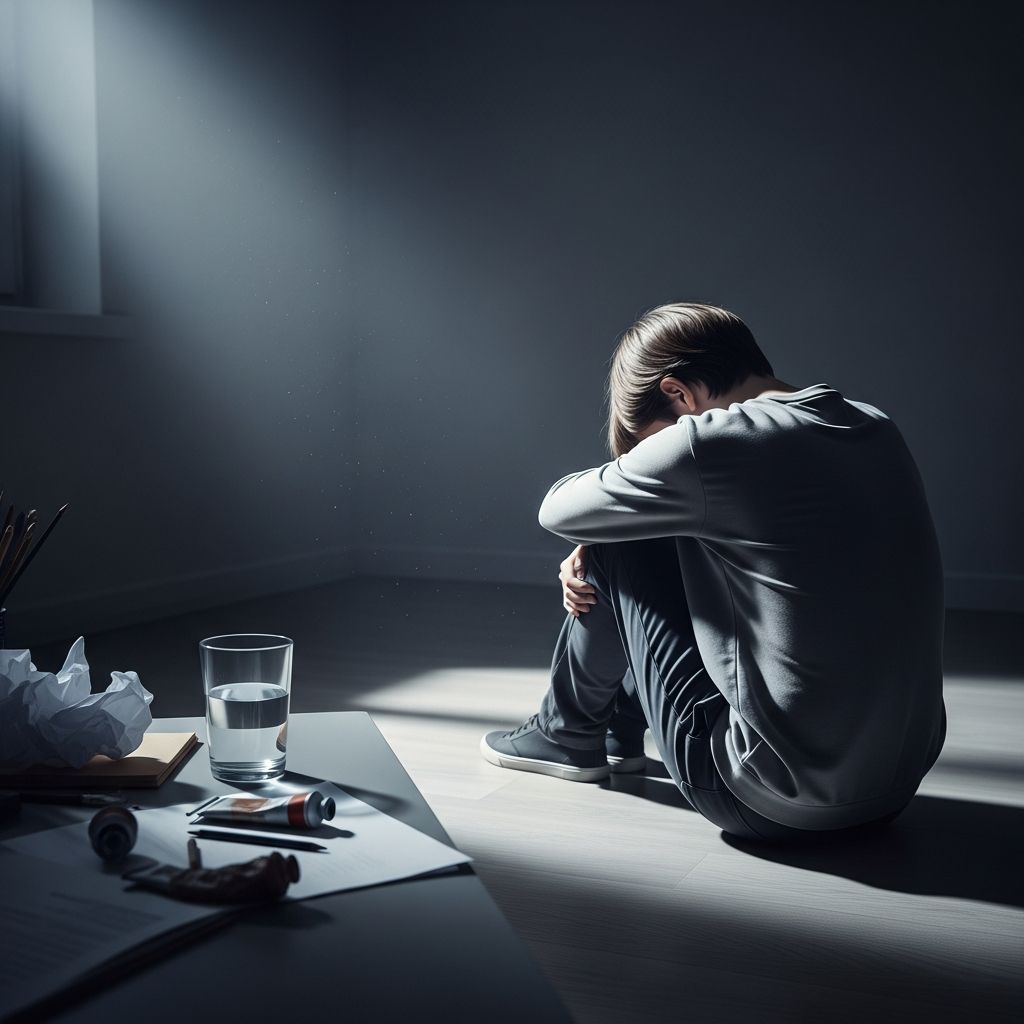
Self-harm among young people has escalated dramatically in recent years, emerging as a critical public health crisis. Rates have tripled from 2% to 6% of the population between 2000 and 2014, with even steeper increases among adolescent girls. This trend signals deeper issues in youth mental health, including emotional distress, inadequate coping mechanisms, and barriers to support services.
What is Self-Harm?
**Self-harm** involves intentional self-poisoning or self-injury, regardless of motive, often serving as a maladaptive way to regulate overwhelming emotions like sadness, anxiety, or confusion. Common methods include cutting, poisoning with analgesics or other drugs, and burning. It typically begins between ages 12-14 and affects one-third to one-half of U.S. adolescents, though reported rates range from 13-23%.
Unlike suicide attempts, self-harm is usually non-suicidal but significantly elevates future suicide risk—by 50- to 100-fold in the following 12 months. Over 5% of those presenting to hospitals after self-harm die by suicide within nine years, with cutting posing a higher repetition and suicide risk than poisoning in youth.
Shocking Statistics on the Rise
- Rates increased 68% among UK girls aged 13-16 from 2011-2014.
- For 17-19-year-olds, 21% of girls and 9% of boys have self-harmed or attempted suicide.
- One in twelve young people self-harms, rising to one in ten for ages 15-16; up to 25% of girls aged 17-19 with mental health diagnoses.
- Around half receive no psychological support, facing months- or years-long waits.
These figures, drawn from hospital data, likely underestimate true prevalence as many cases go unreported.
Why is Self-Harm Increasing in Young People?
Several interconnected factors drive this surge.
Mental health disorders
like depression, anxiety, PTSD, ADHD, borderline personality disorder, bipolar disorder, and substance misuse are strongly associated. Self-harm often communicates unspoken emotional pain, especially in those with trauma or family dysfunction.**Social media** plays a dual role: offering peer support but also triggering behaviors through exposure to self-harm content. Youth viewing such posts are at higher risk, and those visiting self-harm sites are 11 times more likely to have self-injurious thoughts.
**Shaming and societal pressures**—body shaming, fat shaming, slut shaming—intensify distress, prompting self-injury as relief. Post-pandemic mental health declines, academic stress, and isolation have exacerbated vulnerabilities.
Risk Factors for Self-Harm
| Category | Examples | Impact |
|---|---|---|
| Psychiatric | Depression, anxiety, ADHD, borderline personality disorder | Increases likelihood by impairing emotional regulation |
| Social/Environmental | Social media exposure, shaming, family dysfunction, bullying | Triggers coping via self-injury; online content amplifies risk |
| Personal History | Prior maltreatment, substance use, hopelessness | 15-20% repeat attempts; higher in males with conduct issues |
| Demographic | Females aged 13-19, those in care | Highest prevalence; cutting more common and riskier |
Early screening in at-risk groups is essential, as self-harm predicts suicide.
Physical and Long-Term Health Impacts
Beyond immediate injuries, repeated self-harm compromises physical health and life expectancy through infections, scarring, and chronic issues. Psychologically, it reinforces cycles of impulsivity and low self-esteem, hindering development. Prognosis is poor without intervention: high repetition rates and elevated suicide risk persist.
How to Spot Self-Harm in Young People
- Unexplained cuts, burns, or bruises, often on arms, thighs, or torso.
- Wearing concealing clothing in warm weather.
- Possession of sharp objects, frequent ‘accidents,’ or isolation.
- Sudden mood changes, withdrawal, or references to worthlessness.
- Evidence of poisoning attempts, like empty pill packets.
Parents and teachers should watch for these alongside mental health symptoms like persistent sadness or academic decline.
What to Do if You Suspect Self-Harm
Remain calm and non-judgmental—avoid shaming, as it worsens distress. Start open conversations: “I’ve noticed you’re hurting; I’m here to listen without judgment.” Explore triggers collaboratively.
Contact a GP immediately for referral to child and adolescent mental health services (CAMHS). Do not remove access to self-harm methods abruptly without alternatives, as this may escalate risks. Encourage professional help over punishment.
Treatment and Management Approaches
Management requires a multidisciplinary team: doctors, psychologists, social workers, and schools.
Psychosocial interventions
are first-line:- Dialectical Behavior Therapy for Adolescents (DBT-A): NICE-recommended; builds coping, emotion regulation, and distress tolerance skills.
- Cognitive Behavioral Therapy (CBT): Targets distorted thoughts and behaviors.
- Mentalization-Based Therapy (MBT), family/group therapy: Improves relationships and self-esteem.
**Pharmacological options** treat underlying conditions (e.g., antidepressants for depression), but not self-harm directly. School-based programs reduce behaviors by fostering connectedness.
Prevention at societal levels—policy, education, early screening—is vital.
Support for Parents and Carers
Parents often feel helpless amid long waits. Strategies include:
- Building trust through active listening.
- Monitoring social media use and promoting healthy habits.
- Accessing resources like YoungMinds or Samaritans.
- Self-care to manage stress, seeking peer support.
Dr. Nihara Krause emphasizes understanding functions of self-harm to replace with safer coping.
Prevention Strategies
- Early intervention: Routine screening in schools/health visits for at-risk youth.
- Social media regulation: Platforms banning harmful content; parental guidance.
- Education campaigns: Normalize mental health discussions, reduce stigma.
- Service expansion: Reduce CAMHS waits via funding.
- Community programs: Build resilience through sports, mentoring.
Frequently Asked Questions (FAQs)
Q: At what age does self-harm typically start in young people?
A: It often begins around 12-14 years old, linked to puberty and emotional challenges.
Q: Is self-harm always a sign of suicidal intent?
A: No, it’s usually a coping mechanism, but it increases suicide risk 50-100 times.
Q: Can social media cause self-harm?
A: It can trigger via exposure to content; viewers are at higher risk.
Q: What should parents do first if their teen self-harms?
A: Talk calmly, contact GP for referral; avoid confrontation.
Q: Which therapy is best for adolescent self-harm?
A: DBT-A is NICE-recommended; CBT and family therapy also effective.
Q: How common is self-harm among teens with mental health issues?
A: Up to 25% of diagnosed girls aged 17-19.
Addressing this crisis demands urgent action from families, schools, and policymakers to provide timely, compassionate support and prevent further tragedy.
References
- Self-harm | Doctor – Patient.info — Patient.info. 2023. https://patient.info/doctor/mental-health/self-harm
- Current Phenomenon of Self-Harm in Children and Adolescents — NIH/PMC. 2024-10-15. https://pmc.ncbi.nlm.nih.gov/articles/PMC11969049/
- Self-injury and youth — Mental Health America. 2023. https://mhanational.org/resources/self-injury-and-youth/
- How to cope if your teen is self-harming — Patient.info. 2023. https://patient.info/features/childrens-health/how-to-cope-if-your-teen-is-self-harming
- Self-Harm: Signs and Help — Patient.info. 2023. https://patient.info/mental-health/self-harm
- Depression in Children and Adolescents | Doctor — Patient.info. 2023. https://patient.info/doctor/paediatrics/depression-in-children-and-adolescents
Similar Articles








Read full bio of medha deb