Alarming Rise in Self-Harm in Young People
Exploring the sharp increase in self-harm among youth, its causes, impacts, and urgent need for better mental health support.
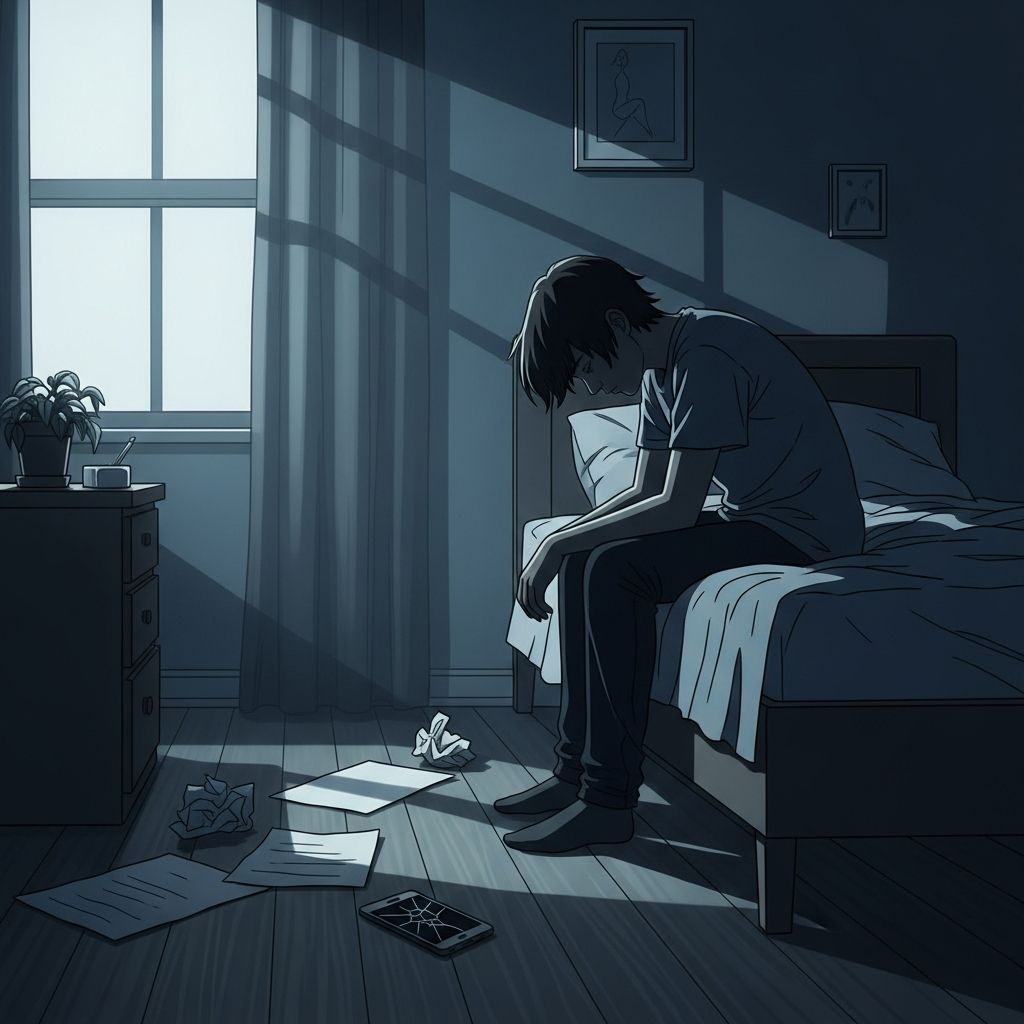
Rates of self-harm, particularly non-suicidal self-harm (NSSH), have surged dramatically among young people, with girls aged 16-24 experiencing the steepest increase from 6.5% in 2000 to 19.7% in 2014. This trend underscores a growing mental health crisis where emotional distress manifests in harmful coping mechanisms, yet access to treatment remains stagnant, affecting about half of those who self-harm.
What is self-harm?
Self-harm involves intentional self-poisoning or self-injury, regardless of suicidal intent, often serving as a maladaptive way to regulate overwhelming emotions like sadness, anxiety, or confusion. In young people, it commonly starts between ages 12-14 and includes methods such as cutting or poisoning with analgesics, antidepressants, or other substances. Unlike curiosity-driven incidents, repeated self-harm signals underlying mental health issues such as depression, borderline personality disorder, or bipolar disorder, severely compromising physical health and elevating suicide risk by 50-100 times.
Non-suicidal self-harm (NSSH), the focus of key studies, excludes acts with suicidal purpose but still predicts future suicide attempts if untreated, especially when cutting is involved over poisoning. Young people may adopt it long-term as a coping strategy, exacerbating emotional dysregulation and impulsivity.
Recent research findings
A landmark study in The Lancet Psychiatry analyzed population data from 2000 to 2014, revealing self-harm prevalence rose from 2% to 6% across the UK population. While increases occurred in all age groups and sexes, young people aged 16-24 showed the highest rates: 19.7% for girls and notable rises for boys, contrasting sharply with earlier health service-based data that underestimated cases since most do not seek medical help.
Recent UK data indicates a 68% increase in self-harm among adolescent girls aged 13-16 from 2011-2014, with US studies estimating 13-23% or up to one-third to half of adolescents engaging in non-suicidal self-injury. For 17-19-year-olds, 21% of girls and 9% of boys have self-harmed or attempted suicide. These figures highlight underreporting, as only presented cases reach services like A&E.
Who is most at risk?
Young females, particularly those aged 16-24, bear the brunt, with rates tripling over 14 years. Prevalence is even higher among those with mental health diagnoses: up to 25% of girls aged 17-19. Risk factors include emotional dysregulation, psychiatric conditions like depression or borderline personality disorder, substance misuse, and social pressures.
- Age onset: Typically 12-14 years, linked to puberty and emotional turmoil.
- Gender disparity: Girls report higher rates (e.g., 1 in 10 aged 15-16), though boys are affected too.
- Mental health links: Co-occurs with anxiety, depression, and low self-esteem.
Social media amplifies risks: while offering support communities, exposure to self-harm content triggers behaviors, with visitors to such sites 11 times more likely to have self-injurious thoughts. Body shaming, fat shaming, or slut shaming heightens distress, pushing teens toward self-harm for relief.
Why are rates increasing?
The surge ties to mounting pressures on youth: academic stress, social media scrutiny, family issues, and pandemic isolation, fostering unhealthy coping. Unlike past generations, today’s adolescents face constant online comparison and cyberbullying, complicating emotional regulation. YoungMinds CEO Emma Thomas notes complex reasons but emphasizes early intervention gaps, with services overwhelmed and waits stretching months or years.
Population surveys reveal true scale, as many bypass healthcare due to stigma or access barriers. Lead researcher Sally McManus stresses teaching healthier stress management through education and social care.
Long-term consequences
Self-harm erodes physical health—scarring, infections, compromised life expectancy—and psychologically entrenches poor coping, raising suicide odds significantly. In children and adolescents, cutting signals higher repetition and suicide risk than poisoning. Untreated, it predicts future attempts, demanding early detection.
| Risk Factor | Impact | Source |
|---|---|---|
| Repeated NSSH | 50-100x suicide risk increase | |
| Cutting in youth | Higher repetition/suicide vs. poisoning | |
| Mental health comorbidity | Physical health decline | |
| Social media exposure | 11x higher self-harm thoughts |
Treatment and support gaps
Alarmingly, only half of self-harmers receive mental health aid, with no uptick despite rising cases. NICE guidelines (2022) endorse dialectical behavior therapy for adolescents (DBT-A) as first-line, alongside CBT, mentalization-based therapy (MBT), group, and family therapies to build coping, self-esteem, and social bonds.
Psychosocial interventions target impulsivity and emotion skills; pharmacological options address comorbidities like depression. Yet, long waits leave families desperate—GPs can refer, but specialist access lags. Prevention requires school screenings, community programs, and policy action.
What can be done?
McManus urges professionals to openly discuss self-harm, promoting emotional health education. Thomas calls for government-funded frontline services and community support. Parents: stay calm, avoid punishment, encourage GP visits, and teach alternatives like exercise or journaling.
- Contact GP for referrals.
- Explore therapies: DBT-A, CBT.
- Build support networks via charities like YoungMinds.
- Monitor social media; promote healthy outlets.
Frequently Asked Questions (FAQs)
What should I do if my teen is self-harming?
Speak to your GP immediately for referrals and resources. Avoid shaming; understand it as emotional expression needing safe alternatives.
Is self-harm always suicidal?
No, NSSH lacks suicidal intent but heightens future risk if chronic.
How common is self-harm in youth?
Up to 19.7% in 16-24 girls (2014); 1 in 10-12 teens overall.
Does social media cause self-harm?
It can trigger via content exposure, though also provides peer support.
What treatments work best?
DBT-A, CBT, family therapy per NICE.
References
- Alarming rise in self-harm in young people — Patient.info. 2018 (data to 2014). https://patient.info/features/mental-health/alarming-rise-in-self-harm-in-young-people
- Self-harm | Doctor — Patient.info. Accessed 2026. https://patient.info/doctor/mental-health/self-harm
- Current Phenomenon of Self-Harm in Children and Adolescents — NIH/PMC. 2024-10-29. https://pmc.ncbi.nlm.nih.gov/articles/PMC11969049/
- Self-injury and youth — Mental Health America. Accessed 2026. https://mhanational.org/resources/self-injury-and-youth/
- How to cope if your teen is self-harming — Patient.info. Accessed 2026. https://patient.info/features/childrens-health/how-to-cope-if-your-teen-is-self-harming
Similar Articles








Read full bio of medha deb