Albinism: Symptoms, Causes, Diagnosis, and Treatment
Understand albinism: a genetic condition affecting melanin production, leading to light skin, hair, eyes, and vision issues. Learn symptoms, types, management.
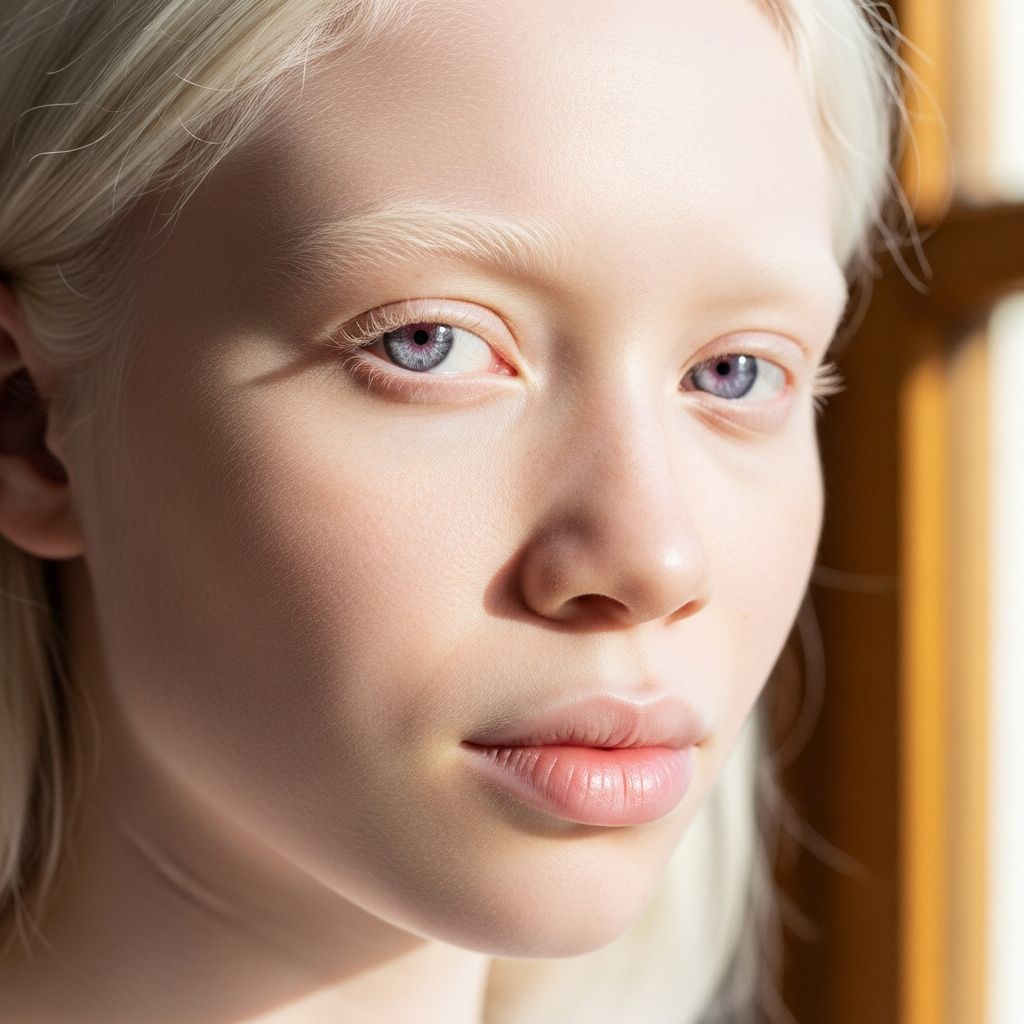
Albinism is a group of inherited genetic conditions characterized by little or no production of melanin, the pigment responsible for coloring the skin, hair, and eyes. This lifelong disorder primarily affects appearance and vision but does not worsen over time. People with albinism typically have very pale skin, white or light hair, and light-colored eyes, along with vision impairments due to lack of pigment in the eyes.
Melanin not only determines color but also protects the skin from UV radiation and aids in eye development. Without it, individuals face increased risks of sunburn, skin cancer, and visual challenges like nystagmus and photophobia. While there is no cure, proper management can significantly improve quality of life.
What Is Albinism?
Albinism, also known as hypopigmentation, occurs when melanocytes—cells that produce melanin—fail to function properly. This results in reduced or absent pigment in ectoderm-derived tissues such as the skin, hair, and eyes. The condition is present at birth and affects people of all ethnic backgrounds, though prevalence varies.
The lack of melanin leads to distinctive physical traits and functional issues. Skin appears very pale and burns easily without tanning. Hair is often white or very light, though some types allow slight darkening with age. Eyes may appear pinkish-red due to visible blood vessels in the iris, and vision is commonly impaired because melanin is crucial for proper retinal and optic nerve development.
Globally, albinism affects about 1 in 17,000 people, but rates are higher in certain populations, such as 1 in 1,000 in sub-Saharan Africa due to consanguineous marriages increasing genetic mutation transmission. In the U.S., it’s estimated that 1 in 70 people carry the genetic mutation.
Types of Albinism
Albinism is classified into several types based on the genes affected and symptoms. The two main categories are non-syndromic (affecting only pigmentation and vision) and syndromic (with additional systemic issues).
Non-Syndromic Albinism
- Oculocutaneous Albinism (OCA): The most common form, affecting skin, hair, and eyes. Subtypes include:
- OCA1: Complete (OCA1A) or partial (OCA1B) tyrosinase deficiency leads to white hair, pale skin, and blue/pink irises. Skin and hair may darken slightly in OCA1B.
- OCA2: Most common in African Americans and sub-Saharan Africans; creamy white skin, yellow/blonde/light brown hair, and blue/green/blue-gray eyes. Less severe vision issues.
- OCA3: Prevalent in dark-skinned individuals from southern Africa; reddish-brown skin, red/ginger hair, hazel/brown eyes. Mildest form with minimal vision problems.
- OCA4: Similar to OCA2, with light skin and hair; rare outside Asia.
- Ocular Albinism (OA): Primarily affects eyes, sparing skin and hair pigmentation. X-linked OA1 is most common in males, causing foveal hypoplasia and nystagmus.
Syndromic Albinism
- Hermansky-Pudlak Syndrome (HPS): Involves bleeding disorders, pulmonary fibrosis, and colitis alongside albinism. Common in Puerto Rico.
- Chediak-Higashi Syndrome (CHS): Rare; silvery hair, gray skin, immune deficiency leading to infections.
These types vary in severity, with OCA1 often most profound and OCA3 mildest.
Symptoms and Complications of Albinism
Symptoms stem from melanin absence and impact skin, hair, eyes, and sometimes other systems.
Skin and Hair
- Very pale skin that freckles but rarely tans; extreme sun sensitivity leading to burns.
- White, light blonde, or straw-colored hair; eyelashes and brows similarly affected. Slight darkening possible in some types.
- Increased skin cancer risk, especially squamous cell carcinoma (up to 1,000 times higher).
Related Stories



Vision Problems
Vision is the most debilitating aspect, affecting 100% of cases to varying degrees.
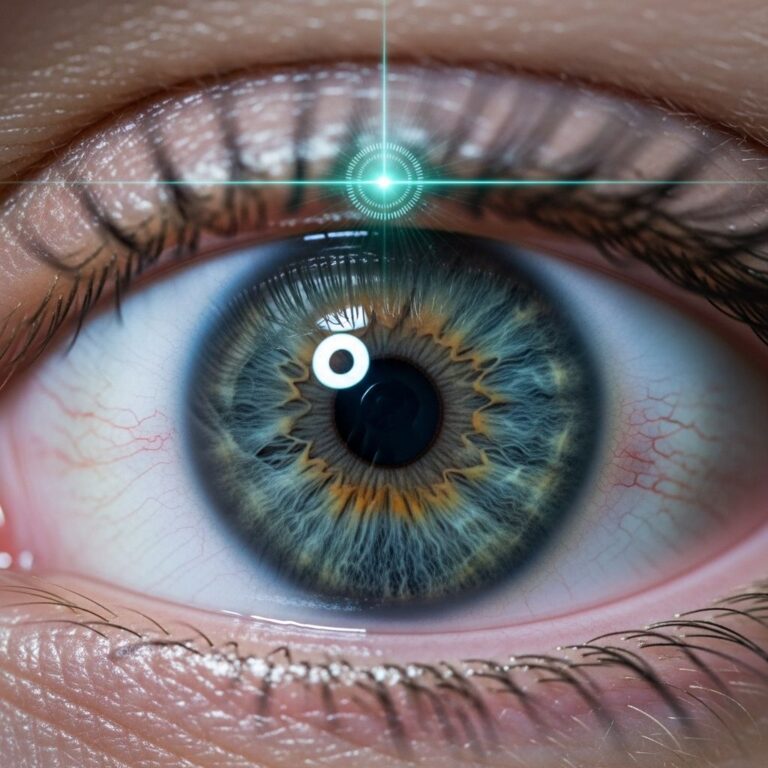
- Nystagmus: Involuntary eye movements, often noticeable in infancy.
- Strabismus (squint): Misaligned eyes.
- Photophobia: Light sensitivity due to poor iris pigmentation.
- Refractive errors: Astigmatism, myopia, hyperopia causing blurred vision.
- Foveal hypoplasia: Underdeveloped macula reduces central vision.
- Optic nerve misrouting: Abnormal visual pathways.
Visual acuity often ranges from 20/60 to legally blind levels, though glasses help some.
Other Complications
- Syndromic forms: Bleeding, infections, lung issues shortening lifespan.
- Clumsiness in children due to poor depth perception, improving with age.
- Social stigma, especially in Africa, leading to discrimination.
Causes and Genetics of Albinism
Albinism is autosomal recessive, requiring two mutated gene copies (one from each parent). Carrier parents are unaffected but have a 25% chance per pregnancy of an affected child, 50% carrier, 25% unaffected.
Over 20 genes implicated; key ones include TYR (OCA1), OCA2 (OCA2), TYRP1 (OCA3). Mutations disrupt melanin synthesis from tyrosine.
OA1 is X-linked recessive, affecting males more. Consanguinity raises risk in certain populations.
Diagnosis of Albinism
Diagnosis is clinical, based on family history, appearance, and eye exam. Genetic testing confirms type via sequencing. Prenatal testing possible for known carriers, though not routine as most adapt well.
- Eye exam: Electroretinogram (ERG), optical coherence tomography (OCT) assess foveal hypoplasia.
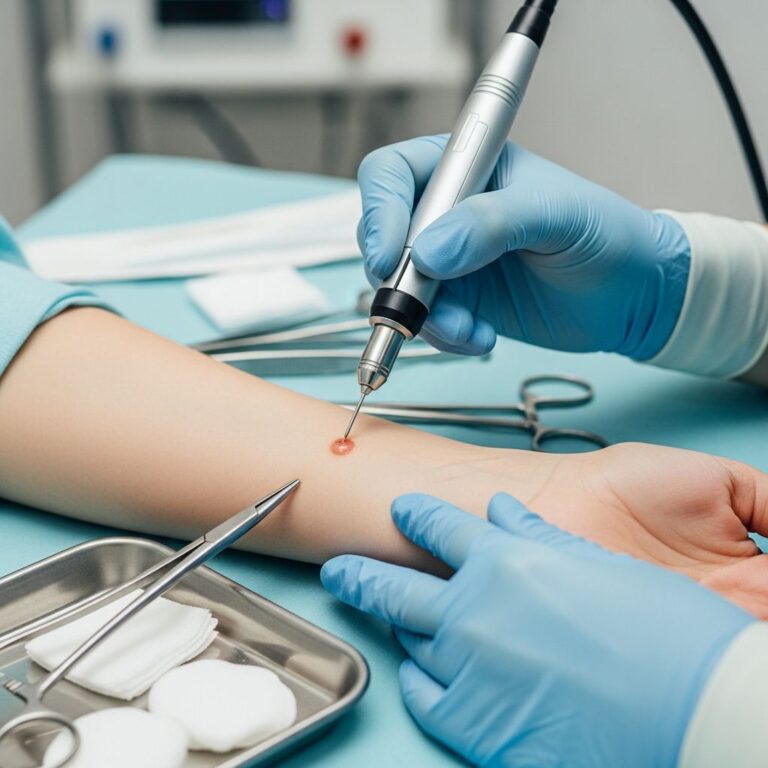
- Skin biopsy: Rarely needed; shows absent/diminished melanocytes.
Differential includes partial albinism or other hypopigmentation disorders.
Treatment and Management
No cure exists; focus is symptom management.
Skin Protection
- Daily broad-spectrum SPF 50+ sunscreen, reapplied every 2 hours.
- UV-protective clothing, hats, sunglasses.
- Regular skin checks for cancer; biopsies for suspicious lesions.
Vision Care
- Low-vision aids: Glasses, contacts, magnifiers.
- Vision therapy for nystagmus/strabismus.
- Dark-tinted lenses for photophobia.
- Early screening maximizes outcomes.
Other Supports
- Genetic counseling for families.
- Treatment of syndromic issues (e.g., antibiotics for CHS).
Living With Albinism
Most live normal lifespans barring complications like HPS lung disease. Adaptations include indoor preferences, mobility training, and support groups. Education on sun safety prevents cancer. In tropical regions, skin cancers can be fatal without protection.
Socially, myths persist, but awareness grows. Many pursue fulfilling careers with accommodations.
Frequently Asked Questions (FAQs)
What is albinism?
Albinism is a genetic condition causing little or no melanin production, leading to pale skin, light hair, light eyes, and vision problems.
Is albinism curable?
No, but symptoms like vision issues and skin sensitivity can be managed effectively.
Does albinism affect lifespan?
Usually not, except in syndromic forms like HPS with lung or bleeding issues.
Can people with albinism have normal vision?
Vision is always impaired to some degree due to eye development issues.
How common is albinism?
About 1 in 17,000 worldwide; higher in some African populations.
References
- Albinism – NHS — NHS. 2023. https://www.nhs.uk/conditions/albinism/
- Albinism: What it is, types, symptoms, treatment, and is it genetic — Medical News Today. 2023-10-18. https://www.medicalnewstoday.com/articles/245861
- Understanding Albinism: Types, Causes, and More — Healthgrades. 2024. https://resources.healthgrades.com/right-care/skin-hair-and-nails/albinism
- Albinism – StatPearls — NCBI Bookshelf / NIH. 2023-07-17. https://www.ncbi.nlm.nih.gov/books/NBK519018/
- Albinism: MedlinePlus Medical Encyclopedia — MedlinePlus. 2023. https://medlineplus.gov/ency/article/001479.htm
- Information Bulletin – What is Albinism? — National Organization for Albinism and Hypopigmentation. 2023. https://albinism.org/information-bulletin-what-is-albinism/
- Albinism – Symptoms and causes — Mayo Clinic. 2023-09-13. https://www.mayoclinic.org/diseases-conditions/albinism/symptoms-causes/syc-20369184
Similar Articles








Read full bio of Sneha Tete