Albumin Blood Test: Purpose, Procedure, and Understanding Results
Comprehensive guide to the albumin blood test: its importance, procedure, and what your results reveal about liver and kidney health.
The albumin blood test is a common diagnostic tool used by healthcare providers to assess the function of your liver and kidneys by measuring the amount of albumin — a key protein — present in your blood plasma. Albumin plays an essential role in maintaining fluid balance in your bloodstream and transporting various substances, including vitamins, enzymes, and hormones, throughout your body. This article will explain what an albumin blood test is, why it is ordered, how it is performed, what the results mean, and what factors could influence them.
What is Albumin and Why Is It Important?
Albumin is a protein produced by the liver and found in blood plasma. It has several crucial functions:
- Maintains fluid balance: Albumin helps keep fluid from leaking out of blood vessels into surrounding tissues, a key factor in preventing swelling and edema.
- Transports substances: It carries essential molecules such as vitamins, hormones, and enzymes throughout the bloodstream to various parts of the body.
- Supports nutritional status: Albumin levels reflect dietary protein intake and overall nutritional health.
Because albumin is synthesized in the liver and lost through the kidneys, its blood level provides valuable insight into the health and function of both organs.
Why is an Albumin Blood Test Done?
Your healthcare provider may order an albumin blood test for various reasons, primarily to monitor or diagnose conditions affecting the liver or kidneys. Specific purposes include:
- Evaluating liver function, particularly if symptoms or other tests suggest liver disease.
- Assessing kidney health, especially in cases of suspected kidney disease, diabetes, or hypertension.
- Checking for nutritional deficiencies, like inadequate protein intake or malnutrition.
- Monitoring patients with known liver or kidney disorders to track disease progression or treatment effects.
- Investigating unexplained symptoms such as swelling, fatigue, or edema that could be linked to altered albumin levels.
How is the Albumin Blood Test Performed?
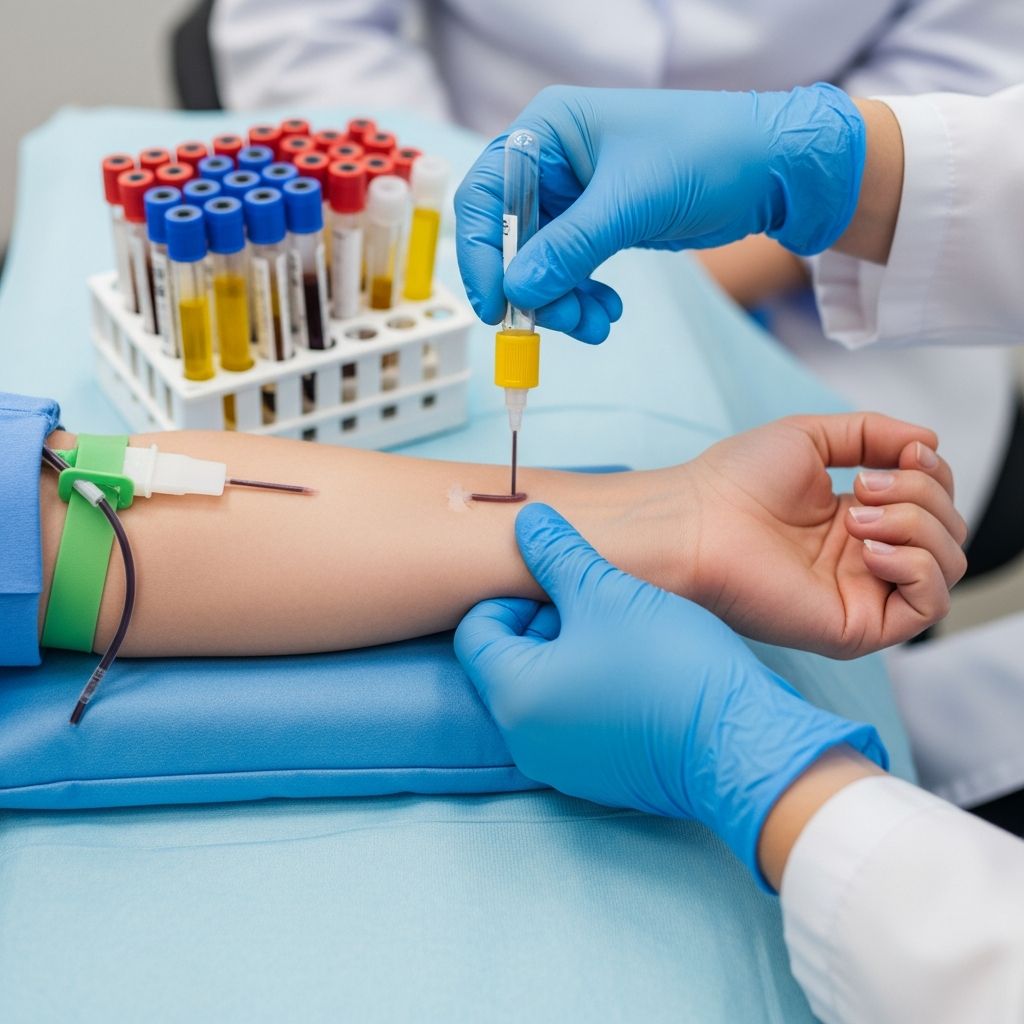
The albumin blood test is a simple and quick procedure, typically conducted in a lab, doctor’s office, or hospital setting. Here’s what you can expect:
- A healthcare professional will clean the area on your arm where the blood will be drawn, usually inside the elbow.
- A sterile needle is inserted into a vein to collect a small blood sample into a vial or tube.
- The procedure usually takes a few minutes and causes minimal discomfort.
- After the sample is taken, you can resume normal activities immediately.
The blood sample is then sent to a laboratory where the concentration of albumin is measured and analyzed.
Understanding Your Albumin Blood Test Results
Albumin levels in an adult typically range between 3.5 to 5.5 grams per deciliter (g/dL), although reference ranges can vary slightly by lab. Your healthcare provider will interpret your results in the context of your overall health and other diagnostic information.
What Low Albumin Levels Mean (Hypoalbuminemia)
Low albumin levels may indicate:
- Liver disease: Since albumin is made in the liver, diseases such as cirrhosis, hepatitis, or liver failure can reduce its production.
- Kidney disease: Conditions like nephrotic syndrome can cause albumin to leak into the urine, lowering blood levels.
- Malnutrition: Insufficient protein intake or malabsorption disorders may result in hypoalbuminemia.
- Inflammation or infections: Chronic inflammation, severe infections, or acute illnesses can reduce albumin synthesis or increase breakdown.
- Other conditions: Congestive heart failure, burns, or gastrointestinal loss of protein may also cause low albumin.
Related Stories



What High Albumin Levels Mean (Hyperalbuminemia)
High albumin levels are less common and usually result from:
- Dehydration: Loss of fluid increases blood concentration of albumin.
- Severe diarrhea or infections: Causing hemoconcentration.
- Other rare causes: Excessive protein intake or certain chronic inflammatory states.
Additional Tests Related to Albumin
To get a fuller picture of liver and kidney function, your healthcare provider may also order:
- Comprehensive Metabolic Panel (CMP): Measures albumin along with liver enzymes, kidney markers, electrolytes, and glucose.
- Urine Albumin-Creatinine Ratio (uACR): Detects albumin loss in the urine and helps assess kidney damage.
- Albumin/Globulin (A/G) ratio: Compares albumin to globulin protein levels to identify potential disease states.
- Liver function tests: Evaluate other liver proteins and enzymes for comprehensive assessment.
- Inflammatory markers: Tests like C-reactive protein (CRP) to evaluate ongoing inflammation.
Albumin Levels and Their Importance in Medical Conditions
Albumin levels provide crucial information in diagnosing and managing several conditions, including:
| Condition | Albumin Level Indicator | Role of Albumin Test |
|---|---|---|
| Liver Disease | Low albumin | Reflects impaired liver synthesis function, useful for disease staging and monitoring |
| Kidney Disease | Low albumin (blood), high albumin (urine) | Identifies loss of albumin through kidneys, indicating damage or disease progression |
| Malnutrition | Low albumin | Suggests inadequate protein intake or absorption issues |
| Dehydration | High albumin | Indicates hemoconcentration from fluid loss |
Risks and Considerations for the Albumin Blood Test
The albumin blood test is generally safe and noninvasive with minimal risks involved:
- Temporary discomfort: Slight pain or bruising at the blood draw site.
- Bleeding or infection risk: Very rare when performed by trained professionals under sterile conditions.
- Interfering factors: Certain medications, pregnancy, or recent food intake may affect albumin levels and test accuracy.
Discuss with your healthcare provider any concerns or factors that might influence your test outcomes.
Frequently Asked Questions (FAQs)
Q: Can diet affect my albumin blood test results?
A: Yes, protein intake can influence albumin levels. Poor nutrition or very low protein diets may lower albumin levels, whereas high protein diets might slightly alter results.
Q: How soon will I get my albumin test results?
A: Results typically take a few days depending on the laboratory, but your healthcare provider will inform you when to expect them.
Q: Do abnormal albumin levels mean I have liver or kidney disease?
A: Not necessarily. Abnormal results indicate a need for further evaluation but should be interpreted alongside other clinical information and tests.
Q: Is the albumin blood test painful?
A: The test involves a standard blood draw, which may cause brief discomfort or minor bruising but is generally not painful.
Q: Can dehydration cause high albumin levels?
A: Yes, dehydration concentrates blood components, including albumin, leading to temporarily elevated results.
Summary
The albumin blood test is a vital diagnostic tool that measures the amount of albumin protein in your blood, providing key insights into liver and kidney health, nutritional status, and certain disease processes. It is a quick, safe, and routine blood test commonly performed alongside other laboratory panels. Understanding your albumin levels can help detect and manage health issues effectively through timely medical intervention.
References
- Albumin Blood Test: What It Is, Procedure & Results — Cleveland Clinic. 2024. https://my.clevelandclinic.org/health/diagnostics/22390-albumin-blood-test
- Understanding High Albumin Levels: Causes, Symptoms, and Lab Tests Explained — Rupa Health. 2024. https://www.rupahealth.com/post/understanding-high-albumin-levels-causes-symptoms-and-lab-tests-explained
- Urine Albumin-Creatinine Ratio (uACR) — Cleveland Clinic. 2024. https://my.clevelandclinic.org/health/diagnostics/urine-albumin-creatinine-ratio
- Albumin Blood Test: MedlinePlus Medical Test — MedlinePlus. 2023. https://medlineplus.gov/lab-tests/albumin-blood-test/
Similar Articles








Read full bio of medha deb