Albuminuria: What You Need To Know About Protein In Urine
Discover how albumin in urine signals kidney issues, from causes and tests to prevention strategies for better health.

Albuminuria occurs when the protein albumin leaks into the urine due to impaired kidney filtration, serving as a critical early marker for kidney dysfunction. This condition, also known as proteinuria when referring to proteins in general, highlights damage to the kidneys’ glomeruli, the tiny filters that normally retain albumin in the bloodstream.
The Role of Kidneys in Protein Regulation
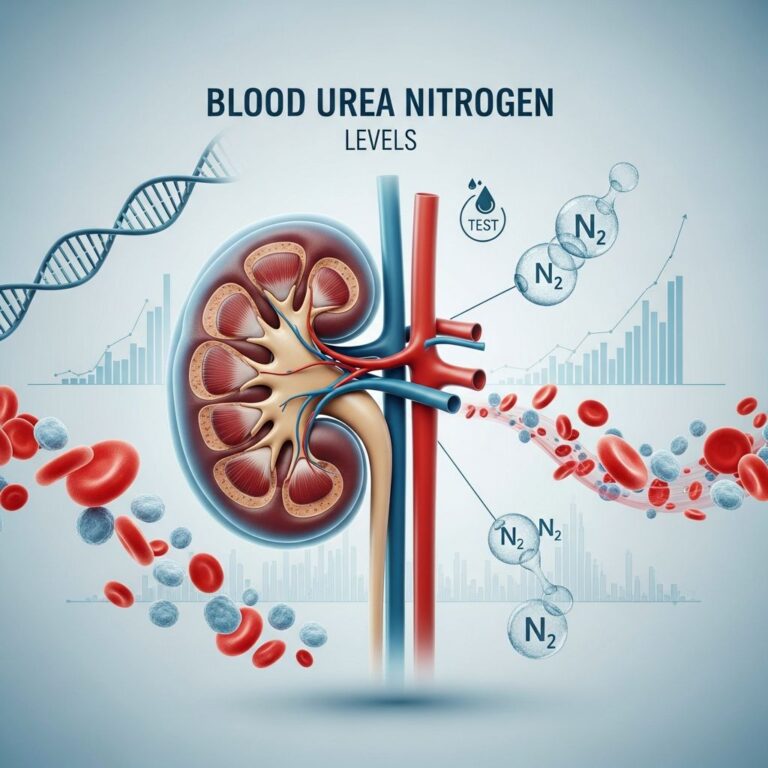
Healthy kidneys act as sophisticated filters, allowing waste products to pass into urine while keeping essential proteins like albumin circulating in the blood to maintain fluid balance, transport nutrients, and support overall homeostasis. Albumin, the most abundant protein in blood plasma, is too large to pass through intact glomerular barriers under normal conditions. When these barriers weaken, albumin escapes, signaling potential chronic issues that require prompt attention.
Common Triggers Behind Albuminuria
Several factors contribute to this protein leakage, divided into temporary and persistent categories. Temporary albuminuria often resolves without intervention, while chronic forms demand ongoing management.
Temporary Causes
- Intense physical activity, which stresses the kidneys temporarily.
- Dehydration, fever, or urinary tract infections that alter filtration dynamics.
- Emotional stress or acute illnesses like heart failure flare-ups.
Chronic Underlying Conditions
- Diabetes, particularly when blood sugar control is poor, leading to diabetic nephropathy.
- Hypertension, which damages glomerular vessels over time.
- Glomerular diseases such as glomerulonephritis, IgA nephropathy, or lupus nephritis.
- Cardiovascular issues, obesity, autoimmune disorders, and advanced age.
Individuals with a family history of kidney disease or those over 65 face heightened risks, especially from ethnic groups like African Americans or Hispanics.
Recognizing Symptoms of Albuminuria
Often silent in early stages, albuminuria may not produce noticeable signs, underscoring the need for routine screening in at-risk populations. When symptoms emerge, they reflect advancing kidney involvement or associated complications.
- Foamy or bubbly urine from high protein concentrations.
- Swelling (edema) in the face, eyes, ankles, feet, or abdomen due to fluid retention.
- Frequent urination or puffiness around the eyes, particularly mornings.
In severe cases like nephrotic syndrome, symptoms intensify, including fatigue and abdominal bloating.
How Albuminuria is Diagnosed
Diagnosis relies on urine tests measuring albumin levels relative to creatinine, providing a reliable indicator of kidney health. Key tests include:
| Test Type | What it Measures | Normal Range | Abnormal Indicates |
|---|---|---|---|
| Albumin-to-Creatinine Ratio (ACR) | mg albumin per g creatinine | <30 mg/g | Microalbuminuria: 30-300 mg/g; Macro: >300 mg/g |
| Spot Urine Sample | Albumin concentration | <30 mg/g | Early kidney damage |
| 24-Hour Urine Collection | Total albumin excretion | <30 mg/day | Persistent leakage |
Microalbuminuria detects subtle leaks, often the first clue to kidney disease even with normal glomerular filtration rates. Blood tests for estimated glomerular filtration rate (eGFR) complement these, alongside imaging or biopsies for root causes.
Related Stories



Classifications of Albuminuria Severity
Albuminuria severity guides prognosis and intervention:
- Microalbuminuria: Mild leakage (30-300 mg/day), reversible with lifestyle changes or treatment of underlying issues like diabetes.
- Macroalbuminuria: Severe leakage (>300 mg/day), indicating substantial damage and higher risks for progression to end-stage kidney disease.
Regular monitoring tracks progression; levels can stabilize or improve with early action.
Health Risks and Complications
Beyond kidneys, albuminuria elevates cardiovascular risks, including heart disease and stroke, due to widespread vascular inflammation. Untreated, it accelerates chronic kidney disease (CKD), potentially leading to dialysis or transplant needs. Nephrotic syndrome brings additional threats like blood clots and infections from protein loss.
Strategies for Management and Treatment
Treatment targets the root cause while protecting kidney function:
- Blood Pressure Control: ACE inhibitors or ARBs reduce glomerular pressure.
- Glycemic Management: Tight diabetes control via medications like SGLT2 inhibitors halts progression.
- Lifestyle Modifications: Weight loss, low-sodium diet, exercise, and smoking cessation.
- Specialist Care: Nephrologists oversee advanced cases, possibly with statins for lipid control.
Temporary cases may only need rest and hydration.
Preventive Measures for Kidney Protection
Proactive steps minimize albuminuria risk:
- Annual ACR screening for diabetics, hypertensives, or those over 50.
- Maintain BMI under 25 and blood pressure below 130/80 mmHg.
- Limit alcohol, avoid NSAIDs excessively, and stay hydrated.
- Follow a DASH or Mediterranean diet rich in fruits, vegetables, and whole grains.
Frequently Asked Questions (FAQs)
What does albumin in urine mean?
It indicates kidneys are leaking protein, often from damage due to diabetes or hypertension, warranting further tests.
Is albuminuria reversible?
Yes, especially microalbuminuria with early intervention like blood sugar control or BP meds.
Who should get tested for albuminuria?
People with diabetes, high BP, family kidney history, obesity, or age over 65.
Can exercise cause albuminuria?
Temporary spikes yes, from intense workouts, but they resolve; chronic needs evaluation.
How often should albuminuria be monitored?
Yearly for at-risk groups, more frequently if elevated.
This comprehensive overview empowers better kidney health awareness. Consult healthcare providers for personalized advice.
References
- Albuminuria: Symptoms, Causes, & What Urine Test Results Mean — Tua Saude. 2023. https://www.tuasaude.com/en/albuminuria/
- Albuminuria (microalbuminuria) — Bupa UK. 2024. https://www.bupa.co.uk/health-information/urinary-bladder-problems/microalbuminuria
- Albuminuria (proteinuria) — National Kidney Foundation. 2024. https://www.kidney.org/kidney-topics/albuminuria-proteinuria
- Albuminuria: Albumin in the Urine — National Institute of Diabetes and Digestive and Kidney Diseases (NIDDK). 2023-10-23. https://www.niddk.nih.gov/health-information/kidney-disease/chronic-kidney-disease-ckd/tests-diagnosis/albuminuria-albumin-urine
- Albumin in Urine: Potential Causes and Treatment — Healthline. 2023. https://www.healthline.com/health/albumin-in-urine
Similar Articles








Read full bio of medha deb