Albuterol Inhaler Essential Guide: Uses, Dosage, Side Effects
Comprehensive guide to albuterol inhalers for asthma relief, usage, side effects, and safety tips for effective breathing management.
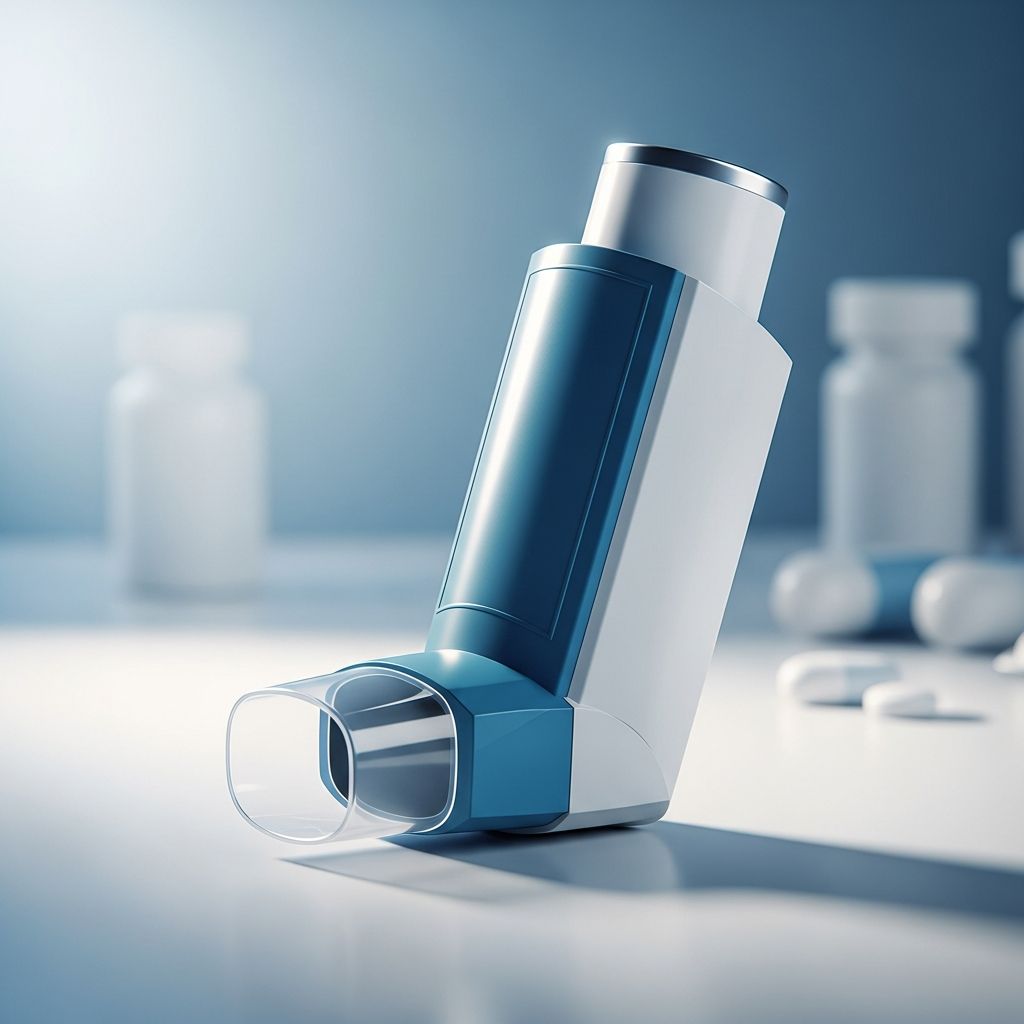
Albuterol, also known as salbutamol, is a short-acting bronchodilator medication primarily used as a rescue or quick-relief inhaler for asthma and other airway conditions. It works by relaxing the muscles in the airways, widening them to improve airflow and alleviate symptoms like wheezing, coughing, and shortness of breath.
About albuterol
Albuterol belongs to a class of drugs called short-acting beta-agonists (SABAs). It is specifically designed to provide rapid relief from bronchospasm, which is the sudden tightening of airway muscles. By stimulating beta-2 adrenergic receptors in the lungs, albuterol increases cyclic AMP levels, leading to smooth muscle relaxation from the trachea to the terminal bronchioles. This action inhibits mediator release from mast cells and reduces intracellular calcium, facilitating easier breathing.
Common brand names include ProAir, Proventil HFA, Ventolin HFA, Accuneb, and others. It is available in forms such as metered-dose inhalation aerosols, dry powder inhalers, and nebulizer solutions. The effects begin within minutes and last 3-6 hours, making it ideal for acute symptom management rather than long-term control.
| Type of Medicine | Used For | Also Called | Available As |
|---|---|---|---|
| Bronchodilator (short-acting beta-2 agonist) | Asthma, COPD, exercise-induced bronchospasm | Accuneb, ProAir, Proventil HFA, Ventolin HFA | Inhalation aerosol, dry powder inhaler, nebulizer solution |
Albuterol treats or prevents bronchospasm in reversible obstructive airway diseases, including asthma, chronic bronchitis, emphysema, and exercise-induced symptoms. It is not a maintenance therapy; controller medications like inhaled corticosteroids are recommended for daily use alongside as-needed albuterol.
Before using albuterol
Before starting albuterol, inform your healthcare provider about your medical history. It may not be suitable for everyone, and extra precautions are needed in certain cases. Always follow your personalized asthma action plan, which specifies doses and maximum daily inhalations.
- Pregnancy and breastfeeding: Albuterol is generally safe as uncontrolled breathing issues pose greater risks, but consult your doctor.
- Heart conditions: Such as fast heartbeat, angina, or high blood pressure—monitor closely as it can increase heart rate.
- Diabetes: May affect blood sugar levels.
- Overactive thyroid (hyperthyroidism): Could worsen symptoms.
- Other medications: Inform about all drugs, especially beta-blockers, diuretics, or other bronchodilators, to avoid interactions.
A spacer device is often recommended, especially for children or those with coordination issues, to ensure medicine reaches the lungs effectively.
How to use albuterol inhalers
Proper technique is crucial for albuterol’s effectiveness. Shake the inhaler well before each use, exhale fully, place the mouthpiece in your mouth, press to release while inhaling deeply and slowly, hold breath for 10 seconds, then exhale. For first-time use or after 2 weeks of inactivity, prime the inhaler by spraying 3-4 test puffs away from your face.
Steps for Metered-Dose Inhaler (MDI):
- Remove cap and shake inhaler.
- Breathe out fully.
- Seal lips around mouthpiece, start inhaling slowly, press canister once.
- Continue inhaling deeply, hold breath 5-10 seconds.
- Wait 1 minute between puffs; rinse mouth if using with steroid inhaler.
Related Stories



For dry powder inhalers like ProAir RespiClick, do not shake—inhale forcefully. Nebulizer solutions are misted for 5-15 minutes via mask or mouthpiece.
Devices like Ventolin HFA feature a dose counter to track remaining puffs, refilling when nearing 20.
Dosage information
Dosages vary by age, condition, and form. Always adhere to your doctor’s instructions and action plan. Exceeding the maximum may signal poor control, requiring provider review.
| Condition | Adults & Children ≥4 years | Maximum Daily |
|---|---|---|
| Bronchospasm Relief (Asthma/COPD) | 1-2 puffs (90-180 mcg) every 4-6 hours as needed | 12 puffs (1,080 mcg) |
| Exercise-Induced Bronchospasm Prevention | 2 puffs 15-30 minutes before exercise | N/A (single dose) |
| Children <4 years | Doctor-determined | Doctor-determined |
For nebulizer: Adults 2.5 mg every 6-8 hours; up to 10 mg/day max. Children >50 kg: 10 mg/dose as needed.
Getting the most from your treatment
To optimize benefits:
- Carry your inhaler everywhere for quick access.
- Use first before other inhalers, waiting 1-2 minutes between.
- Attend regular check-ups to monitor lung function.
- Quit smoking—it’s the leading cause of COPD worsening.
- If symptoms persist after use or you hit daily max, contact your doctor immediately—this may indicate need for step-up therapy.
- Track usage; frequent need suggests uncontrolled asthma.
Combine with lifestyle measures: avoid triggers like allergens, exercise regularly, and follow your action plan.
Side-effects
Most side effects are mild and transient, stemming from beta-2 stimulation.
| Side Effect | What to Do |
|---|---|
| Feeling shaky (tremor) | Usually passes quickly; if persistent, dose may be too high—consult doctor. |
| Headache | Common initially; persistent cases need review. |
| Fast heartbeat, muscle cramps, nervousness | Monitor; inform provider if troublesome. |
| Mouth/throat irritation | Rinse mouth after use. |
Serious effects (rare): Chest pain, severe dizziness, allergic reactions (rash, swelling)—seek emergency care. Overuse can lead to tolerance or worsening control.
How to store albuterol
Store at room temperature (68-77°F/20-25°C), away from heat, moisture, and children. Do not puncture or incinerate cans, even empty. Protect from freezing. Check expiration; discard after.
Frequently Asked Questions (FAQs)
Q: Is albuterol a steroid?
No, albuterol is a bronchodilator, not a corticosteroid. It’s for quick relief, while steroids control inflammation long-term.
Q: Can I use albuterol daily?
It’s for as-needed use. Daily reliance (>2 days/week) signals poor control—see your doctor for preventers.
Q: How do I know when my inhaler is empty?
Models like Ventolin HFA have dose counters. Shake and spray; if no mist, it’s empty.
Q: Is albuterol safe for children?
Yes, for ages ≥4 years with doctor guidance. Use spacers for young kids.
Q: What if albuterol doesn’t work?
Seek immediate medical advice—could indicate severe attack or need for alternative treatment.
Q: Can I drink alcohol with albuterol?
Moderate use is usually fine, but avoid excess as it may worsen dizziness.
References
- Albuterol (Accuneb, ProAir, Proventil, Ventolin) — Patient.info. 2023. https://patient.info/medicine/albuterol-inhaler-proventil-ventolin
- Proventil – Drug Summary — PDR.net. 2024-01-15. https://pdr.net/drug-summary/Ventolin-HFA-albuterol-sulfate-234
- PROVENTIL HFA Prescription & Dosage Information — eMPR.com. 2024. https://www.empr.com/drug/proventil-hfa/
- VENTOLIN HFA (albuterol sulfate inhalation aerosol) — Ventolin.com. 2025-06-01. https://www.ventolin.com
- Albuterol (inhalation route) — Mayo Clinic. 2025-03-01. https://www.mayoclinic.org/drugs-supplements/albuterol-inhalation-route/description/drg-20073536
- Albuterol Oral Inhalation — MedlinePlus. 2024-11-15. https://medlineplus.gov/druginfo/meds/a682145.html
- Albuterol Metered Dose Inhaler (MDI) — Cleveland Clinic. 2024-09-20. https://my.clevelandclinic.org/health/drugs/18713-albuterol-metered-dose-inhaler-mdi
Similar Articles








Read full bio of medha deb