Alclometasone for Inflammatory Skin Conditions
Effective relief from eczema, dermatitis, and insect bites with this moderately potent topical corticosteroid cream.
Alclometasone is a
moderately potent topical corticosteroid
designed to alleviate symptoms of inflammatory skin conditions such as eczema and dermatitis. It reduces inflammation, itching, and redness during flare-ups but does not cure the underlying condition.| Type of medicine | Used for | Available as |
|---|---|---|
| A moderately potent topical corticosteroid | Inflammatory skin conditions such as eczema and dermatitis; insect bites | Cream |
About alclometasone cream
Alclometasone dipropionate is classified as a moderately potent topical corticosteroid, commonly known as a topical steroid. These medications are essential adjuncts to moisturizers (emollients) in managing inflammatory skin disorders like eczema and dermatitis. When eczema or dermatitis flares up, alclometasone is applied to the affected areas to quickly suppress symptoms including intense itching, redness, and swelling.
Unlike curative treatments, alclometasone targets acute flare-ups, providing symptomatic relief. It works by mimicking cortisol, a natural hormone that dampens the immune response in the skin, thereby reducing the release of inflammatory chemicals from white blood cells and constricting blood vessels to minimize swelling.
Beyond eczema and dermatitis, alclometasone is prescribed for inflammation from insect bites and stings. Short-term use may also address psoriasis flare-ups, though it is not a first-line option for this condition due to potential risks with prolonged application.
The cream formulation ensures easy absorption into the skin, making it suitable for both adults and children aged 1 year and older, as approved by regulatory bodies like the U.S. FDA. Its low-to-medium potency balances efficacy with a reduced risk of severe side effects compared to stronger steroids.
Before using alclometasone cream
Prior to starting alclometasone, consult your doctor or pharmacist to confirm suitability. Key considerations include:
- Infected skin areas: Do not apply to broken, infected, or weeping skin, as steroids can worsen infections (bacterial, fungal, or viral).
- Rosacea or acne: Alclometasone is contraindicated, as it may exacerbate these conditions.
- Pregnancy or breastfeeding: Inform your healthcare provider; use only if benefits outweigh risks.
- Allergies: Report any prior reactions to topical steroids or cream ingredients like propylene glycol or white soft paraffin.
- Other conditions: Avoid on areas around the mouth (perioral dermatitis), cold sores, chickenpox, or athlete’s foot without medical advice.
Children require extra caution due to higher skin absorption rates, increasing side effect risks. Always disclose full medical history for personalized guidance.
How to use alclometasone cream
Follow the patient information leaflet (PIL) provided with the cream for detailed instructions. General guidelines include:
- Clean and dry the skin: Gently wash and pat dry the affected area.
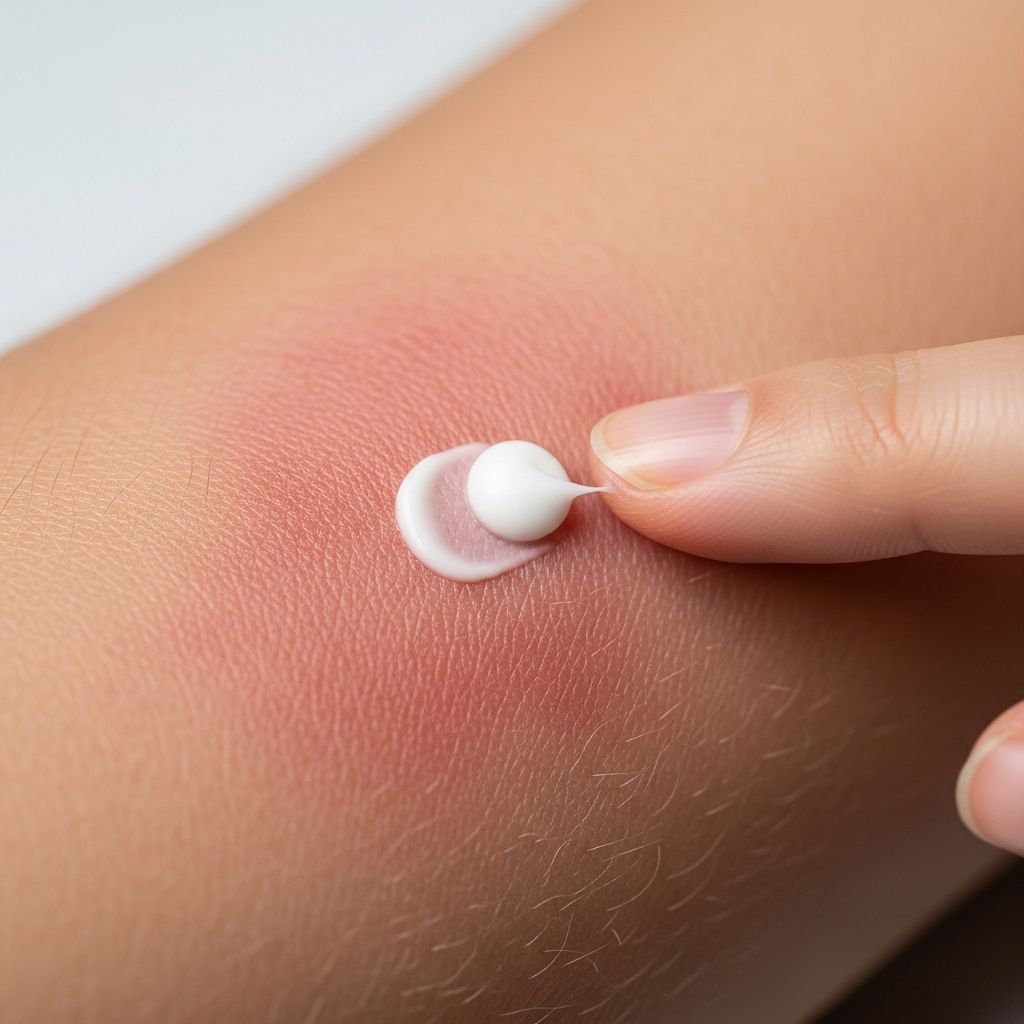
- Apply thinly: Use a small amount—about the size of a fingertip for a small patch—and spread evenly over inflamed skin. Massage gently until absorbed.
- Frequency: Apply 2-3 times daily, or as directed. Once daily often suffices for maintenance.
- Duration: Limit to 5 days in children and 7 days in adults unless specified otherwise. Stop once flare-up resolves (typically 7-14 days).
Related Stories



Combine with daily emollients to maintain skin barrier function and prevent recurrence. If using multiple topicals, clarify application order with a pharmacist. Do not cover with bandages unless advised, as this enhances absorption and risks.
For optimal results, apply after bathing when skin is moist. Monitor progress; if no improvement in 7 days or worsening occurs, seek medical review.
Can alclometasone cream cause problems?
Short courses (under 4 weeks) are generally safe when used as directed. Risks rise with prolonged, excessive, or widespread use, particularly in skin folds, face, or children.
Common side effects
| Side Effect | Description | Likelihood |
|---|---|---|
| Burning or stinging | Temporary sensation upon application | Common, passes quickly |
| Itching or dryness | Mild irritation at site | Common |
| Skin thinning (atrophy) | Visible wrinkling or transparency | Rare with short use; higher risk long-term |
| Stretch marks | Permanent lines, especially in folds | With overuse |
| Allergic reactions | Rash, swelling, redness | Uncommon |
Severe issues include folliculitis (inflamed follicles), acne-like bumps, hypertrichosis (excess hair), hypopigmentation, or secondary infections. Prolonged use may cause rebound flares: intense redness, burning, or peeling post-treatment, sometimes extending beyond treated areas (steroid withdrawal).
To minimize risks:
- Apply sparingly to affected areas only.
- Avoid eyes, mouth, and genitals unless directed.
- Do not exceed recommended duration.
- Continue moisturizing after stopping.
Report persistent or severe symptoms to a healthcare professional immediately.
How to store alclometasone cream
Store below 25°C in a cool, dry place away from direct sunlight and children. Do not use after expiry date. Discard unused portions after treatment course.
Frequently Asked Questions (FAQs)
Is alclometasone safe for children?
Yes, for ages 1+ but limit to 5 days max without advice. Higher absorption risks thinning; use minimally.
Can I use alclometasone on my face?
Avoid unless prescribed; facial skin thins easily, risking side effects like rosacea worsening.
What if symptoms return after stopping?
Consult doctor; may indicate rebound or need for different treatment. Restart only if advised.
Does alclometasone cure eczema?
No, it relieves flares; emollients prevent them.
Can pregnant women use it?
Only if essential; discuss risks with provider.
References
- Alclometasone for inflammatory skin conditions — Patient.info. 2023. https://patient.info/medicine/alclometasone-for-inflammatory-skin-conditions
- Alclometasone for Seborrheic Dermatitis — MySebDermTeam. 2024-05-15. https://www.mysebdermteam.com/treatments/alclometasone
- Alclometasone topical (Aclovate) – Uses, Side Effects — WebMD. 2025-01-10. https://www.webmd.com/drugs/2/drug-7910/alclometasone-topical/details
- Alclometasone dipropionate 0.05% w/w Cream PIL — Medicines.org.uk (MHRA). 2024-08-20. https://www.medicines.org.uk/emc/files/pil.11728.pdf
- Aclovate (Alclometasone dipropionate) Label — U.S. FDA. 2011-05-01 (authoritative original label). https://www.accessdata.fda.gov/drugsatfda_docs/label/2011/018707s012lbl.pdf
Similar Articles








Read full bio of medha deb