Alcohol and Heart Health: Separating Fact from Fiction
Uncover the truth about alcohol's impact on heart health and learn the latest evidence-based recommendations.
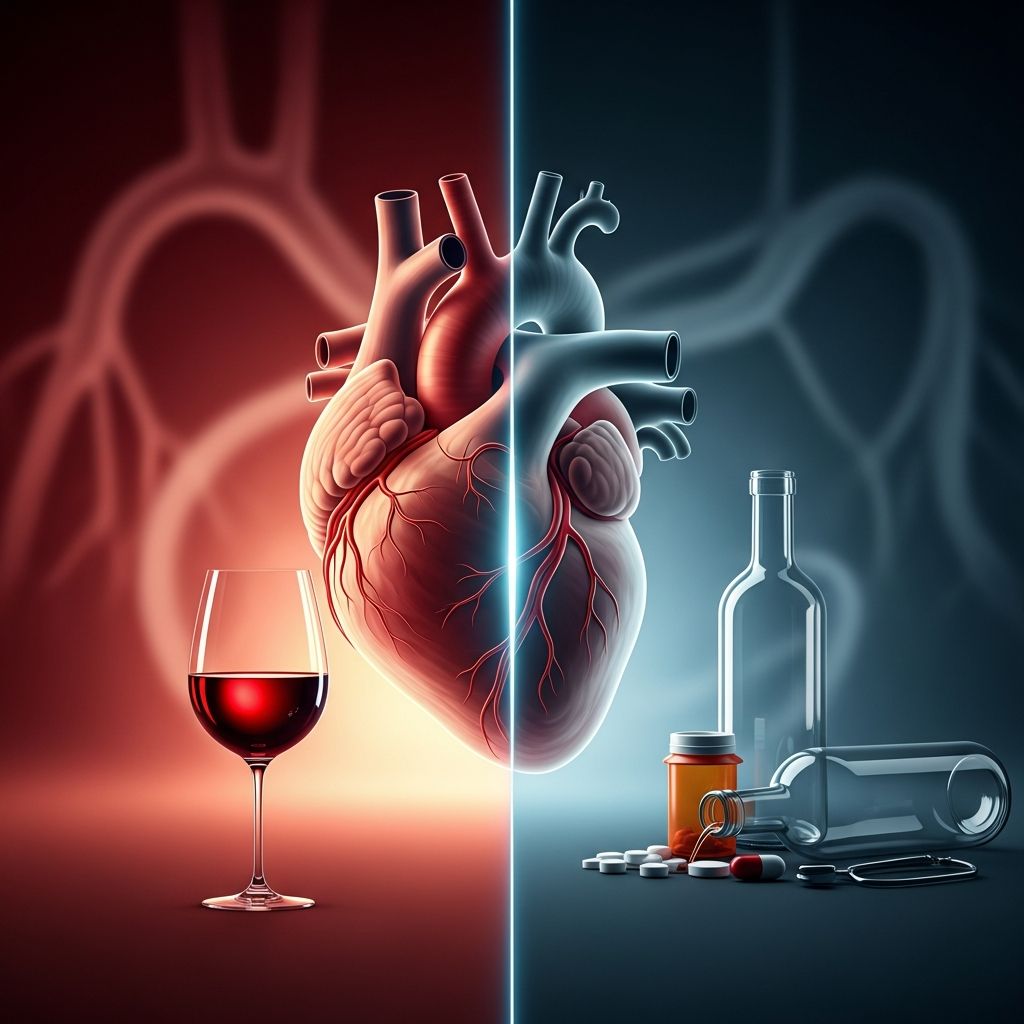
The relationship between alcohol and heart health is one of the most debated topics in modern medicine. For decades, headlines have touted the supposed benefits of moderate drinking, especially red wine, for heart health. Yet, recent research and expert guidance from leading health organizations have cast doubt on these claims. This article explores the latest evidence, separates fact from fiction, and provides clear recommendations for maintaining heart health.
Does Alcohol Help the Heart?
The idea that moderate alcohol consumption—especially red wine—can protect the heart has been popularized by observational studies and media coverage. These studies suggest that moderate drinkers may have a lower risk of heart disease compared to non-drinkers and heavy drinkers. However, the American Heart Association (AHA) and other leading health organizations emphasize that no research has definitively proven that alcohol itself causes these benefits.
- Some studies suggest that moderate alcohol intake may increase HDL (“good”) cholesterol and reduce the risk of coronary artery disease.
- Red wine contains antioxidants like flavonoids, which may have protective effects on blood vessels.
- However, these benefits are not unique to alcohol; similar effects can be achieved through a healthy diet rich in fruits, vegetables, and whole grains.
Harvard Medical School and Johns Hopkins Medicine caution that the supposed heart benefits of alcohol are not strong enough to recommend drinking for health reasons. In fact, the risks of alcohol often outweigh any potential benefits.
The Risks of Excessive Drinking
While moderate drinking may have some debated benefits, excessive alcohol consumption is unequivocally harmful to heart health. Heavy drinking is linked to a range of cardiovascular problems, including:
- High blood pressure: Alcohol can raise blood pressure, a major risk factor for heart disease and stroke.
- Cardiomyopathy: Chronic heavy drinking can weaken the heart muscle, leading to a condition called alcoholic cardiomyopathy.
- Cardiac arrhythmias: Excessive alcohol can cause abnormal heart rhythms, including atrial fibrillation, which increases the risk of stroke and heart failure.
- Increased triglycerides: Heavy drinking raises levels of triglycerides in the blood, which can contribute to fatty buildup in arteries.
- Obesity: Alcohol is calorie-dense and can contribute to weight gain, a risk factor for heart disease.
Binge drinking—defined as five or more drinks in two hours for men or four or more for women—can trigger acute cardiac events, including heart attacks and sudden cardiac death.
What Is Moderate Drinking?
Most health organizations define moderate drinking as:
- Up to one drink per day for women
- Up to two drinks per day for men
One standard drink is generally considered:
| Drink Type | Amount |
|---|---|
| Beer | 12 ounces |
| Wine | 5 ounces |
| Spirits | 1.5 ounces |
It’s important to note that “moderate” does not mean “safe” for everyone. Some people should avoid alcohol entirely, including those with certain medical conditions, a history of alcohol abuse, or those taking medications that interact with alcohol.
Related Stories



Alcohol and Other Health Risks
Beyond heart health, alcohol consumption is associated with a wide range of health risks:
- Cancer: Alcohol is a known carcinogen and increases the risk of several cancers, including breast, liver, and esophageal cancer.
- Liver disease: Chronic heavy drinking can lead to fatty liver, hepatitis, and cirrhosis.
- Mental health: Alcohol can worsen depression, anxiety, and other mental health conditions.
- Diabetes: Excessive drinking can disrupt blood sugar control, leading to both high and low blood sugar levels, especially in people with diabetes.
Who Should Avoid Alcohol?
Not everyone should drink alcohol, even in moderation. The following groups are advised to avoid alcohol entirely:
- People with a history of alcohol abuse or addiction
- Those with liver disease or pancreatitis
- Individuals taking medications that interact with alcohol
- Pregnant women
- People with certain heart conditions, such as cardiomyopathy or arrhythmias
- Those with a family history of alcohol-related health problems
Alternatives to Alcohol for Heart Health
There are many ways to support heart health without drinking alcohol:
- Eat a diet rich in fruits, vegetables, whole grains, and healthy fats
- Exercise regularly
- Maintain a healthy weight
- Avoid tobacco
- Manage stress
- Get regular check-ups and follow medical advice
Foods like grapes, berries, and nuts contain antioxidants similar to those found in red wine, but without the risks associated with alcohol.
Expert Recommendations
The American Heart Association and other leading health organizations provide the following guidance:
- Do not start drinking alcohol for the purpose of improving heart health.
- If you choose to drink, do so in moderation.
- Consider the risks and benefits carefully, especially if you have existing health conditions.
- Focus on proven strategies for heart disease prevention, such as a healthy diet, regular exercise, and not smoking.
Frequently Asked Questions (FAQs)
Q: Is red wine better for the heart than other types of alcohol?
A: Red wine contains antioxidants like flavonoids, which may have some protective effects on blood vessels. However, there is no strong evidence that red wine is better for heart health than other types of alcohol, and the risks of alcohol consumption apply to all forms.
Q: Can moderate drinking reduce the risk of heart disease?
A: Some studies suggest that moderate drinking may be associated with a lower risk of heart disease, but this does not prove that alcohol itself is the cause. The benefits may be due to other lifestyle factors common among moderate drinkers. The risks of alcohol often outweigh any potential benefits.
Q: What are the signs of alcohol-related heart problems?
A: Signs of alcohol-related heart problems include shortness of breath, fatigue, swelling in the legs, irregular heartbeat, and chest pain. If you experience these symptoms, seek medical attention.
Q: Is it safe to drink alcohol if I have high blood pressure?
A: Alcohol can raise blood pressure, so people with high blood pressure should limit or avoid alcohol. Always consult your healthcare provider for personalized advice.
Q: Can I drink alcohol if I have diabetes?
A: Alcohol can affect blood sugar levels and interact with diabetes medications. People with diabetes should be cautious with alcohol and consult their healthcare provider for guidance.
Conclusion
The relationship between alcohol and heart health is complex and often misunderstood. While moderate drinking may be associated with some heart benefits, the risks of alcohol—especially excessive drinking—far outweigh any potential advantages. The best approach to heart health is to focus on proven strategies like a healthy diet, regular exercise, and avoiding tobacco. If you choose to drink alcohol, do so in moderation and always consider your individual health risks.
References
- Alcohol and Heart Health: What You Need to Know — American Heart Association. 2023. https://www.heart.org/en/healthy-living/healthy-eating/eat-smart/nutrition-basics/alcohol-and-heart-health
- Alcohol and Ideal Cardiovascular Health: The Multi-Ethnic Study — Ogunmoroti et al., Circulation: Cardiovascular Quality and Outcomes. 2018. https://www.ncbi.nlm.nih.gov/pmc/articles/PMC6357768/
- Alcohol and Heart Health: Separating Fact from Fiction — Johns Hopkins Medicine. 2023. https://www.hopkinsmedicine.org/health/wellness-and-prevention/alcohol-and-heart-health-separating-fact-from-fiction
Similar Articles








Read full bio of Sneha Tete