Does Alcohol Cause Inflammation? What You Need To Know
Uncover the complex link between alcohol consumption and inflammation: moderate amounts may reduce it, while excess triggers chronic issues.

Alcohol’s relationship with inflammation is not straightforward. Research reveals a
J-shaped curve
: moderate consumption may lower inflammation markers, while heavy drinking promotes systemic inflammation, gut damage, and chronic diseases.What Is Inflammation?
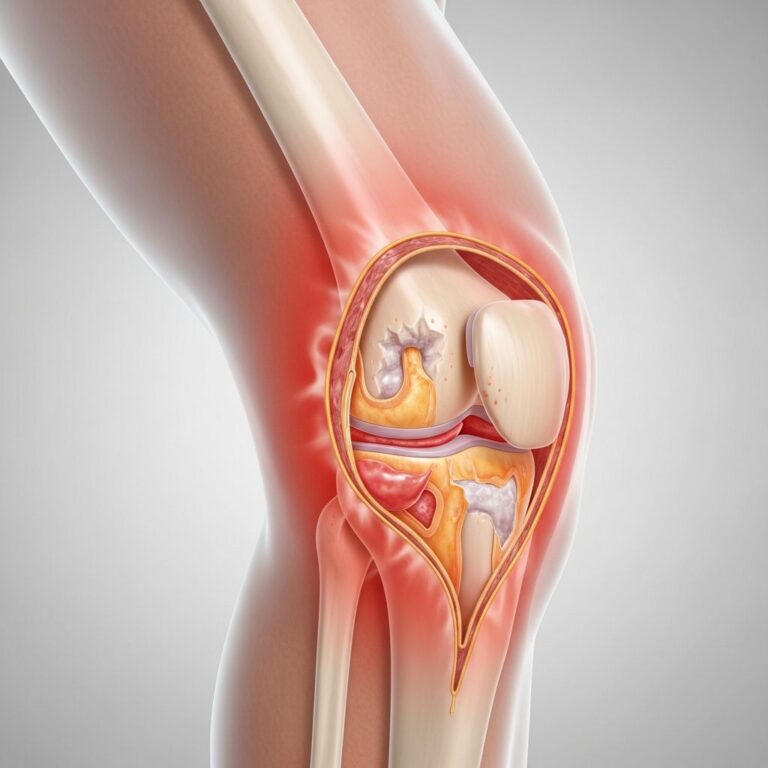
Inflammation is the body’s natural defense mechanism against injury, infection, or toxins. Acute inflammation is short-term and protective, but
chronic inflammation
persists, contributing to diseases like heart disease, diabetes, arthritis, and cancer. Key markers include C-reactive protein (CRP), cytokines, and adhesion molecules.Alcohol influences this process through metabolism, gut effects, and immune modulation. Light drinkers often show lower CRP levels than abstainers or heavy drinkers, suggesting potential anti-inflammatory effects at low doses.
Alcohol’s Effect on Inflammation: The J-Shaped Curve
The association between alcohol and inflammation follows a
J-shaped curve
. Low to moderate intake (about 0.5 drinks per day) correlates with reduced inflammation and mortality risk, while higher amounts increase both.- Light drinking (≤1 drink/day): Decreases inflammation markers like CRP by up to 21% compared to abstainers.
- Moderate drinking (1-2 drinks/day): Continues benefits, especially with wine due to polyphenols.
- Heavy drinking (≥3 drinks/day): Elevates inflammation, damages organs, and worsens chronic conditions.
This pattern holds across studies, though factors like age, sex, genetics, and beverage type modify effects. Abstainers may include ‘sick quitters’ with pre-existing inflammation, skewing comparisons.
How Does Alcohol Cause Inflammation?
Heavy alcohol consumption triggers inflammation via multiple pathways, primarily in the gut and liver.
Gut Microbiome Disruption
Alcohol alters intestinal microbiota (dysbiosis), promoting bacterial overgrowth and endotoxin production. These endotoxins leak into the bloodstream, activating immune responses and causing systemic inflammation.
- Alcohol metabolism in the gut produces
acetaldehyde
, a toxic byproduct that damages gut lining and kills protective bacteria. - Dysbiosis increases proinflammatory metabolites, exacerbating leaky gut syndrome.
Leaky Gut and Endotoxin Translocation
Chronic alcohol increases intestinal permeability, allowing bacteria and toxins to enter circulation. This leads to liver inflammation (alcoholic steatohepatitis), brain fog, and multi-organ damage.
Studies show probiotics can mitigate this by restoring microbiota balance and reducing liver injury.
Immune System Dysregulation
Alcohol suppresses innate immunity initially, increasing pathogen susceptibility, then triggers excessive cytokine release from leukocytes and mast cells.
- In the liver, pancreas, brain, and kidneys, localized inflammation occurs.
- Systemic effects include elevated CRP and fibrinogen.
Oxidative Stress
Alcohol generates reactive oxygen species (ROS), depleting antioxidants like glutathione (GSH). Excess acetaldehyde overwhelms defenses, damaging cells and promoting inflammation.
Does the Type of Alcohol Matter?
Beverage type influences outcomes:
| Beverage | Low Intake Effect on Inflammation | Notes |
|---|---|---|
| Wine (especially red) | Decreases | Polyphenols like resveratrol provide anti-inflammatory, antioxidant benefits. Best for those with cardiovascular risk. |
| Beer | Neutral | No significant effect at low doses. |
| Liquor | Increases | Pro-inflammatory regardless of amount. |
Opt for organic wines to avoid sulfites. Polyphenols improve cholesterol, insulin sensitivity, and endothelial function more than ethanol alone.
Related Stories



Alcohol and Chronic Conditions
Heavy drinking worsens obesity, diabetes, and heart disease by amplifying inflammation.
- Cardiovascular disease: Red wine polyphenols benefit genetically predisposed individuals by lowering inflammation and rebalancing cholesterol.
- Liver disease: Gut-derived endotoxins drive progression to cirrhosis.
- Neurological issues: Brain inflammation from translocated toxins contributes to cognitive decline.
- Cancers and IBD: Intestinal inflammation increases risk.
Obese or chronically ill individuals face higher risks, as alcohol depletes immune reserves and damages organs.
Moderation: Finding the Sweet Spot
What constitutes moderate drinking? Guidelines suggest ≤1 drink/day for women, ≤2 for men, but individual factors matter.
- Benefits peak at 0.5 drinks/day.
- Monitor via CRP levels; moderate drinkers show 13-21% reductions.
- Mechanisms: Increased HDL, adiponectin; improved insulin sensitivity.
However, no level is risk-free. Genetics, medications, and conditions like pregnancy contraindicate alcohol.
Alternatives to Reduce Inflammation
To mimic benefits without risks:
- Polyphenol-rich foods: Berries, grapes, dark chocolate, green tea.
- Probiotics/prebiotics: Yogurt, kefir, fiber-rich veggies to support gut health.
- Anti-inflammatory diet: Mediterranean-style with omega-3s (fish, nuts).
- Lifestyle: Exercise, sleep, stress management lower CRP naturally.
Frequently Asked Questions (FAQs)
What is the ideal amount of alcohol to avoid inflammation?
Light drinking (0.5-1 drink/day) may lower inflammation markers like CRP, but heavy intake increases risks. Individual factors vary.
Is red wine healthier than other alcohols?
Yes, due to anti-inflammatory polyphenols. It outperforms beer (neutral) and liquor (pro-inflammatory).
Can alcohol damage the gut microbiome?
Chronic use causes dysbiosis, leaky gut, and endotoxin release, leading to systemic inflammation.
Who benefits most from moderate alcohol?
Those with cardiovascular genetic risks see greater polyphenol benefits. Healthy individuals gain less.
Is abstinence better than moderate drinking?
For many, yes—especially with health issues. Moderate wine may offer benefits, but non-alcoholic alternatives exist.
Key Takeaways
- Alcohol-inflammation link is dose-dependent: low = potential benefit, high = harm.
- Gut health is central; protect it with moderation or abstinence.
- Choose wisely: wine > beer > liquor.
- Consult professionals for personalized advice.
References
- Sipping Smart: The Impact of Alcohol on Inflammation — The Paleo Diet. 2023. https://thepaleodiet.com/sipping-smart-the-impact-of-alcohol-on-inflammation/
- Alcohol and Gut-Derived Inflammation — National Institutes of Health (PMC). 2017-06-15. https://pmc.ncbi.nlm.nih.gov/articles/PMC5513683/
- Does a bit of alcohol turn off inflammation and improve health? — Oxford Academic (Age and Ageing). 2016-11-01. https://academic.oup.com/ageing/article/45/6/747/2499235
Similar Articles








Read full bio of medha deb