Alcohol-Based Mouthwash Disrupts Oral Bacteria
New research reveals how daily use of alcohol mouthwash like Listerine alters oral microbiome, boosting harmful bacteria linked to gum disease and cancer.
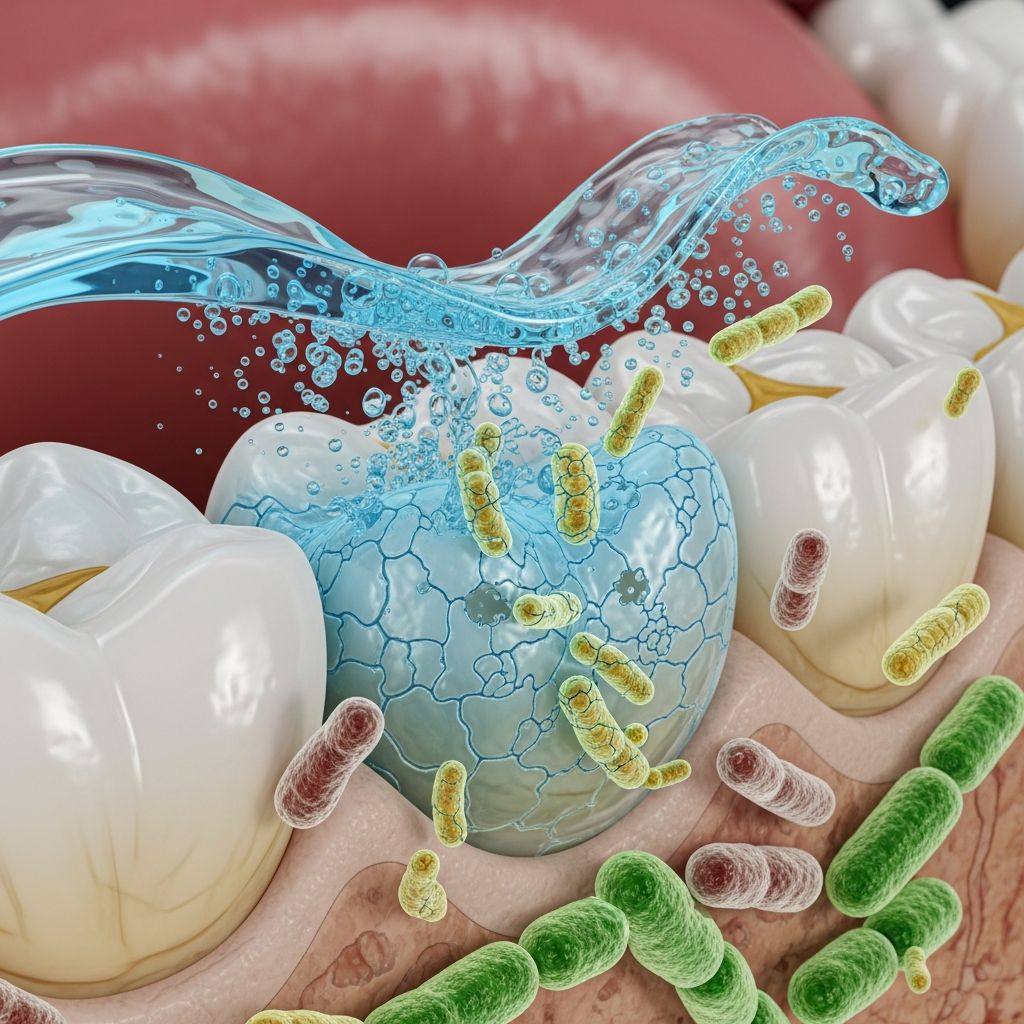
Recent research published in the Journal of Medical Microbiology reveals that daily use of a popular alcohol-based mouthwash, such as Listerine Cool Mint, significantly alters the oral microbiome, promoting the growth of opportunistic bacteria linked to gum disease and certain cancers while reducing beneficial species.
What Is the Oral Microbiome?
The
oral microbiome
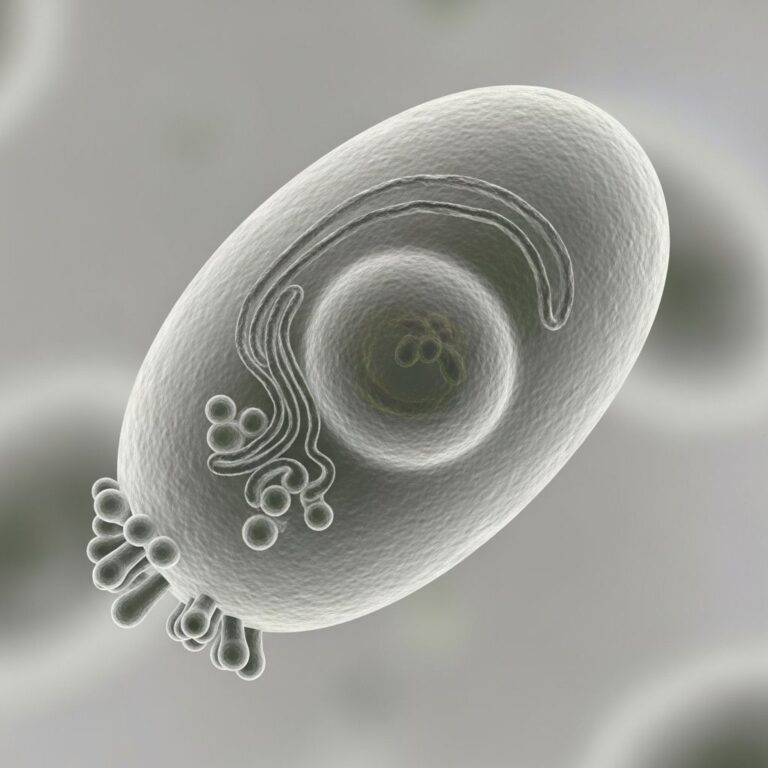
refers to the diverse community of bacteria, viruses, fungi, and other microorganisms residing in the mouth. This ecosystem plays a crucial role in digestion, immune defense, and maintaining oral health by preventing overgrowth of harmful pathogens.Comprising over 700 species, the oral microbiome thrives in various niches like the tongue, gums, teeth, and saliva. Beneficial bacteria, such as certain Actinobacteria, help regulate blood pressure by converting nitrates to nitric oxide, a vasodilator that supports cardiovascular health. Disruptions, known as dysbiosis, can lead to conditions like periodontitis, cavities, and even systemic diseases.
Key Findings from the Study
A follow-up analysis from a trial at the Institute of Tropical Medicine in Antwerp, Belgium, examined 43 men who used alcohol-based Listerine Cool Mint mouthwash daily for three months, followed by a switch to alcohol-free mouthwash or vice versa. Researchers collected swabs from the tonsillar pillars and posterior oropharynx to analyze bacterial composition.
- Significant increase in Fusobacterium nucleatum, a bacterium associated with gum disease (periodontitis), esophageal cancer, and colorectal cancer.
- Elevated levels of Streptococcus anginosus, another opportunistic pathogen linked to similar conditions.
- Decreased abundance of Actinobacteria phylum, which includes nitrate-reducing species vital for blood pressure regulation.
These shifts persisted after three months of use, indicating long-term impacts on microbial balance. The study, published June 5, 2024, underscores that alcohol indiscriminately kills both good and bad bacteria, allowing opportunistic species to proliferate.
Health Risks Associated with Microbiome Changes
Alterations in the oral microbiome from alcohol-based mouthwashes may elevate risks for several conditions:
| Bacterium | Associated Risks | Source |
|---|---|---|
| Fusobacterium nucleatum | Gum disease, esophageal cancer, colorectal cancer | |
| Streptococcus anginosus | Periodontal disease, systemic infections | |
| Reduced Actinobacteria | Impaired blood pressure regulation, cardiovascular issues |
While mouthwash alone does not cause cancer, experts like Dr. Eric Ascher note it may contribute in high-risk individuals, such as smokers or heavy drinkers. Heavy alcohol exposure in the mouth can also raise acetaldehyde levels, a carcinogen linked to oral cancer.
How Alcohol-Based Mouthwashes Work
Alcohol (ethanol) in mouthwashes like Listerine acts as a broad-spectrum antimicrobial, penetrating cell membranes to kill bacteria rapidly. However, this non-selective action wipes out commensal bacteria, creating an imbalance.
Common side effects include dry mouth (xerostomia), burning sensation, altered taste, and tooth staining with prolonged use. Those with dry mouth or sensitivity should opt for alcohol-free formulas, which maintain a healthier bacterial balance without total eradication.
Alcohol-Free Mouthwash: A Safer Alternative?
Switching to alcohol-free mouthwashes in the study reversed some microbial shifts, though not fully. These products use ingredients like cetylpyridinium chloride or essential oils to target pathogens selectively, preserving beneficial flora.
Related Stories



- Benefits: Reduced dysbiosis, no drying effect, suitable for children, pregnant individuals, and alcohol-sensitive users.
- Drawbacks: May be less effective against heavy plaque; requires consistent use.
Experts recommend alcohol-free options for daily hygiene, especially long-term.
Expert Opinions and Recommendations
“Alcohol-based mouthwashes are widely available. The public may use them daily to tackle bad breath or prevent periodontitis, but they should be aware of the potential implications. Ideally, long-term usage should be guided by healthcare professionals.” — Dr. Jolein Laumen, lead researcher.
“We found that Listerine Cool Mint had an adverse effect on some beneficial bacteria… decreases the abundance of the phylum Actinobacteria.” — Professor Chris Kenyon.
Dentists advise using mouthwash as an adjunct to brushing and flossing, not a replacement. For gum disease prevention, professional guidance is key.
Study Limitations
While compelling, the research has constraints:
- Small sample (43 participants), all men who have sex with men; results may not generalize.
- No data on diet, smoking, or full-mouth swabs (limited to tonsils/oropharynx).
- Self-reported adherence not verified.
- No second methodology to confirm changes.
Larger, diverse trials are needed to assess clinical outcomes.
Frequently Asked Questions (FAQs)
Does alcohol-based mouthwash cause cancer?
No direct causation, but it may contribute by promoting harmful bacteria and raising acetaldehyde in high-risk users like smokers. Use moderately.
Should I stop using mouthwash?
Not necessarily; short-term use is fine. Consult a dentist for long-term routines, especially if prone to dry mouth or gum issues.
Are alcohol-free mouthwashes effective?
Yes, they reduce plaque and gingivitis while preserving healthy bacteria. Ideal for daily use.
How often should I use mouthwash?
Twice daily after brushing, but prioritize alcohol-free for ongoing hygiene.
Can mouthwash replace brushing?
No, it complements brushing and flossing but cannot remove plaque mechanically.
Practical Tips for Oral Health
- Brush twice daily with fluoride toothpaste.
- Floss daily to remove interdental plaque.
- Use alcohol-free mouthwash post-meals.
- Visit dentist biannually for cleanings.
- Limit alcohol and tobacco to protect microbiome.
Maintaining balance in the oral microbiome supports not just dental health but overall wellness. While alcohol-based mouthwashes offer quick relief for bad breath, emerging evidence favors gentler alternatives.
References
- Commonly used alcohol-based mouthwash brand disrupts the balance of your oral microbiome, scientists say — Microbiology Society. 2024-06-05. https://microbiologysociety.org/news/press-releases/commonly-used-alcohol-based-mouthwash-brand-disrupts-the-balance-of-your-oral-microbiome-scientists-say.html
- Alcohol-based mouthwash may disrupt oral microbiome leading to gum disease and certain cancers — Medical News Today. 2024-06-07. https://www.medicalnewstoday.com/articles/alcohol-based-mouthwash-may-disrupt-oral-microbiome-leading-to-gum-disease-and-certain-cancers
- Mouthwash Effects on the Oral Microbiome: Are They Good, Bad, or Both? — PMC (PubMed Central, peer-reviewed). 2023-11-20. https://pmc.ncbi.nlm.nih.gov/articles/PMC10690560/
- Does mouthwash kill the mouth’s healthy bacteria? — Ohio State University Wexner Medical Center (.edu). 2024. https://health.osu.edu/health/dental-health/does-mouthwash-kill-the-mouths-healthy-bacteria
Similar Articles








Read full bio of Sneha Tete