Alcohol And Diabetes: 5 Practical Safe-Drinking Tips
Understand how alcohol impacts blood sugar control, heightens hypoglycemia dangers, and worsens complications for people with diabetes.
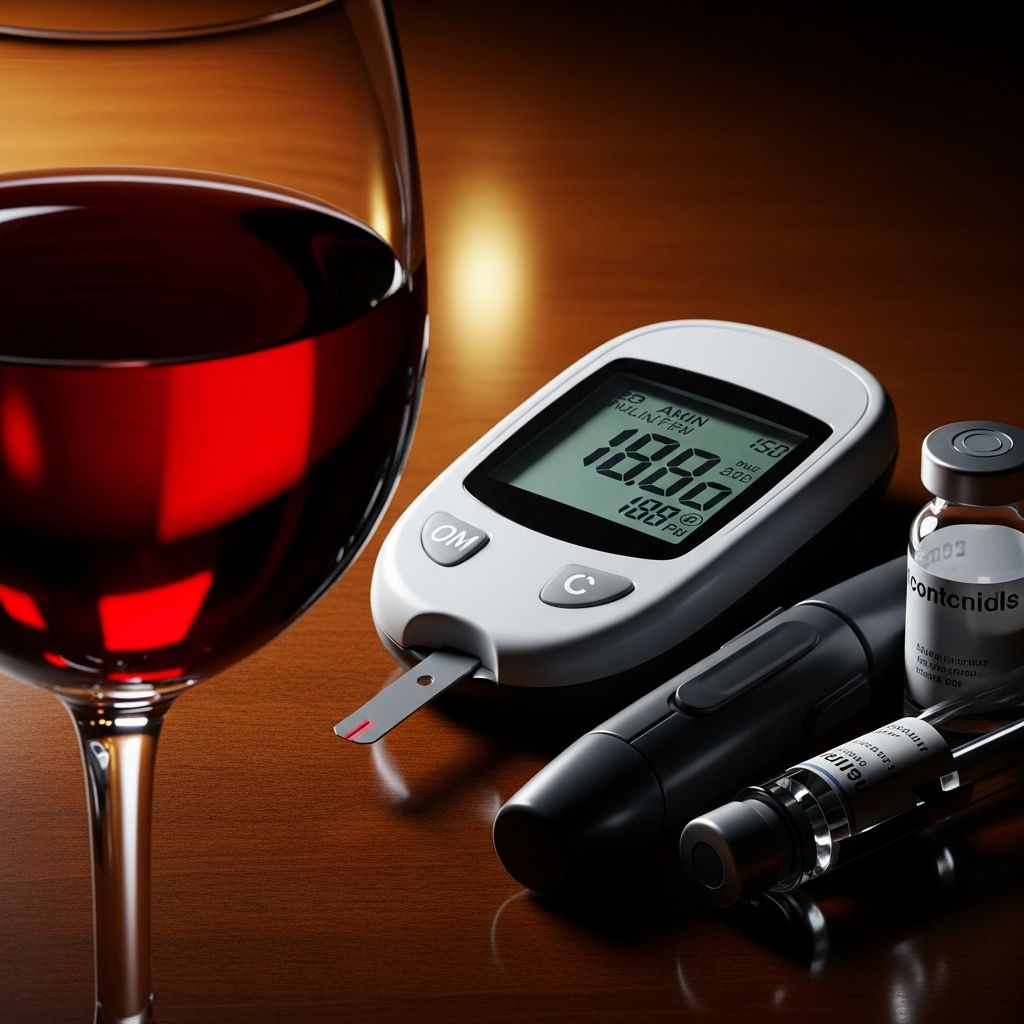
People living with diabetes must carefully manage their blood sugar levels, and alcohol introduces unique challenges to this balance. While moderate intake may offer some benefits in general populations, it poses significant risks for those with diabetes, including sudden drops in glucose, impaired recovery from lows, and exacerbation of chronic complications.
The Physiological Impact of Alcohol on Blood Glucose
Alcohol affects the liver’s primary functions, which include glucose production and toxin detoxification. When alcohol is present, the liver prioritizes metabolizing it over releasing stored glucose, potentially leading to hypoglycemia, especially in individuals on insulin or sulfonylureas.
This effect is amplified if alcohol is consumed without food, as the absence of carbohydrates fails to counter the suppressive action on gluconeogenesis. Research shows that even moderate amounts can delay glucose recovery post-hypoglycemia, impairing counter-regulatory hormones like growth hormone and cortisol.
Hypoglycemia: The Primary Concern
**Hypoglycemia**, or dangerously low blood sugar, stands as the most immediate threat. Symptoms such as shakiness, confusion, and sweating may be masked by alcohol’s intoxicating effects, delaying recognition and treatment.
- Alcohol inhibits the liver’s glucose output for up to 24 hours after consumption.
- Type 1 diabetes patients face heightened vulnerability due to reliance on exogenous insulin.
- Delayed recovery from lows increases severe episode risks, potentially causing neurological damage like disorientation or memory impairment.
In severe cases, untreated hypoglycemia can progress to coma or death, particularly when combined with poor nutrition or illness.
Long-Term Effects on Diabetes Management
Chronic alcohol use disrupts glycemic control in distinct ways depending on nutritional status. In well-nourished individuals with type 2 diabetes, it elevates HbA1c levels, indicating sustained hyperglycemia.
Conversely, malnourished diabetics experience hypoglycemia from prolonged intake. Heavy drinking (over 12 standard drinks daily) triggers hypertriglyceridemia, elevating cardiovascular risks, and ketoacidosis, where acidic ketones accumulate, mimicking diabetic ketoacidosis symptoms like nausea and rapid breathing.
| Condition | Trigger | Consequences |
|---|---|---|
| Hypoglycemia | Moderate to heavy intake, empty stomach | Low glucose, masked symptoms, delayed recovery |
| Hyperglycemia | Chronic use in nourished diabetics | Elevated HbA1c, poor control |
| Ketoacidosis | Heavy binge (>16 drinks/day) | Acid buildup, organ stress |
| Hypertriglyceridemia | 12 drinks/day | Pancreatitis risk, CVD |
Alcohol’s Role in Diabetes Complications
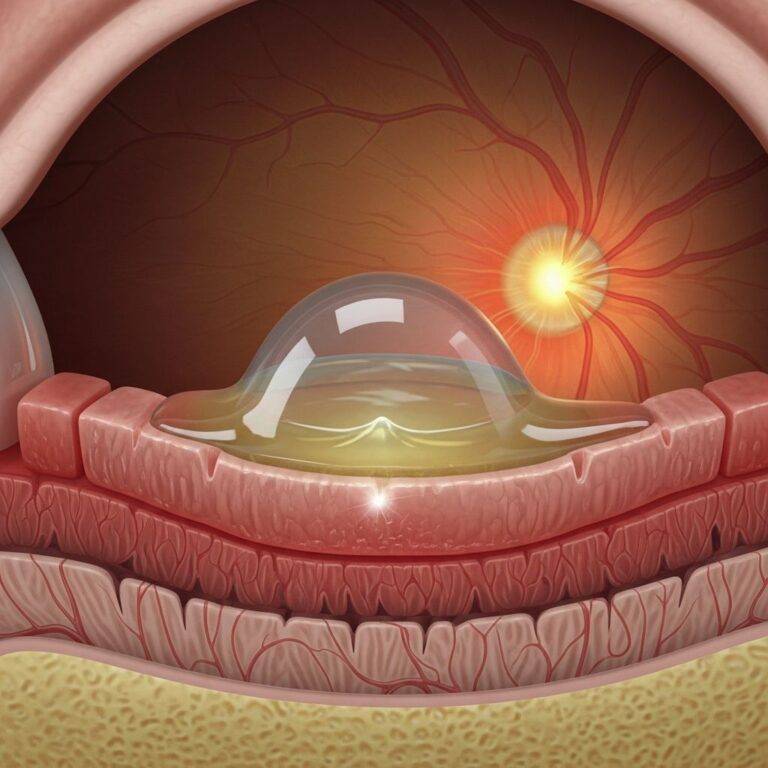
Beyond blood sugar, alcohol aggravates diabetes-related issues. It worsens neuropathy, retinopathy, and lipid imbalances, contributing to nerve damage, vision loss, and fat metabolism disturbances.
Heavy consumption links to increased type 2 diabetes onset risk via insulin resistance, weight gain, and elevated triglycerides or blood pressure.
In middle-aged adults, excessive intake impairs liver and pancreas function, raising fasting glucose and insulin resistance, as shown in recent studies comparing heavy drinkers to light users.
Cardiovascular and Neurological Risks
Diabetes already heightens heart disease odds, and alcohol amplifies this through hypertension, dyslipidemia, and inflammation. Hypertriglyceridemia from heavy drinking promotes pancreatitis, further hindering insulin production.
Related Stories



Neurologically, repeated hypoglycemia episodes from alcohol can cause permanent impairments, with cases documenting incontinence and cognitive deficits.
Safe Drinking Guidelines for Diabetics
While total abstinence offers the safest path, limited intake may be manageable with precautions. The American Diabetes Association advises against mixing alcohol with fasting states or high-risk medications.
- Limit to 1 drink/day for women, 2 for men.
- Always pair with food containing carbs and protein.
- Monitor blood glucose before, during, and 24 hours after drinking.
- Choose low-carb options like dry wine or light beer; avoid sugary mixers.
- Carry fast-acting glucose and inform companions of hypo risks.
Standard drink equivalents: 12 oz beer (5% ABV), 5 oz wine (12% ABV), 1.5 oz spirits (40% ABV).
Types of Alcohol and Their Effects
Not all beverages impact diabetes equally. Sugary cocktails spike glucose initially before crashing, while distilled spirits pose pure hypo risks without carbs.
| Beverage Type | Carb Content | Diabetes Impact |
|---|---|---|
| Dry Wine | Low (<4g/glass) | Moderate risk if monitored |
| Light Beer | Low-moderate (3-10g) | Provides some buffer carbs |
| Sugary Cocktails | High (20+g) | Initial spike, later hypo |
| Spirits (neat) | None | High hypo risk |
Special Considerations for Type 1 vs. Type 2
Type 1 diabetics face acute hypo dangers due to absolute insulin dependence, with alcohol blunting recovery mechanisms.
Type 2 patients risk both hypo (from meds) and chronic hyperglycemia, plus progression to complications like retinopathy.
Interactions with Diabetes Medications
Insulin and sulfonylureas synergize with alcohol for hypoglycemia. Metformin users may experience amplified GI distress or lactic acidosis rarely.
DPP-4 inhibitors or GLP-1 agonists have fewer interactions but still warrant monitoring.
Moderation vs. Abstinence: Weighing Evidence
Occasional moderate drinking rarely disrupts control and may confer cardiovascular benefits in non-diabetics, but regular intake (2-4 drinks/day) impairs management and raises impotence, neuropathy risks.
Heavy use unequivocally harms, increasing non-cardiovascular mortality. Recent data underscores aged populations’ vulnerability to glucose dysregulation from excess.
FAQs
Can diabetics drink alcohol at all?
Yes, in strict moderation with food and monitoring, but risks often outweigh benefits.
How long does alcohol affect blood sugar?
Up to 24 hours, with peak hypo risk 6-36 hours post-consumption.
Is red wine safer for diabetics?
Its low carbs and antioxidants help, but any alcohol carries risks; limit strictly.
What if I feel hypo symptoms after drinking?
Treat with 15g fast carbs, recheck in 15 min, seek emergency if unresponsive.
Does alcohol cause diabetes?
Heavy use increases type 2 risk via metabolic disruption, but not directly causal.
Strategies for Harm Reduction
- Plan ahead: Check glucose, eat balanced meal.
- Hydrate extensively to counter dehydration.
- Avoid driving; alcohol plus hypo impairs judgment.
- Consult healthcare provider for personalized limits.
- Track patterns in a log to identify triggers.
Education empowers better choices. Support groups and apps aid adherence.
References
- Consequences of Alcohol Use in Diabetics — National Institute on Alcohol Abuse and Alcoholism (NIAAA), via PMC – NIH. 2019-09-01. https://pmc.ncbi.nlm.nih.gov/articles/PMC6761899/
- Alcohol’s Effects on the Body — National Institute on Alcohol Abuse and Alcoholism (NIAAA). 2023-10-15. https://www.niaaa.nih.gov/alcohols-effects-health/alcohols-effects-body
- Can I Drink Alcohol If I Have Diabetes? — GoodRx Health. 2024-05-20. https://www.goodrx.com/conditions/diabetes-type-2/is-it-safe-to-drink-alcohol-diabetes
- Heavy Alcohol Use May Increase Type 2 Diabetes Risk in Middle-Aged Adults — American Physiological Society. 2024-04-05. https://www.physiology.org/detail/news/2024/04/05/heavy-alcohol-use-may-increase-type-2-diabetes-risk-in-middle-aged-adults
- Can Alcohol Use Cause Diabetes? — American Addiction Centers. 2023-11-10. https://americanaddictioncenters.org/alcohol/risks-effects-dangers/diabetes
- Alcohol and Diabetes — Drinkaware. 2024-01-12. https://www.drinkaware.co.uk/facts/health-effects-of-alcohol/alcohol-related-diseases-and-illnesses/alcohol-and-diabetes
- Alcohol and Diabetes — American Diabetes Association (ADA). 2024-06-01. https://diabetes.org/health-wellness/alcohol-and-diabetes
Similar Articles








Read full bio of Sneha Tete