Alcohol-Induced Liver Disease: Causes, Symptoms, and Treatment
Comprehensive overview of alcohol-induced liver disease: its symptoms, progression, and effective treatment options.
Understanding Alcohol-Induced Liver Disease
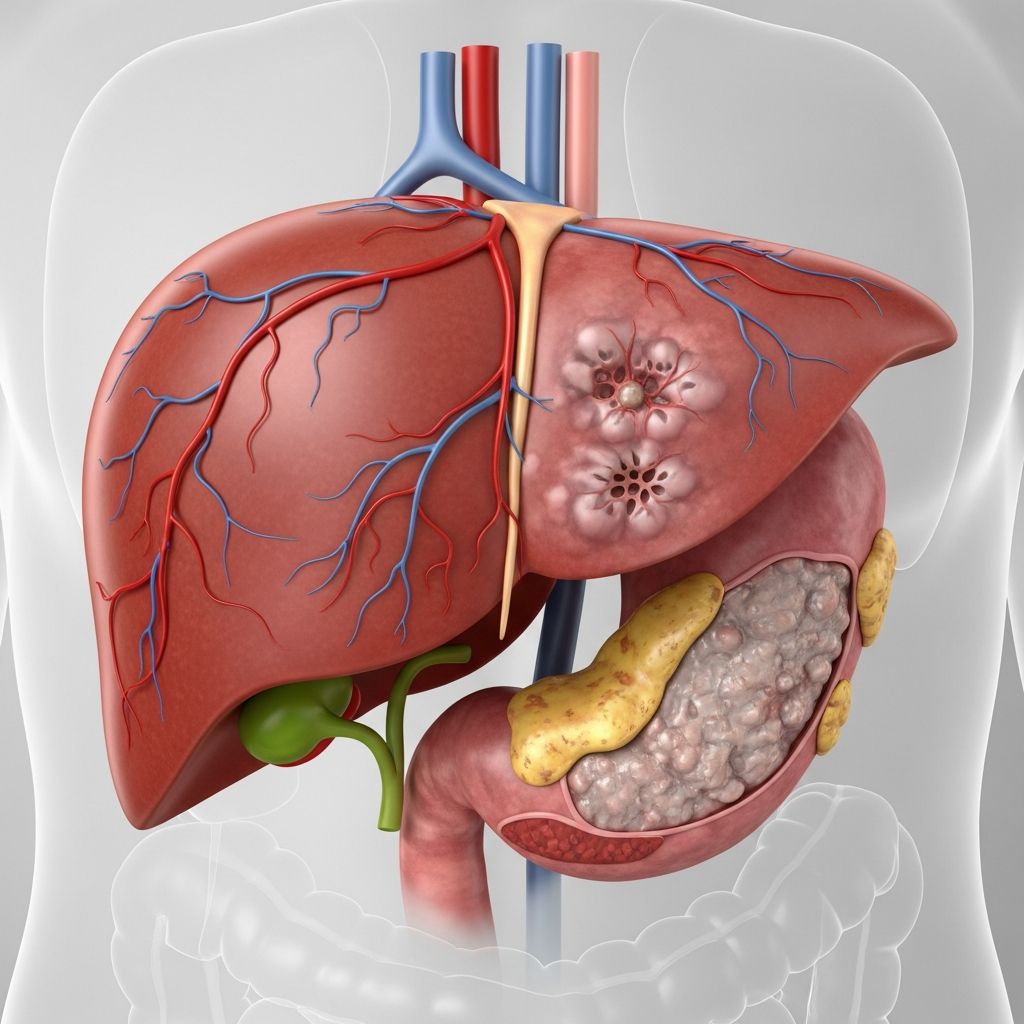
Alcohol-induced liver disease (ALD) is a serious medical condition caused by prolonged and excessive alcohol consumption that affects liver health and function. It encompasses a range of liver disorders that range from reversible fatty liver to severe and sometimes fatal liver damage such as alcoholic hepatitis and cirrhosis. This article will explore the causes, symptoms, stages, diagnosis, and treatment options for ALD.
What is Alcohol-Induced Liver Disease?
Alcoholic liver disease represents damage to the liver related to heavy alcohol use over time. The liver is tasked with breaking down toxins, including alcohol, but excessive intake overwhelms its capacity, causing gradual toxic and inflammatory damage.
ALD develops through these progressive stages:
- Fatty liver (steatosis): The earliest and most common form of alcohol-related liver damage is characterized by fat accumulation inside liver cells. This stage is typically reversible if alcohol use is stopped.
- Alcoholic hepatitis: This stage involves inflammation and swelling of the liver due to ongoing damage. It can cause symptoms such as jaundice and abdominal pain, and can be life-threatening if not treated.
- Alcoholic cirrhosis: Represents long-term, irreversible scarring (fibrosis) of the liver. Cirrhosis severely impairs liver function and can lead to liver failure and other serious complications.
Causes and Risk Factors
The main cause of ALD is chronic and heavy alcohol consumption. When the liver metabolizes alcohol, toxic substances are produced that damage liver cells and trigger inflammation. Ongoing exposure to alcohol worsens this damage.
Additional factors that may increase risk or accelerate liver damage include:
- Cigarette smoking
- Obesity and poor nutrition
- Genetic predispositions
- Co-existing liver infections such as hepatitis C
- Use of medications toxic to the liver, especially acetaminophen with alcohol
Symptoms of Alcohol-Induced Liver Disease
In early stages, especially fatty liver, symptoms may be absent or very mild. As liver damage advances, symptoms become more obvious and serious.
Symptoms by Stage
| Stage | Common Symptoms |
|---|---|
| Fatty Liver (Steatosis) | Often asymptomatic; possible fatigue or discomfort in the upper right abdomen |
| Alcoholic Hepatitis |
|
| Alcoholic Cirrhosis |
|
Diagnosis
Diagnosing ALD involves a combination of clinical history, physical examination, laboratory tests, and imaging studies:
- History: Assessment of alcohol consumption patterns, duration, and associated symptoms.
- Physical signs: Enlarged or hardened liver, jaundice, ascites, or signs of portal hypertension like varices.
- Laboratory tests: Elevated liver enzymes (AST, ALT), bilirubin, prolonged clotting times (prothrombin time), and reduced albumin levels indicate liver dysfunction.
- Imaging: Ultrasound or other imaging can detect an enlarged fatty liver, cirrhosis nodularity, or ascites.
Prognostic tools like Maddrey’s Discriminant Function score may be used to estimate severity and guide therapy in alcoholic hepatitis.
Treatment Approaches
The cornerstone of treatment for alcohol-induced liver disease is complete abstinence from alcohol. Abstaining from alcohol can stop progression and in early stages may allow liver recovery. More advanced damage such as cirrhosis is often irreversible but abstinence slows further decline and complications.
Related Stories



Alcohol Abstinence and Support
- Permanent stopping of alcohol intake is essential, especially in alcoholic hepatitis and cirrhosis.
- Given that 70% of people with ALD also have alcohol dependence, medical and psychological support is often required to help abstain.
- Withdrawal may require supervised detoxification using benzodiazepines and close monitoring to prevent complications.
- Psychological therapies such as cognitive behavioral therapy (CBT) and support groups (e.g., Alcoholics Anonymous) are important to prevent relapse.
- Medications like acamprosate, disulfiram, or naltrexone may be prescribed to reduce cravings and support abstinence.
Medical Treatment of Liver Disease
- Nutritional support: Malnutrition is common in ALD; a balanced diet and vitamin supplementation help support liver health.
- Corticosteroids: Sometimes used in severe alcoholic hepatitis to reduce inflammation, though their use is carefully considered due to side effects.
- Other medications: Their benefits remain controversial and limited, though specific treatments for complications are essential.
- Liver transplantation: Considered in end-stage cirrhosis and when abstinence is maintained, transplantation can be lifesaving.
Complications of Alcohol-Induced Liver Disease
Complications arise mainly from advanced liver damage and include:
- Portal hypertension: Increased pressure in the portal vein causing varices and ascites.
- Hepatic encephalopathy: Cognitive impairments resulting from toxin buildup due to liver failure.
- Coagulopathy: Increased bleeding risk due to poor clotting factor production.
- Liver cancer (hepatocellular carcinoma): Risk increases with cirrhosis.
- Multi-organ failure: In severe alcoholic hepatitis, failure of other organs may occur.
Prevention and Ongoing Care
Preventing ALD depends on moderating or abstaining from alcohol consumption. Ongoing care includes:
- Regular monitoring for liver function and complications.
- Support for sustained alcohol abstinence through counseling and medication.
- Healthy lifestyle changes, including balanced diet and avoiding other liver toxins.
- Early treatment and evaluation if symptoms arise to prevent progression.
Frequently Asked Questions (FAQs)
Q: Can fatty liver disease caused by alcohol be reversed?
A: Yes, fatty liver disease (steatosis) caused by alcohol is usually reversible if alcohol consumption is stopped early enough.
Q: Is alcoholic hepatitis curable?
A: Alcoholic hepatitis can improve significantly and potentially be reversed, especially with abstinence from alcohol and medical treatment, but severe cases may be life-threatening.
Q: What is the prognosis for alcoholic cirrhosis?
A: Cirrhosis involves irreversible liver scarring. Abstinence can slow progression and reduce complications, but cirrhosis can eventually lead to liver failure and requires close medical management and possibly transplantation.
Q: Are there medications to treat alcohol-induced liver disease?
A: Some medications, like corticosteroids, can help reduce inflammation in alcoholic hepatitis. Medications to support alcohol abstinence are important, but direct drug treatments for liver injury have limited evidence.
Q: How important is nutrition for ALD patients?
A: Nutrition support is very important because many ALD patients suffer malnutrition. Balanced diets and supplements improve overall health and support liver recovery.
References
- Diagnosis and Treatment of Alcoholic Liver Disease and Its Complications — NIH. 2019-07-15. https://pmc.ncbi.nlm.nih.gov/articles/PMC6668876/
- Alcohol-related Liver Disease (ARLD): Treatment — NHS. 2024-01-20. https://www.nhs.uk/conditions/alcohol-related-liver-disease-arld/treatment/
- Alcoholic Liver Disease Treatment — University of Chicago Medicine. 2025-05-12. https://www.uchicagomedicine.org/conditions-services/liver-diseases-hepatology/alcoholic-liver-disease
- Alcohol-Associated Liver Disease: Causes & Symptoms — American Liver Foundation. 2024-11-01. https://liverfoundation.org/liver-diseases/alcohol-associated-liver-disease/
- Alcoholic Hepatitis: Symptoms and Causes — Mayo Clinic. 2025-10-08. https://www.mayoclinic.org/diseases-conditions/alcoholic-hepatitis/symptoms-causes/syc-20351388
Similar Articles








Read full bio of medha deb