Alcohol Use Disorder: Definition, Symptoms & Treatment
Understanding alcohol use disorder, its symptoms, diagnosis, and evidence-based treatment options.
Understanding Alcohol Use Disorder
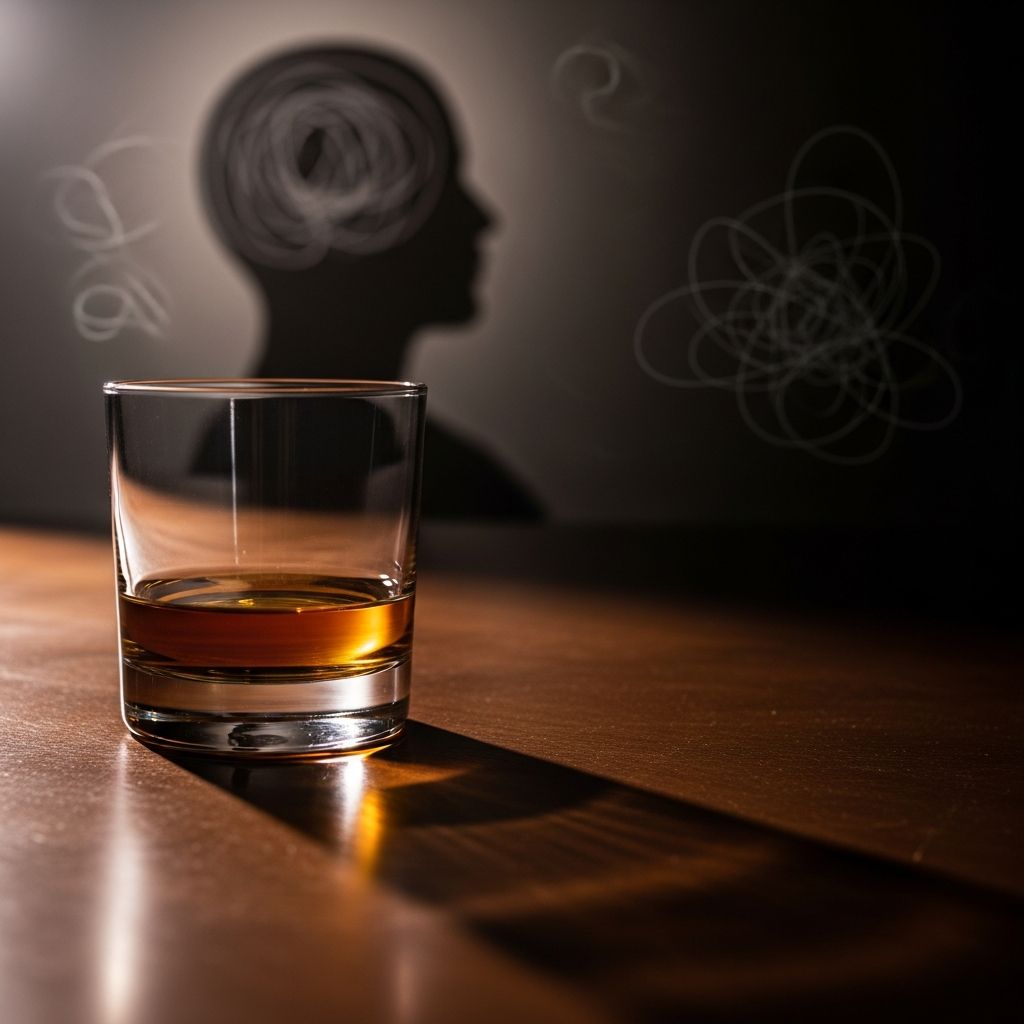
Alcohol use disorder (AUD), commonly referred to as alcoholism, is a recognized medical condition characterized by an inability to control or stop drinking despite negative consequences to health, safety, and relationships. This chronic condition affects individuals across all demographics and socioeconomic backgrounds. Unlike casual drinking or social consumption, AUD involves a compulsive need to drink that persists even when alcohol use damages personal, professional, and social aspects of life. The condition is increasingly recognized by healthcare providers as a disease rather than a moral failing or character weakness, requiring comprehensive medical and psychological intervention.
AUD exists on a spectrum, ranging from mild to moderate to severe forms. The severity depends on how many diagnostic criteria a person meets and the extent to which their drinking interferes with daily functioning. Early recognition and intervention can significantly improve treatment outcomes and reduce the long-term health consequences associated with excessive alcohol consumption.
Recognizing the Symptoms of Alcohol Use Disorder
Identifying the symptoms of AUD is crucial for early intervention and treatment. The symptoms can manifest physically, psychologically, and behaviorally, affecting various aspects of a person’s life.
Behavioral and Social Indicators
Individuals with AUD often exhibit persistent patterns of problematic drinking behavior. They may spend significant time obtaining, using, or recovering from alcohol consumption. A key indicator is the inability to control or reduce drinking despite repeated attempts. People with AUD frequently continue drinking even when they recognize it is causing problems in their work, school, or relationships. Social withdrawal, neglect of responsibilities, and engagement in risky behaviors while or after drinking are common signs.
Psychological Symptoms
The psychological dimension of AUD includes intense cravings for alcohol, anxiety when unable to drink, irritability, depression, and mood swings. Individuals may experience shame, guilt, or denial about their drinking patterns. Memory lapses or blackouts during drinking episodes are common, where individuals cannot recall conversations or events that occurred while intoxicated.
Physical Signs
Physical manifestations of chronic alcohol use include tremors, sweating, nausea, and gastrointestinal issues. Over time, excessive alcohol consumption can lead to tolerance, requiring increasing amounts of alcohol to achieve the desired effect. Withdrawal symptoms may appear when drinking stops, ranging from mild anxiety and shakiness to severe medical emergencies.
Diagnosis and Assessment
Healthcare providers diagnose AUD using established criteria from the Diagnostic and Statistical Manual of Mental Disorders, Fifth Edition (DSM-5). The diagnostic process typically includes multiple components to ensure accurate assessment and appropriate treatment planning.
Medical Evaluation
A thorough physical examination helps identify symptoms of conditions that alcohol use disorder may have caused. Healthcare providers look for signs of liver disease, cardiovascular problems, nutritional deficiencies, and other alcohol-related health complications. While no single test specifically diagnoses AUD, certain patterns of laboratory results may strongly suggest the condition. Tests may reveal liver damage, elevated liver enzymes, anemia, or other metabolic abnormalities associated with chronic alcohol use.
Psychological Evaluation
A comprehensive psychological evaluation includes detailed questions about symptoms, thoughts, feelings, and behavior patterns. Providers may ask patients to complete standardized questionnaires that assess the severity of alcohol use and its impact on various life domains. This evaluation helps determine the presence of co-occurring mental health conditions such as depression, anxiety, or other substance use disorders, which commonly co-exist with AUD.
Severity Classification
Based on assessment findings, healthcare providers determine whether AUD is mild, moderate, or severe. This classification guides treatment recommendations and helps establish realistic recovery goals. Mild AUD involves fewer symptoms with less functional impairment, while severe AUD typically involves multiple symptoms and significant life disruption requiring intensive intervention.
Comprehensive Treatment Options
Treatment for alcohol use disorder varies depending on the severity of the condition, individual circumstances, and patient preferences. Evidence-based approaches combine medical, psychological, and social interventions to address the multifaceted nature of addiction.
Detoxification and Medical Management
For individuals with severe AUD or significant physical dependence on alcohol, detoxification—medically managed withdrawal—is often the first step in treatment. This process typically takes 2 to 7 days and is usually conducted in an inpatient treatment center or hospital setting. During detoxification, patients may receive sedating medications to prevent or manage withdrawal symptoms, which can range from mild (anxiety, tremors) to severe (seizures, delirium tremens). Medical supervision ensures patient safety and comfort throughout the withdrawal process.
Behavioral Therapies
Behavioral treatments focus on changing drinking patterns through counseling and skill-building. Cognitive-behavioral therapy (CBT) is particularly effective, helping individuals identify feelings and situations that trigger heavy drinking and developing strategies to manage stress and cravings. Therapists work with patients to modify thought patterns that lead to alcohol misuse and build coping skills for managing everyday situations that might trigger relapse.
Medication-Assisted Treatment
Several medications have been approved to help reduce cravings and support recovery. These medications work through different mechanisms—some reduce the rewarding effects of alcohol, others reduce cravings, and some create unpleasant reactions when alcohol is consumed. Combined with counseling and behavioral therapy, medication-assisted treatment can significantly improve outcomes and reduce relapse rates.
Inpatient and Residential Treatment
For severe cases of AUD, inpatient medical treatment or residential rehabilitation programs provide intensive, structured care. These programs offer 24-hour medical and psychiatric supervision, allowing for comprehensive treatment of both alcohol dependency and any co-occurring mental health or medical conditions. Inpatient programs typically include group therapy, community self-help groups, 12-step philosophy integration, and specialized services for complex medical issues or dual diagnoses.
Outpatient Programs
Intensive outpatient programs (IOPs) serve patients who understand their dependence and are motivated to seek treatment while maintaining family and work responsibilities. These programs typically involve 4-5 weeks of intensive treatment sessions followed by ongoing aftercare. Virtual and in-person options accommodate different schedules, with programs offered during morning or evening hours to fit individual circumstances.
The Role of Support and Follow-Up Care
Recovery from alcohol use disorder is not a single event but an ongoing process. Continuous support, relapse prevention strategies, and follow-up care are essential components of long-term success. Many individuals benefit from participation in peer support groups such as Alcoholics Anonymous or other 12-step programs, which provide community, accountability, and shared experience with others in recovery.
Family education and involvement in treatment can significantly enhance outcomes. Understanding AUD as a medical condition helps families approach recovery with compassion rather than judgment. Practical lifestyle changes, including stress management techniques, development of healthy coping mechanisms, and modification of social environments, support sustained recovery.
Recovery Outcomes and Relapse Prevention
Studies demonstrate that most people with alcohol use disorder can recover successfully, meaning they either significantly reduce their drinking or achieve abstinence entirely. While relapse can occur, it does not signify treatment failure but rather indicates the need for adjusted or renewed interventions. Relapse often relates to stressful life events such as job loss, relationship breakdown, or bereavement. Recognizing these triggers and having strategies to manage them is crucial for maintaining recovery.
Effective relapse prevention includes ongoing therapy, continued participation in support groups, maintenance of healthy lifestyle habits, and regular communication with healthcare providers. Individuals at risk for relapse should proactively discuss their concerns with healthcare providers to receive additional support and resources.
Frequently Asked Questions
Q: What is the difference between alcohol use disorder and occasional heavy drinking?
A: Alcohol use disorder involves a persistent inability to control drinking despite negative consequences, whereas occasional heavy drinking may occur without compulsive patterns or significant life disruption. AUD is characterized by continued drinking despite problems in work, relationships, health, or safety.
Q: Can alcohol use disorder be cured?
A: AUD is managed rather than cured. With appropriate treatment, most people achieve recovery through reduced drinking or abstinence. Long-term management requires ongoing commitment to treatment, support, and lifestyle changes.
Q: How long does treatment typically last?
A: Treatment duration varies based on severity and individual factors. Detoxification may take 2-7 days, while intensive outpatient programs typically last 5 weeks with additional aftercare. Some individuals benefit from extended treatment or ongoing support groups for years.
Q: Are medications used to treat alcohol use disorder?
A: Yes, several FDA-approved medications can support recovery by reducing cravings, blocking the rewarding effects of alcohol, or creating aversive reactions. These medications are most effective when combined with behavioral therapy and counseling.
Q: What should I do if I’m concerned about my drinking?
A: Contact a healthcare provider for evaluation. Be honest about your drinking patterns and concerns. Providers can assess your situation, discuss treatment options, and connect you with appropriate resources without judgment.
Q: Can people with AUD recover while maintaining family and work responsibilities?
A: Yes. Intensive outpatient programs are specifically designed to accommodate work and family obligations, offering treatment during morning or evening hours. This flexibility allows individuals to begin recovery while maintaining their responsibilities.
References
- Alcohol Use Disorder: What It Is, Symptoms & Treatment — Cleveland Clinic. 2024. https://my.clevelandclinic.org/health/diseases/3909-alcoholism
- Alcohol Use Disorder – Diagnosis and Treatment — Mayo Clinic. 2024. https://www.mayoclinic.org/diseases-conditions/alcohol-use-disorder/diagnosis-treatment/drc-20369250
- Treatment for Alcohol Problems: Finding and Getting Help — National Institute on Alcohol Abuse and Alcoholism (NIAAA), U.S. National Institutes of Health. 2024. https://www.niaaa.nih.gov/publications/brochures-and-fact-sheets/treatment-alcohol-problems-finding-and-getting-help
- Alcohol Withdrawal: Symptoms, Treatment & Timeline — Cleveland Clinic. 2024. https://my.clevelandclinic.org/health/diseases/alcohol-withdrawal
- Alcohol and Surgery — Cleveland Clinic. 2024. https://my.clevelandclinic.org/departments/heart/patient-education/recovery-care/surgery/alcohol
Similar Articles




Read full bio of medha deb