Alcohol Withdrawal A to Z: Complete Guide
Comprehensive guide to understanding alcohol withdrawal symptoms, treatment, and recovery.
Alcohol Withdrawal: A Comprehensive A to Z Guide
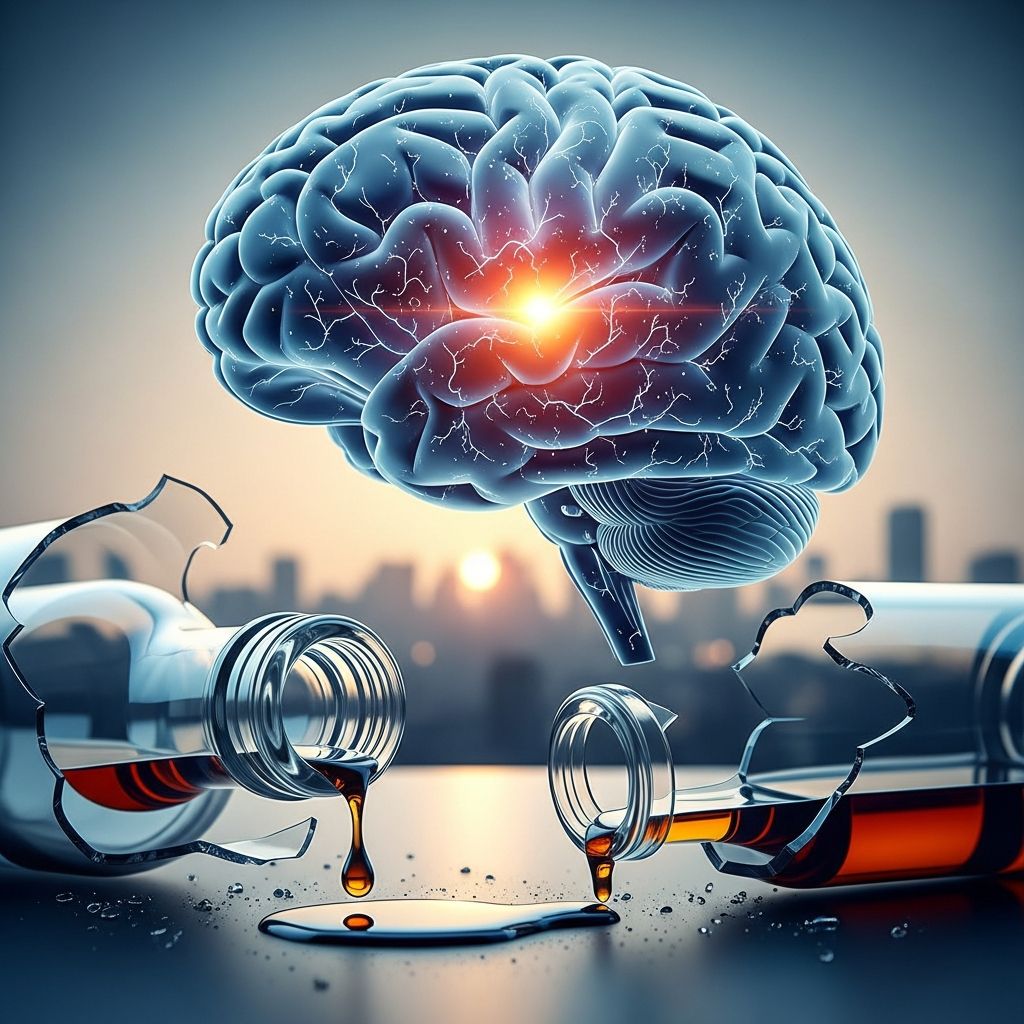
Alcohol withdrawal occurs when individuals who are physically dependent on alcohol suddenly reduce their consumption or stop drinking entirely. This condition represents a serious medical concern that requires proper understanding and professional intervention. When the body becomes accustomed to regular alcohol consumption, it adapts to the drug’s presence. Upon cessation or significant reduction, the nervous system becomes hyperactive, leading to a range of withdrawal symptoms that can vary from mild discomfort to life-threatening complications.
Understanding Alcohol Withdrawal Symptoms
Alcohol withdrawal symptoms manifest across a spectrum of severity and timeline. Recognizing these symptoms is crucial for determining the appropriate level of medical intervention and ensuring safe recovery.
Early Withdrawal Symptoms (6-12 Hours)
The initial phase of alcohol withdrawal typically begins within 6 to 12 hours after the last drink. During this period, individuals may experience relatively mild symptoms that serve as warning signs of more severe withdrawal to come. Early symptoms include headache, mild anxiety, insomnia, and small tremors. Additionally, individuals may experience stomach upset and general discomfort. These symptoms, while manageable, signal that the body is beginning to adjust to the absence of alcohol and require monitoring.
Intermediate Withdrawal Symptoms (12-24 Hours)
As withdrawal progresses into the 12 to 24-hour window, symptoms may intensify. Some individuals begin to experience visual, auditory, and tactile hallucinations during this phase. These hallucinations can be particularly distressing and may increase the risk of dangerous behaviors. The appearance of hallucinations indicates that medical supervision becomes increasingly important, as these symptoms suggest a more severe withdrawal process.
Peak Withdrawal Symptoms (24-72 Hours)
The period between 24 and 72 hours represents the peak of alcohol withdrawal for many individuals. During this critical window, various symptoms reach their maximum intensity before beginning to level off or resolve. However, some symptoms may persist for weeks or even longer, particularly psychological symptoms such as anxiety and depression. This phase requires careful monitoring and professional support to manage complications and ensure patient safety.
The Alcohol Withdrawal Timeline
Understanding the timeline of alcohol withdrawal helps individuals and healthcare providers anticipate symptoms and plan appropriate interventions. The duration and severity of withdrawal depend on several factors, including the amount and duration of alcohol consumption, individual health status, and presence of co-occurring medical conditions.
Mild to Moderate Withdrawal Duration
For individuals with less severe levels of alcohol use, withdrawal typically lasts between 24 to 48 hours. During this period, symptoms generally remain manageable with supportive care and medical monitoring. Many individuals experience complete resolution of acute withdrawal symptoms within this timeframe, though some may continue to experience residual symptoms.
Severe Withdrawal Duration
More significant levels of alcohol use can result in greater withdrawal symptoms that persist from 24 hours to 6 days. In these cases, the intensity and duration of symptoms require more intensive medical intervention and monitoring. The extended timeline reflects the body’s more profound adaptation to chronic alcohol use and requires more comprehensive treatment approaches.
Extended Withdrawal Symptoms
In rare situations, withdrawal symptoms can extend to approximately one month. These protracted withdrawal symptoms often involve psychological components such as anxiety, depression, sleep disturbances, and cravings. While acute medical symptoms typically resolve within the first week, addressing these longer-term symptoms is essential for maintaining long-term sobriety and preventing relapse.
Related Stories



Medical Detoxification Approaches
Medical detoxification represents the most effective and safest approach to managing alcohol withdrawal, particularly for individuals with severe alcohol use disorder. Healthcare professionals utilize various detoxification methods based on individual circumstances, severity of withdrawal symptoms, and potential health risks.
Inpatient Medical Detox
Inpatient detoxification involves hospitalization or residence at a specialized facility where individuals receive around-the-clock medical supervision and support. This setting provides immediate access to medical intervention should complications arise, making it the safest option for severe withdrawal cases. Inpatient programs combine medical management with intensive therapy, both individual and group-based, addressing the physical aspects of withdrawal while beginning psychological treatment.
Outpatient Detoxification
Outpatient treatment allows individuals to remain in their home or sober living environment while attending regularly scheduled therapy sessions and medical appointments. This approach works best for individuals with milder withdrawal symptoms, stable living situations, and strong support systems. Outpatient programs enable individuals to practice recovery skills in real-world environments while managing daily stressors, though they require significant personal commitment and reliable transportation to appointments.
Medication Management for Alcohol Withdrawal
Pharmacological interventions play a crucial role in managing alcohol withdrawal and preventing serious medical complications. Healthcare providers prescribe specific medications to minimize withdrawal symptoms and ensure patient safety throughout the detoxification process.
Benzodiazepines
Benzodiazepines represent the primary medication class used to prevent or lessen withdrawal symptoms and prevent medical complications associated with severe alcohol withdrawal. These drugs effectively stop certain withdrawal reactions from progressing to serious or life-threatening consequences. Benzodiazepines work by depressing the central nervous system, counteracting the hyperactivity that occurs during withdrawal. Medical professionals carefully monitor benzodiazepine use to prevent dependence while ensuring adequate symptom management.
Supportive Medications
Beyond benzodiazepines, physicians may prescribe additional medications to stabilize patients and provide supportive care. Anticonvulsants help prevent seizures, a serious complication of severe withdrawal. Antipsychotics address hallucinations and psychotic symptoms that may occur during withdrawal. Beta blockers and alpha-adrenergic agonists manage cardiovascular symptoms such as elevated heart rate and blood pressure. Additionally, individuals who are dehydrated or malnourished may receive intravenous fluids and vitamin supplementation, particularly thiamine (vitamin B1), which is essential for neurological function.
Safe Strategies for Reducing Alcohol Consumption
For individuals seeking to reduce or eliminate alcohol consumption, implementing evidence-based strategies significantly increases success rates and promotes safer withdrawal processes.
Medical Supervision and Planning
Consulting with healthcare providers before reducing or quitting alcohol is essential, particularly for regular or heavy drinkers. Medical professionals provide personalized advice based on individual health status, develop customized withdrawal plans, and link individuals to appropriate support services. Attempting to quit or significantly reduce alcohol use without medical guidance can be dangerous, potentially leading to serious complications including seizures, delirium tremens, and cardiac arrhythmias.
Gradual Reduction Strategies
Rather than quitting abruptly, gradually reducing alcohol intake may be safer and more sustainable for some individuals. Strategies include spacing out drinks over extended periods, diluting alcoholic beverages with non-alcoholic mixers, alternating alcoholic drinks with water or soft drinks, and eating food before and during drinking. This gradual approach allows the body to adjust more slowly to decreased alcohol levels while minimizing withdrawal symptoms.
Lifestyle and Nutritional Support
Supporting recovery through nutrition and hydration is vital during alcohol withdrawal. Maintaining adequate hydration by drinking substantial amounts of water helps counteract dehydration caused by withdrawal symptoms such as vomiting, diarrhea, and sweating. Proper nutrition, including thiamine-rich foods like wholemeal bread and brown rice, supports neurological recovery. Additionally, limiting sugar intake and ensuring balanced meals provide essential nutrients for physical healing.
Environmental Modifications
Creating a supportive environment significantly enhances recovery success. Removing all alcohol, barware, and alcohol-related items from home and workplace eliminates easy access to temptations. Distancing from individuals who do not support recovery efforts or respect established limits protects motivation and commitment. Clearly communicating new limits to friends and family, including that alcohol will not be permitted in one’s home, establishes boundaries that support sobriety.
Building a Personal Recovery Plan
Developing a comprehensive recovery plan tailored to individual circumstances, triggers, and goals provides structure and direction throughout the withdrawal and recovery process. This plan should address specific triggers for drinking, identify coping strategies, establish realistic goals, and outline available support resources. Whether aiming to quit entirely or reduce consumption, a written plan kept in a visible location serves as a constant reminder of commitment and provides guidance during difficult moments.
Support Systems and Resources
Engaging with professional support services and peer support groups significantly improves recovery outcomes. Community alcohol support teams, Alcoholics Anonymous, and other peer-led recovery programs provide ongoing encouragement, shared experiences, and practical coping strategies. Many individuals benefit from combining professional treatment with peer support, creating a comprehensive network of assistance throughout recovery and beyond.
Frequently Asked Questions
Q: Is it safe to quit drinking alcohol suddenly without medical supervision?
A: For heavy or regular drinkers, sudden cessation can be dangerous and may lead to serious medical complications including seizures and delirium tremens. Medical supervision is strongly recommended, particularly for individuals with severe alcohol use disorder.
Q: How long does alcohol withdrawal typically last?
A: Acute withdrawal symptoms typically last between 24 hours to 6 days, depending on the severity of alcohol use. Some psychological symptoms may persist for weeks or months, requiring ongoing support and treatment.
Q: What medications are used to treat alcohol withdrawal?
A: Benzodiazepines are the primary medications used to manage withdrawal symptoms. Additional medications such as anticonvulsants, antipsychotics, and beta blockers may be prescribed for specific symptoms. Vitamins and fluids are also important components of medical treatment.
Q: Can I reduce alcohol consumption gradually instead of quitting completely?
A: Yes, gradual reduction is an option for some individuals and may be safer than abrupt cessation. However, this approach should be undertaken with medical guidance and monitoring to ensure safe withdrawal and identify any complications.
Q: What support services are available for alcohol withdrawal recovery?
A: Support options include medical detoxification programs, counseling services, support groups like Alcoholics Anonymous, community alcohol support teams, and online recovery programs. Healthcare providers can help identify the most appropriate resources for individual circumstances.
Q: What role does nutrition play in alcohol withdrawal recovery?
A: Proper nutrition supports physical healing during withdrawal. Thiamine (vitamin B1) supplementation is particularly important, as chronic alcohol use depletes this essential vitamin. Maintaining hydration and eating balanced meals provides energy and supports neurological recovery.
Q: How can I prevent relapse during the recovery process?
A: Preventing relapse involves removing environmental temptations, building strong support networks, identifying and managing triggers, developing healthy coping strategies, and engaging in ongoing treatment whether through counseling, support groups, or therapy programs.
References
- Alcohol Withdrawal Symptoms, Detox, Timeline, & Treatment — American Addiction Centers. 2024. https://americanaddictioncenters.org/alcohol/withdrawal-detox
- A Guide to the Alcohol Detox Process — Columbus Recovery Center. 2024. https://www.columbusrecoverycenter.com/alcohol-addiction/alcohol-detox-process/
- How can you reduce or quit alcohol? — Australian Department of Health. 2024. https://www.health.gov.au/topics/alcohol/about-alcohol/how-can-you-reduce-or-quit-alcohol
- Overcoming Alcohol Addiction — HelpGuide.org. 2024. https://www.helpguide.org/mental-health/addiction/overcoming-alcohol-addiction
- Alcohol Use — Centers for Disease Control and Prevention (CDC). 2024. https://www.cdc.gov/alcohol/
- How to Detox From Alcohol (With Food) — The Recovery Village. 2024. https://www.therecoveryvillage.com/alcohol-abuse/withdrawal-detox/5-types-food-eat-detoxing-alcohol/
Similar Articles








Read full bio of medha deb