Alcohol Withdrawal: Symptoms, Treatment & Timeline
Understanding alcohol withdrawal: symptoms, treatments, and recovery timelines for safe management.
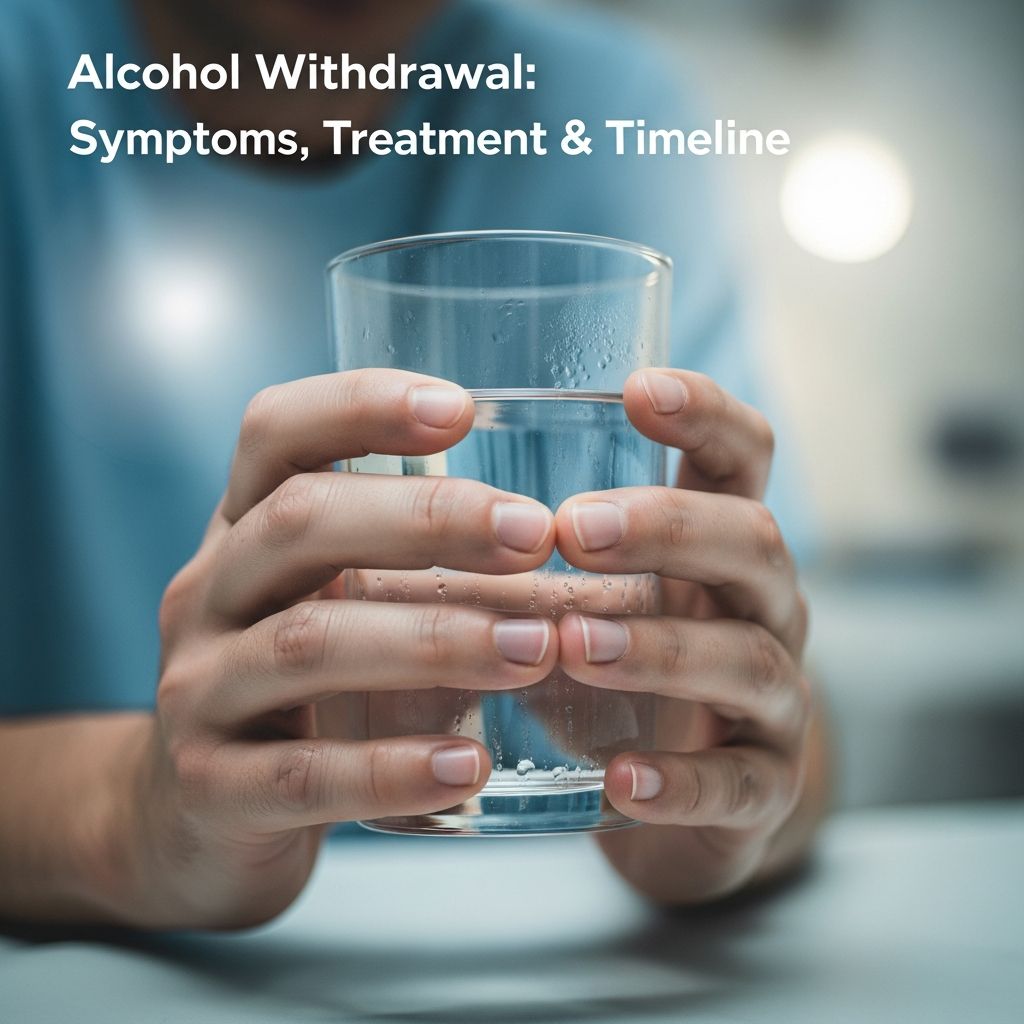
Alcohol withdrawal is a set of symptoms that can develop if you stop or significantly reduce alcohol intake after long-term use. When your body becomes accustomed to regular alcohol consumption, it adapts to the presence of this central nervous system depressant. When you suddenly eliminate or substantially decrease alcohol intake, your nervous system becomes overactive, leading to withdrawal symptoms. Understanding these symptoms, their severity, and available treatment options is crucial for safe recovery.
Approximately 50% of people with alcohol use disorder who either stop or significantly reduce their alcohol intake experience withdrawal symptoms. The onset and severity of these symptoms can vary significantly based on individual factors, including the duration and quantity of alcohol consumed, overall health status, and concurrent medical conditions.
Understanding Alcohol Withdrawal Symptoms
Alcohol withdrawal symptoms typically begin within hours of stopping or reducing alcohol consumption and can last for days or even weeks. The symptoms progress through different severity levels, and recognizing which category applies to you helps determine the appropriate treatment approach.
Mild Withdrawal Symptoms
Mild withdrawal symptoms are the earliest manifestations and include:
- Anxiety and nervousness
- Irritability and mood changes
- Shaking or tremors
- Sweating
- Nausea
- Headaches
These symptoms, while uncomfortable, are generally not life-threatening. However, they require monitoring to ensure they don’t progress to more severe levels.
Moderate Withdrawal Symptoms
As withdrawal progresses, symptoms may intensify to include:
- Increased heart rate and elevated blood pressure
- Insomnia and sleep disturbances
- Severe mood swings
- Increased agitation
- Visual disturbances
Moderate symptoms require medical attention and typically warrant medication to prevent further complications.
Severe Withdrawal Symptoms
Severe withdrawal represents a medical emergency and may include:
- Hallucinations
- Seizures
- Delirium tremens (DTs)
- Severe confusion and disorientation
- Extreme agitation and aggression
Severe withdrawal requires immediate hospitalization, often in an intensive care unit (ICU), to prevent life-threatening complications.
Timeline of Alcohol Withdrawal
Understanding the typical timeline of alcohol withdrawal helps individuals prepare for what to expect during recovery:
| Timeframe | Typical Symptoms |
|---|---|
| 0-12 hours after last drink | Anxiety, tremors, sweating, nausea |
| 12-24 hours | Increased agitation, visual disturbances, potential seizures |
| 24-72 hours (peak period) | Peak symptom intensity, hallucinations possible, delirium tremens risk |
| After 72 hours | Gradual symptom improvement, though some may persist for weeks |
Symptoms typically peak between 24 to 72 hours after the last drink and can persist for several weeks. However, individual experiences vary based on personal health factors and the severity of previous alcohol use.
Treatment Options for Alcohol Withdrawal
Treatment for alcohol withdrawal varies based on severity, with healthcare providers tailoring their approach to individual circumstances and symptoms.
Mild Alcohol Withdrawal Treatment
Related Stories



For mild alcohol withdrawal that’s not at risk of worsening, outpatient management may be appropriate. Treatment typically includes:
- A quiet, calm environment for rest
- Adequate hydration and nutritious food
- Regular check-ins with healthcare providers
- Counseling and therapy support
- Connection to support groups such as Alcoholics Anonymous
Healthcare providers may prescribe short-term medications such as carbamazepine or gabapentin to help relieve symptoms without the dependence risks associated with benzodiazepines. Carbamazepine, an anticonvulsant, helps stabilize mood and prevent seizures, while gabapentin reduces anxiety and manages withdrawal symptoms effectively.
Moderate Alcohol Withdrawal Treatment
Moderate withdrawal typically requires more intensive intervention. Treatment includes:
- Short-term medications to lessen symptoms
- More frequent medical monitoring and check-ins
- Closer supervision than outpatient care
- May include day treatment or partial hospitalization programs
Benzodiazepines or barbiturates serve as first-line therapy for moderate alcohol withdrawal, significantly reducing the risk of seizures and development of delirium tremens. These medications help rebalance brain chemicals that become dysregulated during withdrawal.
Severe Alcohol Withdrawal Treatment
Severe and complicated alcohol withdrawal requires hospitalization, sometimes in the ICU. Treatment includes:
- Continuous medical monitoring to prevent life-threatening complications
- Long-acting benzodiazepines administered intravenously (IV diazepam or IV lorazepam)
- IV fluids for dehydration and electrolyte imbalances
- Anti-nausea medications if vomiting occurs
- Nutritional support and monitoring
- Management of any concurrent health issues
Medications for Alcohol Withdrawal
Several medication classes effectively manage alcohol withdrawal symptoms, each with specific benefits and considerations:
Benzodiazepines
Benzodiazepines are often the first treatment doctors suggest for alcohol withdrawal. These sedative medications help rebalance brain chemicals and reduce the risk of delirium tremens and seizures. They can be administered on a fixed schedule or using a symptom-triggered approach. Most patients with a clinical assessment score of 8 or higher benefit from benzodiazepine therapy. However, patients require close monitoring for dependence potential.
Barbiturates
For severe withdrawal symptoms, barbiturates may be prescribed, though they are less commonly used than benzodiazepines due to their potential for addiction. They work similarly to benzodiazepines in calming the nervous system.
Carbamazepine
This anticonvulsant medication helps prevent seizures and can manage withdrawal symptoms without the potential addiction risks associated with benzodiazepines. It’s particularly useful for individuals with mild to moderate symptoms who prefer alternative options.
Gabapentin
Gabapentin reduces anxiety, manages withdrawal symptoms, and helps with insomnia. It’s frequently used as an alternative to benzodiazepines, offering effective symptom relief with a lower addiction potential.
Antipsychotics
Antipsychotic medications aren’t for everyone but could help lessen severe withdrawal symptoms such as hallucinations and extreme aggression. Individuals receiving these medications require close monitoring.
Additional Medications
Healthcare providers may prescribe additional medications to address specific symptoms or related health issues, including:
- Clonidine combined with beta-blockers to normalize heart rate and blood pressure
- Anti-nausea medications for vomiting
- IV fluids for hydration and electrolyte restoration
- Vitamins and nutritional supplements to address deficiencies from chronic alcohol use
Inpatient Treatment Programs
For severe cases or individuals at high risk of complications, inpatient treatment programs offer comprehensive care over several days. These programs typically include:
Detoxification
Healthcare providers manage withdrawal symptoms with medications over two to seven days, ensuring patient safety and comfort throughout the process.
Learning to Change
Trained specialists help patients understand their habits and behavioral patterns, teaching strategies for lasting change. This may include anger management classes, stress reduction techniques, and nutrition counseling.
Professional Counseling
Individual sessions with social workers or therapists address mental health issues, past traumas, and underlying causes of alcohol use disorder. Family involvement may also be incorporated to support long-term recovery.
Health Management
Medical teams continuously monitor symptoms and complications while managing any existing health conditions related to chronic alcohol use.
Continuing Care
Upon discharge, patients receive connections to ongoing resources including support groups, outpatient therapists, and healthcare providers to maintain recovery momentum.
Assessment Tools for Monitoring
Healthcare providers use standardized assessment tools to evaluate withdrawal severity and guide treatment decisions. The CIWA-Ar scale (Clinical Institute Withdrawal Assessment for Alcohol Scale, Revised) is widely used in clinical settings. This assessment focuses on 10 areas including nausea and vomiting, tremor, sweating, anxiety, agitation, headache, disorientation, and sensory disturbances. Scores range from 0 to 67, with higher scores indicating worse symptoms and necessitating treatment escalation. Most patients with scores of 8 or higher benefit from benzodiazepine therapy. This tool facilitates symptom-triggered therapy, where patients receive medication based on their current symptom severity followed by scheduled reevaluation.
Treatment for Alcohol Use Disorder
Managing withdrawal symptoms is only the first step in recovery. Your healthcare provider will recommend and encourage treatment for alcohol use disorder, the underlying condition driving problematic drinking patterns. Several treatment options exist:
- Medication-assisted treatment with FDA-approved medications
- Group psychotherapy and talk therapy
- Individual counseling and cognitive behavioral therapy
- Support groups and peer recovery programs
- Residential rehabilitation programs
- Outpatient counseling and monitoring
Studies show most people with alcohol use disorder recover, meaning they reduce their drinking or stop entirely. However, relapse can occur, especially during stressful life events such as job loss, relationship changes, or grief. Ongoing professional support significantly improves long-term outcomes.
When to Seek Emergency Care
Seek immediate medical attention if you experience:
- Seizures or convulsions
- Hallucinations or severe confusion
- Extreme agitation or aggression
- Chest pain or difficulty breathing
- Severe headache
- High fever
- Uncontrollable vomiting
- Signs of delirium tremens
Frequently Asked Questions
Q: How long does alcohol withdrawal last?
A: Symptoms typically begin within hours of stopping alcohol and can last for days or even weeks. The most intense symptoms usually occur between 24 to 72 hours after the last drink, with gradual improvement thereafter.
Q: Is alcohol withdrawal dangerous?
A: Mild withdrawal is uncomfortable but generally not life-threatening. However, severe withdrawal can cause seizures and delirium tremens, which are medical emergencies requiring immediate hospitalization.
Q: Can I stop drinking on my own?
A: While some people successfully quit independently, medical supervision significantly improves safety, especially for those with heavy drinking histories. Healthcare providers can monitor for complications and prescribe medications to ease the process.
Q: What is delirium tremens?
A: Delirium tremens (DTs) is a severe form of alcohol withdrawal characterized by hallucinations, seizures, severe confusion, and extreme agitation. It’s a medical emergency requiring immediate hospitalization.
Q: Are there medications to prevent relapse?
A: Yes, FDA-approved medications can help reduce cravings and support recovery. Combined with counseling and support groups, medication-assisted treatment improves long-term outcomes.
Q: What should I expect during inpatient treatment?
A: Inpatient programs typically include medical detoxification with medications, counseling, behavioral therapy, health monitoring, and connections to ongoing support resources after discharge.
References
- Alcohol Withdrawal: Symptoms, Treatment & Timeline — Cleveland Clinic. 2024. https://my.clevelandclinic.org/health/diseases/alcohol-withdrawal
- Alcohol Withdrawal: Causes, Symptoms, Timeline and Treatment — WebMD. 2024. https://www.webmd.com/mental-health/addiction/alcohol-withdrawal-symptoms-treatments
- Alcohol withdrawal syndrome in medical patients — Cleveland Clinic Journal of Medicine. 2016. https://www.ccjm.org/content/83/1/67
- Delirium Tremens: What It Is, Causes, Symptoms & Treatment — Cleveland Clinic. 2024. https://my.clevelandclinic.org/health/diseases/25052-delirium-tremens
- Gabapentin for alcohol use disorder: A good option, or cause for concern? — Cleveland Clinic Journal of Medicine. 2019. https://www.ccjm.org/content/86/12/815
- Alcohol Use Disorder: What It Is, Symptoms & Treatment — Cleveland Clinic. 2024. https://my.clevelandclinic.org/health/diseases/3909-alcoholism
Similar Articles








Read full bio of medha deb