Alendronate: Bone Health Medication Guide
Comprehensive guide to alendronate for osteoporosis treatment, usage tips, risks, and long-term management strategies.

Alendronate stands as a cornerstone therapy in managing bone density disorders, primarily targeting osteoporosis and related conditions by inhibiting bone resorption. This bisphosphonate medication helps maintain skeletal integrity, reducing fracture risk in vulnerable populations.
Understanding Bone Loss and Alendronate’s Mechanism
Bone is a dynamic tissue constantly undergoing remodeling, where osteoclasts break down old bone and osteoblasts form new bone. In conditions like osteoporosis, this balance tips toward excessive resorption, leading to weakened bones. Alendronate binds to bone hydroxyapatite, selectively targeting osteoclasts to suppress their activity, thereby slowing bone breakdown and preserving mineral density.
Clinical evidence demonstrates its efficacy: in postmenopausal women, weekly dosing increases bone mineral density (BMD) significantly over placebo, with sustained benefits observed up to a year or more. For men and those on long-term corticosteroids, it similarly bolsters bone mass, countering iatrogenic bone loss.
Primary Indications for Alendronate Therapy
- Postmenopausal Osteoporosis: Prevents and treats bone thinning in women after menopause, a phase marked by estrogen decline accelerating resorption.
- Male Osteoporosis: Enhances bone mass in men with confirmed low BMD, addressing age-related or idiopathic causes.
- Glucocorticoid-Induced Osteoporosis: Mitigates bone loss from prolonged corticosteroid use, common in conditions like rheumatoid arthritis or asthma.
- Paget’s Disease of Bone: Controls abnormal bone remodeling, indicated when alkaline phosphatase levels exceed twice the upper normal limit or symptoms arise.
Not for acute fractures or general calcium supplementation; it’s prescription-only, available as tablets, effervescent tablets, or oral solution.
Dosing Regimens Tailored to Conditions
Administration requires strict adherence to minimize esophageal irritation: take on an empty stomach with a full glass of plain water, remain upright for at least 30 minutes, and avoid food, other beverages, or medications during this period.
| Condition | Standard Dose | Frequency | Duration/Monitoring |
|---|---|---|---|
| Postmenopausal Osteoporosis Treatment | 10 mg | Daily | Or 70 mg weekly; long-term with BMD checks |
| Postmenopausal Osteoporosis Prevention | 5 mg | Daily | Or 35 mg weekly |
| Male Osteoporosis or Glucocorticoid-Induced | 10 mg | Daily | Ongoing assessment |
| Paget’s Disease | 40 mg | Daily | 6 months; monitor ALP levels post-treatment |
For Paget’s, retreatment may follow if ALP rises or initial response is inadequate. Binosto effervescent form contains sodium, caution in salt-restricted diets or heart conditions.
Critical Administration Guidelines
- Swallow whole with 6-8 oz water; do not chew or dissolve in mouth.
- No lying down for 30 minutes post-dose to prevent reflux.
- Wait 30+ minutes before eating or taking other drugs, especially calcium, antacids, or multivitamins.
- Miss a dose? Skip and resume next scheduled; double-dosing prohibited.
Calcium and vitamin D supplementation is recommended alongside to support bone formation, as alendronate alone does not provide these nutrients.
Potential Adverse Effects and Management
Most users tolerate alendronate well, but gastrointestinal issues predominate initially.
Common Side Effects
- Abdominal pain, nausea, dyspepsia, constipation, diarrhea, flatulence.
- Headache, musculoskeletal pain (bone, joint, muscle).
These often resolve as the body adjusts; OTC analgesics like acetaminophen may help transient pain.
Serious Risks Requiring Immediate Attention
- Esophagitis/Ulcers: Symptoms include odynophagia, retrosternal pain; discontinue if severe.
- Hypocalcemia: Muscle spasms, paresthesia; monitor levels pre-therapy.
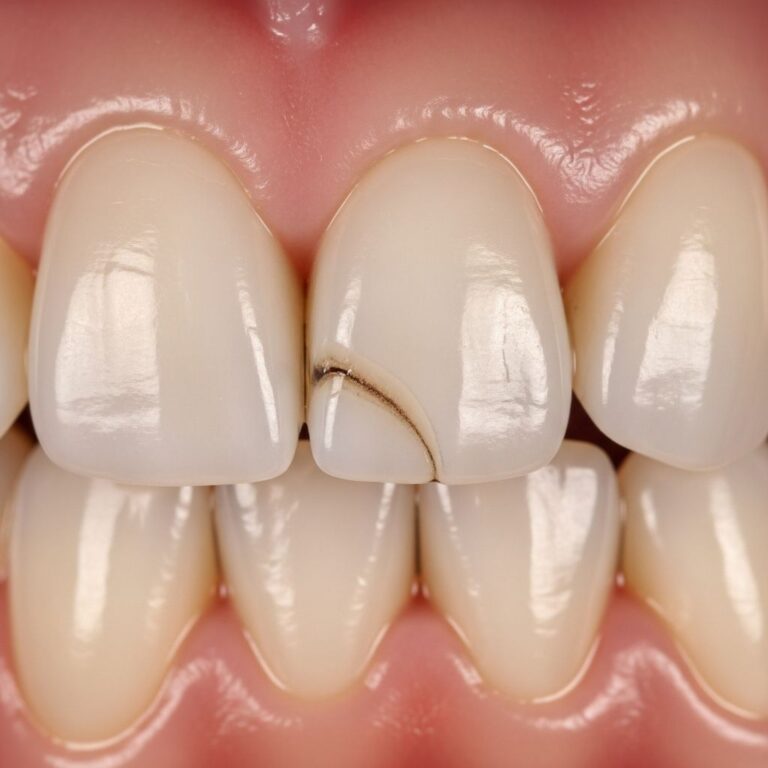
- Osteonecrosis of the Jaw (ONJ): Rare, linked to dental procedures, poor hygiene, or cancer; maintain oral health, inform dentist.
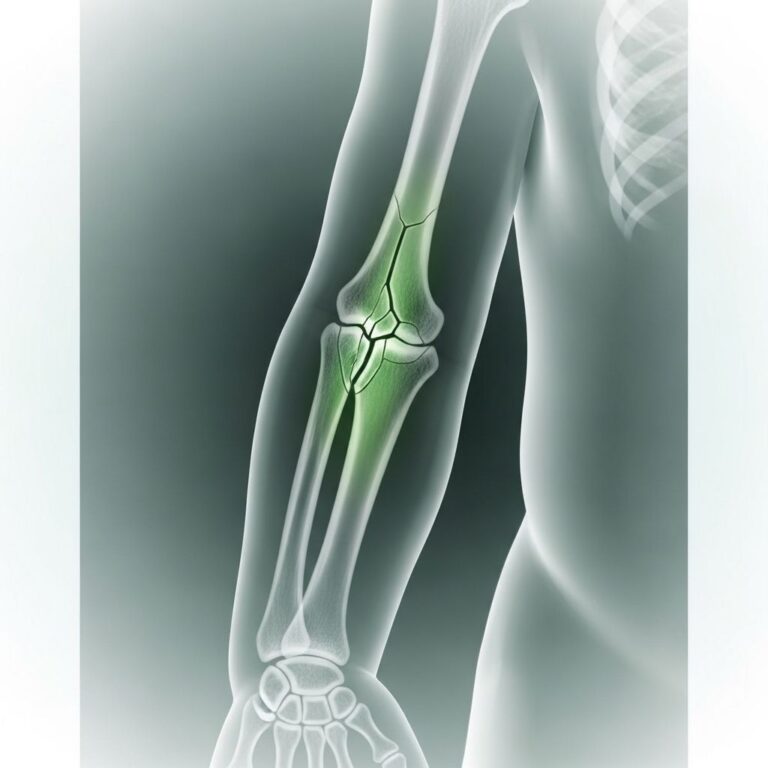
- Atypical Femoral Fractures: Dull thigh/groin pain after prolonged use; low-energy shaft/subtrochanteric breaks.
- Severe Musculoskeletal Pain: Occasionally incapacitating; may persist post-discontinuation.
Long-term use elevates ONJ and atypical fracture risks; periodic therapy holidays considered after 3-5 years in low-risk patients, guided by BMD and fracture history. Alendronate persists in bone for years, potentially offering residual protection 4-5 years post-cessation.
Related Stories



Contraindications and High-Risk Groups
Avoid in:
- Hypocalcemia, severe renal impairment (CrCl <35 mL/min).
- Esophageal abnormalities (stricture, achalasia) or swallowing disorders.
- Inability to upright for 30 minutes.
Use cautiously with GI disorders, heart failure (sodium content), dental issues, anemia, clotting problems, or infections—increased ONJ risk.
Drug Interactions and Lifestyle Considerations
Alendronate absorption hindered by:
- Calcium, aluminum, magnesium (antacids), iron supplements—separate by 30+ min.
- NSAIDs/aspirin may exacerbate GI irritation.
Encourage weight-bearing exercise, fall prevention, smoking cessation, and limited alcohol to amplify benefits.
Monitoring and Long-Term Strategy
Baseline: Serum calcium, renal function, BMD (DEXA scan).
- Osteoporosis: DEXA every 1-2 years; fracture risk assessment.
- Paget’s: ALP every 6 months initially.
- Annual dental exams; report new pains promptly.
Discontinuation: Weigh ongoing need vs. rare risks; alternatives include other bisphosphonates, denosumab, or anabolic agents like teriparatide.
Frequently Asked Questions (FAQs)
How soon does alendronate start working?
BMD improvements detectable within months; fracture risk reduction evident over 1-3 years.
Can I take alendronate with food?
No—must be fasted; food reduces absorption by 60%.
Does alendronate cause weight gain?
Not typically; rare reports of edema.
Is alendronate safe for kidneys?
Contraindicated if severe impairment; monitor creatinine.
What if I experience jaw pain?
Seek dental evaluation immediately—possible ONJ precursor.
Patient Tips for Success
- Set weekly reminders for dosing day.
- Use a pill organizer; mark calendar for upright time.
- Pair with calcium-rich diet (1200 mg/day) and vitamin D (800-2000 IU).
- Report persistent GI symptoms or new pains to provider.
Alendronate empowers proactive bone health management when used judiciously under medical supervision.
References
- Alendronate (oral route) – Mayo Clinic — Mayo Foundation for Medical Education and Research. 2023-10-01. https://www.mayoclinic.org/drugs-supplements/alendronate-oral-route/description/drg-20061571
- Fosamax (alendronate): Uses, side effects, dosage, and more — Medical News Today. 2024-05-15. https://www.medicalnewstoday.com/articles/fosamax
- Fosamax (alendronate sodium) tablets label — U.S. Food and Drug Administration. 2012-08-16. https://www.accessdata.fda.gov/drugsatfda_docs/label/2012/021575s017lbl.pdf
- Alendronate (Fosamax): Uses, Side Effects, Dosage & More — GoodRx. 2025-01-10. https://www.goodrx.com/alendronate/what-is
- Alendronate Tablets — Cleveland Clinic. 2024-02-20. https://my.clevelandclinic.org/health/drugs/20919-alendronate-tablets
Similar Articles








Read full bio of Sneha Tete