Alendronic Acid For Osteoporosis: What You Need To Know
Comprehensive guide to alendronic acid (Fosamax, Binosto): uses, dosage, side effects, and administration for osteoporosis treatment.
Alendronic acid, commonly known by brand names such as
Fosamax
andBinosto
, is a bisphosphonate medication widely used to treat and preventosteoporosis
. Osteoporosis is a condition where bones become thin, weak, and more prone to fractures, particularly in postmenopausal women and men with low bone mass. By slowing the natural breakdown of bone tissue, alendronic acid helps increase bone mineral density (BMD) and reduces the risk of fractures in the hip, spine, and other sites.This article provides a detailed overview of alendronic acid, including its uses, how to take it correctly, potential side effects, precautions, and who might benefit from this therapy. It is essential for patients starting treatment or seeking to understand their medication better.
About alendronic acid tablets
Alendronic acid belongs to the class of drugs called
bisphosphonates
, which work by inhibiting osteoclasts—the cells responsible for breaking down bone tissue. This mechanism allows osteoblasts (bone-building cells) to rebuild bone more effectively, leading to stronger bones over time.Available forms include standard tablets (Fosamax) and effervescent tablets (Binosto), which dissolve in water for those who have difficulty swallowing pills. Common strengths are 70 mg for weekly dosing or 10 mg for daily use in osteoporosis treatment. Unlike some medications, alendronic acid has very low absorption (less than 1% when taken orally), making proper administration critical for effectiveness.
Key facts about alendronic acid
- Drug group: Bisphosphonate.
- Used for: Osteoporosis treatment and prevention in postmenopausal women, men with osteoporosis, glucocorticoid-induced osteoporosis, and Paget’s disease of bone.
- Available doses: 5 mg, 10 mg daily; 35 mg, 70 mg weekly; effervescent 70 mg weekly.
- Treatment length: Typically 3-5 years; reassess need periodically as optimal duration is not fully determined.
- Common brands: Fosamax, Binosto.
About osteoporosis
**Osteoporosis** affects millions worldwide, characterized by reduced bone density and increased fracture risk. In postmenopausal women, declining estrogen levels accelerate bone loss. Men can also develop osteoporosis due to aging, low testosterone, or other factors. Fractures often occur in the hip, spine (vertebral compression), and wrist, leading to pain, disability, and reduced quality of life.
Diagnosis typically involves a DEXA scan measuring BMD. Alendronic acid is indicated when T-scores indicate osteoporosis (≤ -2.5) or high fracture risk. Clinical trials show it reduces vertebral fractures by up to 50% and hip fractures by 50% in postmenopausal women after three years.
How and when to take alendronic acid
Correct administration maximizes absorption and minimizes esophageal irritation. Take on an empty stomach, at least 30 minutes before the first food, drink, or other medication of the day.
For tablets (Fosamax):
- Take with a full glass (6-8 oz) of plain water while sitting or standing.
- Do not lie down for at least 30 minutes after taking.
- Swallow whole; do not chew or suck.
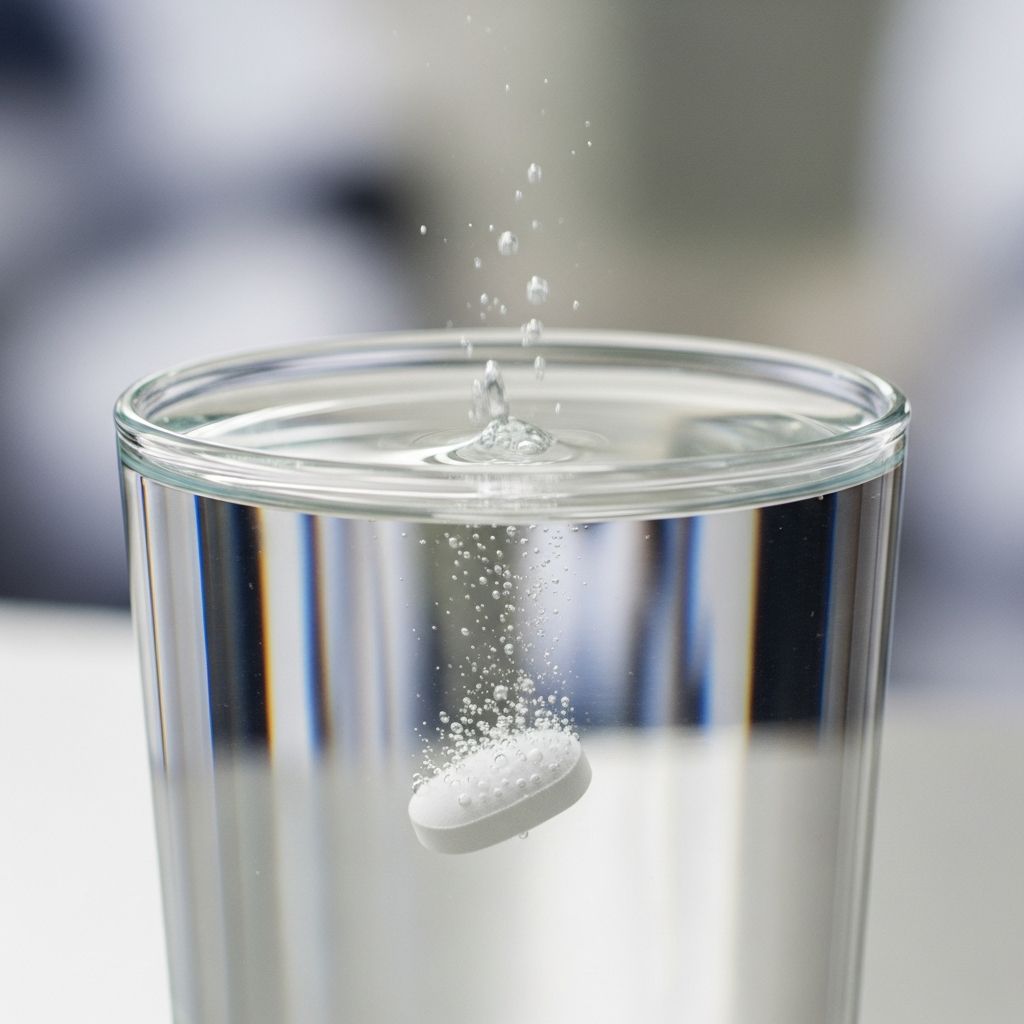
For effervescent tablets (Binosto):
- Dissolve one 70 mg tablet in 4 oz of room-temperature water (not mineral or flavored).
- Wait 5 minutes, then stir for 10 seconds, and drink immediately.
- Wait another 5 minutes, add more water, stir, and drink to rinse the glass.
- Avoid carbonated water or juice.
Related Stories



Dosing schedule:
| Condition | Recommended Dose |
|---|---|
| Treatment of postmenopausal osteoporosis | 70 mg once weekly or 10 mg daily |
| Increase bone mass in men with osteoporosis | 70 mg once weekly |
| Prevention of postmenopausal osteoporosis | 35 mg once weekly or 5 mg daily |
| Glucocorticoid-induced osteoporosis | 5 mg daily |
| Paget’s disease | 40 mg daily for 6 months |
Missed dose? Take the next dose on the scheduled day. Do not double up. Weekly dosing is preferred for convenience, with similar efficacy and tolerability to daily dosing.
Dosage
The standard dose for osteoporosis treatment is
one 70 mg tablet or effervescent tablet once a week
. For prevention, lower doses like 35 mg weekly may suffice. Daily options (5-10 mg) are alternatives but less common due to adherence issues.Adjustments: No dose changes for kidney impairment (creatinine clearance >35 mL/min); not recommended below that. Use caution in hepatic disease as it does not undergo hepatic metabolism. Duration: Re-evaluate after 3-5 years; low-risk patients may discontinue with periodic monitoring.
How long do you take alendronic acid for?
Treatment duration varies by risk. High-risk patients (prior fractures, very low BMD) may continue beyond 5 years with monitoring. Clinical data support safety up to 4 years; long-term use requires balancing benefits against rare risks like atypical femoral fractures. Periodic DEXA scans and fracture risk assessment guide decisions.
Getting the most from your treatment
- Combine with
calcium
(1200 mg/day) andvitamin D
(800-2000 IU/day) from diet or supplements. - Engage in
weight-bearing exercise
(walking, dancing) and avoid smoking/alcohol excess. - Fall prevention: Balance training, home safety modifications.
- Regular
DEXA scans
every 1-2 years to monitor BMD.
Lifestyle synergy enhances alendronic acid’s effects, potentially reducing fracture risk by 20-30% more.
Side effects
Most side effects are mild and gastrointestinal. Serious issues are rare but require attention.
Common side effects
- Heartburn, indigestion, nausea (5-10% of patients).
- Abdominal pain, diarrhea or constipation.
- Muscle/joint pain, headache.
These often improve with time or proper administration.
Serious side effects
- Osteonecrosis of the jaw (ONJ): Rare (<0.1%), more with dental procedures; maintain oral hygiene, inform dentist.
- Atypical femoral fractures: Very rare after long-term use; thigh/bone pain warrants evaluation.
- Esophageal issues: Ulcers if not taken upright with water.
- Hypocalcemia: Monitor in vitamin D deficiency.
Report severe symptoms like chest pain, difficulty swallowing, or new bone pain immediately.
Cautions
- Contraindications: Hypersensitivity, hypocalcemia, esophageal abnormalities (strictures), inability to stand/sit upright 30 min, severe renal impairment (CrCl <35 mL/min).
- Pregnancy/Breastfeeding: Category C; avoid.
- Interactions: Avoid NSAIDs (increased GI risk), calcium/antacids (bind drug—separate by 2+ hours).
- Dental work: Complete before starting; use caution during therapy.
Other medicines, food and drink
Take alendronic acid first thing in the morning with plain water only. Wait 30-60 minutes before coffee, tea, food, or other meds. Beverages like orange juice can reduce absorption. No known food interactions beyond timing.
Common questions about alendronic acid
Who can and cannot take alendronic acid tablets?
Suitable for adults with osteoporosis. Not for children (limited data in osteogenesis imperfecta shows mixed results), pregnant/breastfeeding women, or those with swallowing difficulties unable to follow upright posture rules.
How and when to take alendronic acid tablets?
First thing in the morning, upright with plain water, wait 30 min before anything else by mouth, stay upright.
Common questions
- Can alendronic acid cause jaw problems? Rarely osteonecrosis; good dental care mitigates risk.
- Does it cause hair loss? Not reported.
- Can I drink alcohol? Moderate; excess weakens bones.
- Can I drive? Yes, no drowsiness.
Key benefits from clinical studies
In postmenopausal women, 70 mg weekly increased lumbar spine BMD by 5-6% over 3 years vs. placebo, reducing new vertebral fractures by 47-50% and hip fractures by 51%. Similar gains in men. Weekly equals daily efficacy.
Alternatives to alendronic acid
Other bisphosphonates (risedronate, zoledronate), denosumab, teriparatide, or hormone therapy. Choice depends on risk profile, preferences, and tolerability.
FAQs
Q: Is weekly or daily dosing better?
A: Weekly 70 mg is as effective as daily 10 mg with better adherence; patient preference guides choice.
Q: How soon does it work?
A: BMD improvements in months; fracture risk reduction evident by 1-3 years.
Q: Can I stop after 5 years?
A: Yes for low-risk; monitor BMD/fracture risk.
Q: Does it interact with calcium supplements?
A: Yes; take later in day.
References
- BINOSTO (alendronate sodium) Prescribing Information — U.S. Food and Drug Administration (FDA). 2016-06-30. https://www.accessdata.fda.gov/drugsatfda_docs/label/2016/202344s011lbl.pdf
- Alendronate (Fosamax): Uses, Side Effects, Dosage & More — GoodRx Health. 2025-01-01. https://www.goodrx.com/alendronate/what-is
- Fosamax Information: Alendronate — Johns Hopkins Arthritis Center. 2024-05-15. https://www.hopkinsarthritis.org/patient-corner/drug-information/alendronate-fosamax/
- Alendronate (Binosto, Fosamax) – Uses, Side Effects — WebMD. 2025-08-20. https://www.webmd.com/drugs/2/drug-1257-7174/alendronate-oral/alendronate-oral/details
- Alendronate (oral route) – Description — Mayo Clinic. 2025-03-12. https://www.mayoclinic.org/drugs-supplements/alendronate-oral-route/description/drg-20061571
Similar Articles








Read full bio of Sneha Tete