Alfalfa Benefits: 6 Science-Backed Ways It Boosts Your Health
Discover the potential health benefits of alfalfa, from cholesterol management to antioxidant support and nutritional value.
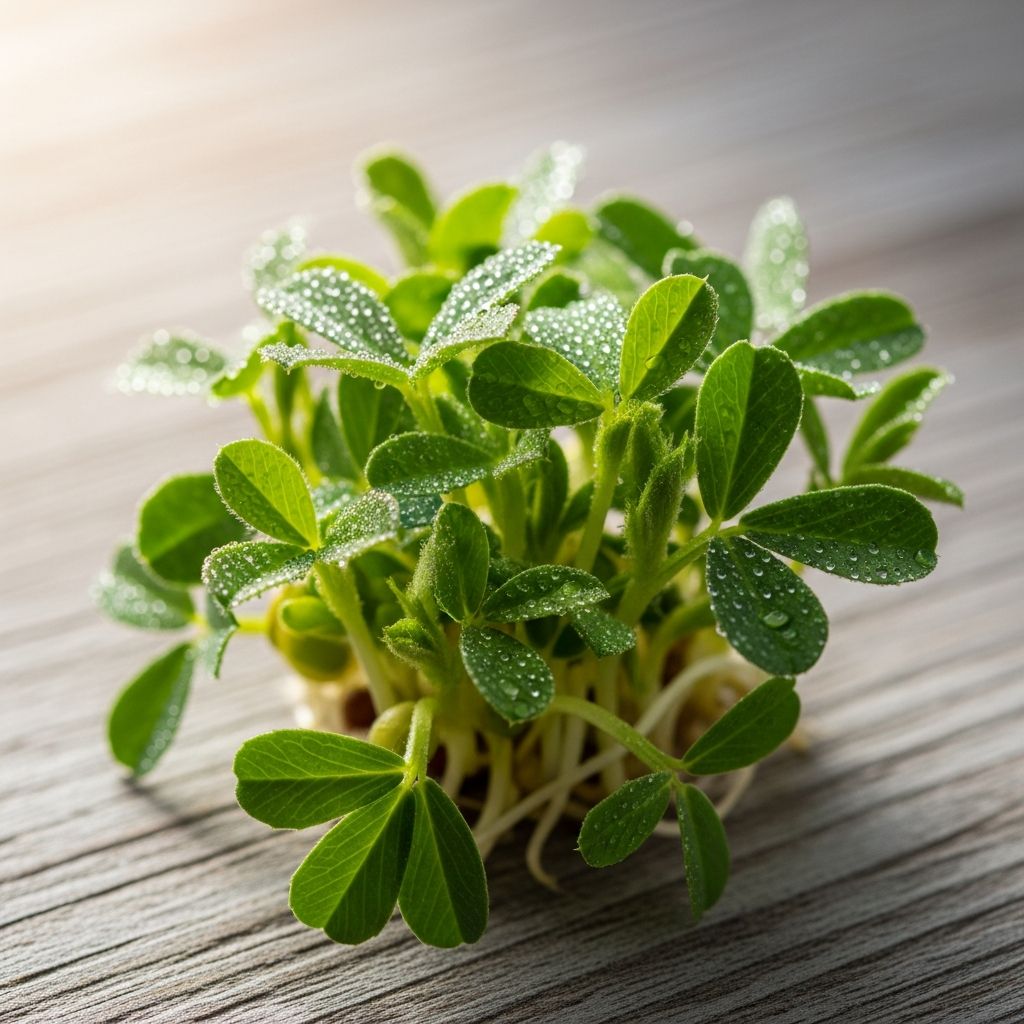
Alfalfa (Medicago sativa), also known as lucerne, is a nutrient-dense plant long used in traditional medicine and as livestock feed. Its sprouts, seeds, and leaves are packed with vitamins, minerals, and bioactive compounds that may offer health benefits like cholesterol reduction and antioxidant protection. While animal and preliminary studies show promise, human research remains limited.
What Is Alfalfa?
Alfalfa is a perennial flowering herb in the legume family, native to warmer temperate climates. It has been cultivated for over 1,500 years, primarily as high-protein fodder for animals due to its deep roots that access minerals from soil. Humans consume alfalfa sprouts in salads, smoothies, or as supplements in tablets, teas, or powders.
Nutritionally, alfalfa sprouts are low-calorie (8 calories per 1/3 cup serving) yet rich in
vitamin K
(28% DV),vitamin C
(4% DV), copper, folate, and magnesium. They provide protein (1.3g per serving), fiber, and phytoestrogens like saponins and isoflavones. These compounds contribute to its potential therapeutic effects, though bioavailability varies by preparation.- Key nutrients per 33g sprouts: Vitamin K: 26.4mcg; Folate: 18.9mcg; Magnesium: 10mg; Iron: 0.4mg.
- Contains chlorophyll, carotenoids, and flavonoids for detox and anti-inflammatory support.
Alfalfa Nutrition Facts
Alfalfa stands out for its dense nutrient profile relative to calories. A 100g serving of fresh sprouts delivers:
| Nutrient | Amount | % Daily Value |
|---|---|---|
| Vitamin K | 80.4mcg | 67% |
| Vitamin C | 15.2mg | 17% |
| Folate | 57.2mcg | 14% |
| Copper | 0.2mg | 22% |
| Magnesium | 30mg | 7% |
| Protein | 4g | 8% |
| Fiber | 2g | 7% |
These values make alfalfa a low-glycemic, alkaline-forming food ideal for plant-based diets. Its saponins and fiber aid digestion and cholesterol binding in the gut.
Potential Health Benefits of Alfalfa
1. May Lower Cholesterol Levels
**Alfalfa’s most researched benefit** is cholesterol reduction, primarily via saponins—plant compounds that bind bile acids and cholesterol in the intestines, promoting excretion. Animal studies show alfalfa lowers total cholesterol, LDL (bad) cholesterol, and triglycerides while raising HDL (good) cholesterol, potentially reducing heart disease risk.
One human trial with alfalfa seeds reported a 26% drop in total cholesterol and 30% in LDL over eight weeks, though levels rebounded post-treatment. Saponins inhibit cholesterol absorption and synthesis, mimicking statin effects mildly. A plant-based diet including alfalfa supports cardiovascular health by reducing inflammation.
While promising, larger human trials are needed; current evidence is stronger in animals.
2. Supports Healthy Blood Sugar and Metabolic Health
Traditionally used as an antidiabetic, alfalfa may improve cardiometabolic markers. Animal studies demonstrate reduced blood sugar, fats, and insulin resistance, possibly due to fiber, saponins, and polyphenols that enhance glucose uptake.
In nicotine-induced oxidative stress models, alfalfa extracts improved lipid profiles, liver enzymes, and antioxidant status in a dose-dependent manner. This suggests protective effects against metabolic syndrome, though human data is preliminary. Adding alfalfa to meals boosts plant intake without calories, aiding diabetes management.
3. Powerful Antioxidant Effects
Alfalfa combats oxidative stress with vitamins C and E, flavonoids, carotenoids, and phenolics that neutralize free radicals. Test-tube and animal studies show it reduces cell death, DNA damage, and malondialdehyde (oxidative marker) while boosting enzymes like SOD, CAT, and GPx.
Related Stories



In liver damage models, alfalfa mitigated inflammation, improved histopathology, and enhanced antioxidant defenses. These properties may support aging, immunity, and disease prevention, aligning with Ayurvedic uses for inflammation. Human confirmation is awaited.
4. Detoxification and Liver Support
Alfalfa’s chlorophyll and minerals aid gentle detoxification by binding toxins and heavy metals. Studies indicate it lowers liver enzymes and proinflammatory cytokines in toxin-exposed animals. Its diuretic properties may flush kidneys, traditionally treating stones and edema—though evidence is anecdotal.
5. May Ease Menopause and Women’s Health
Phytoestrogens (isoflavones) mimic estrogen, potentially relieving hot flashes, cramps, and bone loss. Alfalfa provides bone-supporting vitamin K, calcium, and magnesium. Limited studies suggest benefits for reproductive health, but more research is required.
6. Other Traditional Benefits
- Arthritis relief via anti-inflammatory compounds.
- Improved lactation and digestion from fiber.
- Allergy support through antihistamine-like effects.
These lack robust trials but highlight alfalfa’s versatility.
How to Use Alfalfa Safely
Sprouts: Add 1/2–1 cup to salads, sandwiches, wraps, or juices daily. Rinse thoroughly to minimize bacterial risk.
Supplements: 500–1,000mg capsules or 1–2 tsp powder; start low. Teas from leaves (1 tsp per cup, steep 10min).
Dosage guidance: No standard; consult providers. Combine with balanced diet for synergy.
- Recipes: Alfalfa sprout salad with lemon vinaigrette; green smoothies with apple, ginger; seed pesto.
Side Effects and Risks
Generally safe in food amounts, but risks include:
- Lupus-like syndrome: Autoimmune flare from L-canavanine in sprouts. Avoid if autoimmune history.
- Blood thinning: High vitamin K interferes with warfarin.
- Estrogenic effects: Hormone-sensitive conditions (breast cancer, endometriosis).
- Bacterial contamination: E. coli/Salmonella in raw sprouts; cook or buy pasteurized.
- GI upset: Excess fiber causes bloating.
Contraindications: Pregnancy/breastfeeding (estrogens); hormone therapies; kidney issues (oxalate content). Consult doctor if on meds.
Frequently Asked Questions (FAQs)
Is alfalfa good for cholesterol?
Yes, animal and small human studies show saponins in alfalfa reduce LDL and total cholesterol by binding in the gut.
Can alfalfa lower blood sugar?
Promising in animals for metabolic health, but human evidence is limited.
Is alfalfa safe for daily use?
Food amounts are safe; supplements may pose risks for certain groups. Consult a professional.
Does alfalfa have vitamin K?
High in vitamin K (67% DV per 100g sprouts), supporting bone and heart health.
Can I eat alfalfa sprouts pregnant?
Avoid raw sprouts due to bacteria and estrogenic risks.
References
- Alfalfa: Benefits, Nutrition Facts & Side Effects — Healthline. 2023-05-10. https://www.healthline.com/nutrition/alfalfa
- 4 Health Benefits of Alfalfa — Cleveland Clinic. 2023-08-15. https://health.clevelandclinic.org/alfalfa-benefits
- The Antioxidant Properties of Alfalfa (Medicago sativa L.) — PMC/NCBI. 2022-04-12. https://pmc.ncbi.nlm.nih.gov/articles/PMC8976666/
- Alfalfa as a nutritional supplement — EBSCO Research Starters. 2024-01-05. https://www.ebsco.com/research-starters/nutrition-and-dietetics/alfalfa-nutritional-supplement
- Alfalfa: Benefits, Uses & Side Effects — Gaia Herbs. 2023-11-20. https://www.gaiaherbs.com/blogs/seeds-of-knowledge/alfalfa
- Alfalfa – Health Library — Vanderbilt Health. 2023-02-28. https://healthlibrary.vanderbilthealth.com/Search/19,Alfalfa
Similar Articles








Read full bio of Sneha Tete