Alfuzosin for Prostate Gland Enlargement: Xatral
Complete guide to alfuzosin treatment for benign prostatic hyperplasia and enlarged prostate symptoms.
Alfuzosin for Prostate Gland Enlargement: A Complete Guide
Benign prostatic hyperplasia (BPH), commonly known as an enlarged prostate gland, affects many men as they age. This condition can lead to bothersome urinary symptoms that significantly impact daily life. Alfuzosin, marketed under the brand name Xatral, is an effective medication that helps manage these symptoms and improve urinary function. This comprehensive guide covers everything you need to know about alfuzosin treatment, including how it works, proper usage, and what to expect during treatment.
About Alfuzosin
| Property | Details |
|---|---|
| Type of Medicine | Alpha-blocker (alpha-1 receptor antagonist) |
| Used For | Benign prostatic hyperplasia (enlarged prostate) |
| Brand Names | Xatral, Uroxatral |
| Available Forms | Immediate-release tablets and prolonged-release tablets |
| Typical Dosage | 10 mg once daily (extended-release) |
How Alfuzosin Works
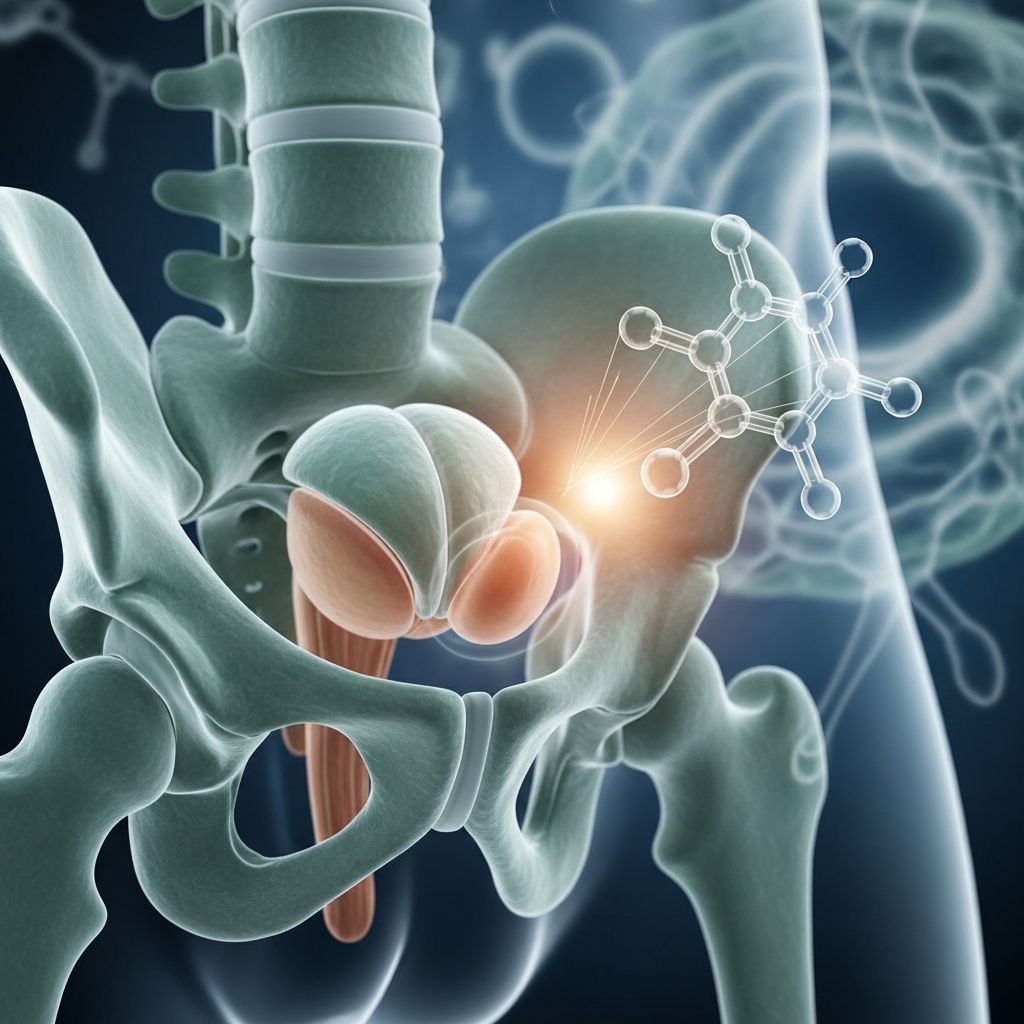
Alfuzosin works by relaxing the muscles around your bladder and prostate gland, making it easier to pass urine. The medication belongs to a group of drugs called alpha-blockers, which specifically target alpha-1 adrenergic receptors found abundantly in the prostate and bladder neck. By selectively blocking these receptors, alfuzosin causes smooth muscle relaxation in these areas, improving urinary flow rate and alleviating the bothersome symptoms associated with benign prostatic hyperplasia.
Unlike medications that shrink the prostate itself, alfuzosin addresses the muscular tension that restricts urine flow. This mechanism of action provides relatively rapid symptom relief, with many patients experiencing improvements within days of starting treatment. The medication does not affect prostate size but rather optimizes the function of existing urinary structures.
Types of Alfuzosin Tablets
Alfuzosin is available in two formulations to suit different treatment needs and patient preferences:
- Immediate-Release Tablets: These tablets require multiple doses throughout the day, typically taken three times daily. They provide quick absorption and relief but demand more frequent dosing schedules.
- Prolonged-Release Tablets: Also known as extended-release formulations, these tablets are taken once daily as they release alfuzosin slowly throughout the day. The brand name includes “XL” after Xatral (such as Xatral XL). These are often preferred due to improved convenience and better medication adherence.
Indications and Uses
Alfuzosin is primarily indicated for treating symptoms associated with benign prostatic hyperplasia, including:
- Urinary retention and difficulty urinating
- Nocturia (frequent nighttime urination)
- Urinary incontinence
- Frequent daytime urination
- Weak or interrupted urinary stream
- Sensation of incomplete bladder emptying
Additionally, alfuzosin may be used as a supportive treatment in cases of acute urinary retention requiring catheterization, particularly in patients over 65 years of age. In some instances, physicians may prescribe alfuzosin off-label to assist in the expulsion of ureteral stones from the urinary tract.
Clinical Efficacy
Clinical studies demonstrate the effectiveness of alfuzosin in real-world practice. A comprehensive 3-year European study involving 689 men showed that alfuzosin at 10 mg once daily produced significant symptom improvements:
- International Prostate Symptom Score (IPSS) improved by 6.4 points (-33.4% from baseline)
- Nocturia reduced by 0.8 episodes nightly (-25.5% from baseline)
- Bother scores decreased by 1.7 points (-40.7% from baseline)
- 71.3% of men achieved clinically meaningful improvement
- 47.2% of men achieved substantial symptom relief of more than 6 points on IPSS
Symptom relief with alfuzosin is typically rapid and maintained over extended treatment periods, making it a reliable long-term management option for BPH.
How to Take Alfuzosin
Before Starting Treatment
Before beginning alfuzosin therapy, read the manufacturer’s printed information leaflet included in the medication packaging. This leaflet provides detailed information about the medication and a comprehensive list of possible side effects you may experience.
Related Stories



Dosage Instructions
Take alfuzosin exactly as your doctor prescribes. Follow these important guidelines:
- Swallow tablets whole: Do not break, crush, or chew alfuzosin tablets, as this affects how the medication is released into your system.
- Take with water: Swallow tablets with a drink of water for proper administration.
- For prolonged-release tablets (XL): Take one tablet every day with a snack or just after eating a meal. Taking with food can improve absorption and tolerability.
- Timing: After the first dose, take your medication at a time of day that best suits you, but try to maintain consistency by taking doses at the same time daily. This routine helps ensure regular medication adherence.
If You Forget a Dose
If you forget to take a dose, do not worry. Simply take the next dose when it is due and continue with your regular schedule. Never take two doses together to make up for a forgotten dose, as this increases the risk of side effects and overdose.
Important Precautions and Warnings
Before starting alfuzosin treatment, inform your doctor if any of the following apply to you:
- You need to have cataract eye surgery scheduled
- You have liver, kidney, or heart problems
- You have previously had an allergic reaction to any medicine
- You are taking or using any other medications, including over-the-counter medicines, herbal supplements, or complementary therapies
These precautions are important because alfuzosin may interact with other medications or be contraindicated in certain medical conditions. Your healthcare provider needs complete information to ensure safe and effective treatment.
Side Effects of Alfuzosin
Like all medications, alfuzosin can cause unwanted side effects, although not everyone experiences them. The table below outlines common side effects and practical management strategies:
| Common Side Effect | Management Strategy |
|---|---|
| Feeling tired, dizzy, faint, or weak | Do not drive or operate tools/machinery while affected. Rest until symptoms resolve. |
| Light-headedness when rising from lying or sitting position | Get up more slowly and deliberately. If dizziness occurs, lie down to prevent fainting, then sit for a few moments before standing again. |
| Headache | Take over-the-counter pain relief as directed, stay hydrated, and rest. |
| Palpitations or rapid heartbeat | Report to your healthcare provider if persistent or bothersome. |
Many unwanted effects improve as your body adjusts to the medication over time. However, if any side effects continue or become troublesome, speak with your doctor or pharmacist. They may adjust your dosage, modify your timing of administration, or recommend alternative treatments.
A complete list of all possible side effects is provided in the manufacturer’s information leaflet supplied with your medicine. Always consult this documentation and discuss any concerns with your healthcare provider.
Safety Considerations During Treatment
While taking alfuzosin, observe these important safety guidelines:
- Avoid driving and machinery: If you experience dizziness, drowsiness, or weakness, do not drive vehicles or operate machinery until these effects pass completely.
- Rise slowly: When standing up from a lying or sitting position, move slowly to minimize orthostatic hypotension (sudden drops in blood pressure).
- Stay hydrated: Maintain adequate fluid intake unless otherwise directed by your healthcare provider.
- Monitor symptoms: Keep track of your urinary symptoms and report any significant changes to your doctor.
- Regular check-ups: Attend all scheduled medical appointments to monitor treatment efficacy and safety.
Long-Term Efficacy and Outcomes
Long-term clinical data supports the sustained effectiveness of alfuzosin therapy. Studies indicate that symptom relief is rapid and maintained over extended periods, with treatment helping to identify patients at risk of LUTS/BPH progression for optimized management. Factors that may predict need for further intervention include:
- Symptom worsening during alfuzosin treatment (IPSS increase of 4 or more points)
- High baseline PSA values
- Acute urinary retention episodes
These predictive factors help healthcare providers identify patients who may require additional treatments such as surgical intervention or alternative medications.
Frequently Asked Questions
Q: How long does it take for alfuzosin to start working?
A: Many patients experience symptom relief relatively quickly, often within days of starting treatment. However, full benefits may take several weeks to manifest as your body adjusts to the medication. Consistent daily dosing is essential for optimal results.
Q: Can I stop taking alfuzosin whenever I want?
A: Do not stop taking alfuzosin without consulting your doctor, even if you feel better. Stopping suddenly may cause symptoms to return. Your healthcare provider will advise you on when and how to discontinue treatment if appropriate.
Q: Does alfuzosin shrink the prostate?
A: No, alfuzosin does not reduce prostate size. Instead, it relaxes the muscles around the prostate and bladder, improving urine flow. Other medications like 5-alpha reductase inhibitors can shrink the prostate, but alfuzosin addresses the muscular component of obstruction.
Q: Can I take alfuzosin with other medications?
A: Always inform your doctor about all medications you are taking. While alfuzosin can be combined with many drugs, some medications may interact with it. Your healthcare provider will determine safe combinations based on your individual circumstances.
Q: What should I do if I experience severe dizziness?
A: If you experience severe dizziness or fainting, lie down immediately to prevent injury. Contact your doctor promptly, as this may indicate a need for dosage adjustment or alternative treatment.
Q: Is alfuzosin safe for long-term use?
A: Yes, clinical studies demonstrate that alfuzosin is effective and well-tolerated for long-term use over multiple years. Regular monitoring by your healthcare provider ensures continued safety and efficacy.
Q: Can alfuzosin affect prostate cancer screening?
A: While alfuzosin does not directly affect prostate cancer, your healthcare provider may recommend prostate cancer screening before starting alfuzosin and regular screenings thereafter, as BPH and prostate cancer can occur simultaneously.
References
- Alfuzosin for prostate gland enlargement — Patient.info. Accessed 2026. https://patient.info/medicine/alfuzosin-for-prostate-gland-enlargement-xatral-2
- Alfuzosin 10 mg once daily for treating benign prostatic hyperplasia — PubMed/National Center for Biotechnology Information. 2008. https://pubmed.ncbi.nlm.nih.gov/18321317/
- Alfuzosin (Uroxatral) Extended-Release Tablets: Uses & Side Effects — Cleveland Clinic. https://my.clevelandclinic.org/health/drugs/19522-alfuzosin-extended-release-tablets
- Xatral Factsheet, Uses & Common Side Effects — Rexall. https://www.rexall.ca/article/drug/view/id/1636/
- Xatral XL – Effects, Dosage, and Usage Precautions — Vinmec. https://www.vinmec.com/eng/blog/xatral-xl-effects-dosage-and-usage-notes-en
- Alfuzosin: MedlinePlus Drug Information — U.S. National Library of Medicine. https://medlineplus.gov/druginfo/meds/a604002.html
- UROXATRAL (alfuzosin HCl) extended-release tablets Prescribing Information — Sanofi. https://products.sanofi.us/uroxatral/uroxatral.html
Similar Articles








Read full bio of Sneha Tete