Alkaline Diet Comprehensive Guide: Benefits, Risks, and Foods
Explore the alkaline diet: what it is, claimed benefits, scientific evidence, foods to eat and avoid, and expert insights for better health.
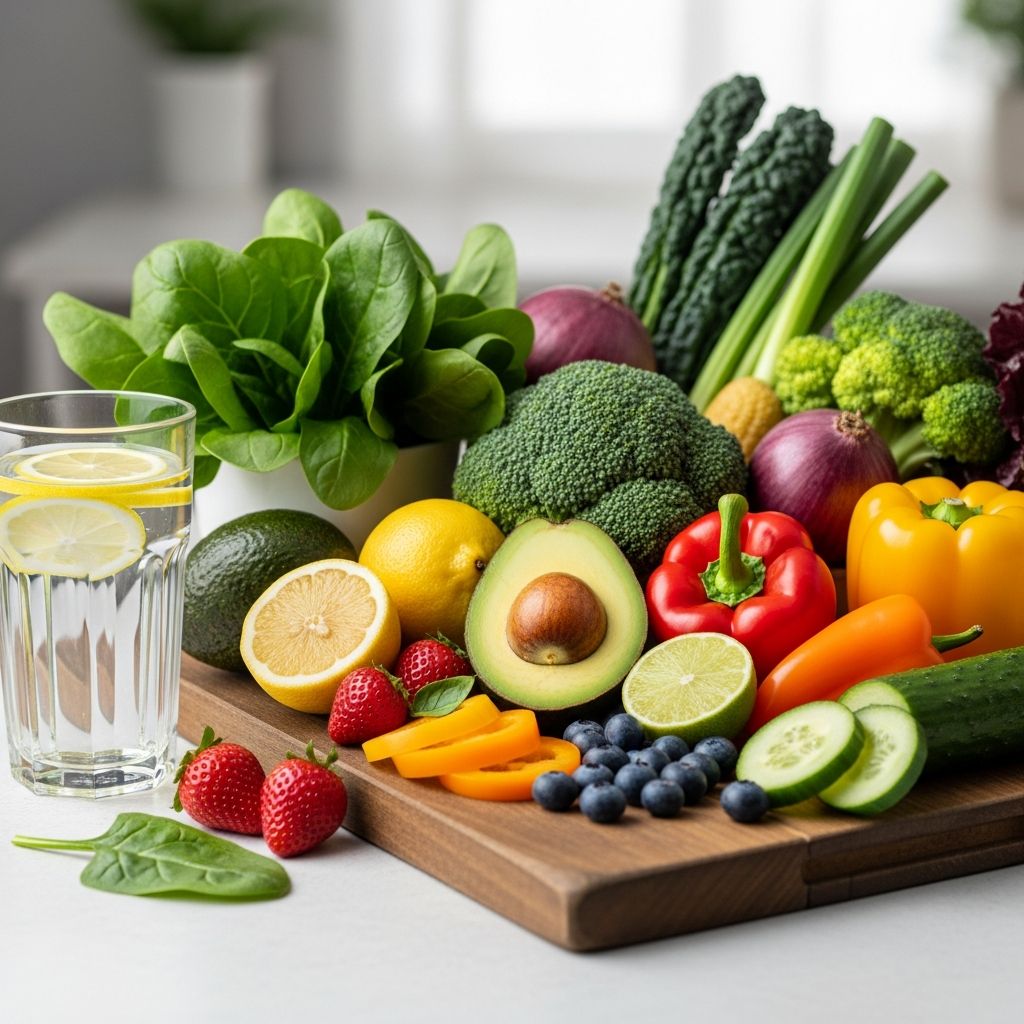
The alkaline diet, also known as the acid-alkaline diet or alkaline ash diet, promotes consuming foods that purportedly create an alkaline environment in the body to optimize health, prevent diseases, and promote weight loss. Proponents claim it can combat issues like cancer, osteoporosis, and low energy by balancing the body’s pH levels through diet.
However, scientific evidence largely debunks the idea that diet significantly alters blood pH, as the body tightly regulates it via lungs and kidneys. Benefits, if any, stem from increased intake of fruits, vegetables, and whole foods rather than pH changes. This article examines the diet’s principles, evidence, foods, benefits, risks, and practical tips.
What Is the Alkaline Diet?
The alkaline diet is based on the theory that foods leave an ‘ash’ residue after metabolism—alkaline or acidic—affecting body pH. Acidic foods like meat and dairy allegedly acidify the body, leading to disease, while alkaline foods like fruits and vegetables neutralize this.
The body’s blood pH remains stable at 7.35–7.45. Urine pH may vary with diet, but this doesn’t reflect overall health. Popularized by celebrities like Tom Brady, the diet emphasizes 80% alkaline foods and 20% acidic ones.
How the Alkaline Diet Works
Foods are classified by their Potential Renal Acid Load (PRAL), measuring acid or base production. Negative PRAL indicates alkaline-forming; positive indicates acid-forming.
The body compensates for dietary acid via bone buffering, potentially leaching calcium and contributing to osteoporosis—a key claim, though evidence is limited. Alkaline diets may increase growth hormone, reduce muscle wasting, and improve K/Na ratios for cardiovascular health.
Critics note no substantial evidence for pH-altering disease prevention; benefits arise from plant-rich eating aligning with dietary guidelines.
Alkaline vs. Acidic Foods
Understanding food categories is crucial. Here’s a breakdown:
- Alkaline-Forming Foods (Prioritize These): Most fruits (lemons, limes, avocados, tomatoes), vegetables (broccoli, spinach, kale, cucumbers), nuts (almonds), seeds, legumes, tofu, and some grains like quinoa.
- Acidic-Forming Foods (Limit These): Meat, poultry, fish, dairy, eggs, most grains (wheat, rice), processed foods, sugar, caffeine, alcohol.
- Neutral Foods: Healthy fats like olive oil, herbal teas.
| Category | Alkaline Examples | Acidic Examples |
|---|---|---|
| Fruits | Lemons, watermelon, bananas | Cranberries (in excess) |
| Vegetables | Kale, celery, garlic | None major |
| Proteins | Tofu, lentils | Beef, cheese |
| Grains | Quinoa, amaranth | Wheat bread, pasta |
Source classifications from PRAL indices.
Potential Health Benefits of the Alkaline Diet
While pH claims lack robust support, the diet’s plant focus offers evidence-based perks:
- Bone Health: May reduce urinary calcium loss and improve K/Na ratios, potentially protecting bones, though no direct osteoporosis prevention proven.
- Muscle Preservation: Linked to higher growth hormone levels, reducing age-related muscle wasting.
- Chronic Disease Risk: More fruits/veggies lower hypertension, stroke risk; limits processed foods.
- Weight Loss: Calorie reduction from whole foods aids loss, not pH.
- Kidney Stone Prevention: Alkaline urine may reduce stone risk.
- Cancer: No evidence it prevents or treats cancer; some chemo may work better in alkaline environments, but unproven.
Related Stories



A systematic review found potential in reducing chronic disease morbidity via plant foods.
Scientific Evidence on the Alkaline Diet
Evidence is mixed. A NIH review (2011, still cited for lack of newer contradictory data) notes alkaline diets may benefit bone/muscle but lack strong osteoporosis protection. Healthline’s evidence-based review states no pH impact on disease; benefits from whole foods.
WebMD emphasizes nutritious foods but debunks pH-disease link. For kidney disease, low-protein versions may help, unrelated to pH. Overall, consensus: healthy due to plants, not alkalinity.
Pros and Cons of the Alkaline Diet
| Pros | Cons |
|---|---|
| Increases fruits/veggies intake | Restricts healthy foods like dairy, eggs, fish |
| Eliminates processed foods/sugar | Potential nutrient deficiencies (B12, calcium, protein) |
| May aid weight loss | Lacks long-term studies |
| Simple, no special products needed | Not suitable for athletes/bodybuilders needing protein |
| Promotes hydration | pH theory pseudoscientific |
Balanced view: Great for plant-sluggish eaters, risky if overly restrictive.
Foods to Eat and Avoid on the Alkaline Diet
Foods to Eat
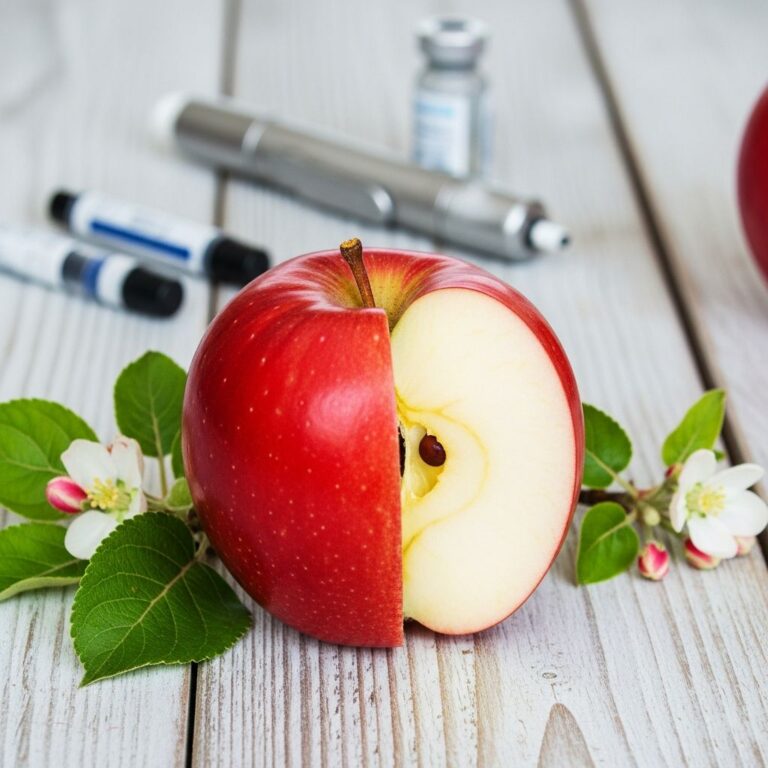
- Fruits: Apples, berries, citrus, melons
- Vegetables: Leafy greens, root veggies, cruciferous
- Proteins: Lentils, chickpeas, almonds, chestnuts
- Grains: Millet, buckwheat
- Beverages: Water, herbal tea, green juice
Foods to Avoid
- Animal proteins: Red meat, poultry, seafood
- Dairy: Milk, cheese, yogurt
- Grains: White rice, bread, pasta
- Processed: Soda, candy, fast food
- Stimulants: Coffee, black tea, alcohol
Sample Alkaline Diet Meal Plan
A 7-day plan emphasizing variety:
Day 1
- Breakfast: Green smoothie (spinach, banana, almond milk)
- Lunch: Quinoa salad with cucumber, tomatoes, avocado
- Dinner: Steamed broccoli, tofu stir-fry
- Snack: Apple slices with almonds
Day 2
- Breakfast: Chia pudding with berries
- Lunch: Lentil soup, kale salad
- Dinner: Baked sweet potato, asparagus
- Snack: Celery sticks
(Continue similarly for Days 3-7 with rotations: veggie wraps, nut-based snacks, fruit bowls, legume patties. Aim for 80/20 ratio.) Total daily calories ~1800-2200 for average adult.
Risks and Side Effects
Restricting proteins/dairy risks deficiencies in B12, iron, calcium, omega-3s. Muscle loss possible for active individuals. Consult doctor, especially with kidney issues or pregnancy. Initial detox symptoms like fatigue common.
Is the Alkaline Diet Right for You?
Ideal if you want more plants; not for pH miracles. Combine with balanced nutrition. Experts recommend per 2015-2020 Dietary Guidelines: half plate fruits/veggies.
Frequently Asked Questions (FAQs)
What does the alkaline diet do to your body?
It encourages plant foods, potentially improving nutrient intake and reducing processed food consumption, but doesn’t change blood pH.
Does the alkaline diet really work?
For weight loss and health via whole foods yes; pH claims no.
Can the alkaline diet cure cancer?
No evidence supports this; consult oncologists.
How do you start the alkaline diet?
Gradually add fruits/veggies, cut processed items; use pH strips for urine if desired, but not necessary.
Is coffee allowed on alkaline diet?
Limited amounts; it’s acidic.
Alkaline diet vs. keto?
Alkaline is plant-heavy, low-protein; keto high-fat, low-carb.
References
- Is There Evidence That an Alkaline pH Diet Benefits Health? — NIH/PMC. 2011-07-13. https://pmc.ncbi.nlm.nih.gov/articles/PMC3195546/
- Unveiling the Alkaline Diet: Separating Fact from Fiction — Washington Internal Medicine. 2023. https://www.washingtoninternalmedicine.com/blog/unveiling-the-alkaline-diet-separating-fact-from-fiction
- The Alkaline Diet: An Evidence-Based Review — Healthline. 2023-10-01. https://www.healthline.com/nutrition/the-alkaline-diet-myth
- Alkaline Diet: Foods High in Alkaline — WebMD. 2024. https://www.webmd.com/diet/alkaline-diets
- The Truth About The Alkaline Diet — Food and Health Communications. 2022. https://www.foodandhealth.com/blog/the-truth-about-the-alkaline-diet
- The alkaline diet: What cancer patients should know — MD Anderson Cancer Center. 2020-01-30. https://www.mdanderson.org/cancerwise/alkaline-diet–what-cancer-patients-should-know.h00-159223356.html
Similar Articles








Read full bio of Sneha Tete