Alkaptonuria And Ochronosis: What You Need To Know
Rare genetic disorder causing dark urine, pigment deposits, arthritis, and joint issues in adulthood.
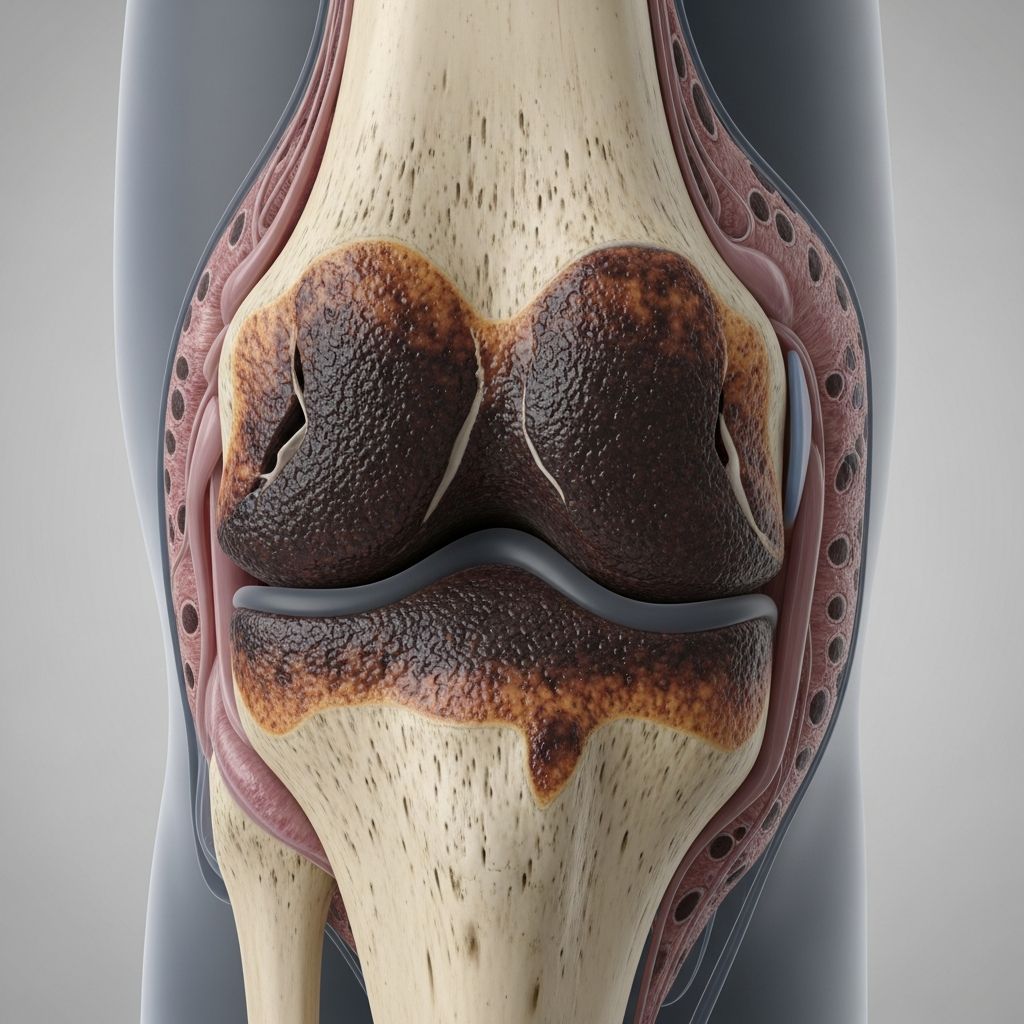
Alkaptonuria is a rare inherited metabolic disorder characterised by the accumulation of homogentisic acid (HGA), leading to urine that darkens on standing and progressive deposition of ochre-coloured pigment in connective tissues, known as ochronosis. This condition primarily manifests in adulthood with arthropathy, pigmentation changes, and potential cardiac and renal complications.
What is alkaptonuria?
Alkaptonuria, also called endogenous ochronosis, arises from a deficiency in the enzyme homogentisate 1,2-dioxygenase (HGD), encoded by the HGD gene on chromosome 3q. This autosomal recessive disorder prevents the breakdown of HGA, a byproduct of phenylalanine and tyrosine metabolism. Excess HGA oxidises and polymerises into a dark pigment that deposits in cartilage, tendons, ligaments, and skin, causing ochronosis.
The hallmark early sign is urine that turns black upon exposure to air due to HGA oxidation, often noticed in infancy when diapers darken. However, most individuals remain asymptomatic until the third or fourth decade of life, when pigment deposits become clinically evident.
Who gets alkaptonuria (epidemiology)?
Alkaptonuria affects approximately 1 in 250,000 to 1 million people worldwide, with higher prevalence in certain populations, such as 1 in 19,000 in Slovakia and Slovakia’s Domaca community. Both sexes are equally affected, as it is autosomal recessive—requiring two mutated alleles, one from each carrier parent.
- Prevalence: Rare, ~1:250,000–1,000,000 globally.
- Demographics: No sex or racial predominance; founder effects in isolated groups.
- Carriers: Heterozygotes are asymptomatic but detectable via genetic testing.
What causes alkaptonuria?
Mutations in the HGD gene (over 150 identified) impair enzyme function, leading to HGA buildup. Circulating HGA binds to collagen in connective tissues, forming ochronotic pigment that weakens fibres, promotes inflammation, and calcifies over time. This process spares childhood but accelerates post-puberty.
Exogenous factors like diet high in tyrosine/phenylalanine exacerbate HGA production, though genetics is primary.
What are the clinical features of alkaptonuria?
Clinical manifestations evolve over decades:
- Urinary changes: Darkening urine on standing (not immediate); dark sweat, earwax (reddish-brown/jet-black).
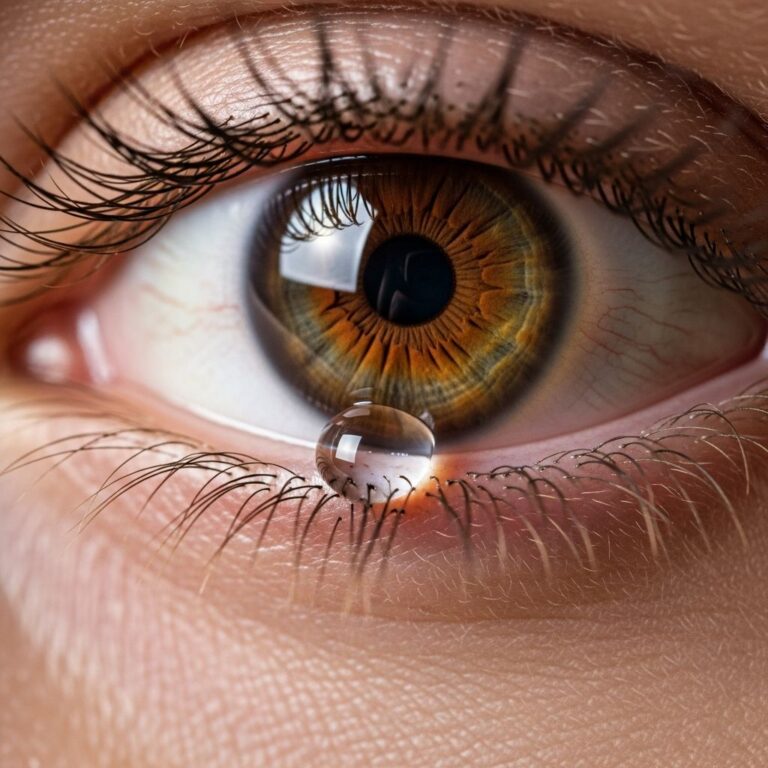
- Ochronotic pigmentation: Blue-black discoloration of ear cartilage (thickened pinna), sclera (scleral crescent), nose, cheeks, hands, nails (after age 30).
- Musculoskeletal: Low back pain/stiffness (30s–40s), progressing to hips, knees, shoulders; destructive arthropathy with osteophytes, disc calcification, tendon ruptures.
- Other: Prostate/kidney stones, aortic stenosis/regurgitation, laryngeal/tracheal deposits (hoarseness, dyspnoea), brittle tendons.
Arthritis mimics ankylosing spondylosis but affects large joints symmetrically, often requiring replacements by age 40–50.
Exogenous ochronosis
Unlike endogenous (alkaptonuric) ochronosis, exogenous form results from prolonged topical hydroquinone use (2–5%, common in sub-Saharan Africa for hyperpigmentation), minocycline, antimalarials, or phenolic compounds. It localises to skin (face, cheeks, ears), sparing internal organs, with coarse collagen bundles and yellow-brown fibres histologically.
| Feature | Endogenous (Alkaptonuric) | Exogenous |
|---|---|---|
| Aetiology | HGD mutation | Hydroquinone/minocycline |
| Sites | Cartilage, joints, sclera, ears | Skin (face) |
| Systemic | Yes (arthritis, cardiac) | No |
| Onset | Adulthood | Years of exposure |
Diagnosis of alkaptonuria and ochronosis
Diagnosis combines history, exam, and tests:
- Clinical: Dark urine history, ear/scleral pigmentation, arthropathy.
- Urine: Elevated HGA via chromatography/gas chromatography-mass spectrometry (diagnostic).
- Imaging: Spine X-rays (disc calcification, ‘shiny corners’), DEXA for bone density, echocardiography for valves.
- Biopsy: Gold standard—ochronotic fibres (yellow-brown) in dermis/cartilage via skin/ear punch.
- Genetic: HGD sequencing confirms.
Related Stories



Differential: Exogenous ochronosis (medication history), amyloidosis, hemochromatosis, ochronotic arthropathy mimics.
How is alkaptonuria/ochronosis treated?
No cure exists; management is symptomatic and preventive:
- Diet: Low-protein (phenylalanine/tyrosine restriction) from diagnosis.
- Vitamin C: 1g/day inhibits HGA polymerisation.
- Nitisinone: Off-label 2–4mg twice daily reduces urinary HGA by 95%, slows progression (phase 3 trials ongoing).
- Symptomatic: NSAIDs, physio, joint replacements (hips/knees/spine fusion).
- Exogenous: Stop agent; lasers (Q-switched Nd:YAG), peels, retinoids.
Monitor: Annual echo, DEXA, renal function, ophthalmology.
What is the outcome for alkaptonuria/ochronosis?
Life expectancy is normal with management, though arthropathy impairs quality of life by 40s. Complications include renal failure (rare), cardiac valve surgery. Early intervention with nitisinone/diet may alter trajectory.
Prevention of alkaptonuria
Genetic counselling for carriers; prenatal testing. Early screening in high-prevalence areas via newborn urine HGA.
FAQ
Who gets alkaptonuria?
Anyone with two mutated HGD genes; prevalence 1:250,000–1M.
Does alkaptonuria affect life expectancy?
Generally normal, but monitor heart/kidneys.
Can alkaptonuria be cured?
No cure; nitisinone mitigates progression.
Is ochronosis only from alkaptonuria?
No, exogenous from hydroquinone etc., skin-only.
How is dark urine tested?
Urine chromatography for HGA.
Related topics
- Ankylosing spondylitis
- Osteoarthritis
- Metabolic arthropathies
References
- Ochronosis — Rheumatology Advisor. 2023. https://www.rheumatologyadvisor.com/ddi/ochronosis/
- Alkaptonuria — MedlinePlus Genetics (U.S. National Library of Medicine). 2024-01-23. https://medlineplus.gov/genetics/condition/alkaptonuria/
- Alkaptonuria and ochronosis — DermNet NZ. 2023. https://dermnetnz.org/topics/alkaptonuria-and-ochronosis
- An anatomical investigation of alkaptonuria: Novel insights into ochronotic arthropathy — Journal of Anatomy (Wiley). 2024. https://onlinelibrary.wiley.com/doi/10.1111/joa.14190
- Ochronosis — StatPearls (NCBI Bookshelf). 2023-07-17. https://www.ncbi.nlm.nih.gov/books/NBK560534/
Similar Articles








Read full bio of Sneha Tete