Cauliflower: Ultimate Guide To Nutrition, Benefits, & Recipes
Discover the nutritional power, versatility, and health benefits of cauliflower, the cruciferous superstar transforming modern diets.
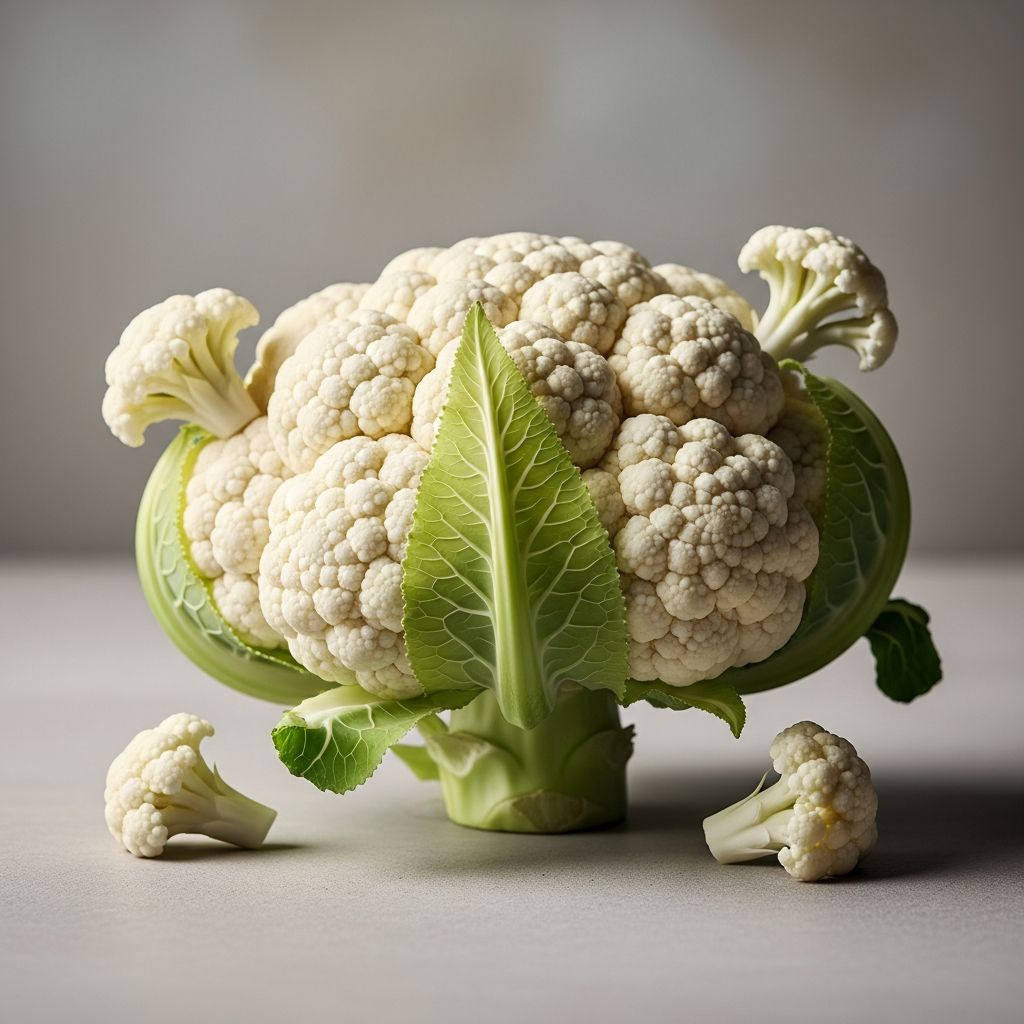
Cauliflower, a longstanding representative for white vegetables, delivers one cup of chopped raw florets providing a good source of
folate
and an excellent source ofvitamin C
. As a member of the cruciferous vegetable family alongside cabbage, Brussels sprouts, and broccoli, cauliflower offers versatility, a neutral flavor, and gluten-free appeal that has fueled its popularity resurgence.Nutritionally Speaking
One cup of chopped raw cauliflower supplies essential nutrients, including about 25 calories, 5 grams of carbohydrates, 2 grams of dietary fiber, folate for cell growth, and high levels of vitamin C supporting immune function. Cultivation advancements have introduced colorful varieties expanding its nutrition profile: orange cauliflower boasts increased beta-carotene from carotenoids, green broccoflower derives its hue from chloroplasts, and purple cauliflower gains vibrancy from anthocyanins.
Like fellow cruciferous vegetables, cauliflower contains
phytochemicals
andantioxidants
such asglucosinolates
, responsible for its distinct aroma and flavor. These compounds may contribute to reducing cancer risk, with research indicating potential protective effects against various types. A one-cup serving also provides 8% of daily fiber needs, potassium, vitamin A, thiamine, riboflavin, niacin, calcium, iron, phosphorus, and about 4% of daily protein requirements.Cauliflower’s low-calorie density (just 25 calories per cup) combined with fiber promotes satiety, aiding weight management by replacing higher-calorie starches like rice or mashed potatoes. Its vitamin C content—52 mg per cup—rivals oranges (64 mg), acting as an antioxidant for skin and brain health while activating detoxification systems. Antioxidants like carotenoids, tocopherols, and ascorbic acid neutralize free radicals, potentially protecting against cancer, heart disease, and oxidative stress.
Health Benefits
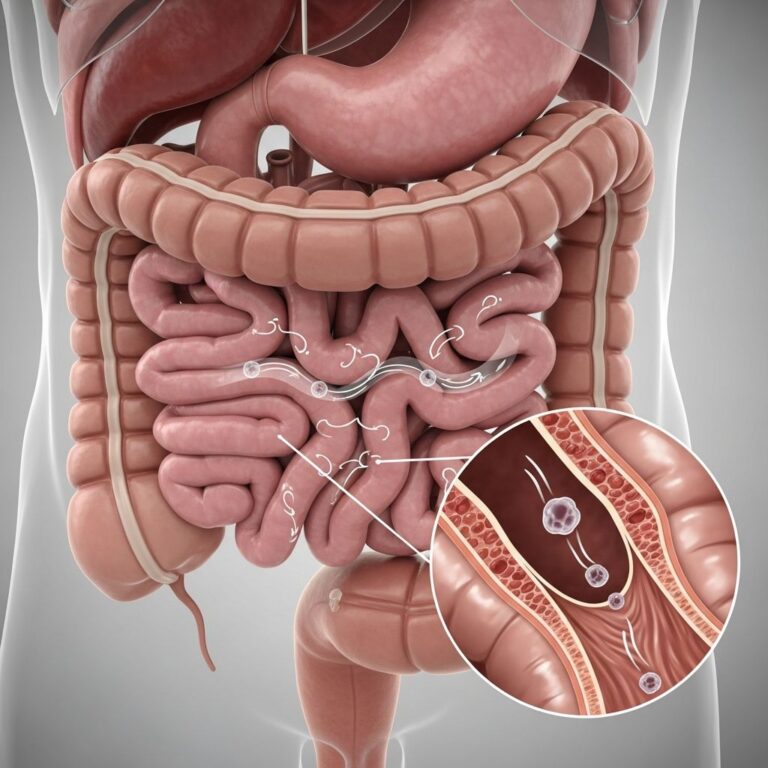
Cauliflower supports gut health through fiber (3 grams per cup, 10% of daily needs) that aids digestion and nutrient absorption, potentially lowering risks of inflammatory bowel diseases like ulcerative colitis. Its anti-inflammatory properties from phytonutrients may prevent chronic diseases.
Immune-boosting effects stem from vitamin C and phytonutrients that regulate mucosal immune responses in the gut, preventing autoimmune issues and aiding during cold seasons. The enzyme
sulforaphane
in cruciferous veggies like cauliflower enhances liver detoxification, maximized when eaten raw or after a 40-minute post-chopping wait before cooking.| Nutrient | Amount | % Daily Value |
|---|---|---|
| Calories | 25 | 1% |
| Carbohydrates | 5g | 2% |
| Dietary Fiber | 2-3g | 8-10% |
| Vitamin C | 52mg | 58% |
| Folate | Good source | – |
| Protein | ~2g | 4% |
Cauliflower fits into the USDA’s vegetable subgroups as an “other vegetable,” counting toward the recommended 2½ cups daily for adults. It’s naturally low in fat and cholesterol-free, ideal for heart-healthy diets.
Selection
Choose fresh cauliflower with crisp leaves and firm, unblemished heads without soft spots or browning. Heavy-for-size heads indicate freshness and density. At farmers markets, it’s a staple, though most U.S. commercial supply hails from California’s year-round growing season. Opt for colorful varieties for added nutrients: orange for beta-carotene, purple for anthocyanins.
- Avoid heads with yellowing florets or spreading curds, signs of age.
- Size doesn’t affect flavor; smaller heads may be more tender.
- Frozen cauliflower retains nutrients; check for no added sauces.
Related Stories



Storage
Store whole heads in the refrigerator’s crisper drawer, loosely wrapped in plastic, for up to two weeks. Rinse just before use to prevent moisture buildup that speeds spoilage. Do not wash prior to storage.
Chopped or floreted cauliflower lasts 3-5 days in an airtight container. For longer storage, blanch and freeze florets for up to 12 months, preserving texture for cooking. Avoid boiling, as it leaches water-soluble nutrients like vitamin C; prefer steaming, roasting, or microwaving.
Preparation
Cauliflower’s mild flavor and versatility make it a gluten-free substitute for rice, mashed potatoes, pizza crusts, or even in smoothies. Rice it by pulsing in a food processor for grain-free bowls. Roast for caramelization, steam for tenderness, or eat raw in salads for crunch.
To maximize sulforaphane, chop and let sit 40 minutes before cooking, or consume raw. Microwaving preserves protein better than stir-frying. Basic prep: remove leaves, trim stem, cut into florets, rinse.
Recipe Ideas
Cauliflower shines in innovative dishes. Try
cauliflower rice
as a low-carb base for stir-fries or bowls, reducing calories while boosting fiber.Mashed Cauliflower with Lemony Brussels Sprouts
A creamy, low-carb alternative to mashed potatoes.
- Ingredients: 2 cups cauliflower, 2 cups Brussels sprouts, 3 tbsp extra virgin olive oil, ¼ cup milk (or alternative), 1 lemon, 3 spinach leaves.
- Steam cauliflower and sprouts; mash cauliflower with milk and oil; toss sprouts with lemon zest/juice and spinach.
Cauliflower No-Crust Quiche
Crustless for lower fat, packed with veggies and protein.
- Ingredients: 2 tsp olive oil, ½ cup onions, 5 eggs, ½ cup low-fat milk, ½ tsp salt, 1½ cups cauliflower, ½ cup low-fat cheddar, 1 tsp paprika.
- Sauté onions; parbake cauliflower; pour egg mixture over; bake until set.
Mike’s Sicilian Cauliflower
Flavorful side low in saturated fat, rich in protein, riboflavin, niacin, magnesium, phosphorus.
Other ideas: Buffalo cauliflower wings, cauliflower pizza crust, roasted with spices, or blended into soups.
Frequently Asked Questions
What are the top health benefits of cauliflower?
Cauliflower aids cancer risk reduction via glucosinolates, supports gut and immune health, provides antioxidants, fiber for digestion/weight loss, and key vitamins like C and K.
Is cauliflower low-carb and keto-friendly?
Yes, at 5g carbs per cup with 2g fiber, it’s ideal for low-carb diets, substituting rice or potatoes seamlessly.
How do I store cauliflower to keep it fresh?
Refrigerate whole heads up to 2 weeks in crisper; store chopped 3-5 days airtight; freeze blanched florets up to 12 months.
Are colored cauliflowers healthier?
Yes, orange offers extra beta-carotene, purple anthocyanins, enhancing antioxidant profiles beyond white varieties.
Best cooking methods for nutrients?
Raw or post-chop wait for sulforaphane; microwave/steam over boil to retain vitamins/protein; roast for flavor.
References
- 5 Surprising Health Benefits of Cauliflower — Healthgrades. 2023. https://resources.healthgrades.com/right-care/food-nutrition-and-diet/5-surprising-health-benefits-of-cauliflower
- Cauliflower: A versatile nutrition superstar — Mayo Clinic Health System. 2023. https://sncs-prod-external.mayo.edu/hometown-health/speaking-of-health/cauliflower-the-new-nutrition-superstar
- Cauliflower Nutrition: Health Benefits and Easy Recipes — University of Maryland Medical System. 2023. https://www.ummhealth.org/simply-well/breaking-news-cauliflower-replaces-carbs
- All About Cauliflower — Academy of Nutrition and Dietetics. 2023. https://www.eatright.org/food/food-groups/vegetables/all-about-cauliflower
- Cauliflower, Fresh — USDA Food and Nutrition Service. 2023. https://fns-prod.azureedge.us/sites/default/files/resource-files/Cauliflower_fresh.pdf
Similar Articles








Read full bio of Sneha Tete