Chickpeas: Complete Guide To Nutrition, Benefits, And Recipes
Discover the nutritional power of chickpeas: protein-packed, fiber-rich legumes that boost heart health, digestion, and more for everyday meals.
All About Chickpeas
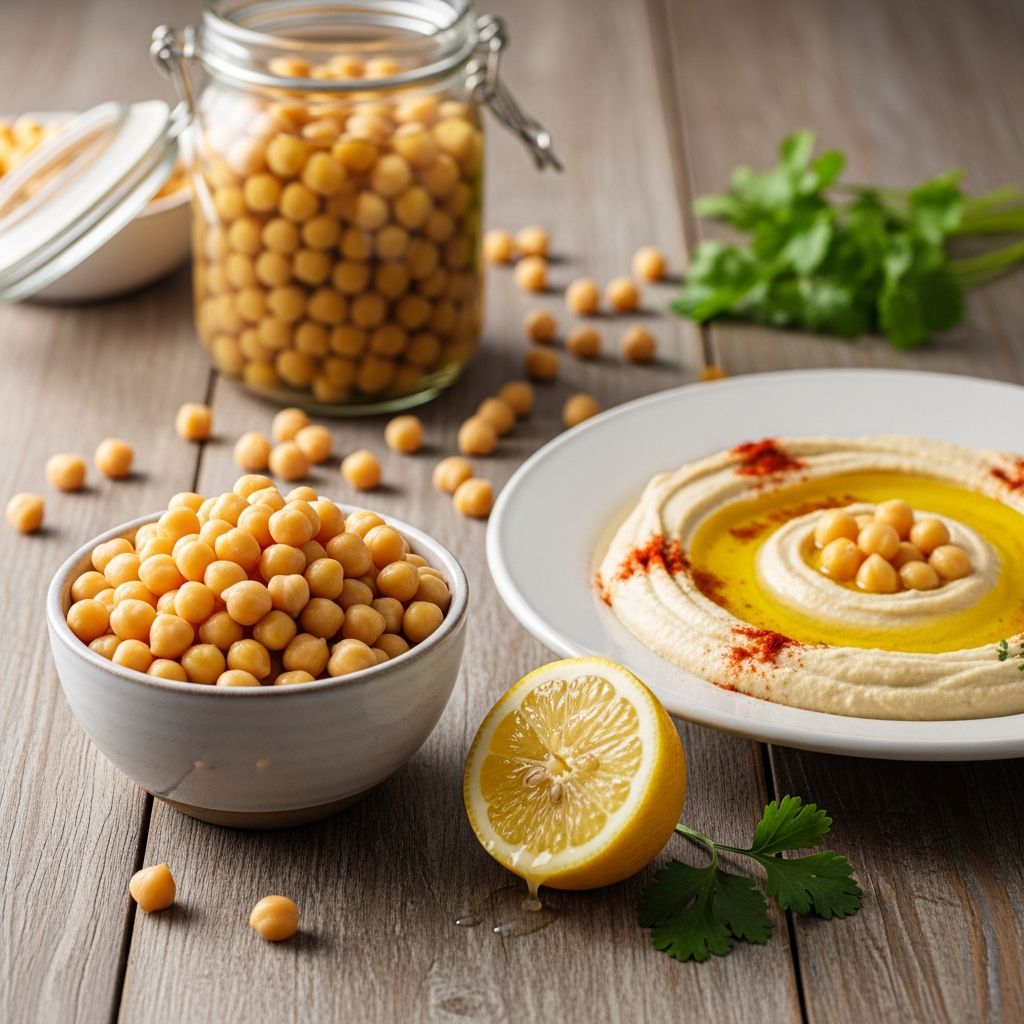
Chickpeas, also known as garbanzo beans, are versatile legumes that have been a dietary staple for thousands of years across Mediterranean, Middle Eastern, and Indian cuisines. These nutty-flavored beans serve as an excellent plant-based protein source, making them ideal for vegetarians, vegans, and anyone seeking to reduce meat consumption. Packed with essential nutrients, chickpeas support overall health while adding texture and flavor to salads, soups, curries, and snacks like hummus.
With a low glycemic index and high fiber content, chickpeas promote satiety, aid weight management, and contribute to balanced blood sugar levels. Their affordability, long shelf life, and ease of preparation make them a pantry essential. This guide covers everything from nutritional breakdown to cooking methods, health benefits, and creative recipe ideas.
Nutritionally Speaking
Chickpeas stand out for their nutrient density. One cup of drained and rinsed canned chickpeas provides approximately 210 calories, 4 grams of fat (mostly healthy unsaturated fats), 10 grams of dietary fiber, and nearly 16% of the daily value (DV) for folate. They deliver 11 grams of protein per cup, along with 8% DV for zinc and iron, positioning them as a robust meat alternative.
Key nutritional highlights include:
- Protein: Nearly 20 grams per ½-cup serving of cooked chickpeas, containing all nine essential amino acids, making it a complete plant protein.
- Fiber: 5-10 grams per serving, including soluble fiber that supports heart health by lowering LDL cholesterol.
- Vitamins: Rich in folate (up to 627 mcg/day in consumers vs. 547 mcg in non-consumers), vitamin A, C, E, and B vitamins.
- Minerals: High in magnesium (385 mg/day in consumers), potassium (3103 mg/day), iron (17.4 mg/day), phosphorus, and selenium.
- Low in: Saturated fat, cholesterol, and sodium (when rinsed).
Consumers of chickpeas or hummus show higher intakes of dietary fiber (24.4 g/day vs. 10.1 g), polyunsaturated fatty acids, and improved Healthy Eating Index scores compared to non-consumers. Chickpea flour offers a gluten-free alternative to wheat flour, with half the carbohydrates and higher fiber.
Phytic acid in chickpeas may slightly reduce absorption of iron, zinc, magnesium, and calcium, but soaking, sprouting, or boiling mitigates this. Canned varieties often have higher sodium (up to 300 mg per ½ cup), so opt for low-sodium or no-salt-added options and rinse thoroughly to cut sodium by up to 40%.
| Nutrient (per 1 cup cooked chickpeas) | Amount | % Daily Value |
|---|---|---|
| Calories | 210-374 | – |
| Protein | 11-20g | 22-40% |
| Fiber | 10-12g | 36-43% |
| Folate | 282 mcg | 71% |
| Iron | 4.7 mg | 26% |
| Magnesium | 79 mg | 19% |
Note: Values vary by preparation (canned vs. dried). Data synthesized from USDA FoodData Central and studies.
Health Benefits
Regular chickpea consumption yields multiple evidence-based health advantages, supported by clinical studies and national surveys.
Heart Health
Chickpeas’ soluble fiber binds to cholesterol in the digestive system, reducing total and LDL cholesterol levels. Polyunsaturated fats further lower cholesterol and blood pressure. Potassium, magnesium, and B vitamins support cardiovascular function. Studies link legume intake to decreased cardiovascular disease risk.
Digestive Health
High fiber content promotes regular bowel movements, prevents constipation, and fosters gut health via prebiotic effects. One cup provides nearly half the daily fiber recommendation, enhancing satiety and microbiome diversity.
Blood Sugar Control
With a low glycemic index due to amylose starch, protein, and fiber, chickpeas slow digestion and stabilize blood sugar. A 2022 review confirms long-term pulse consumption aids glycemic control, beneficial for diabetes management.
Cancer Prevention
Bioactive compounds like resistant starch, oligosaccharides, phytosterols, selenium, beta-carotene, and butyrate (a short-chain fatty acid) act as antioxidants, neutralizing free radicals and potentially reducing colorectal cancer risk.
Bone Health
Calcium, magnesium, and phosphorus in chickpeas maintain bone density. Soaking dried chickpeas reduces phytates that hinder mineral absorption.
Weight Management
Fiber and protein promote fullness, aiding portion control and weight loss. Chickpea eaters report higher nutrient quality diets with lower saturated fat.
Additional perks include brain support from choline and folate, iron for red blood cell production, and gluten-free status for sensitive diets.
How to Select and Store Chickpeas
Dried Chickpeas: Choose uniform, unbroken beans without moisture or pests. Store in airtight containers in a cool, dry place for up to 1-2 years. Soak overnight (8-12 hours) or quick-soak (boil 2 minutes, then rest 1 hour) before cooking to improve texture and reduce cooking time to 1-2 hours.
Canned Chickpeas: Select low-sodium varieties. Store unopened cans in pantry up to 2-5 years. Once opened, transfer to airtight container in fridge for 3-5 days or freeze up to 6 months. Rinse to remove excess sodium and aquafaba (liquid, usable in recipes).
Fresh Sprouts: Home-sprout dried chickpeas for enhanced nutrition; rinse daily and consume within days.
How to Prepare Chickpeas
Boil soaked dried chickpeas until tender. Use an Instant Pot for faster cooking (30-40 minutes). Roast at 400°F for 20-30 minutes with oil and spices for crispy snacks. Puree for hummus or falafel. Chickpea flour (besan) is great for flatbreads, pancakes, and baking.
Chickpeas in Cooking
Incorporate chickpeas into:
- Salads: Toss with veggies, feta, and vinaigrette.
- Soups/Stews: Add to minestrone, chana masala, or Moroccan tagine.
- Snacks: Roasted with cumin, paprika, or garlic.
- Main Dishes: Falafel, veggie burgers, curries.
- Baking: Flour in gluten-free breads or as egg replacer (aquafaba).
Pair with grains like quinoa or rice for complete proteins. Experiment in stir-fries, pasta, or smoothies for creaminess.
Sample Recipes
Classic Hummus
Ingredients (serves 4): 2 cups chickpeas, ¼ cup tahini, 2 garlic cloves, 2 tbsp lemon juice, 2 tbsp olive oil, salt, cumin. Blend until smooth; serve with veggies or pita. Nutrition per ¼ cup: ~150 calories, 8g fat, 4g fiber, 5g protein.
Chickpea Salad
Mix 1 can drained chickpeas, chopped cucumber, tomatoes, onion, parsley, olive oil, lemon. Season and chill. Per serving: 125 calories, 24g carbs, 7g protein, 5g fiber.
Roasted Chickpeas
Toss drained chickpeas with oil, spices; roast 25 min. Crunchy snack: 374 calories per 1½ cups, 20g protein.
Frequently Asked Questions
Are chickpeas good for weight loss?
Yes, their high fiber and protein promote fullness and reduce calorie intake.
Can I eat chickpeas every day?
Absolutely; ½ cup daily boosts nutrient intake without excess calories.
Are canned chickpeas healthy?
Yes, especially rinsed low-sodium ones, matching dried nutrition.
Do chickpeas cause gas?
Possibly due to oligosaccharides; soaking and rinsing help.
Are chickpeas complete proteins?
Yes, containing all essential amino acids.
References
- The Nutritional Value and Health Benefits of Chickpeas and Hummus — Wallace TC et al. Nutrients. 2016-11-28. https://pmc.ncbi.nlm.nih.gov/articles/PMC5188421/
- All About Chickpeas — Academy of Nutrition and Dietetics. Accessed 2026. https://www.eatright.org/food/food-groups/protein-foods/all-about-chickpeas
- Chickpeas for healthy eating — Mayo Clinic Health System. Accessed 2026. https://www.mayoclinichealthsystem.org/hometown-health/speaking-of-health/chickpeas-for-healthy-eating
- 5 Health Benefits of Chickpeas — Cleveland Clinic. Accessed 2026. https://health.clevelandclinic.org/health-benefits-of-chickpeas
- The Health Benefits of Chickpeas — UConn Extension. Accessed 2026. https://extension.uconn.edu/publication/the-health-benefits-of-chickpeas/
Similar Articles



Read full bio of medha deb