Creating a Safe Home Environment for Eczema Management
Transform your living space into an eczema-friendly sanctuary with practical, evidence-based strategies.
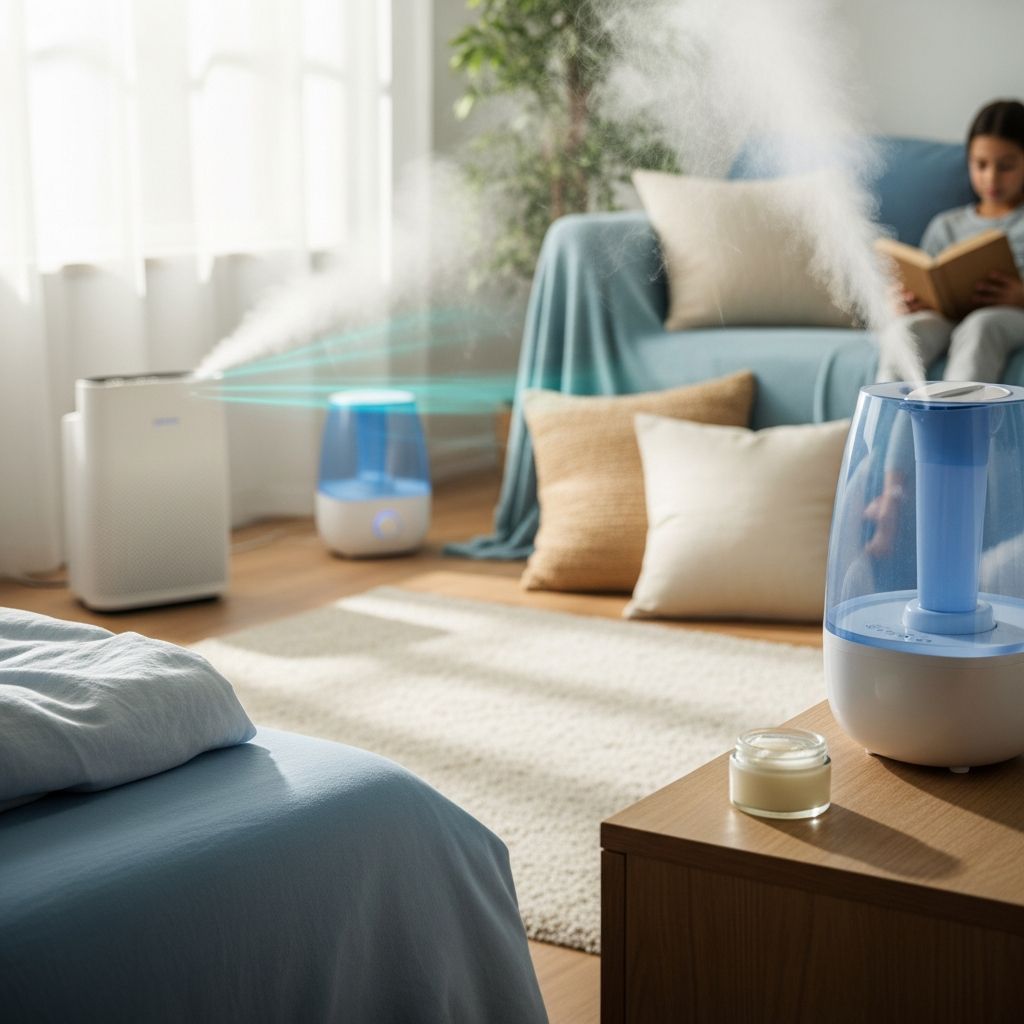
Living with eczema requires more than just topical treatments and medications—it demands a comprehensive approach that extends into your living environment. By understanding common triggers and implementing strategic changes throughout your home, you can significantly reduce flare-ups and improve your quality of life. This guide explores evidence-based methods to transform your living space into an eczema-friendly sanctuary.
Understanding Eczema Triggers in Your Home
Eczema, also known as atopic dermatitis, is a chronic inflammatory skin condition characterized by intense itching, redness, and sensitivity. The condition can be triggered or worsened by various environmental factors present in most households. Common household triggers include dust mites, mold spores, pet dander, certain fabrics, harsh chemicals in cleaning products, and fluctuations in temperature and humidity levels. Identifying which specific triggers affect your skin is the first step toward creating a safer home environment.
Establishing Your Daily Skincare Foundation
Before addressing your home environment, establishing a robust skincare routine forms the cornerstone of eczema management. The “soak and seal” method has emerged as a gold standard approach recommended by allergists and dermatologists. This technique involves taking short showers or baths in lukewarm water for five to ten minutes, followed by immediate application of moisturizing products while the skin is still slightly damp.
When bathing, use a gentle, fragrance-free cleanser rather than traditional soap, as soap can strip away natural skin oils and worsen dryness. After cleansing, pat your skin gently rather than rubbing—a seemingly minor distinction that prevents additional irritation. The critical window for sealing in moisture occurs within three minutes of bathing; applying a hypoallergenic moisturizer during this time helps trap water in the skin layers.
For individuals dealing with severe eczema symptoms, wet wrapping therapy offers additional relief. This involves applying prescribed ointments and creams, then wrapping affected areas with damp gauze or soft cotton clothing before covering with a dry outer layer. This technique can be particularly beneficial when done before sleep, allowing extended skin hydration throughout the night.
Clothing Choices and Fabric Selection
The materials you wear directly contact your skin throughout the day, making fabric selection crucial for eczema management. Wool and synthetic fibers can trigger irritation and increase itching, whereas soft cotton clothing minimizes friction and irritation. When selecting winter clothing, prioritize cotton-blend garments for base layers rather than wool sweaters and scarves, even though wool feels warm.
Loose-fitting clothing reduces pressure on sensitive skin areas and allows better air circulation, preventing heat and moisture buildup that can trigger flare-ups. Additionally, consider keeping your home wardrobe organized to quickly identify appropriate garments when you need to change clothes after sweating or exposure to environmental irritants.
Temperature and Humidity Management
Temperature extremes and humidity fluctuations significantly impact eczema symptoms. Winter presents particular challenges because heating systems remove moisture from indoor air, causing skin to lose hydration more rapidly than during other seasons. Using a humidifier during winter months helps restore moisture to the environment, counteracting the drying effects of forced heating.
Related Stories



Conversely, summer heat and sweat create different challenges—dry air from air conditioning combined with perspiration can trigger flare-ups. Maintaining moderate indoor temperatures year-round, avoiding overheating, and managing sweat through appropriate clothing and hydration helps prevent temperature-related triggers.
Cold weather requires additional preventive measures beyond humidifiers. Wearing warm accessories like gloves protects exposed skin from harsh winter conditions that can damage the skin barrier. When transitioning between heated indoor spaces and cold outdoor environments, give your skin time to adjust gradually to prevent shock reactions.
Managing Moisture and Preventing Infections
While maintaining skin hydration is essential, managing excess moisture in your home environment prevents mold growth and dust mite proliferation—both common eczema triggers. Proper ventilation in bathrooms after showers, regular cleaning of air conditioning units, and addressing any water leaks promptly help control moisture-related problems.
For individuals experiencing infection-prone eczema, dermatologists sometimes recommend bleach baths as part of a comprehensive treatment strategy. These specialized baths involve adding one-quarter cup of bleach to a tub of lukewarm water and soaking for five to ten minutes, repeated two to three times weekly. While this approach requires medical guidance, it demonstrates how bathroom practices extend beyond basic hygiene to therapeutic intervention.
Creating an Allergen-Reducing Bedroom Environment
Since we spend approximately one-third of our lives sleeping, the bedroom deserves special attention in an eczema-prevention strategy. Dust mites thrive in bedding and can trigger significant flare-ups in sensitive individuals. Using allergen-proof mattress and pillow covers, washing bedding weekly in hot water, and avoiding heavy fabric window treatments reduces dust mite populations.
Choose hypoallergenic pillows and blankets made from synthetic or specially treated materials rather than down-filled options. Natural fiber bedding, while comfortable, can harbor allergens more readily. Consider rotating and cleaning pillows regularly, and avoid using scented laundry detergents or fabric softeners that can irritate sensitive skin.
Chemical-Free Cleaning and Personal Care Products
Household cleaning products contain numerous chemicals that can irritate eczema-prone skin, either through direct contact or airborne residues. Avoiding deodorizing soaps, products containing alcohol, fragrances, retinoids, and alpha-hydroxy acids protects your skin barrier from unnecessary chemical assault. When selecting cleaning supplies, choose fragrance-free, hypoallergenic options specifically formulated for sensitive skin or select simple alternatives like vinegar and baking soda.
Personal care products require equally careful scrutiny. Shampoos, conditioners, body washes, and cosmetics should be fragrance-free and contain minimal preservatives. Reading ingredient lists becomes part of your eczema management routine, as even products labeled “hypoallergenic” may contain irritating substances. Some individuals find relief using specialized skincare lines designed specifically for atopic dermatitis, though working with a dermatologist helps identify the best products for your particular skin.
Sun Protection Without Skin Irritation
Summer sun exposure presents a paradox for eczema sufferers: while sunlight benefits some people’s eczema, sun protection remains critical for skin cancer prevention. Choosing sunscreen without fragrances, dyes, and alcohols allows you to protect your skin without triggering irritation. Mineral-based sunscreens containing zinc oxide or titanium dioxide often irritate sensitive skin less than chemical sunscreens.
For infants and young children with eczema, dermatologists typically recommend delaying sunscreen application until after six months of age, relying instead on protective clothing and shade. As children grow, introducing gentle sunscreen gradually helps identify individual tolerance levels.
Hydration as an Internal Strategy
While external moisture management focuses on topical applications and environmental humidity, internal hydration equally supports eczema management. Drinking adequate water throughout the day helps maintain overall skin hydration from within. During hot weather or physical activity that causes sweating, increasing fluid intake prevents dehydration that can worsen eczema symptoms.
Managing Itch Without Scratching
The itch-scratch cycle perpetuates eczema symptoms and can lead to skin infections. Keeping fingernails short, especially for infants and young children, reduces damage when scratching becomes unavoidable. Using mittens on babies’ hands provides physical barriers while allowing natural movement. For older individuals, applying cool compresses to itchy areas offers temporary relief while keeping hands occupied with engaging activities.
Creative distraction techniques—whether games for children or hobbies for adults—help redirect focus away from itching sensations. Cooling measures like refrigerated moisturizers, cool baths with colloidal oatmeal, or cool compresses provide soothing relief without introducing additional chemicals.
Seasonal Preparation and Medication Management
Eczema often worsens during specific seasons, requiring strategic preparation before flare-up seasons arrive. Consulting with your doctor about adjusting medication strength during winter months—when symptoms typically intensify—allows proactive rather than reactive management. Maintaining adequate supplies of emollients, prescribed treatments, and over-the-counter remedies prevents the desperation of running out during active flare-ups.
Understanding your personal eczema patterns enables you to anticipate challenges and implement preventive measures before symptoms escalate. Whether your eczema worsens in winter, summer, or during specific pollen seasons, knowing your triggers allows customized environmental adjustments.
Frequently Asked Questions
How quickly should I apply moisturizer after bathing?
Apply moisturizer within three minutes of bathing while your skin is still slightly damp. This timing maximizes the skin’s ability to absorb and retain moisture, making the moisturizer significantly more effective.
Can I use regular soap with eczema?
Traditional soap is not recommended for eczema-prone skin. Instead, use fragrance-free, pH-balanced cleansers designed for sensitive skin, as these are gentler and less likely to strip natural oils from your skin.
What temperature water is best for bathing?
Lukewarm water is ideal for eczema-prone skin. Avoid hot water, which can strip natural oils and worsen dryness, and very cold water, which can shock sensitive skin.
Should I use a humidifier year-round?
Humidifiers are most beneficial during winter months when heating systems dry indoor air significantly. During humid seasons, they may be unnecessary or even counterproductive if humidity levels become too high.
What should I do about pet dander and eczema?
Pet dander is a common eczema trigger. If you have pets, consider keeping them out of your bedroom, washing your hands after contact, and using HEPA air filters to reduce airborne dander throughout your home.
Conclusion: Building Your Personalized Eczema Management Plan
Creating an allergen-proof, eczema-friendly home environment represents a multifaceted commitment involving skincare routines, environmental modifications, clothing choices, and lifestyle adjustments. No single strategy works universally for all eczema sufferers; instead, working with your allergist or dermatologist to identify personal triggers and develop a customized management plan yields the best results. By systematically addressing each aspect of your home environment and daily habits, you create optimal conditions for skin health and significantly reduce the frequency and severity of eczema flare-ups. Consistency in implementing these strategies, combined with appropriate medical treatment when needed, allows individuals with eczema to enjoy improved comfort and quality of life.
References
- Coping with Eczema — Allergy & Asthma Network. Accessed February 2026. https://allergyasthmanetwork.org/what-is-eczema/coping-with-eczema/
- Eczema — American Academy of Allergy, Asthma & Immunology (AAFA). Accessed February 2026. https://aafa.org/allergies/allergy-symptoms/skin-allergies/eczema/
- Eczema: Causes, Symptoms & Treatment — American College of Allergy, Asthma and Immunology (ACAAI). Accessed February 2026. https://acaai.org/allergies/allergic-conditions/skin-allergy/eczema/
- Flare-ups — National Eczema Society. Accessed February 2026. https://eczema.org/information-and-advice/living-with-eczema/flare-ups/
Similar Articles








Read full bio of Sneha Tete