Allergens and Pollen: Understanding Seasonal Allergy Triggers
Discover what causes seasonal allergies: pollen types, allergens, and how to manage symptoms.
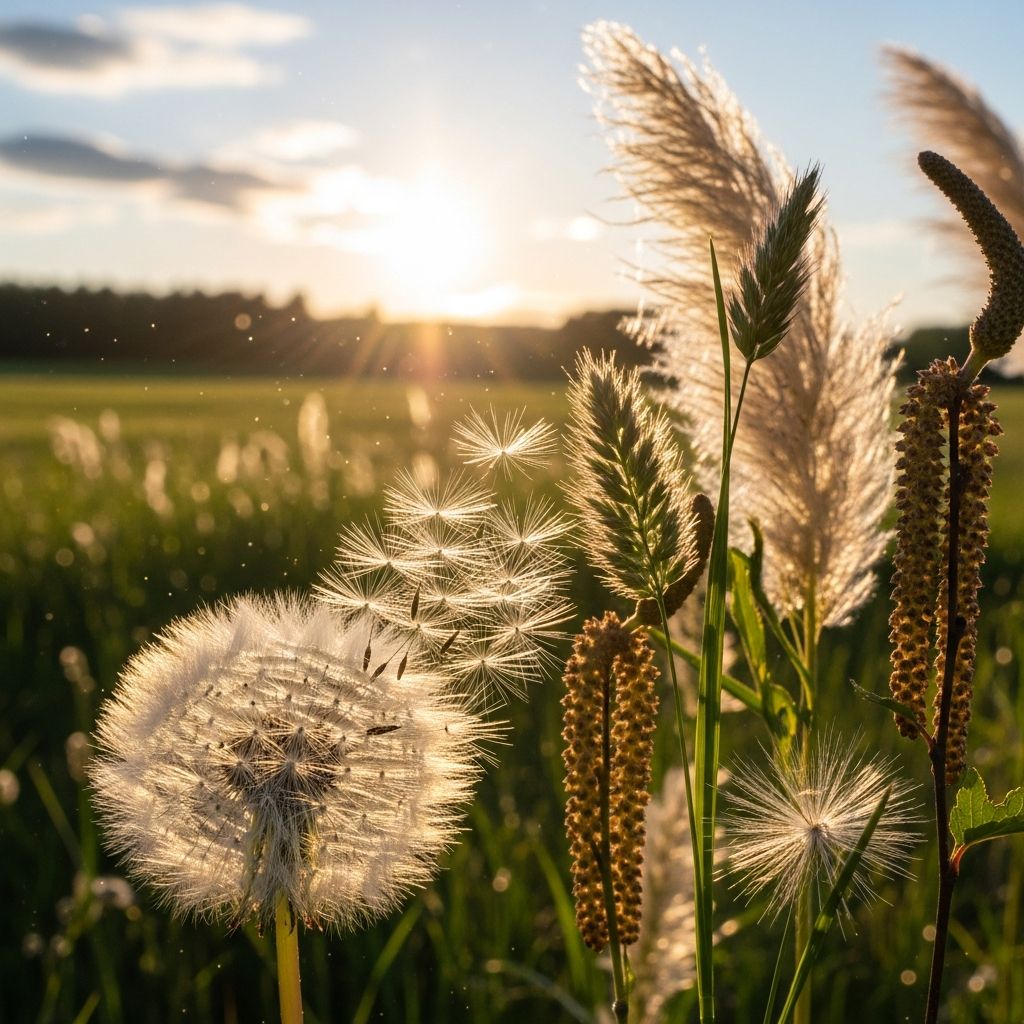
Understanding Allergens and Pollen
Seasonal allergies affect millions of people each year, causing uncomfortable symptoms like sneezing, itchy eyes, runny nose, and congestion. The primary culprit behind these allergic reactions is pollen—a fine, powdery substance produced by plants, trees, and grasses. While pollen is essential for plant reproduction and is completely harmless to most people, individuals with pollen allergies experience an immune system response that mistakenly identifies pollen as a dangerous invader. This misidentification triggers the release of histamines, leading to the classic allergy symptoms that can significantly impact quality of life.
Understanding which allergens trigger your symptoms and when they are most prevalent is crucial for effective symptom management. Pollen seasons vary depending on your geographic location, climate, and the specific plants in your area. By learning about the different types of pollen allergens and their seasonal patterns, you can better prepare yourself and take preventive measures to minimize exposure.
Types of Pollen Allergens
Pollen allergens fall into three primary categories based on their plant sources: tree pollen, grass pollen, and weed pollen. Each type has distinct characteristics, seasonal patterns, and geographic distributions that affect when and where people experience allergic symptoms.
Tree Pollen Allergens
Tree pollen is typically the first major allergen to appear each year, making it responsible for most spring pollen allergy symptoms. Tree pollen season generally runs from February through April in most regions of the United States, though in warmer climates such as the South, trees may begin producing pollen as early as December or January and can peak multiple times throughout the year.
The trees that cause the most significant allergic reactions include oak, birch, cedar, elm, and maple species. Birch trees are particularly notorious for producing highly allergenic pollen. These trees release small, light, and dry pollen grains that are easily carried by wind, allowing them to travel considerable distances and reach the eyes, nose, and lungs of susceptible individuals. It’s important to note that flowering plants with insect-pollinated flowers, such as roses, cherry trees, and pear trees, do not typically cause allergic rhinitis because their pollen is heavier and doesn’t become airborne as easily.
Grass Pollen Allergens
Grass pollen emerges as the dominant allergen in late spring and early summer, typically peaking from April through early June. While there are hundreds of grass species, only a few cause significant allergy symptoms. Common allergenic grasses include timothy, Kentucky bluegrass, Bermuda grass, fescue, Johnson grass, orchard grass, rye grass, Bahia grass, and sweet vernal grass. The prevalence of grass pollen allergies varies by geographic location, as different regions cultivate different grass species for lawns and agriculture. Warmer regions may experience grass pollen symptoms earlier in the season, while cooler areas see peak grass pollen levels later in the year.
Weed Pollen Allergens
Weed pollen represents the third major category of airborne allergens, with ragweed being the most problematic species. Ragweed and other allergenic weeds such as burning bush, cocklebur, lamb’s quarters, pigweed, sagebrush, mugwort, and Russian thistle produce pollen during late summer and fall, typically from late August through November. Ragweed is particularly troublesome because it grows nearly everywhere and produces highly potent pollen that can travel hundreds of miles on the wind, affecting people even if the plant doesn’t grow directly in their area.
Seasonal Pollen Patterns and Timeline
Understanding the seasonal timeline of pollen allergens helps individuals anticipate and prepare for their allergy symptoms.
Related Stories



Spring Allergy Season
Spring marks the beginning of the annual pollen allergy cycle. Tree pollen dominates from March until mid-May, making this the peak season for tree pollen allergies. Early spring symptoms are often the most severe for those allergic to tree pollen. In some warmer regions, tree pollen season may extend from January through May, with multiple peaks occurring throughout this extended period. Spring is also characterized by increasing temperatures and moisture, which can promote mold spore growth, creating a dual allergen threat for sensitive individuals.
Summer Allergy Season
As spring transitions into summer, grass pollen becomes the dominant allergen. Grass pollen typically peaks from mid-May to mid-July. The warm, humid conditions of summer also create an ideal environment for mold to proliferate. Fungal spores from mold can cause seasonal allergies from July through early fall, particularly on grasses, grains, logs, and compost piles. For individuals sensitive to both grass and mold allergens, summer can be a particularly challenging season.
Fall Allergy Season
Fall allergies are primarily triggered by weed pollen, particularly ragweed, which produces its pollen from mid-August through November. As temperatures cool and people spend more time indoors with heating systems activated, dust mites—a year-round allergen—become stirred into the air. Additionally, mold can develop on wet soil and fallen leaves during fall, contributing to allergy symptoms. The combination of weed pollen, mold spores, and increased dust mite exposure makes fall a significant allergy season for many people.
Year-Round Indoor Allergens
While seasonal pollen allergens dominate outdoor environments during specific times of year, several allergens persist year-round, primarily in indoor settings. Understanding these allergens is important because they can intensify symptoms during allergy season and cause problems even when outdoor pollen counts are low.
Dust Mites
Dust mites are microscopic organisms that thrive in warm, humid indoor environments, particularly in bedding, upholstered furniture, and carpeting. These allergens are present year-round and can worsen symptoms, especially during colder months when homes are sealed and heating systems are running. Dust mites are more prevalent in bedrooms where they accumulate in pillows, mattresses, and blankets.
Pet Dander
Pet dander—tiny flakes of skin shed by cats, dogs, and other animals—can trigger allergic reactions year-round. However, symptoms may intensify during winter months when houses are closed and there is less air circulation. Pet owners with pollen allergies may notice worsening symptoms when confined indoors with their pets during winter.
Mold and Fungal Spores
Both indoor and outdoor fungi and molds produce spores that can cause seasonal or year-round allergies. Indoor molds develop in moist areas such as bathrooms, basements, and kitchens. Mold thrives in environments with excessive moisture, making it a particular concern in humid climates or poorly ventilated homes. The combination of indoor and outdoor mold exposure can significantly impact allergy symptoms throughout the year.
Cockroach Allergens
Cockroach droppings and body parts contain potent allergens that persist year-round in many indoor environments. These allergens are particularly problematic in urban areas and older buildings. Cockroach allergen exposure can trigger or worsen allergy symptoms regardless of the season.
Climate Change and Evolving Pollen Patterns
Recent research demonstrates that climate change is significantly altering traditional pollen seasons. Warmer temperatures linked to climate change are extending pollen seasons, allowing plants like ragweed to produce more pollen for longer periods. This extension of the growing season means that people with pollen allergies may experience symptoms for a longer duration each year compared to previous decades.
Additionally, increased carbon dioxide levels—a consequence of climate change—may make pollen itself more potent, potentially causing stronger allergic reactions in susceptible individuals. Extreme weather events such as heat waves and thunderstorms can also trigger or worsen allergy symptoms. Rising temperatures and mild winters delay snowmelt, which can increase soil moisture in late winter and early spring. This enhanced moisture allows trees to produce more pollen when they bloom, intensifying spring allergy seasons in many regions.
Pollen Count and Weather Factors
Pollen counts fluctuate throughout the day and vary based on weather conditions. Understanding these patterns can help you minimize exposure. Pollen counts are typically highest during dry, warm, and windy weather, when plants release more pollen and air currents carry it farther. Conversely, rainy weather tends to suppress pollen counts as moisture weighs down pollen particles, preventing them from becoming airborne.
Daily pollen counts are usually highest in early morning hours when dew dries and plants release their pollen. Keeping windows closed during peak pollen hours, typically from 5 AM to 10 AM, can help reduce indoor pollen exposure. On high pollen count days, limiting outdoor activities or wearing protective gear such as sunglasses and masks can help minimize symptoms.
Geographic Variations in Allergen Exposure
Your geographic location significantly influences which allergens affect you and when you experience symptoms. Different regions have different climates, plant species, and growing seasons. Southern regions may experience tree pollen as early as January, while northern areas don’t see significant tree pollen until March or April. Coastal areas may have different dominant allergens than inland regions. Urban environments may have different pollen patterns than rural areas due to variations in vegetation and landscaping.
If you relocate to a different region, you may experience changes in your allergy symptoms as you encounter different dominant allergens. Keeping records of when your symptoms worsen can help identify which specific allergens trigger your reactions in your particular location.
Managing Exposure to Allergens
While you cannot completely avoid pollen and other allergens, several strategies can help minimize exposure:
– Keep windows and doors closed during high pollen season- Use air conditioning with clean filters in your home and vehicle- Dry laundry indoors rather than on outdoor lines during pollen season- Shower and wash hair after spending time outdoors to remove pollen- Wear sunglasses to protect eyes from pollen- Change clothes after outdoor activities- Use allergen-proof covers on pillows and mattresses- Vacuum regularly with HEPA filters- Use dehumidifiers to control indoor moisture and reduce mold growth
Frequently Asked Questions
Q: What is the difference between seasonal and perennial allergies?
A: Seasonal allergies occur at specific times of year when particular allergens are present, such as tree pollen in spring or ragweed in fall. Perennial allergies occur year-round due to indoor allergens like dust mites, pet dander, and mold.
Q: Can pollen allergies cause asthma attacks?
A: Yes, pollen exposure can trigger asthma attacks in individuals who have asthma and for whom pollen is an asthma trigger. The inflammation caused by allergic reactions can affect airways and worsen asthma symptoms.
Q: Why are allergy seasons getting longer and more intense?
A: Climate change contributes to longer allergy seasons through warmer temperatures, mild winters, and extended growing seasons. Increased carbon dioxide levels may also make pollen more potent, causing stronger allergic reactions.
Q: How do I know which pollen triggers my allergies?
A: Keeping a symptom diary noting when symptoms occur can help identify patterns. Allergy testing by a healthcare provider can definitively identify which specific allergens trigger your symptoms.
Q: Are there any plants that don’t cause allergies?
A: Flowering plants pollinated by insects, such as roses, magnolias, and fruit trees like cherry and pear, produce heavier pollen that doesn’t become airborne and therefore do not typically cause allergic rhinitis.
References
- Hay Fever — Symptoms and Causes — Mayo Clinic. 2024-08-15. https://www.mayoclinic.org/diseases-conditions/hay-fever/symptoms-causes/syc-20373039
- What Triggers Seasonal Allergies? — National Institutes of Health MedlinePlus Magazine. 2024. https://magazine.medlineplus.gov/article/what-triggers-seasonal-allergies
- Pollen Allergies — Asthma and Allergy Foundation of America. 2024. https://aafa.org/allergies/types-of-allergies/pollen-allergy/
- Pollen Allergy: Causes, Symptoms & Treatment — Cleveland Clinic. 2024. https://my.clevelandclinic.org/health/diseases/pollen-allergy
- Pollen and Your Health — Centers for Disease Control and Prevention. 2024. https://www.cdc.gov/climate-health/php/effects/pollen-health.html
Similar Articles








Read full bio of Sneha Tete