Allergic Conjunctivitis: Causes, Symptoms, and Treatment
Complete guide to understanding and managing allergic conjunctivitis effectively.
Understanding Allergic Conjunctivitis
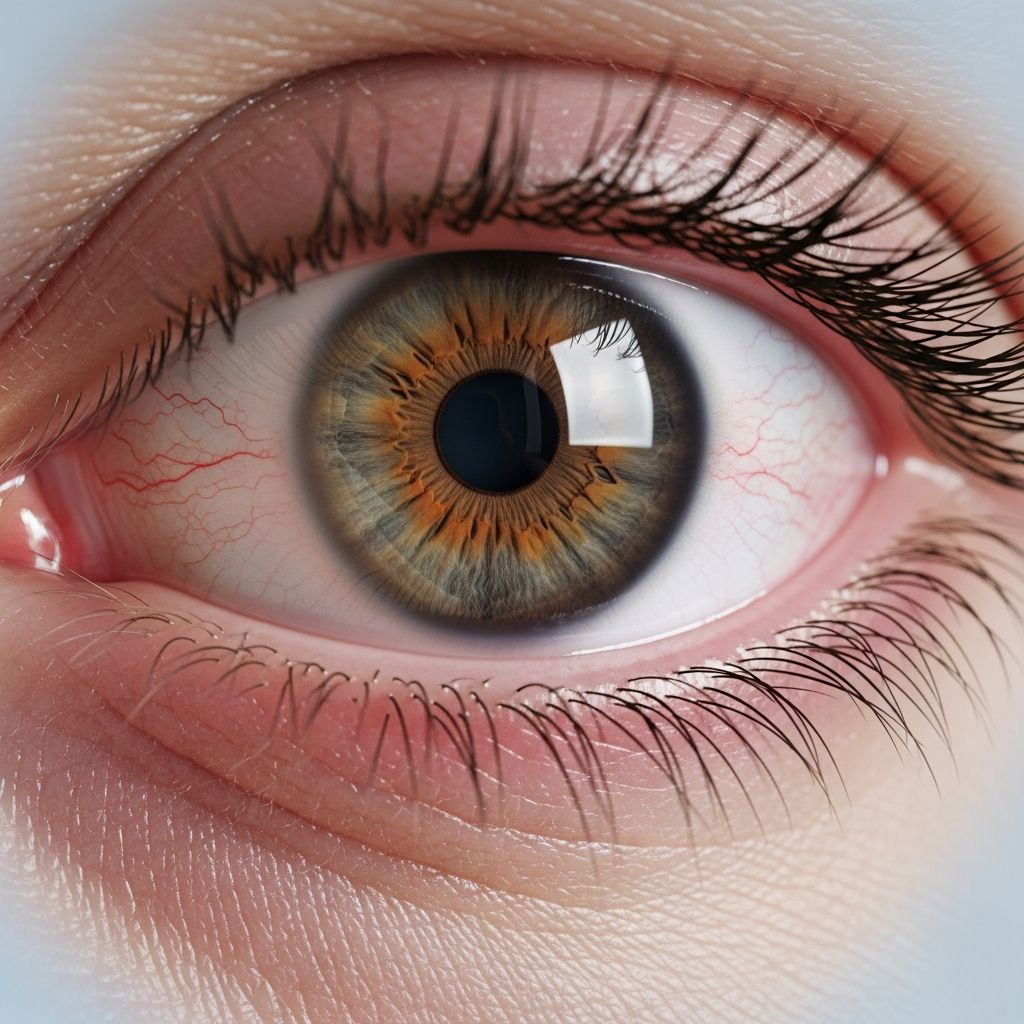
Allergic conjunctivitis, commonly known as allergic pink eye, is an eye condition characterized by inflammation of the conjunctiva—the clear membrane that covers the white part of the eye and lines the eyelid. This condition occurs when the eyes react to allergens such as pollen, dust, pet dander, or other irritating substances. Unlike infectious conjunctivitis caused by bacteria or viruses, allergic conjunctivitis is not contagious and cannot spread from one person to another.
The condition is triggered by an allergic reaction in which histamine—a chemical released by immune cells—causes the blood vessels in the conjunctiva to become inflamed and swollen. This inflammatory response results in the characteristic symptoms of redness, itching, tearing, and swelling that define the condition. For many people, allergic conjunctivitis represents a seasonal concern, though others experience year-round symptoms depending on their specific allergen sensitivities.
Symptoms of Allergic Conjunctivitis
The primary hallmark of allergic conjunctivitis is intense itching of the eyes, often accompanied by a range of other uncomfortable symptoms. Individuals with this condition typically experience:
- Significant itching and burning sensations in the eyes
- Redness and inflammation of the whites of the eyes
- Excessive tearing and watery discharge
- Swelling of the conjunctiva and eyelids
- A foreign body sensation or grittiness
- Mild to moderate discomfort when exposed to light
- Mucus discharge from the affected eye
In seasonal allergic conjunctivitis, also known as “hay fever eyes,” symptoms often worsen during spring and summer months when pollen counts are elevated. Some individuals develop symptoms year-round if they are consistently exposed to indoor allergens like dust mites, pet dander, or fragrances. Symptoms can vary significantly from person to person, and the severity often depends on the degree of allergen exposure and individual sensitivity levels.
Common Causes and Allergen Triggers
Allergic conjunctivitis develops when the eyes are exposed to specific allergens that trigger an immune response. Understanding common triggers can help individuals identify their particular sensitivities and implement appropriate avoidance strategies.
Seasonal Allergens
The most common causes of seasonal allergic conjunctivitis involve outdoor pollens. Tree pollens, grass pollens, and ragweed represent primary culprits that vary by geographic location and season. During warm, dry, and windy days, pollen counts tend to be higher and more likely to cause symptoms, whereas rainy weather typically washes pollen away from the air and reduces exposure.
Perennial Allergens
Year-round allergic conjunctivitis may result from exposure to indoor allergens including dust mites, pet dander, mold spores, and fragrances. Some individuals demonstrate species-specific animal allergies—for example, experiencing reactions to cat or horse dander while tolerating dog dander without difficulty. Additionally, cosmetics, detergents, and cleaning products can trigger allergic responses in sensitive individuals.
Related Stories



Environmental Factors
Damp, cool environments promote mold growth, which can serve as a significant allergen source. Smoke exposure and other environmental irritants may also exacerbate symptoms in people with pre-existing allergic conjunctivitis. Genetic predisposition plays a role, as allergic conjunctivitis tends to run in families.
Types of Allergic Conjunctivitis
Allergic conjunctivitis exists in several forms, each with distinct characteristics and severity levels:
Simple Allergic Conjunctivitis
This represents the most common form and results from direct exposure to allergens on the ocular surface. Symptoms are typically mild to moderate and respond well to standard treatments.
Seasonal Allergic Conjunctivitis
This type peaks during warmer months and is primarily caused by outdoor allergens like tree and grass pollens. The specific allergens involved vary based on geographic location and local environmental factors.
Vernal Keratoconjunctivitis (VKC)
VKC is a more severe form that predominantly affects children and adolescents. This condition features strong symptoms that worsen in spring and summer, and affected individuals may develop large bumps called papillae on the inside of the eyelid. Most children outgrow this condition by their teenage years. VKC requires more aggressive treatment than simple allergic conjunctivitis, often necessitating both steroid and allergy eye drops.
Atopic Keratoconjunctivitis (AKC)
AKC represents another severe form of allergic eye disease, typically affecting adults with atopic dermatitis or other systemic allergic conditions. This form requires specialized treatment approaches and careful medical supervision.
Diagnostic Approach
Healthcare providers typically diagnose allergic conjunctivitis through a combination of clinical evaluation and patient history. The diagnosis usually does not require specialized testing when the presentation is straightforward and seasonal patterns are evident. However, eye care specialists may examine the conjunctiva under magnification to assess inflammation severity and identify characteristic papillae formations. Testing for specific allergens may be warranted when the diagnosis remains unclear or when symptoms persist year-round despite treatment attempts.
Treatment Options: A Step-Ladder Approach
Treatment of allergic conjunctivitis generally follows a progressive step-ladder approach, starting with the simplest interventions and advancing to more intensive therapies based on symptom severity and response to initial treatment.
Step 1: Home Care and Allergen Avoidance
The most fundamental and effective treatment strategy involves avoiding exposure to identified allergens whenever possible. When allergen avoidance is not feasible or insufficient, simple home remedies often provide substantial relief:
- Applying cool or cold compresses to the eyes reduces inflammation and provides symptomatic relief
- Using artificial tear drops lubricates the eyes and helps flush away allergens
- Rinsing eyes with clean, cool water removes irritating particles from the eye surface
- Maintaining good eyelid hygiene prevents secondary bacterial infections
- Removing contact lenses during acute episodes eliminates a potential irritant source
- Avoiding rubbing the eyes, which intensifies allergic responses
These conservative measures prove sufficient for mild symptoms and should always be attempted as first-line treatment.
Step 2: Topical Antihistamines and Mast Cell Stabilizers
When home care measures prove inadequate, topical eye medications represent the next treatment tier. Antihistamines such as emedastine, epinastine, bepotastine, and levocabastine work rapidly to relieve acute exacerbations by blocking histamine effects. Mast cell stabilizers including sodium cromoglycate, nedocromil sodium, and lodoxamide prevent allergic reactions by stabilizing mast cells and preventing histamine release. These medications require several days of continuous use to achieve maximum effectiveness but can be used long-term with safety.
A combination of antihistamine and mast cell stabilizing drops often proves particularly effective, with medications like ketotifen and olopatadine combining both actions. These combination agents rapidly relieve symptoms while preventing future allergic responses.
Step 3: Topical Nonsteroidal Anti-inflammatory Drugs (NSAIDs)
NSAIDs delivered as topical eye drops provide additional anti-inflammatory benefit, though they are less effective than dedicated antihistamines or mast cell stabilizers when used alone. These medications work best as adjunctive therapy combined with other agents.
Step 4: Topical Corticosteroids
Corticosteroid eye drops provide rapid and potent anti-inflammatory effects and are reserved for more severe or refractory cases. Short courses (less than two weeks) of topical steroids can effectively manage acute exacerbations, though their use requires specialist supervision and appropriate follow-up monitoring. Extended steroid use carries risks including cataract formation, elevated intraocular pressure (glaucoma), and increased susceptibility to corneal infections. Steroid ointments such as beclomethasone or hydrocortisone 0.5% may be preferred in some cases, though strict monitoring of intraocular pressure remains essential during treatment.
Step 5: Advanced Treatment Options
For severe or refractory cases that fail to respond to conventional therapies, additional treatment approaches may be considered. Topical or systemic calcineurin inhibitors such as cyclosporine represent alternative therapeutic options for patients who cannot be weaned from corticosteroid therapy or who demonstrate persistent symptoms despite maximal conventional treatment. Immunotherapy (allergy shots) may be recommended for patients with significant environmental allergen exposure who desire long-term symptom reduction through immunologic desensitization.
Adjunctive Treatments
In cases of severe keratopathy (corneal damage) associated with allergic conjunctivitis, combination therapy with topical antibiotics and steroids may become necessary to prevent secondary bacterial keratitis. Oral antihistamines can be prescribed to address systemic symptoms and provide additional relief, though they may cause drowsiness and potentially dry the eyes, potentially worsening local symptoms.
Treatment Efficacy and Response Patterns
Most individuals with mild to moderate allergic conjunctivitis respond well to topical medications combined with environmental controls. The majority of patients achieve substantial symptom relief within several days to two weeks of initiating appropriate therapy. Children with seasonal allergic conjunctivitis typically experience improvement as they reach adolescence, and many completely outgrow the condition by adulthood.
However, some patients—particularly those with severe VKC or AKC—may require ongoing specialized management and monitoring to prevent ocular complications and preserve vision. With appropriate care and treatment adherence, vision remains unaffected in the vast majority of allergic conjunctivitis cases.
Comparison of Treatment Modalities
| Treatment Type | Onset Time | Duration of Effect | Best Use Case |
|---|---|---|---|
| Artificial Tears | Immediate | Short-term | Mild symptoms, daily care |
| Antihistamines | Minutes to hours | 4-8 hours | Acute exacerbations |
| Mast Cell Stabilizers | 3-7 days | Long-term maintenance | Chronic, preventive therapy |
| Combination Agents | Hours | 8-12 hours | Moderate persistent symptoms |
| Topical Steroids | Hours | Dose-dependent | Severe cases (short-term only) |
| Calcineurin Inhibitors | Days to weeks | Long-term | Steroid-refractory cases |
Prevention Strategies
While allergic conjunctivitis cannot always be prevented, several practical strategies can minimize symptoms and reduce flare-ups:
- Keep windows closed during high pollen seasons to reduce outdoor allergen entry
- Wear wraparound sunglasses outdoors to provide physical barriers against pollen
- Use air conditioning with clean filters in vehicles and home environments
- Wash hands and face after outdoor exposure to remove accumulated pollen
- Change clothing and shower after outdoor activities during allergy season
- Avoid line-drying clothes outdoors where pollen accumulates
- Reduce indoor dust and allergens through regular cleaning and HEPA filtration
- Limit pet exposure if animal dander triggers symptoms
- Maintain proper contact lens hygiene and consider discontinuing wear during flare-ups
When to Seek Professional Care
While most cases of allergic conjunctivitis can be managed with home care and over-the-counter medications, certain situations warrant professional evaluation:
- Symptoms persist beyond two weeks despite home treatment attempts
- Vision becomes blurred or diminished
- Severe eye pain develops
- Significant corneal involvement or keratopathy becomes evident
- Symptoms fail to respond to topical medications
- Secondary bacterial infection is suspected
- Herpes simplex infection is possible (steroids contraindicated)
Eye care specialists can provide advanced diagnostic testing, prescribe stronger medications, and implement specialized treatments when standard approaches prove insufficient.
Frequently Asked Questions
Q: Is allergic conjunctivitis contagious?
A: No, allergic conjunctivitis is not contagious. Unlike infectious conjunctivitis caused by bacteria or viruses, the allergic form cannot spread from person to person.
Q: Can allergic conjunctivitis cause permanent vision damage?
A: With proper management, allergic conjunctivitis typically does not cause permanent vision damage. However, severe cases with corneal involvement (keratopathy) may require aggressive treatment to prevent complications.
Q: How long can I safely use topical steroid eye drops?
A: Topical steroid drops should be used for short-term treatment only, typically less than two weeks, and only under medical supervision. Prolonged use risks cataract formation, glaucoma, and corneal infections.
Q: Are oral antihistamines effective for allergic conjunctivitis?
A: Oral antihistamines can provide systemic symptom relief and reduce eye rubbing by inducing mild drowsiness, but topical medications are generally more effective for localized ocular symptoms.
Q: How long does it take for mast cell stabilizers to work?
A: Mast cell stabilizers require three to seven days of continuous use before achieving maximum effectiveness, making them better suited for preventive therapy rather than acute symptom relief.
Q: Can contact lens use worsen allergic conjunctivitis?
A: Yes, contact lenses can accumulate allergens and irritate the eyes during allergic conjunctivitis flare-ups. Removing contacts during acute episodes and ensuring excellent lens hygiene can help minimize problems.
Q: What should I do if home treatments aren’t working?
A: If home remedies and over-the-counter medications don’t provide relief within one to two weeks, consult an eye care professional who can prescribe stronger topical medications or investigate whether a different diagnosis might explain your symptoms.
References
- Allergic Conjunctivitis — StatPearls, National Center for Biotechnology Information (NCBI). 2024. https://www.ncbi.nlm.nih.gov/books/NBK448118/
- Allergic Conjunctivitis: Causes and Treatment Options — Georgetown University Hospital / Eye One Surgical. https://www.eyeonesurgical.com/allergic-conjunctivitis.php
- Allergic Conjunctivitis — American Academy of Pediatric Ophthalmology and Strabismus (AAPOS). https://aapos.org/glossary/allergic-conjunctivitis
- Allergic Conjunctivitis: Conditions and Treatments — UF Health. https://ufhealth.org/conditions-and-treatments/allergic-conjunctivitis
- Allergic Conjunctivitis (Pink Eye) — Prevent Blindness. https://preventblindness.org/allergic-conjunctivitis-pink-eye/
- Allergic Conjunctivitis — Australasian Society of Clinical Immunology and Allergy. https://www.allergy.org.au/patients/allergic-rhinitis-hay-fever-and-sinusitis/allergic-conjunctivitis
- Pink Eye (Conjunctivitis): Symptoms and Causes — Mayo Clinic. https://www.mayoclinic.org/diseases-conditions/pink-eye/symptoms-causes/syc-20376355
Similar Articles








Read full bio of Sneha Tete