Allergic Conjunctivitis: Causes, Symptoms & Treatment
Understanding allergic conjunctivitis: Learn about causes, symptoms, treatments, and prevention strategies.
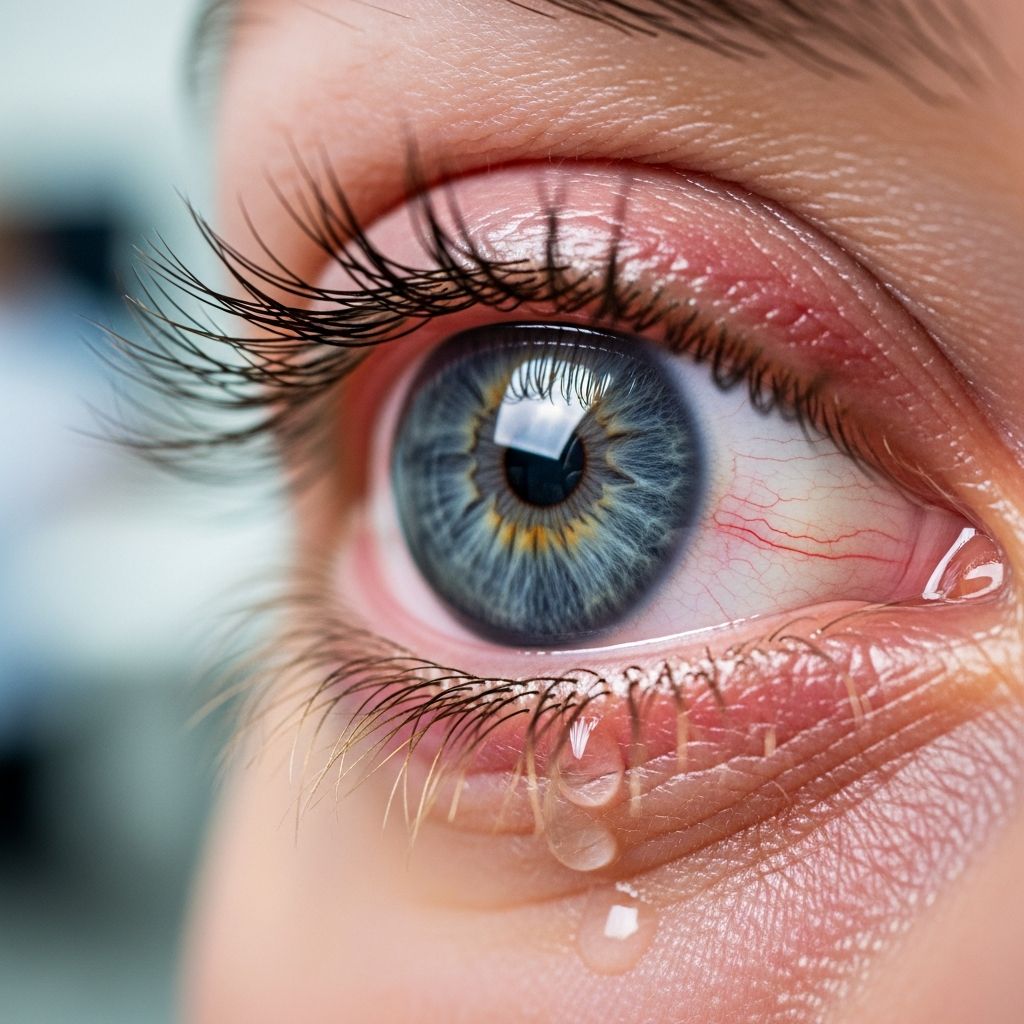
Understanding Allergic Conjunctivitis
Allergic conjunctivitis is a condition that occurs when allergens trigger an inflammatory response in the conjunctiva, which is the tissue that lines your eyelids and covers the white portion of your eyes. This common eye condition affects millions of people annually and can significantly impact quality of life, particularly during allergy seasons. Unlike other forms of conjunctivitis, allergic conjunctivitis is not contagious and develops as part of your body’s allergic response to environmental triggers.
The condition is often associated with other allergic manifestations and may occur alongside allergic rhinitis, commonly known as hay fever. When your immune system overreacts to harmless substances, it releases histamines and other inflammatory mediators that cause the characteristic redness, itching, and swelling of the eyes.
Common Causes of Allergic Conjunctivitis
Allergic conjunctivitis can be triggered by numerous environmental and household allergens. Understanding what causes your symptoms is the first step toward effective management.
Environmental Allergens
The most common triggers include pollen from trees, grasses, and weeds, which are particularly prevalent during spring and fall months. These seasonal allergens cause perennial or seasonal variations in symptoms depending on your geographic location and climate.
Indoor Allergens
Indoor environments contain year-round allergens that can trigger symptoms regardless of the season. Dust mites thrive in bedding, carpets, and upholstered furniture. Mold spores flourish in damp areas such as bathrooms and basements. Pet dander from cats and dogs is another significant trigger for many individuals.
Risk Factors
Anyone can develop allergic conjunctivitis, but certain factors increase your risk. If you have a personal history of allergies or a biological family history of allergic conditions, you’re more likely to develop this eye condition. Living in areas with high pollen counts or owning pets also increases your susceptibility.
Recognizing Symptoms
Allergic conjunctivitis presents with distinctive symptoms that primarily affect both eyes. The hallmark signs include red eyes, intense itching, swelling of the conjunctiva and eyelids, and excessive tearing or watery discharge.
The symptoms are typically bilateral, meaning both eyes are affected simultaneously, which distinguishes allergic conjunctivitis from bacterial or viral forms that usually involve only one eye. The itching is often severe enough to cause discomfort, though it’s crucial to resist the urge to rub your eyes, as this can worsen inflammation and potentially damage the delicate ocular tissues.
The duration of symptoms varies considerably depending on the specific allergen and severity of your allergic response. Symptoms may persist for less than an hour or extend for days, weeks, or even months. Seasonal allergic conjunctivitis typically improves during winter months when pollen counts decrease, while perennial forms may occur throughout the year.
Types of Allergic Conjunctivitis
Medical professionals recognize several distinct forms of allergic conjunctivitis, each with specific characteristics and seasonal patterns.
Seasonal Allergic Conjunctivitis
This is the most common form and typically occurs during spring and summer months when pollen counts are elevated. Symptoms often coincide with hay fever and upper respiratory allergy symptoms. This type usually resolves during winter months when allergen exposure decreases.
Related Stories



Perennial Allergic Conjunctivitis
Perennial allergic conjunctivitis results from year-round exposure to indoor allergens such as dust mites, mold, and pet dander. Sufferers experience chronic symptoms that may fluctuate in severity but persist throughout the year.
Vernal Keratoconjunctivitis
This more severe form predominantly affects children and adolescents in warm climates. It typically emerges in spring and improves during winter, though symptoms can be more pronounced than seasonal allergic conjunctivitis.
Atopic Keratoconjunctivitis
This advanced form usually affects older adults and individuals with atopic dermatitis. It can involve corneal inflammation and requires more aggressive treatment approaches.
Diagnosis and Evaluation
If you suspect allergic conjunctivitis, a healthcare provider will conduct a comprehensive evaluation. They will review your complete health history and ask detailed questions about your symptoms, including when they started, what makes them worse, and whether you’ve experienced similar episodes previously.
During the physical examination, your provider will inspect your eyes for characteristic signs of allergic conjunctivitis, including conjunctival redness, swelling, and papillary reactions. They may use specialized equipment to examine the eye structure more closely.
Diagnostic Tests
While diagnosis is primarily clinical based on history and physical findings, your provider may recommend allergy testing to identify specific triggers. Allergy skin testing and blood tests measuring immunoglobulin E (IgE) levels against specific allergens can help pinpoint your particular allergens. Referral to an allergist may occur for complex cases or when symptoms don’t respond to initial treatments.
Distinguishing from Other Types
It can be challenging to differentiate allergic conjunctivitis from other forms, particularly viral or bacterial conjunctivitis. However, certain clinical clues help distinguish them. Itchy, watery eyes affecting both eyes are more characteristic of allergies, while bacterial or viral conjunctivitis typically involves one eye and produces a mucus or pus discharge. Additionally, allergic conjunctivitis generally lasts longer than infectious forms.
Treatment Options
The primary goal of treatment is to avoid allergens when possible and manage symptoms through various therapeutic approaches. Treatment strategies typically progress from basic preventive measures to medications and, in severe cases, immunotherapy.
Avoidance and Home Remedies
The most effective approach begins with allergen avoidance. This includes avoiding touching or rubbing your eyes, which can introduce allergens and worsen inflammation. Home remedies that provide symptom relief include applying cool or cold compresses to reduce itching and inflammation, using artificial tears to dilute allergens, and maintaining strict eye hygiene practices.
Additional preventive measures include frequent handwashing, regular changing and washing of bedding in hot water, reducing indoor allergen accumulation through HEPA filtration, and regular vacuuming with HEPA filters. Showering before bedtime can remove pollen from hair and skin, reducing nighttime symptoms.
Medications
Over-the-counter and prescription medications form the cornerstone of allergic conjunctivitis management. Antihistamine eye drops provide rapid symptom relief by blocking histamine receptors on mast cells. These medications are available in various formulations, including immediate-acting and sustained-release options.
Decongestant eye drops can temporarily reduce redness and swelling, though prolonged use may cause rebound vasodilation when discontinued. Mast cell stabilizer drops prevent histamine release and are particularly useful for prophylaxis when allergen exposure is anticipated.
Nonsteroidal anti-inflammatory drugs such as ketorolac tromethamine have FDA approval for seasonal allergic conjunctivitis and work synergistically with antihistamines. In cases with significant inflammation not controlled by other measures, low-potency topical corticosteroids may be prescribed for brief periods.
Advanced Treatments
For severe allergic conjunctivitis resistant to conventional therapies, allergen immunotherapy offers a potentially curative approach. This treatment involves controlled exposure to gradually increasing amounts of specific allergens over several months. This process desensitizes your immune system, reducing or eliminating symptoms upon future allergen exposure.
Immunotherapy can be administered as allergy shots or sublingual allergy drops. More severe forms like vernal or atopic keratoconjunctivitis may require topical cyclosporin 2% or supratarsal corticosteroid injections for optimal control.
Prevention Strategies
Prevention forms an essential component of long-term management. Avoiding known allergens is the most effective preventive strategy. If you know specific triggers, minimize exposure as much as possible.
Daily preventive medications may include oral antihistamines or topical prophylactic eye drops taken before anticipated allergen exposure. Environmental controls such as using HEPA air purifiers, maintaining proper humidity levels, and regularly cleaning surfaces reduce indoor allergen concentrations.
Practical measures include wearing sunglasses outdoors during high pollen counts to shield eyes from allergens, keeping car windows closed during pollen season, and removing outer clothing upon entering your home to prevent tracking allergens inside.
When to Seek Professional Care
While many cases of allergic conjunctivitis can be managed with self-care and over-the-counter treatments, professional evaluation is warranted in certain situations. Contact a healthcare provider, allergist, or eye care specialist if symptoms regularly interfere with your daily quality of life, if symptoms don’t respond to over-the-counter treatments after one week, if you experience vision changes, or if symptoms are accompanied by eye pain or photophobia.
Seeking professional guidance ensures accurate diagnosis and access to appropriate treatment options tailored to your specific condition.
Frequently Asked Questions
Q: Can allergic conjunctivitis be cured?
A: Yes, allergen immunotherapy can provide a cure by desensitizing your immune system to specific allergens. Additionally, you can effectively manage symptoms through allergen avoidance and medications, potentially achieving long-term symptom relief.
Q: How long do allergic conjunctivitis symptoms typically last?
A: Duration varies considerably based on your unique immune system, the specific allergen involved, and allergy severity. Symptoms may last less than an hour or persist for days, weeks, or months. Seasonal forms typically improve during winter, while perennial forms may continue year-round.
Q: Is allergic conjunctivitis contagious?
A: No, allergic conjunctivitis is not contagious. Unlike bacterial or viral conjunctivitis, it results from an immune response to allergens rather than infectious agents.
Q: Can I distinguish allergic conjunctivitis from other types of pink eye?
A: While allergic conjunctivitis typically presents with bilateral itchy, watery eyes that last longer than infectious forms, it’s best to have a healthcare provider diagnose the specific type through clinical evaluation.
Q: What’s the best way to prevent allergic conjunctivitis symptoms?
A: Avoiding known allergens is most effective. Additional preventive measures include using HEPA filters, regular vacuuming, frequent handwashing, washing bedding in hot water, wearing sunglasses outdoors, and keeping windows closed during high pollen counts.
Q: Should I rub my itchy eyes?
A: No, rubbing your eyes can worsen inflammation, introduce additional allergens, and potentially damage corneal tissue. Instead, apply cool compresses or use appropriate eye drops to relieve itching.
Q: What medications are most effective for allergic conjunctivitis?
A: Antihistamine eye drops provide rapid relief for most people. Mast cell stabilizers offer preventive benefits, while NSAIDs like ketorolac work synergistically with antihistamines. For severe cases, topical corticosteroids or immunotherapy may be recommended.
Conclusion
Allergic conjunctivitis significantly impacts many individuals, particularly during pollen seasons or with year-round indoor allergen exposure. However, with proper understanding of the condition, identification of specific triggers, and implementation of appropriate treatment strategies, most people successfully manage their symptoms and maintain good eye health. By combining allergen avoidance, home remedies, and medications when necessary, you can minimize discomfort and enjoy activities without being limited by eye allergies. For persistent or severe symptoms, consultation with an allergist or eye care specialist can provide access to advanced treatment options including immunotherapy.
References
- Allergic Conjunctivitis: Causes, Symptoms & Treatment — Cleveland Clinic. 2024-08-07. https://my.clevelandclinic.org/health/diseases/allergic-conjunctivitis
- Allergic Conjunctivitis — American Academy of Ophthalmology (EyeWiki). https://eyewiki.org/Allergic_Conjunctivitis
- Allergy Blood Testing: A Practical Guide for Clinicians — Cleveland Clinic Journal of Medicine. 2011. https://www.ccjm.org/content/ccjom/78/9/585.full.pdf
- Allergy and Clinical Immunology Department — Cleveland Clinic. https://my.clevelandclinic.org/departments/respiratory/depts/allergy-clinical-immunology
Similar Articles








Read full bio of medha deb