Understanding Allergic Conjunctivitis: Causes and Management
Learn about allergic eye inflammation, triggers, and effective treatment options for relief.
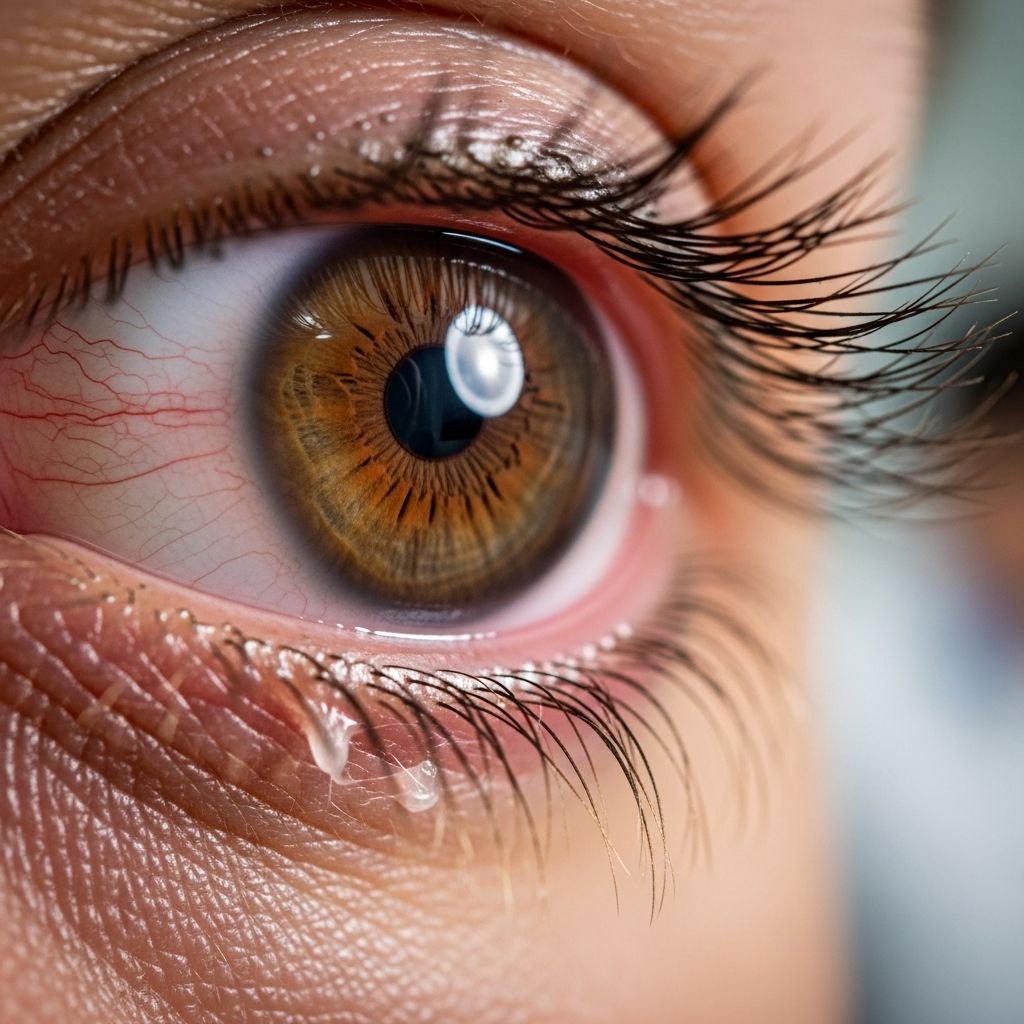
Allergic conjunctivitis represents one of the most common ocular conditions affecting individuals worldwide, characterized by inflammation of the conjunctiva—the transparent membrane covering the white part of the eye and inner eyelids. Unlike infectious forms of conjunctivitis caused by bacteria or viruses, allergic conjunctivitis develops when the eye’s surface reacts to specific substances triggering an allergic response. This condition is not contagious and typically causes significant discomfort rather than permanent vision damage, though severe cases require specialized attention to prevent complications.
The Biological Mechanism Behind Eye Allergies
When an allergen contacts the ocular surface, it initiates a cascade of immunological events within the eye. The body’s immune system recognizes the allergen as a threat, prompting the release of immunoglobulin E (IgE) antibodies that bind to mast cells in the conjunctiva. This binding causes mast cells to degranulate, releasing stored chemical mediators including histamine, which directly triggers the characteristic symptoms of allergic conjunctivitis. Histamine acts on nearby blood vessels and nerve endings, resulting in vasodilation, increased vascular permeability, and stimulation of sensory nerves that produce itching, redness, and tearing.
The inflammatory cascade continues as additional mediators such as leukotrienes, prostaglandins, and cytokines are released, prolonging and intensifying the allergic response. Understanding this mechanism is essential because it guides treatment strategies—interventions aim either to block histamine release, inhibit histamine receptors, or reduce overall inflammation.
Identifying Common Allergen Triggers
Allergic conjunctivitis develops in response to exposure to specific substances, with the triggering allergen varying significantly between individuals and geographic locations. Common environmental and household allergens include:
- Airborne pollens: Tree, grass, and ragweed pollens represent major seasonal triggers, with pollen concentrations highest during warm, dry, and windy weather when particles remain suspended in the air. Conversely, rainy conditions typically reduce pollen levels as moisture washes particles from the atmosphere.
- Fungal elements: Mold spores proliferate in damp, cool environments, making them significant allergens for individuals with mold sensitivity.
- Animal proteins: Pet dander presents another major allergen source, with reactions sometimes species-specific—an individual may react to cat dander while remaining unaffected by dog dander.
- Household irritants: Dust mites, cosmetics, fragrances, detergents, and smoke can trigger allergic responses in sensitive individuals.
Notably, allergic conjunctivitis demonstrates a familial tendency, suggesting genetic predisposition plays a significant role in an individual’s susceptibility to developing eye allergies.
Distinguishing Types of Allergic Eye Disease
Medical professionals classify allergic conjunctivitis into several categories based on allergen exposure patterns and clinical severity:
Seasonal Allergic Conjunctivitis: This variant, commonly referred to as “hay fever eyes,” occurs predictably during specific seasons when particular allergens reach peak environmental levels. Spring and summer typically present the most problematic periods when tree and grass pollens proliferate. Patients with seasonal allergic conjunctivitis experience symptom onset and resolution corresponding to allergen availability.
Perennial Allergic Conjunctivitis: Individuals with this form experience symptoms year-round due to constant exposure to indoor allergens such as dust mites and pet dander, or persistent environmental sensitivities to fragrances and detergents.
Vernal Keratoconjunctivitis (VKC) and Atopic Keratoconjunctivitis (AKC): These represent more severe manifestations of allergic eye disease that extend beyond simple conjunctival inflammation to involve deeper ocular structures. These conditions require more aggressive therapeutic interventions and specialist oversight to prevent serious vision complications.
Recognizing Symptoms and Clinical Presentation
Allergic conjunctivitis produces characteristic symptoms resulting from histamine release and conjunctival inflammation. The hallmark symptom remains intense itching of the affected eye or eyes, often accompanied by:
- Redness or hyperemia of the conjunctiva
- Excessive tearing or epiphora
- Conjunctival swelling or chemosis
- Foreign body sensation
- Mild photophobia (light sensitivity)
- Stringy mucoid discharge
Individuals with allergic conjunctivitis frequently report associated systemic allergic manifestations including nasal congestion, sneezing, and asthma symptoms. The temporal pattern of symptoms—acute onset following allergen exposure and gradual resolution with allergen avoidance—helps distinguish allergic conjunctivitis from other causes of conjunctivitis.
Therapeutic Approaches and Management Strategies
First-Line Environmental Management: The most effective and safest initial approach involves identifying and avoiding allergen exposure whenever feasible. Patients benefit from understanding their specific triggers and implementing avoidance strategies such as keeping windows closed during high pollen seasons, using air filtration systems, and maintaining allergen-free sleeping environments.
Symptomatic Comfort Measures: Simple home remedies provide immediate relief for mild symptoms. Cold compresses and ice packs reduce inflammation and soothe itching by lowering local tissue temperature and constricting blood vessels. Artificial tear solutions offer several benefits: they dilute allergen concentration on the ocular surface, provide lubricating relief, and mechanically flush away irritating particles.
Topical Pharmacological Interventions: When home management proves insufficient, topical eye medications address allergic inflammation through multiple mechanisms:
| Medication Class | Mechanism of Action | Typical Use | Duration of Effect |
|---|---|---|---|
| Antihistamines (emedastine, epinastine, bepotastine) | Block histamine receptors on conjunctival cells | Acute symptom exacerbations | Rapid relief within minutes |
| Mast Cell Stabilizers (cromolyn sodium, nedocromil, lodoxamide) | Prevent mast cell degranulation and histamine release | Long-term maintenance therapy | Maximal effect after continuous use over weeks |
| Combined Antihistamine-Mast Cell Stabilizers (ketotifen, olopatadine) | Dual action addressing acute and chronic components | Both acute and chronic management | Rapid and sustained relief |
| Topical NSAIDs (ketorolac) | Inhibit prostaglandin and leukotriene production | Adjunctive therapy with other agents | Moderate supplementary relief |
| Vasoconstrictors (xylometazoline, antazoline) | Reduce conjunctival blood vessel caliber | Short-term symptom relief | Temporary; risk of rebound hyperemia with prolonged use |
Mast cell stabilizers represent particularly valuable agents for managing chronic allergic conjunctivitis because they address the underlying inflammatory process rather than simply masking symptoms. These medications require several weeks of consistent daily application before achieving maximum therapeutic benefit, making them suitable for preventive use during predictable seasonal allergen exposure.
Corticosteroid Eye Drops: Short-term topical corticosteroids rapidly suppress inflammation in moderate-to-severe cases unresponsive to antihistamines and mast cell stabilizers. However, prolonged corticosteroid use carries risks including elevated intraocular pressure and posterior subcapsular cataract formation, necessitating specialist supervision and careful follow-up monitoring. Treatment duration should not exceed two weeks unless specifically directed by an eye care specialist.
Combination Therapy Approach: For optimal symptom control, particularly in moderate-to-severe cases, combining medications with complementary mechanisms—such as antihistamines with mast cell stabilizers—demonstrates superior efficacy compared to monotherapy. This stepwise approach allows physicians to balance symptom control against medication-related risks.
Managing Severe and Refractory Cases
When standard topical therapies fail to adequately control symptoms or patients develop steroid dependency, alternative treatment modalities become necessary. Systemic antihistamines and corticosteroids demonstrate limited effectiveness for isolated ocular symptoms but may benefit patients with accompanying systemic allergic manifestations.
Topical and systemic calcineurin inhibitors represent emerging therapeutic options for cases refractory to conventional treatment. These immunosuppressive agents prevent T-cell activation and cytokine production, addressing the chronic inflammatory component underlying severe allergic eye disease. Supratarsal corticosteroid injections deliver high local medication concentrations while minimizing systemic absorption, providing another option for recalcitrant VKC or AKC.
Immunotherapy (allergy shots) may benefit selected patients with well-defined specific allergen sensitivities, though evidence for ocular benefit remains limited compared to rhinitis management.
Special Considerations for Contact Lens Wearers
Contact lens use significantly exacerbates allergic conjunctivitis because lens materials accumulate allergens and prevent adequate tear flow, prolonging allergen-conjunctiva contact. Patients experiencing seasonal or episodic allergic conjunctivitis should temporarily discontinue contact lens wear during symptomatic periods. For those requiring continuous lens wear despite allergies, switching to daily disposable lenses minimizes allergen accumulation and improves comfort. Frequent lens cleaning and case replacement further reduces allergen buildup.
Frequently Asked Questions About Allergic Conjunctivitis
Is allergic conjunctivitis contagious?
No, allergic conjunctivitis is not contagious. Unlike bacterial or viral conjunctivitis, which spread through direct contact or respiratory droplets, allergic conjunctivitis results from an individual’s immune reaction to environmental allergens. The condition cannot transmit from one person to another.
Will allergic conjunctivitis affect my vision permanently?
Uncomplicated seasonal or perennial allergic conjunctivitis does not cause permanent vision loss. However, severe forms including VKC and AKC can potentially damage the cornea if untreated, underscoring the importance of appropriate medical management for persistent symptoms.
Can children develop allergic conjunctivitis?
Yes, children commonly experience allergic conjunctivitis, particularly those with seasonal allergies or asthma. Notably, allergic eye disease typically improves with age, with many children experiencing symptom resolution as their immune systems mature.
How long does allergic conjunctivitis persist?
Duration depends on allergen exposure. Seasonal allergic conjunctivitis resolves when triggering pollens decrease, typically within weeks of seasonal transition. Perennial forms persist as long as allergen exposure continues, though symptoms may fluctuate with environmental concentration changes.
Should I use vasoconstrictor eye drops?
While vasoconstrictors provide rapid symptom relief, sustained use carries risks. Prolonged vasoconstrictor application causes rebound conjunctival injection when discontinuing medication, perpetuating the cycle of symptoms and medication dependence. These agents should remain limited to short-term acute symptom management.
When to Seek Specialist Evaluation
Consultation with an eye care specialist becomes appropriate when symptoms persist despite optimal home management and over-the-counter medications, when vision becomes affected, or when corticosteroid therapy is being considered. Severe pain, significant vision changes, or signs suggesting corneal involvement warrant prompt specialist evaluation to rule out complications and ensure appropriate management.
Allergic conjunctivitis, while common and generally self-limited, significantly impacts quality of life through ocular discomfort and associated symptoms. A systematic approach combining allergen avoidance, symptomatic relief, and appropriate pharmacological therapy enables most patients to achieve satisfactory symptom control and maintain visual health. Understanding the underlying inflammatory mechanisms and available treatment options empowers both patients and providers to optimize management strategies tailored to individual presentation and severity.
References
- Allergic Conjunctivitis — National Center for Biotechnology Information (NCBI), National Library of Medicine. 2024. https://www.ncbi.nlm.nih.gov/books/NBK448118/
- Allergic Conjunctivitis — Eye One Surgical, Georgetown University Hospital. 2024. https://www.eyeonesurgical.com/allergic-conjunctivitis.php
- Allergic Conjunctivitis — American Academy of Ophthalmology (EyeWiki). 2024. https://eyewiki.org/Allergic_Conjunctivitis
- Allergic Conjunctivitis — American Association of Pediatric Ophthalmologists and Strabismologists (AAPOS). 2024. https://aapos.org/glossary/allergic-conjunctivitis
- Allergic Conjunctivitis (Pink Eye) — Prevent Blindness. 2024. https://preventblindness.org/allergic-conjunctivitis-pink-eye/
- Allergic Conjunctivitis — Australasian Society of Clinical Immunology and Allergy (ASCIA). 2024. https://www.allergy.org.au/patients/allergic-rhinitis-hay-fever-and-sinusitis/allergic-conjunctivitis
Similar Articles








Read full bio of medha deb