Allergic Conjunctivitis: Causes, Symptoms, And Treatment
Comprehensive guide to causes, symptoms, diagnosis, and effective treatments for allergic eye inflammation.
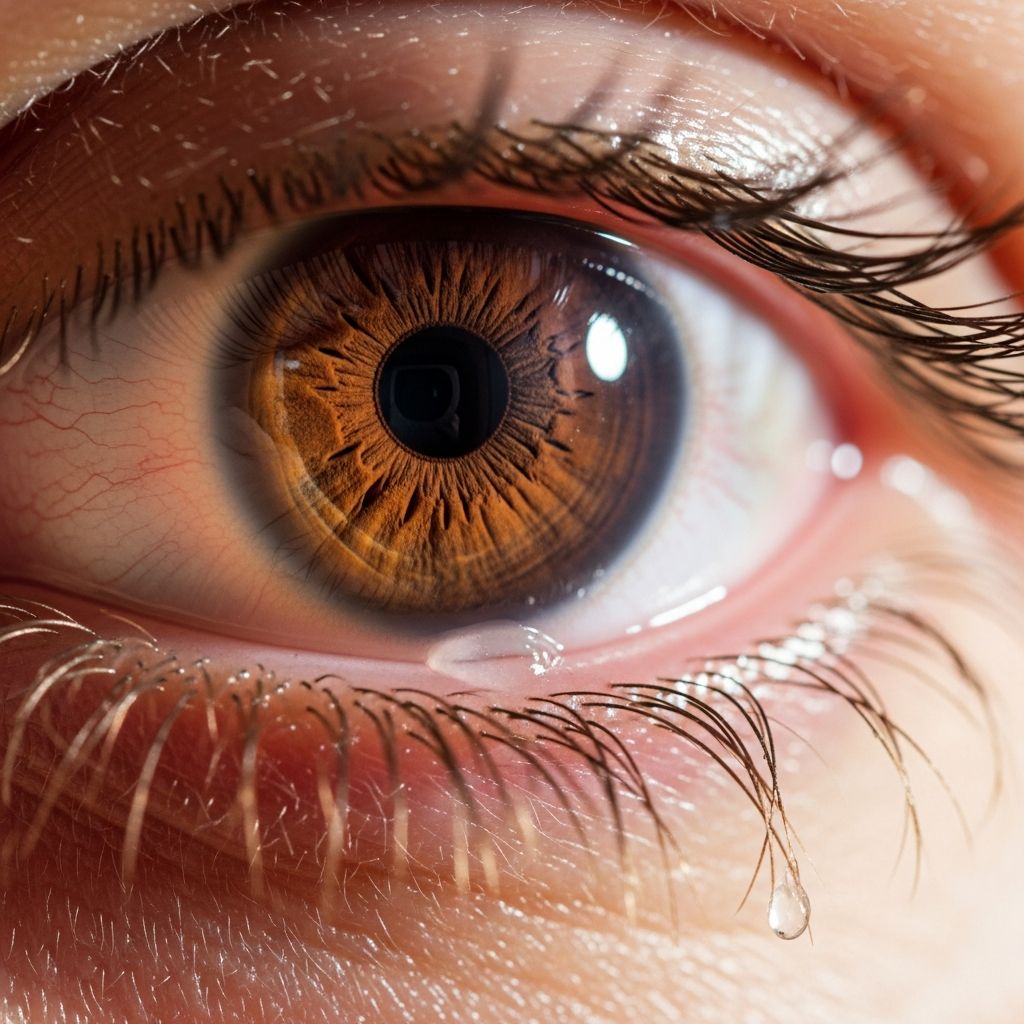
Allergic conjunctivitis is an inflammatory condition of the conjunctiva—the thin, transparent membrane covering the white part of the eye and inner eyelids—triggered by an allergic reaction to environmental allergens. It affects millions worldwide, often alongside other allergy symptoms like rhinitis, leading to significant discomfort but rarely threatening vision.
What is Allergic Conjunctivitis?
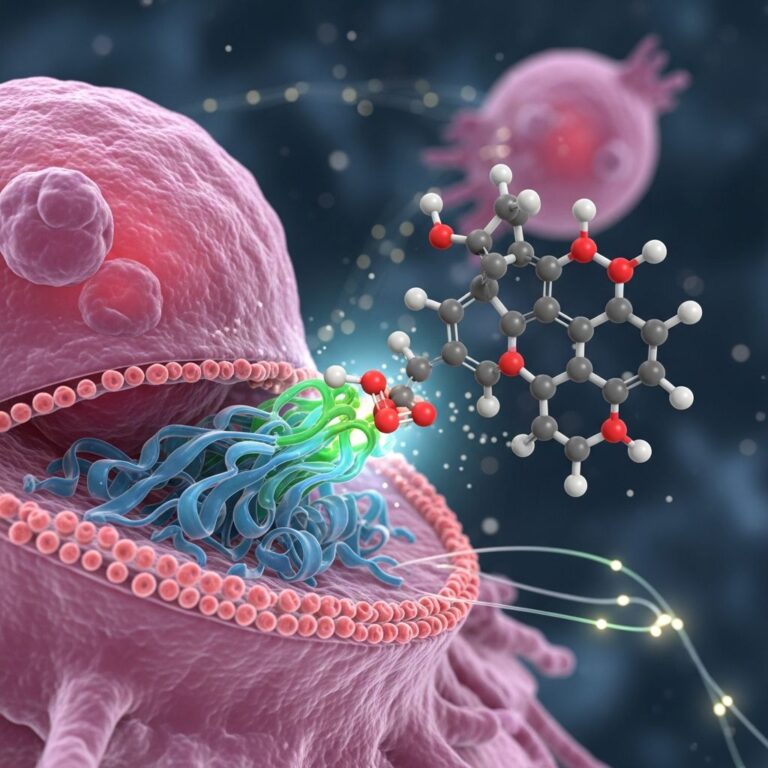
The conjunctiva serves as a protective barrier for the eye, but in allergic individuals, exposure to allergens prompts mast cells and basophils to release histamine and other mediators, causing immediate hypersensitivity (type I) reactions. This results in vasodilation, increased vascular permeability, and itching. Allergic conjunctivitis encompasses several subtypes, including seasonal, perennial, atopic keratoconjunctivitis (AKC), vernal keratoconjunctivitis (VKC), and giant papillary conjunctivitis (GPC).
Seasonal allergic conjunctivitis (SAC), often termed ‘hay fever conjunctivitis,’ peaks during pollen seasons like spring and summer. Perennial allergic conjunctivitis (PAC) persists year-round due to indoor allergens. VKC and AKC are chronic, more severe forms typically affecting younger patients or those with atopic dermatitis.
Who Gets Allergic Conjunctivitis?
Allergic conjunctivitis predominantly impacts people with personal or family histories of atopy, including asthma, allergic rhinitis, and eczema. It is more prevalent in urban environments with high allergen exposure. Children and young adults are commonly affected by SAC, while VKC often strikes boys in hot, dry climates aged 5–20 years. Women comprise about 60% of PAC cases. Contact lens wearers are at higher risk for GPC due to mechanical irritation and protein deposits on lenses.
- At-risk groups: Atopics (70–80% of cases), contact lens users, those in polluted or high-pollen areas.
- Prevalence: Up to 40% of the population experiences ocular allergies, with SAC being the most common subtype.
Causes of Allergic Conjunctivitis
The primary culprits are airborne allergens that contact the ocular surface, binding to IgE antibodies on mast cells and triggering degranulation. Common triggers include:
- Seasonal: Tree/grass pollens (spring/summer), ragweed/mold spores (fall).
- Perennial: House dust mites, animal dander (cats, dogs), feathers.
- Other: Cosmetics, fragrances, smoke, detergents, contact lens solutions.
- GPC-specific: Mechanical factors like lens wear, ocular prostheses, or sutures.
Genetic predisposition plays a key role; first-degree relatives of atopics have a 50% higher risk. Environmental factors like pollution exacerbate symptoms by increasing allergen penetration.
Clinical Features of Allergic Conjunctivitis
Symptoms are typically bilateral and include intense itching (hallmark feature), redness, tearing, and burning. Patients often report rubbing their eyes, worsening symptoms via mast cell degranulation.
| Subtype | Key Features | Duration |
|---|---|---|
| SAC/PAC | Bilateral itching, watery discharge, chemosis (conjunctival swelling), no corneal involvement. | Seasonal or perennial. |
| VKC | Trantas dots (eosinophil clusters), shield ulcers, giant papillae (>1mm), photophobia. | Chronic, recurrent in summers. |
| AKC | Lid eczema, keratitis, scarring risk, vision loss possible. | Chronic, adults 30–50 years. |
| GPC | Giant papillae on upper tarsus, mucus discharge, lens intolerance. | Persistent with lens use. |
Signs on exam: Conjunctival injection, follicular/papillary reaction, limbal edema. Severe cases show Horner-Trantas dots or corneal epitheliopathy.
Related Stories



Diagnosis of Allergic Conjunctivitis
Diagnosis is clinical, based on history (itching, allergen exposure) and slit-lamp findings. No single test confirms; differentials include infectious conjunctivitis (unilateral, purulent discharge), dry eye, or uveitis.
- Supportive tests: Conjunctival scraping for eosinophils, skin prick tests, serum IgE levels.
- Grading: Severity scales assess itching, redness, swelling for treatment monitoring.
Refer to ophthalmology for VKC/AKC suspected due to vision-threatening complications like corneal scarring.
Treatment of Allergic Conjunctivitis
Treatment ladders from avoidance to pharmacotherapy. Goals: Symptom relief, prevent chronicity.
Non-Pharmacological
- Avoid allergens: Stay indoors during high pollen, use air purifiers, wash face/hair post-exposure.
- Cold compresses: Reduce swelling/itching.
- Artificial tears: Dilute allergens, lubricate (4–6x/day).
- Hygiene: Remove lenses, clean eyelids.
- Diet: Omega-3s (fish, flaxseed), antioxidants for anti-inflammatory effects.
Pharmacological
Mild (SAC/PAC): OTC antihistamine/decongestant drops (e.g., naphazoline/antazoline) short-term; warn of rebound.
Moderate: Dual-action drops (olopatadine, ketotifen: antihistamine + mast cell stabilizer). Onset 30 min, last 12 hrs.
Severe/Refractory: Topical corticosteroids (fluorometholone, loteprednol) <2 weeks under supervision; cyclosporine 2% (Restasis) or tacrolimus for steroid-sparing.
Oral: Non-sedating antihistamines (loratadine, cetirizine) for systemic relief; avoid if drying eyes.
VKC/AKC: Mast cell stabilizers (cromolyn 4x/day, max effect 2–4 weeks), then escalate to immunosuppressants.
GPC: Discontinue lenses 2–4 weeks, topical steroids, consider daily disposables.
Immunotherapy (allergy shots/drops) for severe perennial cases unresponsive to meds.
Prevention of Allergic Conjunctivitis
- Monitor pollen forecasts, keep windows closed.
- Use hypoallergenic makeup/lens solutions.
- Pre-season mast cell stabilizers.
- Vaccinations/immunotherapy for high-risk.
Outlook and Complications
Most cases resolve with treatment; chronic forms like AKC risk corneal scarring/vision loss (5–10%). VKC often remits by adulthood. Untreated rubbing leads to keratoconus.
Frequently Asked Questions (FAQs)
Q: How do I differentiate allergic from viral conjunctivitis?
A: Allergic is bilateral, itchy, seasonal; viral is unilateral initially, watery with preauricular nodes, no itch.
Q: Are antihistamine drops safe long-term?
A: Short-term yes; chronic use risks tolerance/rebound. Prefer dual-action for maintenance.
Q: Can diet help allergic conjunctivitis?
A: Yes, omega-3 rich foods and hydration reduce inflammation.
Q: When to see a doctor?
A: Persistent symptoms >1 week, vision changes, severe pain—rule out complications.
Q: Is immunotherapy effective?
A: Yes, for refractory cases, reduces symptoms 50–80% long-term.
References
- Allergic Conjunctivitis – StatPearls – NCBI Bookshelf — National Center for Biotechnology Information (NCBI). 2023-07-17. https://www.ncbi.nlm.nih.gov/books/NBK448118/
- Tips for Management of Allergic Conjunctivitis — Becker ENT and Allergy. 2023. https://www.beckerentandallergy.com/blog/tips-for-management-of-allergic-conjunctivitis
- Allergic Conjunctivitis — Georgetown University Hospital (Eye One Surgical). 2023. https://www.eyeonesurgical.com/allergic-conjunctivitis.php
- Allergic Conjunctivitis (Pink Eye) — Prevent Blindness. 2023. https://preventblindness.org/allergic-conjunctivitis-pink-eye/
- Allergic Conjunctivitis — Kaiser Permanente. 2023. https://mydoctor.kaiserpermanente.org/ncal/structured-content/allergic-conjunctivitis-18785
Similar Articles








Read full bio of Sneha Tete