Allergic Contact Dermatitis to Isocyanate
Understanding the causes, symptoms, diagnosis, and management of skin reactions from isocyanate exposure in polyurethane products.
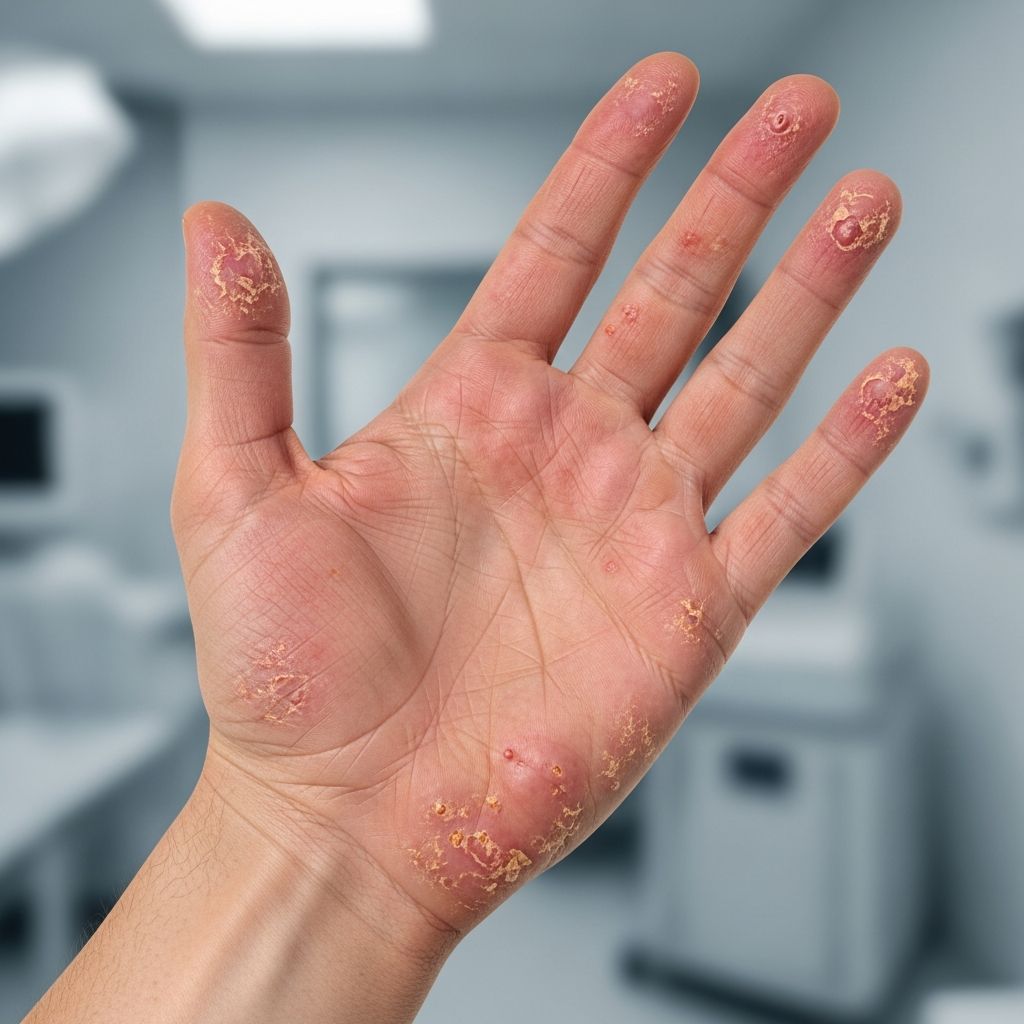
Allergic contact dermatitis (ACD) to isocyanate is a type IV hypersensitivity reaction triggered by exposure to isocyanates, highly reactive chemicals used in polyurethane production. This condition primarily affects workers handling polyurethane-based products like paints, foams, and coatings, leading to eczematous skin inflammation at contact sites.
What is Allergic Contact Dermatitis to Isocyanate?
Allergic contact dermatitis to isocyanate represents a delayed immune response where isocyanates act as haptens, binding to skin proteins to form complete allergens recognised by T-cells. Unlike irritant dermatitis, ACD requires prior sensitisation, typically after repeated exposures over weeks to months. Isocyanates, including toluene diisocyanate (TDI), methylene diphenyl diisocyanate (MDI), and hexamethylene diisocyanate (HDI), are potent sensitisers affecting 1-25% of exposed workers. Skin exposure not only causes local dermatitis but can contribute to systemic sensitisation, potentially leading to respiratory issues like occupational asthma.
This dermatitis manifests as an itchy, red rash precisely matching the contact area, often on hands, forearms, or face. Chronic cases show lichenification—skin thickening and cracking—due to persistent rubbing. While primarily cutaneous, cross-talk between skin and lungs underscores the importance of recognising isocyanate ACD in occupational health.
Who Gets Allergic Contact Dermatitis to Isocyanate?
Individuals at highest risk are those in industries involving polyurethane applications. Key occupational groups include:
- Spray painters and automotive refinishers: Exposed to 2K polyurethane paints containing HDI isocyanates.
- Polyurethane foam manufacturers: Handling TDI or MDI in flexible or rigid foams.
- Coating applicators: In marine, aircraft, or industrial settings using isocyanate-based varnishes.
- Construction workers: Applying polyurethane sealants, adhesives, or insulation foams.
- Orthopedic technicians: Mixing MDI-based casting materials, with case reports of asthma from skin exposure alone.
Sensitisation rates vary: up to 5% in spray painters, with higher incidence in those using high-isocyanate formulations without adequate protection. At-risk workers often have atopic backgrounds or pre-existing asthma, amplifying susceptibility. Genetic factors, like glutathione S-transferase polymorphisms, may influence detoxication capacity and risk.
What Causes Allergic Contact Dermatitis to Isocyanate?
Isocyanates penetrate compromised skin barriers (e.g., from solvents or micro-abrasions), haptenising proteins and eliciting a Th1/Th17-mediated response. Initial exposures induce sensitisation; subsequent contacts trigger effector T-cells, releasing cytokines that cause epidermal spongiosis and vesicle formation.
Key triggers include:
- Liquid isocyanates: Monomers or prepolymers in paints, during mixing or spraying.
- Cured products: Unreacted isocyanates migrating from fresh polyurethane films.
- Aerosols: Skin deposition from airborne overspray.
Skin exposure is a primary sensitisation route, with animal models showing dermal application leads to asthma-like responses upon inhalation challenge. Human evidence links skin exposure to isocyanate asthma, even when air levels are undetectable. Mucous membrane irritation exacerbates risks, as isocyanates are potent eye and respiratory tract irritants.
What are the Clinical Features of Allergic Contact Dermatitis to Isocyanate?
Symptoms emerge 12-72 hours post-exposure in sensitised individuals, starting as erythema and pruritus at contact sites. Acute lesions feature vesicles, oedema, and weeping; subacute stages show scaling and fissuring; chronic exposure yields hyperkeratosis and lichenification.
Characteristic patterns:
- Hands/dorsal fingers: From handling wet paints or foams.
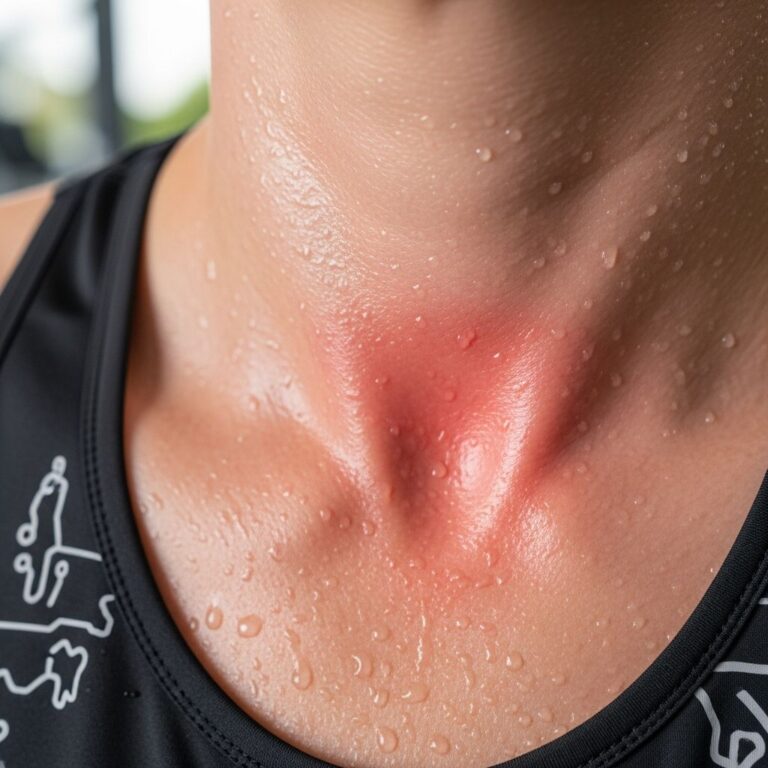
- Face/neck: Aerosol deposition during spraying.
- Flexural areas: Sweat aiding penetration.
Related Stories



Associated symptoms include conjunctivitis, rhinitis, or respiratory distress in 20-30% of cases, indicating systemic sensitisation. Differentiate from irritant dermatitis (immediate onset, burning) or airborne ACD (diffuse facial involvement).
Diagnosis of Allergic Contact Dermatitis to Isocyanate
Diagnosis combines clinical history, patch testing, and exclusion of differentials. Occupational exposure history is pivotal: symptoms improving away from work strongly suggest ACD.
Patch Testing: Gold standard using isocyanate allergens:
| Allergen | Concentration | Vehicle |
|---|---|---|
| TDI | 0.5-2% | Pet. |
| MDI | 0.5-2% | Pet./Acetone |
| HDI | 0.1-1% | Pet. |
| IPDI | 0.5% | Pet. |
Readings at D2/D4; positive reactions (++) indicate relevance. False negatives occur if allergens degrade; use fresh prepolymers. Serial dilutions pinpoint sensitisation thresholds.
Supplementary tests: Prick testing for respiratory atopy; spirometry for asthma; isocyanate-specific IgE (low sensitivity). Biopsy shows spongiotic dermatitis, non-specific.
Management and Treatment of Allergic Contact Dermatitis to Isocyanate
Primary management: allergen avoidance. Occupational counselling for job change or modified duties.
Symptomatic Relief:
- Topicals: Potent corticosteroids (e.g., clobetasol 0.05%) for acute phase, transitioning to mid-potency; emollients for barrier repair.
- Systemics: Oral prednisone (0.5-1 mg/kg) for severe widespread reactions; antihistamines for pruritus.
- Wet Wraps: For weeping lesions.
Phototherapy (NB-UVB) or immunosuppressants (e.g., azathioprine) for refractory chronic ACD. Monitor for secondary infection.
What is the Prognosis for Allergic Contact Dermatitis to Isocyanate?
Prognosis improves with strict avoidance: 70-80% resolve within months. Persistent exposure leads to chronicity in 20-30%, with risk of autosensitisation. Cross-reactivity among isocyanates is common (50-70%), complicating polyurethane-free workplaces. Long-term follow-up essential for respiratory sequelae.
Prevention of Allergic Contact Dermatitis to Isocyanate
Hierarchy of controls:
- Substitution: Low-isocyanate or water-based alternatives.
- Engineering: Local exhaust ventilation; enclosed spray booths.
- Administrative: Limit exposure time; worker rotation; medical surveillance.
- PPE: Nitrile gloves (avoid latex, permeable to isocyanates); coveralls; powered air-purifying respirators (PAPR).
Skin checks pre/post-shift; education on early symptoms. Regulations mandate exposure limits (e.g., 0.005 ppm for MDI).
Frequently Asked Questions
What are early signs of isocyanate sensitisation?
Chest tightness, cough, wheezing, runny nose, or eye irritation, often worsening at work.
Can skin exposure alone cause asthma?
Yes, evidence shows dermal sensitisation leads to respiratory responses upon inhalation.
Is patch testing safe for isocyanate allergy?
Generally yes, but use dilute concentrations to avoid active sensitisation.
How to protect skin during polyurethane painting?
Wear impervious gloves, long sleeves, and wash immediately post-exposure.
Does cured polyurethane release isocyanates?
Minimal from fully cured products, but fresh films can off-gas for hours.
References
- Skin Exposure to Isocyanates: Reasons for Concern — Wisnewski AV. National Institute of Environmental Health Sciences (PMC). 2007-01-15. https://pmc.ncbi.nlm.nih.gov/articles/PMC1849909/
- Isocyanates – Health and Safety Executive for Northern Ireland — HSENI. 2023. https://www.hseni.gov.uk/articles/isocyanates
- Isocyanates technical fact sheet — SafeWork NSW. 2024. https://www.safework.nsw.gov.au/resource-library/hazardous-chemicals/isocyanates-technical-fact-sheet
- Polyurethane Allergy: Symptoms, Risks, and Treatment Options — Wyndly. 2024. https://www.wyndly.com/blogs/learn/polyurethane-allergy
- Causative Agent: Isocyanates — Public Services Health & Safety Association (CREOD). 2019-01. https://creod.on.ca/wp-content/uploads/2019/01/PSHSA-isocyanates.pdf
Similar Articles








Read full bio of medha deb