Allergic Rhinitis (Hay Fever): Symptoms & Treatment
Understanding hay fever: causes, symptoms, and effective treatment options for relief.
Understanding Allergic Rhinitis and Hay Fever
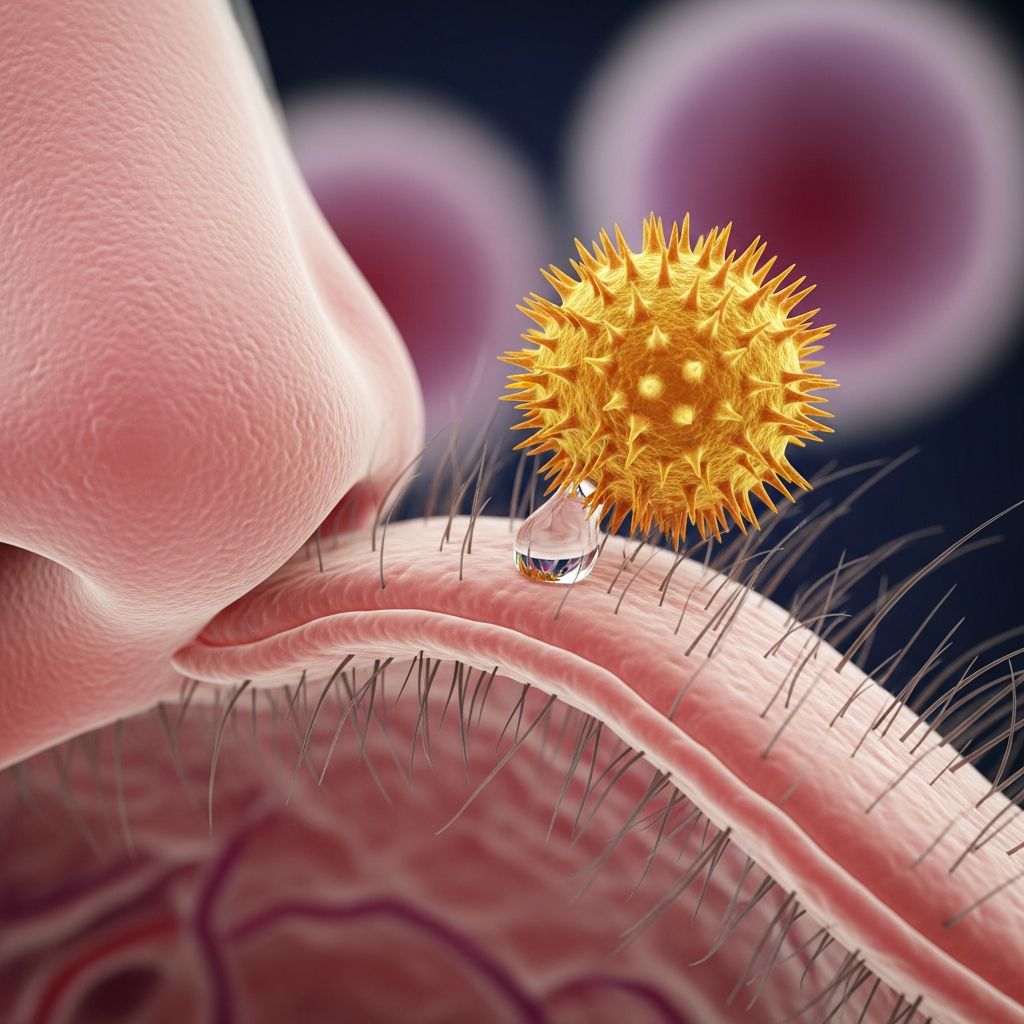
Allergic rhinitis, commonly known as hay fever, is an allergic reaction triggered by exposure to airborne allergens. When you breathe in these tiny particles through your nose or mouth, your body’s immune system reacts by releasing histamine, a natural chemical that causes characteristic allergy symptoms. Despite its misleading name, hay fever is not caused by hay and does not typically result in an actual fever. This widespread condition affects approximately 20% of the population in the United States, with more than 81 million people experiencing seasonal allergies annually.
The confusion surrounding the term “hay fever” stems from historical misunderstandings about the condition. In reality, hay fever is an allergic response to various environmental irritants rather than an infectious disease like the common cold. Understanding the true nature of allergic rhinitis is essential for proper management and finding effective relief strategies.
What Causes Hay Fever?
Allergic rhinitis occurs when your immune system overreacts to harmless particles in the air called allergens. For most people, these tiny irritants pose no threat. However, if you have hay fever, your immune system misidentifies these allergens as dangerous invaders and mounts a defensive response. This response involves releasing histamine and other chemical mediators that trigger inflammation in your nasal passages, eyes, and throat.
Common allergens that can trigger hay fever symptoms include:
- Tree pollen (especially during spring)
- Grass pollen (typically in late spring and summer)
- Ragweed pollen (commonly in fall)
- Pet dander from cats and dogs
- Dust mites in household items
- Mold spores both indoors and outdoors
- Cockroaches and insect debris
Hay fever can be either seasonal or perennial depending on the allergens involved. Seasonal allergies flare up during specific times of the year when trees, grasses, and weeds bloom and pollen counts increase. Perennial allergies occur year-round from indoor irritants like pet dander, dust mites, and cockroaches that remain consistently present in your environment.
Recognizing Hay Fever Symptoms
The symptoms of allergic rhinitis vary in intensity from person to person but typically include a combination of the following:
- Sneezing, often in multiple consecutive episodes
- Nasal congestion and stuffiness
- Itching of the nose, throat, mouth, and ears
- Watery and itchy eyes
- Irritation and swelling of the nasal passages
- Post-nasal drip
- Sore or scratchy throat
While these symptoms can make daily life uncomfortable, it is important to distinguish hay fever from other conditions that present similarly, such as the common cold or sinusitis.
Hay Fever vs. The Common Cold: Key Differences
Although allergic rhinitis and the common cold share some overlapping symptoms, there are important distinctions that help differentiate between the two conditions. Understanding these differences can guide you toward appropriate treatment.
Related Stories



| Characteristic | Hay Fever (Allergic Rhinitis) | Common Cold |
|---|---|---|
| Eye symptoms | Itchy, red, and watery eyes are common | Not typically present |
| Trigger | Usually has a clear trigger like season change or pet exposure | Caused by viral infection, contracted from other people |
| Timeline | Follows seasonal patterns; starts quickly; persists while allergen is present | Typically lasts about one week |
| Body aches and fever | Absent | Often present |
| Duration | Continues as long as allergen exposure persists | Self-resolving viral infection |
A key indicator of hay fever is that it typically occurs at predictable times each year and begins quickly upon exposure to the triggering allergen. In contrast, a cold develops gradually and is contagious, meaning you likely acquired it from contact with someone who was ill.
Why Allergies Don’t Cause Fever
Despite the misleading name “hay fever,” allergic rhinitis does not produce a fever. Fevers represent your body’s immune response to fighting bacterial and viral infections. When your immune system detects an infection, it mobilizes white blood cells that release substances called pyrogens, which trigger the elevation in body temperature.
Allergies function differently. Rather than responding to an infection, your body overreacts to harmless environmental allergens by releasing histamine and other chemical mediators. Since no infection is present and no pyrogens are released, a fever does not develop. However, untreated allergies can make you more susceptible to secondary bacterial or viral infections, which could then cause a fever. If you experience fever alongside allergy-like symptoms, it is important to consult a healthcare provider, as you may have developed a concurrent infection.
Seasonal vs. Year-Round Allergies
The timing and severity of hay fever symptoms depend on which allergens trigger your condition. Seasonal allergies typically worsen during specific times of the year. Spring allergies often result from tree pollen, summer allergies from grass and flowering plants, and fall allergies from ragweed and mold. These outdoor allergies tend to be worse when warm weather arrives, flowers bloom, and pollen counts rise in the atmosphere.
Perennial allergies, on the other hand, persist throughout the year. These indoor allergies often worsen during winter months when people spend more time indoors with closed windows, increasing exposure to dust mites, pet dander, and mold. Understanding your specific allergy pattern helps predict symptom flare-ups and plan preventive measures accordingly.
How Healthcare Providers Diagnose Hay Fever
Diagnosing allergic rhinitis involves both clinical evaluation and allergy testing. Your healthcare provider will review your symptom history, noting when symptoms occur and what factors seem to trigger them. Two primary testing methods help identify specific allergens responsible for your symptoms:
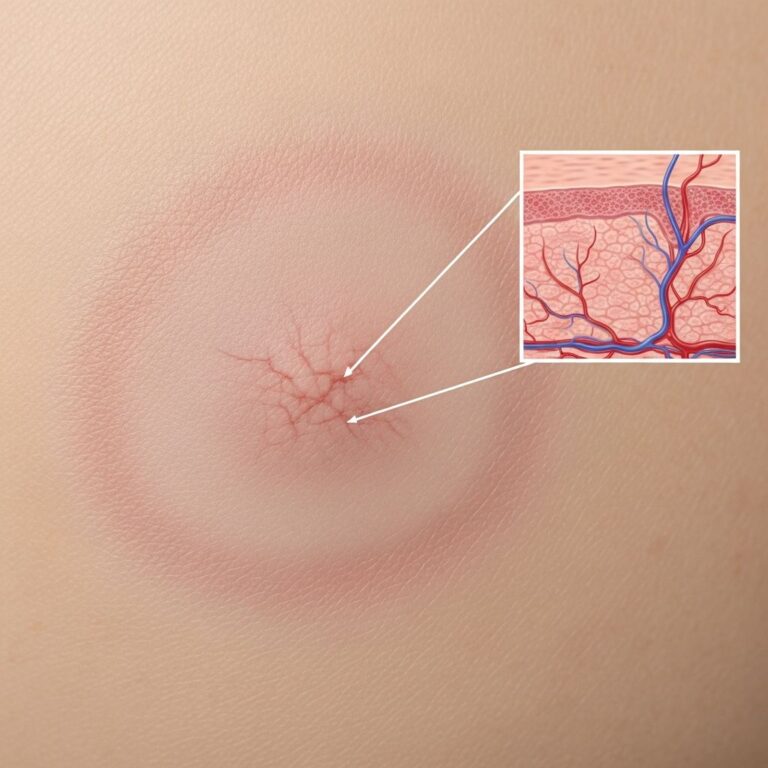
Skin Prick Test: During this procedure, your allergist applies small samples of different allergens to your skin, usually on your forearm or back. The skin is then gently scratched or pricked with a needle. If you are allergic to a specific substance, the tested area will become red, itchy, and irritated within 15 to 30 minutes, confirming your sensitivity.
Intradermal Testing: This method is similar to skin prick testing but involves placing the allergen sample directly underneath the skin using an injection. Your skin reacts in the same manner as with prick testing, developing localized redness and itching if an allergy is present.
These non-invasive tests provide valuable information about which specific allergens trigger your symptoms, enabling your healthcare provider to recommend targeted avoidance strategies and appropriate treatments.
Treatment Options for Allergic Rhinitis
Several effective approaches can help manage hay fever symptoms and improve your quality of life. Treatment options range from lifestyle modifications to medications and specialized immunotherapy.
Medications: Antihistamines are among the most commonly prescribed allergy medications. These drugs work by blocking histamine’s effects on your nasal membranes, eyes, and throat, reducing sneezing, itching, and congestion. Both over-the-counter and prescription antihistamines are available in oral and intranasal spray forms.
Nasal corticosteroid sprays provide potent anti-inflammatory action directly where symptoms occur. Decongestants can offer temporary relief from nasal congestion, while combination medications may address multiple symptoms simultaneously. For severe allergies, oral corticosteroids like prednisone may be prescribed for short-term use.
Immunotherapy (Allergy Shots): Allergy immunotherapy represents the only treatment with the potential to provide long-term relief or even cure allergic rhinitis. This treatment involves gradually exposing your immune system to increasing amounts of specific allergens, helping your body develop tolerance. Over time, your immune response diminishes, and symptoms improve significantly. Immunotherapy typically requires commitment over several years but can provide lasting benefits even after treatment concludes.
Lifestyle Changes: Simple environmental modifications can reduce allergen exposure and symptom severity. These include keeping windows closed during high pollen seasons, using air filters in your home, regularly washing bedding in hot water, and minimizing pet dander exposure through bedroom restrictions or frequent cleaning.
Managing Your Symptoms Effectively
Effective hay fever management often requires a comprehensive approach combining multiple strategies. Start by identifying your specific allergen triggers through medical testing and personal observation. Once you know what causes your symptoms, you can implement targeted avoidance measures.
During high pollen seasons, check local pollen forecasts and plan outdoor activities for times when pollen counts are lower, such as after rain or early morning hours. Shower and wash your hair after spending time outdoors to remove pollen particles. Change your clothes and place them directly in the washing machine to prevent spreading allergens throughout your home.
For indoor allergen management, invest in high-efficiency particulate air (HEPA) filters for your home and use them consistently. Wash bedding weekly in hot water to eliminate dust mites. Consider removing carpeting in favor of hard flooring, which is easier to keep allergen-free.
Work with your healthcare provider to establish a medication regimen that works best for you. Many people find that starting allergy medications before symptoms typically appear helps prevent or minimize symptoms throughout the season. Regular monitoring and adjustment of your treatment plan ensures optimal symptom control.
The Connection Between Allergies and Sleep Disruption
Allergic rhinitis can significantly impact sleep quality. Nasal congestion and post-nasal drip can make falling asleep difficult and cause nighttime awakening. The resulting sleep disruption leads to daytime fatigue and reduced cognitive function. Additionally, inflammation from allergies can contribute to general tiredness and reduced energy levels throughout the day.
Improving sleep quality requires addressing underlying allergy symptoms. Using humidifiers, keeping bedroom air clean with filters, and taking allergy medications before bedtime can help facilitate better sleep. Quality sleep is essential for overall health and helps strengthen your immune system’s ability to manage allergic responses.
Frequently Asked Questions About Hay Fever
Q: Can allergies cause a fever?
A: No, allergies themselves do not cause fever. The term “hay fever” is misleading; it is not caused by hay and is not associated with fever. Fevers result from your immune system fighting infections. However, allergies can increase your susceptibility to secondary bacterial or viral infections, which could then cause a fever.
Q: How common is allergic rhinitis?
A: Allergic rhinitis is very common, affecting approximately 20% of the U.S. population. Recent studies indicate that more than 81 million Americans experience seasonal allergies annually.
Q: Can hay fever be cured?
A: While hay fever cannot always be cured, allergy immunotherapy is the only treatment with the potential to provide long-term relief or cure allergic rhinitis. Many people manage symptoms effectively through medications, lifestyle modifications, and allergen avoidance.
Q: Is hay fever contagious?
A: No, allergic rhinitis is not contagious. It is an allergic response, not an infectious disease. You cannot catch hay fever from another person.
Q: What allergens are most common?
A: Common allergens include tree and grass pollen (seasonal), ragweed (fall), pet dander, dust mites, mold spores, and cockroaches. The specific allergens affecting you depend on your geographic location and environment.
Q: When should I start taking allergy medication?
A: Many people benefit from starting allergy medications before their typical symptom season begins. Consult your healthcare provider about the optimal timing for your specific allergies.
References
- Allergic Rhinitis (Hay Fever): Symptoms & Treatment — Cleveland Clinic. 2023-09-21. https://my.clevelandclinic.org/health/diseases/8622-allergic-rhinitis-hay-fever
- Can Allergies Cause Fever? — Cleveland Clinic Health. https://health.clevelandclinic.org/do-allergies-cause-fever
- Antihistamine Types & Side Effects — Cleveland Clinic. https://my.clevelandclinic.org/health/treatments/antihistamines
- Managing Spring Allergies — Cleveland Clinic Health. https://health.clevelandclinic.org/how-to-manage-spring-allergies
- Tired? You May Be Experiencing Allergy Fatigue — Cleveland Clinic Health. https://health.clevelandclinic.org/can-allergies-make-you-tired
- New Therapies for Allergic Rhinitis — Cleveland Clinic Journal of Medicine, 2000. https://www.ccjm.org/content/ccjom/67/3/165.full.pdf
- Complementary and Alternative Therapies for Allergic Rhinitis — PubMed Central, National Center for Biotechnology Information. https://pubmed.ncbi.nlm.nih.gov/41241420/
Similar Articles








Read full bio of Sneha Tete