Allergic Rhinitis: Expert Guide To Managing Hay Fever In 2025
Understanding allergic rhinitis: symptoms, causes, and effective treatment options.
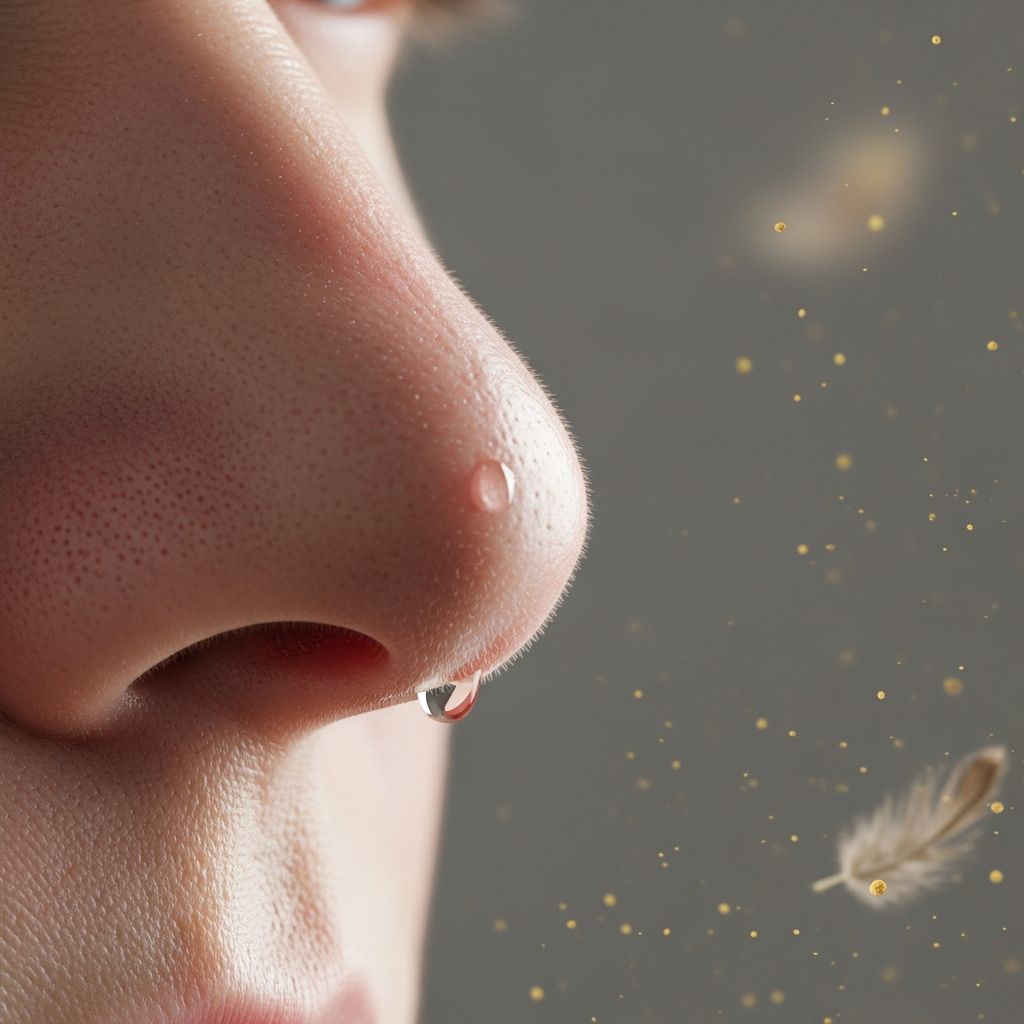
Allergic Rhinitis: Your Nose Knows
Allergic rhinitis, commonly known as hay fever, is one of the most prevalent allergic conditions affecting millions of people worldwide. This chronic inflammatory condition of the nasal passages occurs when the immune system overreacts to harmless airborne substances. Understanding allergic rhinitis is essential for anyone experiencing symptoms like sneezing, congestion, and itchy eyes, as proper management can significantly improve quality of life and reduce complications.
What is Allergic Rhinitis?
Allergic rhinitis is an inflammatory disorder of the nasal mucosa triggered by exposure to specific allergens. When a susceptible person encounters these allergens, their immune system mounts an exaggerated response, releasing chemical mediators like histamine that cause characteristic symptoms. This condition affects both children and adults and can be seasonal or perennial, depending on the type of allergen involved.
The condition occurs in two main forms: seasonal allergic rhinitis, which develops during specific times of the year when certain plants release pollen, and perennial allergic rhinitis, which persists throughout the year due to exposure to indoor allergens such as dust mites, pet dander, or mold spores.
Understanding the Causes and Triggers
Allergic rhinitis develops when the nasal immune system becomes sensitized to specific environmental substances. The most common triggers include:
- Pollen – Released by trees, grasses, and weeds during specific seasons
- Dust mites – Microscopic organisms found in bedding, furniture, and carpets
- Pet dander – Shed skin cells from cats, dogs, and other animals
- Mold spores – Released by fungi in damp indoor and outdoor environments
- Cockroach debris – Proteins found in cockroach droppings and body parts
Pollen counts, which measure the concentration of pollen in the air, are typically highest during early morning hours on warm, dry, and breezy days. Understanding pollen patterns in your region helps predict when symptoms may be most severe, allowing for better preventive planning.
Recognizing the Symptoms
The symptoms of allergic rhinitis can develop within minutes of allergen exposure and vary in severity from person to person. Common manifestations include:
- Frequent sneezing, particularly upon waking or after allergen exposure
- Nasal congestion or obstruction
- Runny nose with clear nasal discharge
- Itching in the nose, throat, and palate
- Red, itchy, and watery eyes (allergic conjunctivitis)
- Postnasal drip causing cough and throat irritation
- Swelling and dark circles under the eyes
- Sore throat and hoarseness
- Headaches and facial pressure
- Sleep disturbances and daytime fatigue
The severity of symptoms can fluctuate throughout the day and across seasons. Some individuals experience mild symptoms that barely interfere with daily activities, while others suffer from debilitating symptoms that significantly impact work productivity, academic performance, and sleep quality.
Diagnosis and Medical Evaluation
A healthcare provider diagnoses allergic rhinitis through a combination of clinical assessment and specialized testing. During the evaluation, your doctor will review your symptom pattern, family history of allergies, and potential environmental triggers. Physical examination of the nasal passages may reveal swollen, pale mucosa and clear nasal secretions characteristic of allergic rhinitis.
Allergy testing, including skin prick tests or specific immunoglobulin E (IgE) blood tests, can identify the exact allergens responsible for your symptoms. These tests help guide targeted treatment strategies and avoidance measures. Nasal endoscopy may be performed to visualize the nasal passages and rule out structural abnormalities or other conditions mimicking allergic rhinitis.
Related Stories



Treatment Approaches: Managing Allergic Rhinitis
While allergic rhinitis cannot be permanently cured, its effects can be effectively managed through a combination of environmental control, medications, and immunotherapy. Treatment selection depends on symptom severity, duration, response to previous therapies, and individual patient factors.
Environmental Control and Avoidance Strategies
The first step in managing allergic rhinitis involves minimizing exposure to identified allergens:
- Keep windows closed during high pollen seasons
- Use air conditioning with HEPA filters in vehicles and homes
- Shower and change clothes after outdoor activities during pollen season
- Wash bedding weekly in hot water to reduce dust mites
- Use allergen-proof mattress and pillow covers
- Remove shoes indoors to minimize tracked allergens
- Regularly vacuum with HEPA filters and dust surfaces
- Control humidity levels to prevent mold growth
- Consider pet-free bedrooms if animal allergies are present
Nasal Saline Rinses
Nasal saline irrigation is a safe, effective, and inexpensive treatment that physically removes allergens, irritants, and excess mucus from the nasal cavity. Saline rinses reduce postnasal drip, improve nasal patency, and often decrease the need for medications.
Saline solutions can be prepared at home using sterile water, salt, and baking soda, or purchased as premixed kits from pharmacies. The solution is administered using various devices including neti pots, squeeze bottles, or irrigation systems. Regular use, particularly before bed and after outdoor exposure, provides symptom relief and improves overall nasal hygiene.
Pharmacological Treatments
Antihistamines
Antihistamines represent the most commonly used medication for allergic rhinitis. These drugs work by blocking histamine receptors on cell membranes, preventing the characteristic symptoms of allergic reactions. Antihistamines are available in multiple formulations including tablets, liquids, nasal sprays, and eye drops.
Second-generation antihistamines such as cetirizine, fexofenadine, and loratadine are preferred over older first-generation agents because they cause minimal sedation and have fewer drug interactions. These medications typically begin working within 30 minutes, reaching maximum effectiveness one to two hours after administration. For individuals experiencing sleep disruption from allergies, first-generation sedating antihistamines may be recommended.
Nasal Corticosteroids
Nasal corticosteroid sprays represent the most effective treatment for moderate to severe allergic rhinitis. These medications reduce inflammation and swelling in the nasal mucosa, effectively controlling congestion, sneezing, and rhinorrhea. When used daily, nasal corticosteroids provide significant symptom relief often superior to antihistamines alone.
For optimal results, nasal corticosteroids should be started before allergy season begins or before symptoms develop. Regular daily use maintains symptom control better than intermittent use. Common nasal corticosteroids include fluticasone, mometasone, and beclomethasone. Side effects are minimal with intranasal administration due to low systemic absorption.
Decongestants
Decongestants like pseudoephedrine reduce nasal congestion by constricting blood vessels in the nasal passages. These medications are effective for temporary relief of nasal obstruction but should be used for no longer than one week to avoid rebound congestion and tolerance development. Prolonged decongestant use can lead to medication-induced rhinitis, requiring medical intervention.
Combination Therapy
Many individuals achieve better symptom control using combinations of medications. Pairing nasal corticosteroids with antihistamines addresses multiple symptom pathways and provides enhanced efficacy. Your healthcare provider can recommend the optimal combination based on your specific symptom profile and response to monotherapy.
Immunotherapy (Hyposensitization)
Immunotherapy offers a long-term solution for individuals with severe allergic rhinitis unresponsive to conventional medications. This treatment works by gradually desensitizing the immune system to specific allergens, reducing symptom severity and potentially preventing development of new allergies.
Two forms of immunotherapy are available: subcutaneous immunotherapy (allergy shots) and sublingual immunotherapy (dissolving tablets). Allergy shots involve a build-up phase with progressively increasing allergen doses followed by maintenance injections spaced one month apart. Sublingual tablets are placed under the tongue daily and offer convenience for patients unable to receive injections.
Immunotherapy typically requires three to five years of treatment to achieve sustained benefit. Once discontinued, benefits often persist for years. This option is particularly valuable for individuals with severe seasonal allergies or those developing new allergen sensitivities.
Comparison of Treatment Options
| Treatment Type | Onset of Action | Duration of Effect | Cost | Best For |
|---|---|---|---|---|
| Antihistamines | 30 minutes – 1 hour | 4-24 hours | Low to moderate | Mild to moderate symptoms |
| Nasal Corticosteroids | Several hours to days | 24 hours | Moderate | Moderate to severe symptoms |
| Decongestants | 15-30 minutes | 4-12 hours | Low | Temporary congestion relief |
| Immunotherapy | Months | Years | High | Severe, persistent allergies |
Lifestyle Modifications and Prevention
Successful management of allergic rhinitis extends beyond medications to include comprehensive lifestyle adjustments. During high pollen seasons, monitoring daily pollen counts helps you plan outdoor activities during low-pollen hours, typically afternoon and evening. Applying petroleum jelly around nostrils traps pollen before it enters the nasal cavity.
Regular exercise and stress management improve immune function and overall symptom tolerance. Adequate hydration maintains mucosal health and reduces mucus viscosity. Sleep optimization is particularly important, as allergic rhinitis-induced sleep disruption impairs immune function and increases daytime symptoms.
Complications and Associated Conditions
Untreated allergic rhinitis can lead to several complications affecting quality of life and respiratory health. Chronic nasal obstruction and postnasal drip increase risk of acute sinusitis and chronic rhinosinusitis. The inflammatory cascade triggered by allergic rhinitis can worsen asthma symptoms in individuals with concurrent allergic asthma.
Secondary bacterial infections may develop due to altered nasal mucus clearance. Sleep apnea risk increases due to nasal obstruction, and otitis media (middle ear infection) is more common in children with allergic rhinitis. Behavioral issues, poor academic performance, and work absenteeism result from sleep disruption and daytime symptom burden.
When to Seek Medical Care
Consult a healthcare provider if self-care measures and over-the-counter medications fail to control symptoms, if symptoms persist year-round suggesting perennial allergies, or if you develop signs of secondary infection such as fever, facial pain, or purulent nasal discharge. Additionally, seek evaluation if allergic rhinitis significantly impacts sleep, work, or school performance.
Referral to an allergist or immunologist is appropriate for severe allergic rhinitis, suspected occupational allergies, consideration of immunotherapy, or when diagnosis is unclear.
Frequently Asked Questions
Q: Can allergic rhinitis be cured?
A: While allergic rhinitis cannot be permanently cured, its symptoms can be effectively managed through medications, environmental control, and immunotherapy. Some individuals experience natural remission during adolescence or adulthood, while others develop new allergies.
Q: Is allergic rhinitis dangerous?
A: Allergic rhinitis itself is not life-threatening, but it can lead to complications including sinusitis, sleep disruption, and worsening of concurrent asthma. Severe symptoms significantly impact quality of life and productivity.
Q: What is the difference between allergic rhinitis and a cold?
A: Colds are viral infections causing sudden onset of symptoms lasting 7-10 days with possible fever and body aches. Allergic rhinitis develops gradually, persists for weeks to months, lacks fever, and occurs in predictable seasonal patterns or year-round with specific triggers.
Q: Can children develop allergic rhinitis?
A: Yes, allergic rhinitis commonly affects children and can significantly impact school performance and sleep quality. Diagnosis and treatment are similar to adults, with age-appropriate medication formulations and dosing.
Q: Are there any side effects from allergy medications?
A: Most allergy medications are well-tolerated. Second-generation antihistamines rarely cause drowsiness. Nasal corticosteroids may cause local irritation. Decongestants can cause rebound congestion with prolonged use. Immunotherapy may cause injection site reactions.
Q: How long does immunotherapy take to work?
A: Immunotherapy benefits typically develop gradually over months. Noticeable symptom improvement often occurs after 6-12 months of treatment, with maximum benefit achieved by 3-5 years.
References
- Allergic Rhinitis (Hay Fever) — Beth Israel Deaconess Medical Center. 2024. https://www.bidmc.org/conditions-and-treatments/allergies-and-immune-system/allergic-rhinitis
- Allergic Rhinitis: Types, Signs, Causes & Treatments — Ada Health. 2024. https://ada.com/conditions/allergic-rhinitis/
- Allergic Rhinitis in Children — Massachusetts General Hospital. 2024. https://www.massgeneral.org/condition/rhinitis
- Allergic Rhinitis — American Academy of Allergy, Asthma & Immunology (AAAAI). 2023-2024. https://www.aaaai.org/
- Allergies and Hay Fever — Mayo Clinic. 2024. https://www.mayoclinic.org/diseases-conditions/hay-fever/symptoms-causes/syc-20373039
- Management of Allergic Rhinitis — National Institute of Allergy and Infectious Diseases (NIAID). 2023. https://www.niaid.nih.gov/
Similar Articles








Read full bio of Sneha Tete