Allergies And The Immune System: Comprehensive Guide
Understanding how allergies develop and affect your immune system's response.
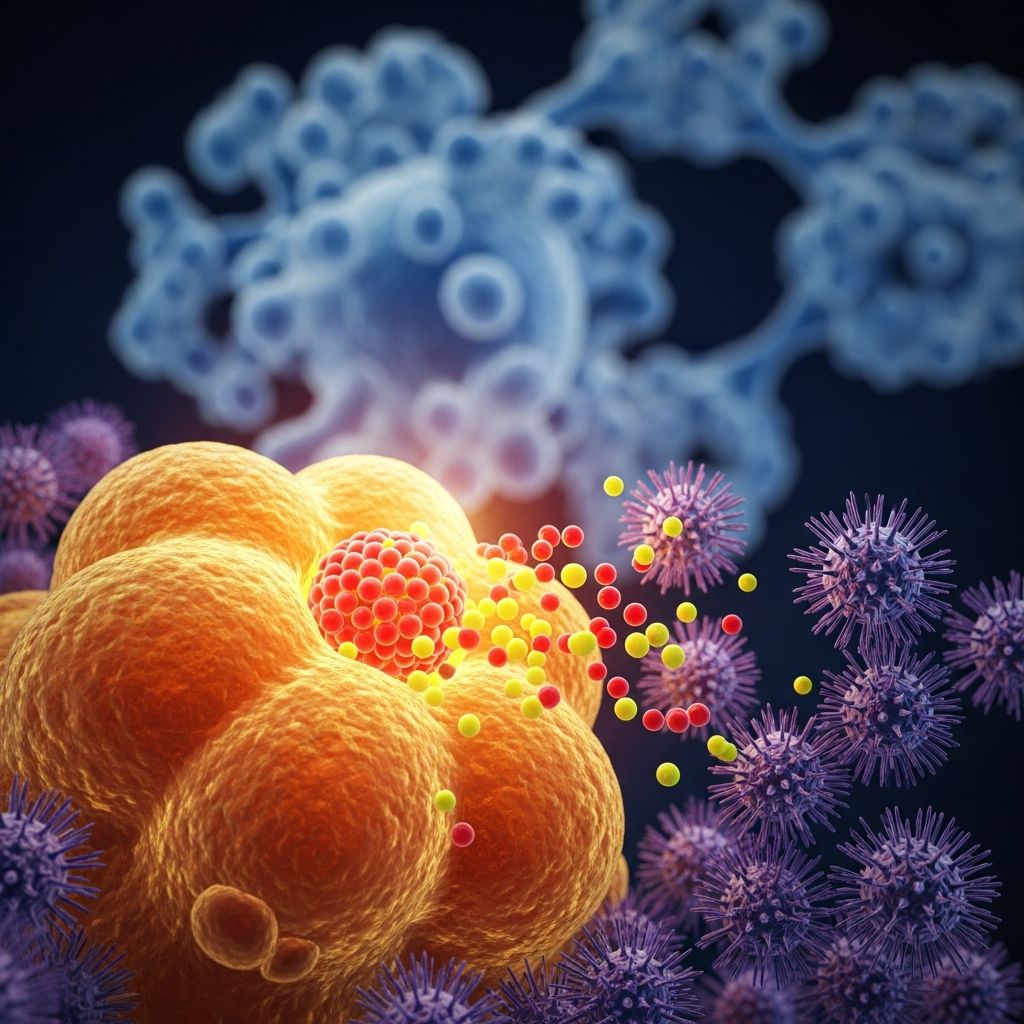
Allergies and the Immune System: A Comprehensive Guide
Allergies affect millions of people worldwide, ranging from mild symptoms like sneezing to severe reactions such as anaphylaxis. An allergy is fundamentally an adverse reaction by the immune system to harmless substances known as allergens. Unlike infections or other genuine threats, allergens are typically benign environmental substances that trigger an inappropriate immune response in susceptible individuals. Understanding how allergies develop and how they affect the immune system is crucial for effective management and treatment.
What Are Allergies?
Allergies occur when the immune system mistakenly identifies a harmless substance as dangerous and mounts a defensive response. This hypersensitivity reaction causes the immune system to release chemicals that lead to the characteristic symptoms associated with allergies. The key distinction between allergies and other immune disorders is that in allergies, the immune system reacts to harmless environmental antigens, whereas in autoimmune diseases, it attacks self-tissues.
Common allergens include pollen, dust mites, pet dander, certain foods, insect venom, and medications. When exposed to these substances, individuals with allergies experience inflammation and tissue reactions that can range from mild to life-threatening depending on the severity and type of allergy.
The Immunological Mechanism of Allergic Reactions
How Allergies Develop
Allergic reactions involve a complex process that begins with sensitization. During the first exposure to an allergen, specialized immune cells called T helper type 2 (Th2) cells become activated and release cytokines such as interleukin (IL)-4 and IL-13. These chemical messengers stimulate B lymphocytes to produce specific immunoglobulin E (IgE) antibodies against that particular allergen, creating a memory of the substance.
Upon subsequent exposures, the allergen binds to IgE antibodies attached to mast cells and basophils, specialized immune cells equipped with high-affinity FcεRI receptors. This binding triggers degranulation—the release of stored inflammatory mediators including histamine, vasoactive amines, and lipid mediators. These chemicals cause the characteristic symptoms of allergic reactions such as itching, swelling, redness, and increased mucus production.
Key Immune Cells in Allergic Responses
Several immune cells play critical roles in allergic reactions:
- Mast cells and basophils: Release histamine and other inflammatory mediators upon allergen exposure
- Eosinophils: Contribute to inflammation and tissue damage in allergic responses
- T helper type 2 (Th2) cells: Produce cytokines that promote IgE production
- B lymphocytes: Generate allergen-specific IgE antibodies
- Dendritic cells: Present antigens to T cells, initiating the allergic cascade
Types of Hypersensitivity Reactions
Medical science classifies allergic reactions into four types based on their immunological mechanisms:
Type I Reactions (Immediate Hypersensitivity)
Type I reactions are the most common allergic responses, occurring within minutes to hours after allergen exposure. These reactions involve mast cells and basophils releasing histamine and other mediators. Examples include seasonal allergies, food allergies, and anaphylaxis. The rapid onset makes these reactions particularly noticeable and sometimes dangerous.
Type II Reactions (Cytotoxic Hypersensitivity)
Type II reactions involve IgG and IgM antibodies produced by plasma cells that target cell surface or extracellular matrix antigens. These antibodies activate the complement system and mark cells for destruction by neutrophils and macrophages, ultimately recruiting inflammatory cells and inducing tissue damage. Certain drug allergies and some autoimmune conditions fall into this category.
Related Stories



Type III Reactions (Immune Complex-Mediated)
Type III reactions are mediated by IgM and IgG antibodies specific to blood-soluble antigens. Immune complexes are deposited in tissue vascular endothelium, leading to inflammation, thrombosis, and tissue damage. The complement system and Fc receptors facilitate the recruitment of these immune complexes.
Type IV Reactions (Delayed Hypersensitivity)
Type IV reactions represent delayed responses mediated by T cells, often taking 24 to 72 hours to manifest. After dendritic cells present antigens, CD4+ T lymphocytes secrete cytokines that induce inflammation and activate macrophages, while CD8+ cytotoxic T cells kill target cells. Contact dermatitis is a classic example of this type of reaction.
Risk Factors for Developing Allergies
Genetic Factors
Genetic predisposition plays a significant role in allergic disease development. Certain genes are associated with increased risk of developing allergies, influencing immune cell function, cytokine production, and other immune responses. Family history is a strong predictor of allergy risk, suggesting that allergic tendencies can run in families.
Environmental Factors
Environmental influences significantly contribute to allergy development and severity. Allergens such as pollen, dust mites, pet dander, and certain foods can trigger reactions in susceptible individuals. Additionally, pollution, smoking, and exposure to certain toxins may exacerbate allergic responses or increase susceptibility.
Age and Gender
Allergies can develop at any age, though some are more common during childhood while others emerge in adulthood. Certain allergies show gender differences in prevalence and severity, though the mechanisms underlying these differences continue to be studied.
Common Types of Allergies
The prevalence and types of allergies vary widely among populations, with approximately 20% of Americans experiencing allergic symptoms. Common allergic conditions include:
- Allergic rhinitis: Inflammation of nasal passages caused by inhaled allergens
- Asthma: Chronic inflammatory airway disease often triggered by allergens
- Atopic dermatitis: Chronic skin inflammation and itching associated with allergic sensitization
- Food allergies: Immune reactions to specific food proteins
- Anaphylaxis: Severe, potentially life-threatening allergic reaction
Relationship Between Allergies and Autoimmunity
While allergies and autoimmune diseases are distinct conditions involving inappropriate immune responses, they share some similarities and may coexist in certain individuals. In allergies, the immune system reacts to harmless environmental antigens, whereas in autoimmune disease, it mistakenly attacks self-tissues. Some research has shown that individuals with allergies may have an increased risk of developing autoimmune disease, suggesting possible shared genetic or environmental factors. However, the relationship is complex and varies significantly among individuals. Not all people with allergies develop autoimmune conditions, and the presence of one does not necessarily predict the development of the other.
Management and Treatment Approaches
Pharmaceutical Treatments
Modern allergy management typically involves medications designed to reduce immune system reactivity and alleviate symptoms. Antihistamines block histamine receptors, preventing the chemical signals that trigger allergic responses. Corticosteroids reduce inflammation and immune activation. Decongestants relieve nasal congestion, while leukotriene modifiers block inflammatory pathways.
Immunotherapy
Allergen immunotherapy, commonly known as allergy shots or sublingual tablets, works by gradually exposing the immune system to increasing doses of allergens. This exposure can shift the immune response from Th2 toward Th1 pathways, reducing allergic sensitivity over time. The process requires sustained treatment but can provide long-lasting relief or even remission of allergic symptoms.
Functional Foods and Natural Compounds
Emerging research explores how functional foods and bioactive natural compounds may modulate immune responses and reduce allergic symptoms. Phytochemicals from plants, compounds from animal sources, and marine algae contain bioactive substances that may regulate immune function and reduce histamine release. Sulforaphane (SFN), found in cruciferous vegetables, has demonstrated potential in improving bronchoprotection responses in asthma patients by activating Nrf2-mediated gene pathways and reducing neutrophil-induced airway inflammation.
Allergen Avoidance
The most straightforward management strategy involves identifying and avoiding specific allergens. This may include environmental modifications such as using air filters, maintaining humidity levels, and minimizing exposure to dust mites and pet allergens.
The Role of Immune Modulation in Allergy Management
Rather than simply suppressing symptoms, modern allergy research increasingly focuses on modulating the underlying immune response. By promoting Th1 and regulatory T cell responses while suppressing excessive Th2 activation, it may be possible to reduce both acute allergic symptoms and long-term allergic sensitization. This approach targets the root causes of allergies rather than merely treating symptoms.
Frequently Asked Questions
Q: What is the difference between an allergy and an intolerance?
A: Allergies involve an immune system response, whereas intolerances (such as lactose intolerance) result from an inability to digest certain substances. Allergies can be life-threatening, while intolerances are typically uncomfortable but not dangerous.
Q: Can allergies develop later in life?
A: Yes, allergies can develop at any age. Adult-onset allergies are common and may result from new environmental exposures, changes in immune function, or genetic predisposition that manifests over time.
Q: Is there a cure for allergies?
A: While complete cures remain elusive, allergen immunotherapy can provide long-term remission or significant symptom reduction. Symptom management through medications and allergen avoidance remains the primary treatment approach for most individuals.
Q: How can I determine what I am allergic to?
A: Allergists can perform skin prick tests or blood tests to identify specific allergens. Keeping a symptom diary and noting environmental triggers can also help identify likely culprits.
Q: Are children more prone to allergies than adults?
A: Some allergies are more common in childhood, though many persist into adulthood. New allergies can also develop at any life stage. Approximately 20% of the population experiences allergies at some point.
References
- Modulation of the Immune Response to Allergies Using Alternative Therapies — National Center for Biotechnology Information (NCBI), National Institutes of Health. 2024-02-15. https://pmc.ncbi.nlm.nih.gov/articles/PMC10779275/
- Allergies and Autoimmunity — Autoimmune Institute. 2025. https://www.autoimmuneinstitute.org/articles/allergies-and-autoimmunity
- Understanding Allergies from Molecular Mechanisms to Clinical Applications — Research Archive. 2024. https://www.research-archive.org/index.php/rars/preprint/view/1652
- Researchers Discover Critical New Allergy Pathway — Johns Hopkins University School of Public Health. 2020. https://publichealth.jhu.edu/2020/researchers-discover-critical-new-allergy-pathway
- Is the Hygiene Hypothesis True? — Johns Hopkins University School of Public Health. 2022. https://publichealth.jhu.edu/2022/is-the-hygiene-hypothesis-true
Similar Articles








Read full bio of medha deb