Allergies Explained: 4 Types Of Hypersensitivity Reactions
Comprehensive guide to understanding allergies, their mechanisms, symptoms, diagnosis, and management strategies.
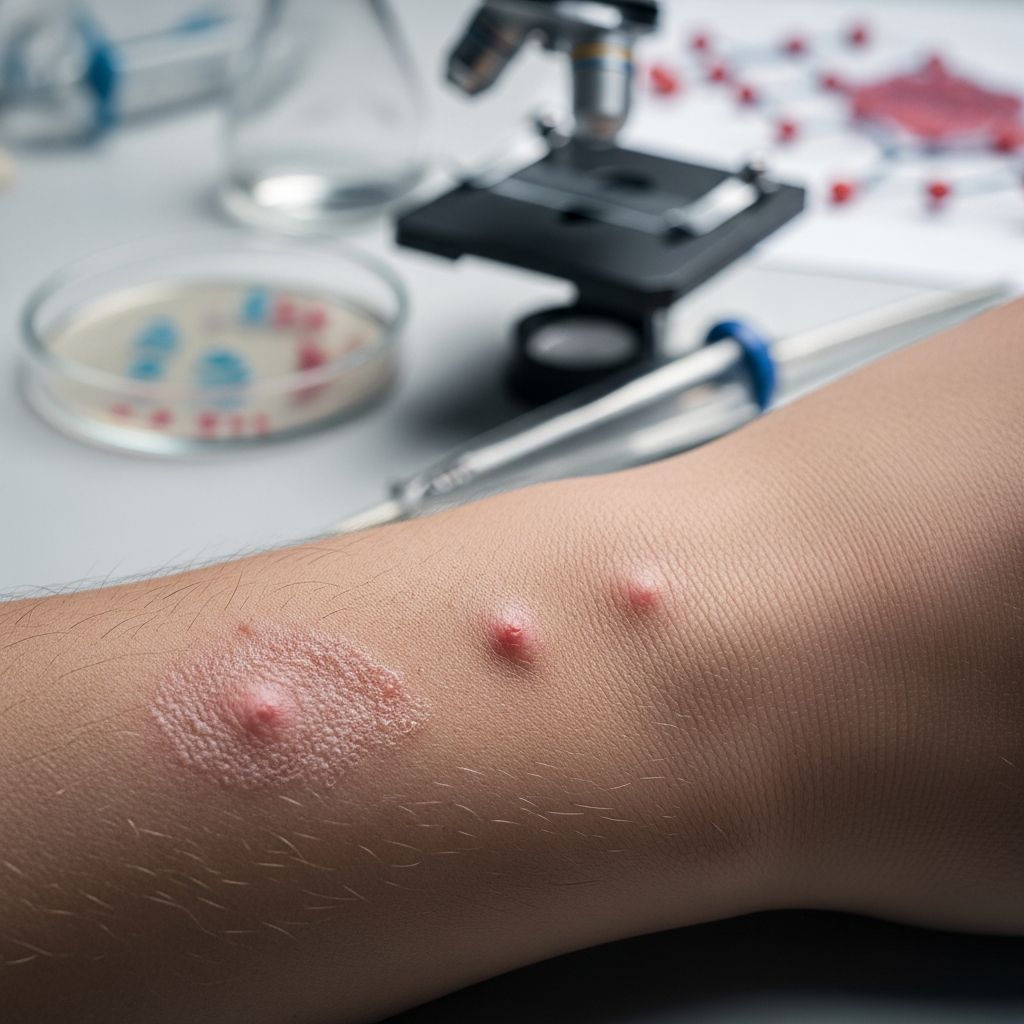
Allergy is an abnormal immune response to a foreign substance, known as an antigen or allergen, triggering hypersensitivity reactions. These reactions are classified into types based on mechanisms, with type I (immediate) and type IV (delayed) being most relevant to skin conditions.
What is an allergy?
An allergy occurs when the immune system overreacts to harmless substances, mistaking them for threats. This involves recognition of the antigen, leading to inflammation and symptoms ranging from mild itching to life-threatening anaphylaxis. Common allergens include pollen, foods like peanuts, nickel in jewelry, fragrances in cosmetics, and latex proteins. Genetic predisposition, known as atopy, increases susceptibility via elevated IgE production. Environmental factors, skin barrier disruptions, and prior sensitizations exacerbate risks.
Type I hypersensitivity reaction
Type I, or immediate hypersensitivity, is IgE-mediated and occurs within minutes of exposure. Upon first contact, the allergen binds to B cells, producing allergen-specific IgE antibodies that attach to mast cells and basophils. Re-exposure cross-links IgE, releasing mediators like histamine, leukotrienes, and prostaglandins, causing vasodilation, smooth muscle contraction, and nerve stimulation.
Symptoms include:
- Skin: Urticaria (hives), angioedema, pruritus.
- Respiratory: Rhinorrhea, sneezing, bronchospasm, anaphylaxis.
- Gastrointestinal: Nausea, vomiting, diarrhea.
- Systemic: Hypotension, shock in severe cases.
A late-phase reaction may follow 2–6 hours later, peaking at 6–9 hours due to leukocyte recruitment, causing prolonged erythema, edema, and itching. Examples include peanut allergy, the leading cause of food anaphylaxis, and latex allergy with contact urticaria or asthma.
Diagnosis of type I reactions
Diagnosis relies on clinical history of symptoms post-exposure. Confirmatory tests include skin prick testing (wheal ≥8 mm highly predictive for peanut allergy) and serum-specific IgE levels, performed in specialist centers with anaphylaxis protocols.
Treatment of type I reactions
Acute management: Antihistamines for mild symptoms; intramuscular adrenaline for anaphylaxis via auto-injectors like EpiPen. Supportive care includes corticosteroids and bronchodilators. Long-term: Allergen avoidance, desensitization (gradual exposure under supervision for venoms or antibiotics). Patients with severe allergies carry adrenaline pens.
Type IV hypersensitivity reaction
Type IV, or delayed hypersensitivity, manifests 48–72 hours post-exposure without IgE involvement. Antigen-presenting cells process the allergen, activating CD4+ T helper cells that release cytokines. This recruits CD8+ killer T cells and macrophages to destroy affected cells.
Cutaneous examples:
- Allergic contact dermatitis (e.g., nickel, fragrances, rubber accelerators).
- Mantle cell lymphoma-like reactions.
- Positive tuberculin skin test.
In cosmetics, fragrances (70–80% detected by patch testing), preservatives, and PPD in hair dyes are common culprits. Reactions vary: cheilitis from lip products, periorbital dermatitis from shampoos. Children are prone due to thin skin; nickel peaks in adolescents.
Diagnosis of type IV reactions
History and exam guide suspicion. Patch testing applies allergens to the back for 48 hours, read at 48–96 hours. Pediatric series use fewer allergens (30 vs. 60 adult). Repeat open application tests (twice daily for 10 days) detect irritants.
Treatment of type IV reactions
Avoidance is key: Nickel-free jewelry, fragrance-free cosmetics. Topical corticosteroids and emollients aid resolution. Severe cases need systemic steroids. Psychological support addresses caregiver anxiety. Most reactions resolve post-avoidance; anaphylaxis-like symptoms warrant urgent review.
Related Stories



Other allergy types
Type II: Cytotoxic, IgG/IgM against cell-bound antigens (e.g., hemolytic anemias).
Type III: Immune complex-mediated (e.g., serum sickness).
These less commonly affect skin directly.
Special considerations
Atopy
Genetic tendency for IgE overproduction to allergens, linked to asthma, eczema, rhinitis. Triggers: infections, exercise, drugs. Skin microbiome and barrier dysfunction contribute.
Children
Skin sensitizes early (0–3 years); prevalence rises with age. Common: nickel, fragrances, cocamidopropyl betaine, rubber. Complications: autoeczematization, systemic reactions.
Pollen-food syndrome
IgE cross-reactivity between pollen and fruits/vegetables (e.g., birch-ragweed-apple), causing oral itching.
Latex allergy
IgE to Hev b proteins; risks from gloves, balloons. Immediate: urticaria, anaphylaxis; delayed: chemical-induced dermatitis. Provide latex-safe environments.
Cosmetics
Irritant > allergic; test with cosmetics series. Darker skin shows less erythema, more hyperpigmentation.
Management principles
- Avoid known allergens.
- Educate on emergency responses.
- Use hypoallergenic products.
- Seek specialist for immunotherapy.
| Allergen | Type | Common Sites | Test |
|---|---|---|---|
| Nickel | IV | Earrings, belts | Patch |
| Peanuts | I | Systemic | Prick/IgE |
| Latex | I/IV | Gloves | Prick/Patch |
| Fragrances | IV | Face, neck | Patch |
Frequently Asked Questions (FAQs)
Q: How quickly do type I allergy symptoms appear?
A: Within minutes; late phase 2–9 hours later.
Q: Is patch testing safe for children?
A: Yes, using pediatric series; confirms contact allergens.
Q: Can allergies develop suddenly after years?
A: Yes, via sensitization, e.g., cosmetics allergy.
Q: What is the first step in anaphylaxis?
A: Administer adrenaline IM; call emergency.
Q: How to avoid latex allergy reactions?
A: Use latex-free alternatives; inform healthcare providers.
References
- Allergies explained — DermNet NZ. 2023. https://dermnetnz.org/topics/allergies-explained
- Cosmetics Allergy: Causes, Symptoms, and Treatment — DermNet NZ. 2023. https://dermnetnz.org/topics/contact-reactions-to-cosmetics
- Peanut allergy — DermNet NZ. 2023. https://dermnetnz.org/topics/peanut-allergy
- Latex allergy (Rubber Allergy) — DermNet NZ. 2023. https://dermnetnz.org/topics/latex-allergy
- Allergic contact dermatitis in children — DermNet NZ. 2023. https://dermnetnz.org/topics/allergic-contact-dermatitis-in-children
- Allergy — StatPearls, NCBI Bookshelf. 2023-10-01. https://www.ncbi.nlm.nih.gov/books/NBK545237/
Similar Articles








Read full bio of medha deb