Allergies: Symptoms, Causes, Diagnosis, And Treatment Guide
Comprehensive guide to understanding allergies: symptoms, causes, diagnosis, treatments, and prevention strategies for better health.
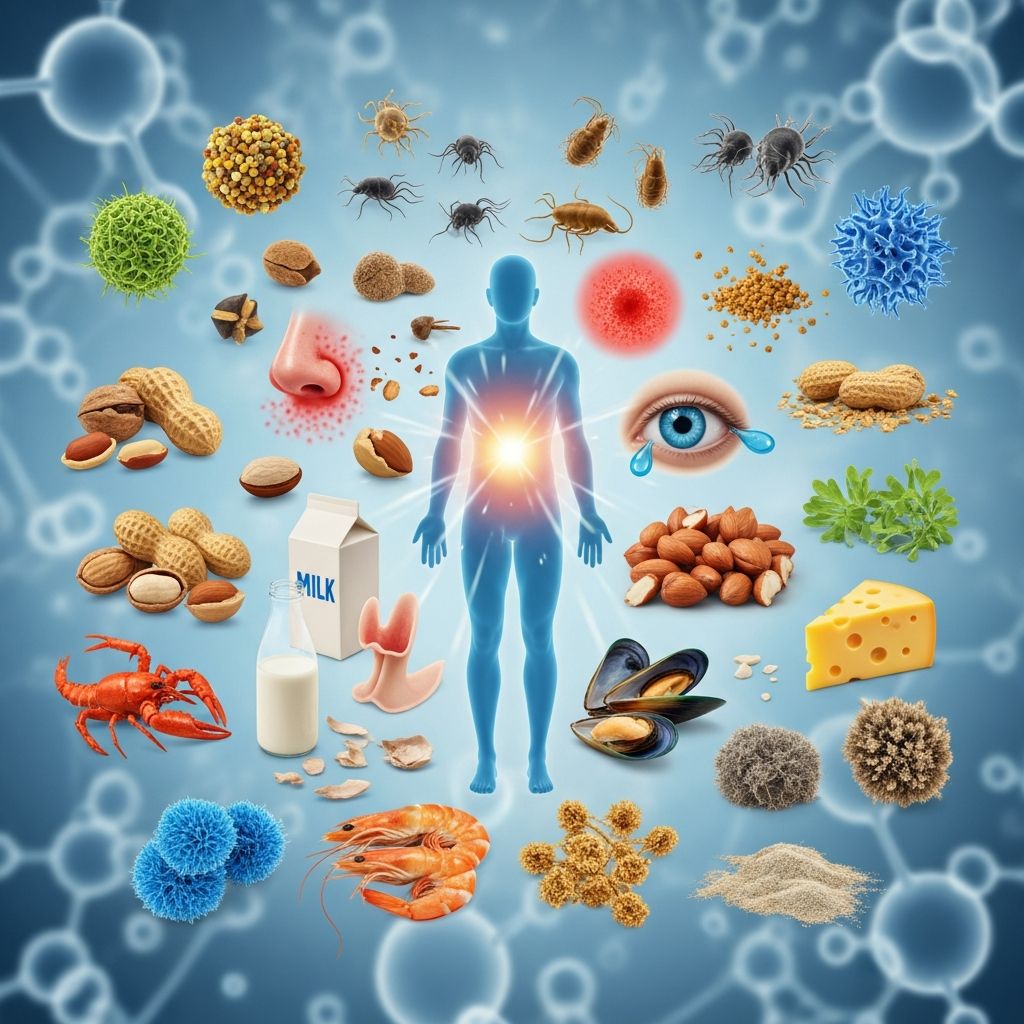
Allergies affect millions worldwide, causing discomfort ranging from mild itching to life-threatening reactions. An allergy occurs when the immune system overreacts to harmless substances called allergens, mistaking them for threats. This response releases chemicals like histamine, leading to inflammation and symptoms. According to the CDC, over 32% of U.S. adults and 18% of children have at least one allergy. Understanding allergies is crucial for effective management and prevention.
What Are Allergies?
Allergies are hypersensitivity reactions where the body’s immune system identifies environmental substances as harmful. Common allergens include pollen, dust mites, pet dander, certain foods, insect stings, medications, and latex. The first exposure sensitizes the immune system, producing immunoglobulin E (IgE) antibodies. Subsequent exposures trigger mast cells and basophils to release histamine and other mediators, causing allergic symptoms.
There are four types of hypersensitivity reactions, but IgE-mediated (Type I) allergies are most common, manifesting immediately. Type IV allergies, like contact dermatitis, are delayed. Allergies can develop at any age, though many begin in childhood. Genetic factors play a role; if both parents have allergies, a child has a 60-80% chance of developing them.
Common Types of Allergies
Allergies vary by trigger and symptoms. Here’s an overview:
- Seasonal Allergies (Hay Fever or Allergic Rhinitis): Caused by pollen from trees, grasses, and weeds. Symptoms peak in spring, summer, or fall. Affects 8% of adults per AAAAI data.
- Perennial Allergies: Year-round, triggered by indoor allergens like dust mites, mold, pet dander, and cockroaches. More common in urban areas.
- Food Allergies: Reactions to proteins in foods like peanuts, tree nuts, milk, eggs, wheat, soy, fish, and shellfish. Peanut allergies affect 1-2% of children.
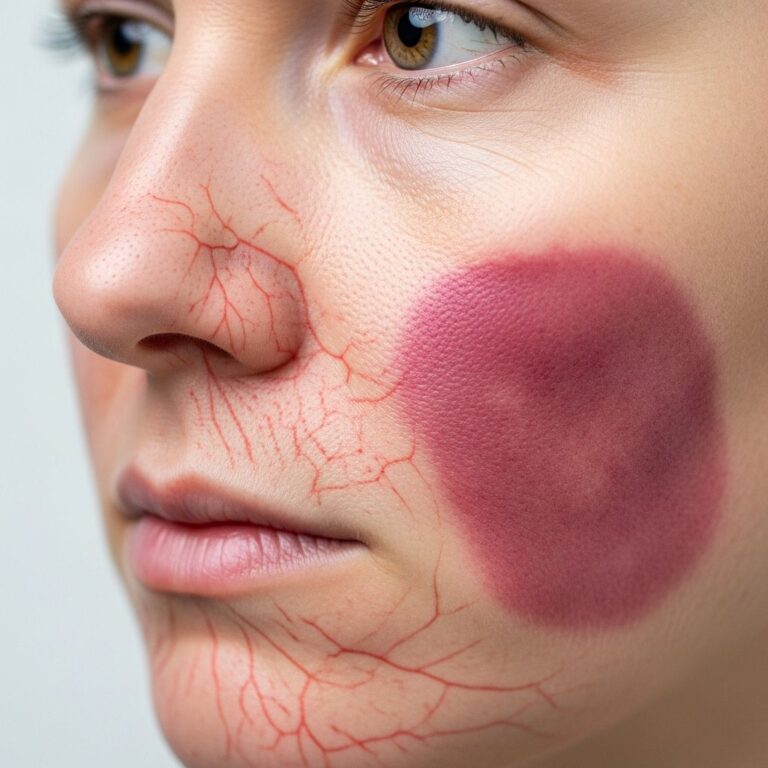
- Skin Allergies: Include eczema (atopic dermatitis), hives (urticaria), and contact dermatitis from nickel, fragrances, or poison ivy.
- Insect Sting Allergies: From bees, wasps, hornets, and fire ants. Mild local reactions are common; severe ones rare but dangerous.
- Drug Allergies: Often to penicillin or NSAIDs. Symptoms range from rash to anaphylaxis.
- Eye Allergies (Allergic Conjunctivitis): Itching, redness, tearing from airborne allergens.
Symptoms of Allergies
Symptoms depend on the allergen and exposure route:
| Allergy Type | Common Symptoms |
|---|---|
| Respiratory | Sneezing, runny/stuffy nose, coughing, wheezing, shortness of breath |
| Skin | Hives, redness, itching, swelling, eczema flares |
| Eye | Redness, itching, watering, swelling |
| Gastrointestinal (Food) | Nausea, vomiting, diarrhea, abdominal pain |
| Severe (Anaphylaxis) | Throat swelling, difficulty breathing, rapid heartbeat, drop in blood pressure, loss of consciousness |
Mild symptoms resolve quickly; severe ones require immediate care. Anaphylaxis can occur within minutes and is fatal without epinephrine.
Causes and Risk Factors
The exact cause is multifactorial:
- Genetics: Family history increases risk. Atopy (genetic tendency for allergies) is key.
- Environmental: Pollution, climate change extend pollen seasons. Urban living heightens indoor allergen exposure.
- Hygiene Hypothesis: Reduced early microbial exposure may increase allergy risk.
- Other Factors: Asthma, eczema, or food allergies often coexist (atopic march).
Diagnosis of Allergies
Diagnosis starts with history and physical exam. Tests include:
- Skin Prick Test: Small allergen amounts pricked into skin; wheal formation indicates allergy. Gold standard per AAAAI.
- Blood Test (Specific IgE): Measures allergen-specific antibodies. Useful for skin-test contraindications.
- Patch Test: For delayed skin reactions; patches applied for 48 hours.
- Food Challenge: Supervised ingestion to confirm food allergy.
- Pulmonary Function Tests: For asthma-related allergies.
See an allergist for accurate diagnosis. Self-diagnosis risks mismanagement.
Treatment Options for Allergies
Medications
- Antihistamines: Block histamine (loratadine, cetirizine). Relieve itching, sneezing.
- Decongestants: Reduce nasal swelling (pseudoephedrine).
- Nasal Corticosteroids: Fluticasone for inflammation.
- Montelukast (Leukotriene Modifiers): For asthma/rhinitis.
- Epinephrine Auto-Injectors (EpiPen): For anaphylaxis.
- Immunotherapy (Allergy Shots/Drops): Builds tolerance over 3-5 years. Effective for 80-90% per studies.
Related Stories



Lifestyle and Home Remedies
- Use HEPA filters, allergen-proof bedding.
- Shower after outdoor exposure.
- Avoid triggers via apps tracking pollen.
Prevention Strategies
Preventing allergies focuses on avoidance:
- Monitor Pollen Counts: Stay indoors high-pollen days.
- Control Indoor Environment: Low humidity (<50%) prevents dust mites/mold.
- Pet Management: Bathe pets weekly; keep out of bedrooms.
- Food Introduction: Early peanut exposure reduces allergy risk per LEAP study.
- Vaccinations: Flu shots for respiratory allergy sufferers.
When to See a Doctor
Seek care for:
- Persistent symptoms unresponsive to OTC meds.
- Signs of anaphylaxis: Use EpiPen, call 911.
- Recurrent hives, swelling, breathing issues.
- Children with growth issues from food allergies.
Frequently Asked Questions (FAQs)
Can allergies be cured?
No true cure, but immunotherapy can lead to long-term remission. Avoidance and meds control symptoms effectively.
Do allergies get worse with age?
Some outgrow childhood allergies (e.g., milk), but adult-onset common, especially seasonal.
Are allergies contagious?
No, allergies are not contagious; they’re immune responses.
What is the difference between allergies and intolerance?
Allergies involve immune system; intolerances (e.g., lactose) are digestive, lacking IgE response.
Can stress trigger allergies?
Stress worsens symptoms by increasing inflammation but doesn’t cause allergies.
Complications of Untreated Allergies
Chronic allergies lead to sinusitis, ear infections, asthma exacerbation, sleep disruption, and reduced quality of life. Severe cases risk anaphylaxis, with 500-1000 U.S. deaths yearly per CDC.
Living with Allergies: Tips for Daily Management
Maintain an allergy action plan: Identify triggers, carry meds, educate family. Apps like WebMD Allergy track forecasts. Join support groups for coping strategies.
Research advances include biologics like dupilumab for severe cases and sublingual immunotherapy tablets. Future: Personalized vaccines via genomics.
References
- Allergies — Centers for Disease Control and Prevention. 2024-09-15. https://www.cdc.gov/nchs/fastats/allergies.htm
- Allergic Rhinitis (Hay Fever) — American Academy of Allergy, Asthma & Immunology. 2025-01-10. https://www.aaaai.org/conditions-treatments/allergies/rhinitis
- Food Allergy — National Institute of Allergy and Infectious Diseases. 2023-11-20. https://www.niaid.nih.gov/diseases-conditions/food-allergy
- Anaphylaxis — World Health Organization. 2024-05-12. https://www.who.int/news-room/fact-sheets/detail/anaphylaxis
- Guidelines for the Diagnosis and Management of Food Allergy — U.S. Department of Health and Human Services. 2022-04-01. https://www.niaid.nih.gov/sites/default/files/VA-Guidelines-Patient-2017.pdf
- LEAP Study: Early Peanut Introduction — New England Journal of Medicine (DOI). 2015-02-26. https://www.nejm.org/doi/full/10.1056/NEJMoa1414850
Similar Articles








Read full bio of Sneha Tete