Allergies And Acid Reflux: What You Need To Know To Manage Both
Uncover the surprising link between allergies and acid reflux, including how histamine triggers symptoms and treatments like elimination diets.
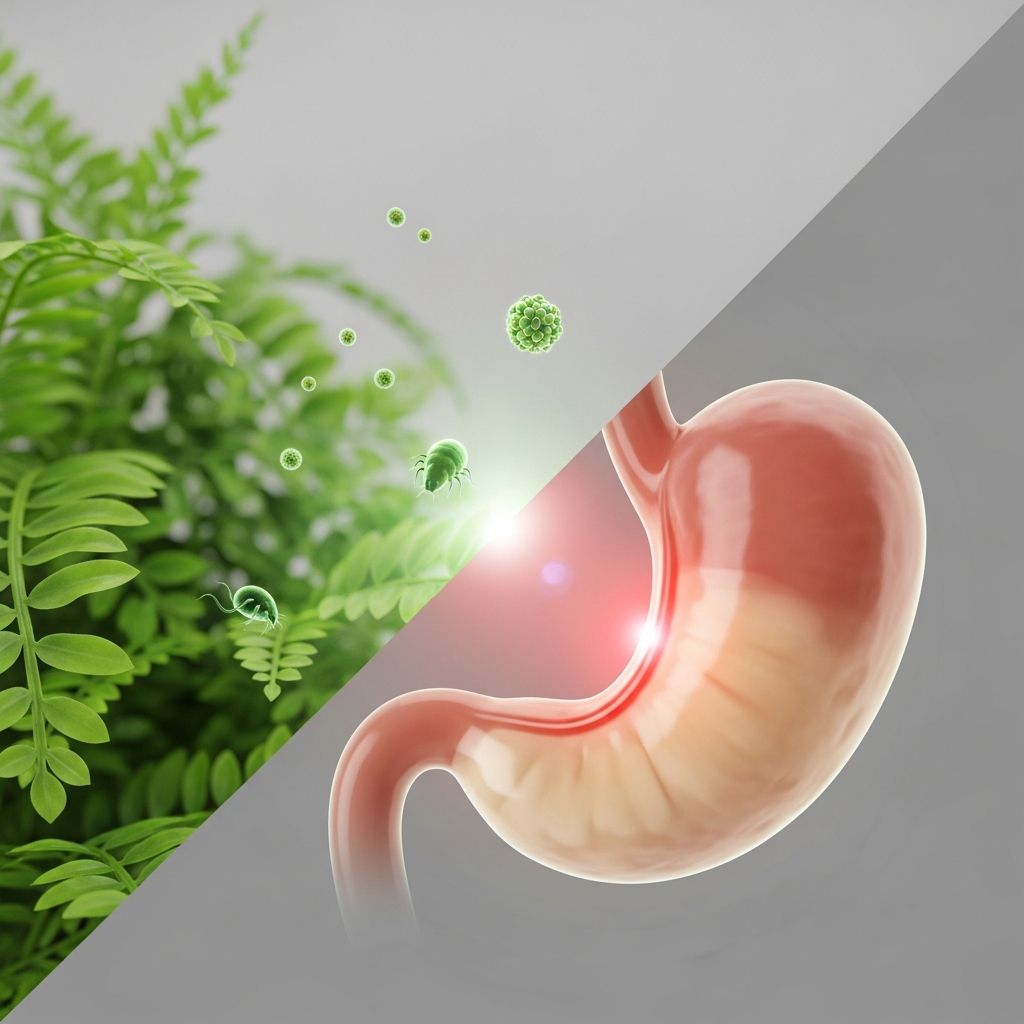
Acid reflux and allergies affect millions, often overlapping in surprising ways. Histamine from allergic reactions can boost stomach acid, worsening reflux, while conditions like eosinophilic esophagitis (EoE) link the two directly.
How Acid Reflux and Allergies Are Related
Allergies trigger histamine release, which not only causes typical symptoms like runny nose but also stimulates stomach acid production. ”Histamine can stimulate acid production in the stomach,” notes Steven Brian Clayton, M.D., gastroenterologist at Atrium Health Wake Forest Baptist. This excess acid heightens reflux risk, where stomach contents flow back into the esophagus, causing irritation.
Another key connection is eosinophilic esophagitis (EoE), an immune-driven condition where eosinophils accumulate in the esophagus due to allergens. This inflammation narrows the esophagus, leading to swallowing difficulties and food regurgitation mimicking reflux, per Mayo Clinic descriptions.
Research also shows gastric acid suppressive (GAS) medications for reflux may increase food allergy risk. A study of over 14,000 children found those treated with GAS for GERD had a 1.68 times higher hazard ratio for developing food allergies compared to untreated GERD peers. This suggests altered digestion of food proteins promotes sensitization, as undigested allergens trigger IgE responses.
Symptoms of Allergies
Allergic reactions vary by trigger—food, pollen, or dust—and intensity. Common symptoms include:
- Cough
- Diarrhea
- Itchy, watery eyes
- Runny nose
- Sneezing
- Stomach cramps
- Swelling of the face or tongue
- Vomiting
Severe signs like wheezing, chest tightness, or facial swelling indicate anaphylaxis, requiring immediate emergency care, according to the Asthma and Allergy Foundation of America.
Food allergies affect nearly one in three Americans, per CDC data, amplifying overlap with digestive issues.
Symptoms of Acid Reflux
Acid reflux, or gastroesophageal reflux disease (GERD), features:
- Burning chest sensation (heartburn)
- Cough
- Chest or upper abdominal pain
- Regurgitation of food/liquid
- Difficulty swallowing or lump-in-throat feeling
GERD can mimic or exacerbate asthma with coughing and wheezing. Unlike allergies, reflux rarely causes sneezing or itchy eyes, aiding differentiation.
What Is Eosinophilic Esophagitis (EoE)?
EoE arises when the immune system overreacts to food antigens or aeroallergens, recruiting eosinophils. These cells release toxic granules, inflaming the esophagus and causing fibrosis.
Symptoms mirror reflux: dysphagia, food impaction, chest pain. Diagnosis involves endoscopy showing >15 eosinophils per high-power field.
Treatment focuses on allergen avoidance. The American Gastroenterological Association endorses a six-food elimination diet (SFED): milk, wheat, eggs, soy, nuts/peanuts, fish/shellfish. A 2023 review reported 73% remission in children and 71% in adults adhering to SFED.
Proton pump inhibitors (PPIs) help by tightening esophageal junctions, reducing antigen exposure, and curbing inflammation. Emerging biologics like dupilumab target IL-4/IL-13 pathways for steroid-refractory cases.
Treating Acid Reflux
Management combines pharmacology and lifestyle:
- Medications: Antacids (Tums), H2-blockers (Pepcid), PPIs (omeprazole).
- Lifestyle: Avoid triggers (spicy/fatty foods, caffeine), eat smaller meals, no late-night eating, elevate bed head 6-8 inches, weight loss.
Dr. Kia emphasizes personalized approaches, as triggers vary. Note: Long-term PPI use warrants monitoring for nutrient deficiencies or infections.
Can Allergies Cause Acid Reflux?
Yes, indirectly. Histamine H2 receptors in the stomach parietal cells promote acid secretion during allergies. Postnasal drip from nasal allergies can also irritate the esophagus, per expert insights.
Related Stories



Conversely, reflux treatments may foster allergies. GAS medications raise gastric pH, impairing protein breakdown. This allows intact allergens to reach the intestine, boosting IgE in 25% of users after 3 months. Pediatric data confirm twofold allergy risk at one year.
GERD vs. Allergies: Key Differences
| Feature | Allergies | Acid Reflux (GERD) |
|---|---|---|
| Primary Symptoms | Sneezing, itchy eyes, hives | Heartburn, regurgitation |
| Triggers | Pollen, foods, pets | Meals, lying down, obesity |
| Timing | Seasonal/exposure-based | Post-meal, nighttime |
| Respiratory | Common (runny nose) | Rare (cough secondary) |
This table highlights distinction: allergies provoke upper airway symptoms absent in pure reflux.
Food Allergies and Reflux Connection
Up to 30-80% of EoE patients have food-triggered disease. Common culprits: cow’s milk (75%), wheat (60%). Elemental diets achieve >90% remission but are less practical.
Study cohorts showed GAS-treated GERD kids had higher food allergy incidence versus untreated (HR 1.68). This holds independent of GERD diagnosis, implicating acid suppression.
Diagnosis and Testing
For reflux: Endoscopy, pH monitoring, manometry.
For allergies: Skin prick tests, serum IgE, oral challenges.
EoE requires biopsy. Overlap demands multidisciplinary care—allergist, gastroenterologist.
Lifestyle Tips for Both
- Track symptoms/food diary.
- Stay upright post-meals.
- Use HEPA filters for aeroallergens.
- Consider allergy shots for severe cases.
- Probiotics may aid gut tolerance (emerging data).
Frequently Asked Questions (FAQs)
Can allergies directly cause GERD?
Not directly, but histamine increases acid, and EoE mimics GERD.
Do PPIs treat EoE?
Yes, in 30-50% via anti-inflammatory effects.
Is food allergy risk higher with reflux meds?
Yes, GAS drugs associate with 68% increased risk in kids.
How to differentiate allergy vs. reflux cough?
Allergy cough with sneezing/itchiness; reflux worse lying down.
Best diet for allergy-related reflux?
SFED for EoE; low-acid for GERD.
This comprehensive guide empowers better management. Consult professionals for tailored advice.
References
- Can Allergies Cause Acid Reflux? — Health Central. 2023. https://www.healthcentral.com/digestive-health/can-allergies-worsen-acid-reflux
- Development of food allergies in patients with Gastroesophageal Reflux Disease — PMC (PubMed Central). 2015-07-29. https://pmc.ncbi.nlm.nih.gov/articles/PMC4528619/
- Is It Allergies Or Acid Reflux — HSA Store. Accessed 2026. https://hsastore.com/learning-center/articles/learn-acid-reflux-allergies
Similar Articles








Read full bio of Sneha Tete