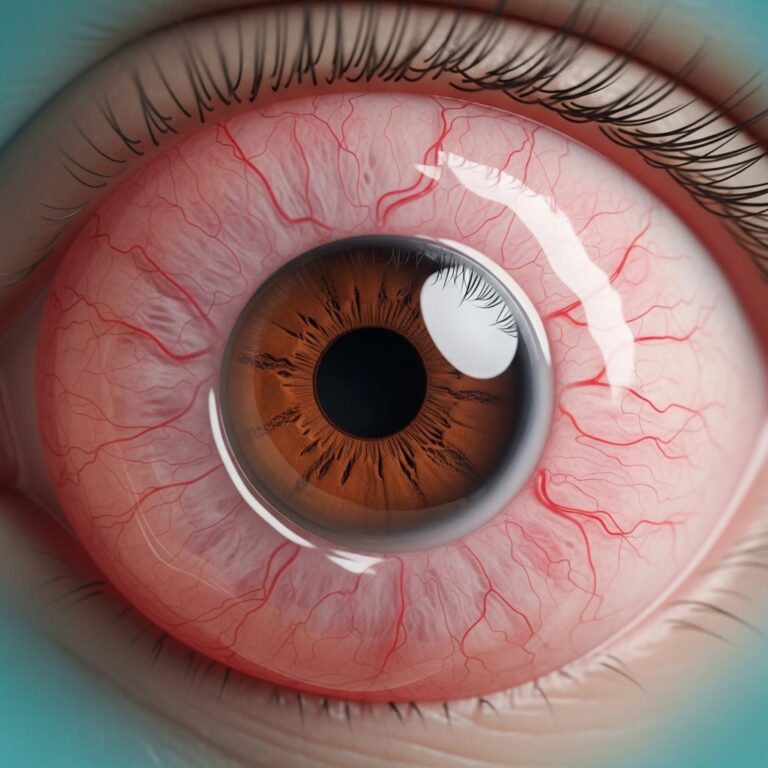
Allergy Headaches: Causes, Symptoms, Relief, Prevention
Discover how allergies trigger headaches, recognize symptoms, distinguish from migraines, and find effective relief strategies.

Allergy headaches, commonly known as sinus headaches, arise when allergens trigger inflammation in the nasal passages and sinuses, leading to pressure and pain in the head. These headaches frequently accompany classic allergy symptoms like sneezing, runny nose, and itchy eyes, affecting millions during peak allergy seasons.
What Is an Allergy Headache?
An
allergy headache
occurs when the body’s immune response to allergens such as pollen, dust mites, or pet dander causes the release of histamine. This chemical mediator prompts swelling and mucus production in the sinuses—air-filled cavities around the nose, eyes, and forehead—resulting in built-up pressure that manifests as a headache.Unlike tension headaches from stress or dehydration, allergy headaches are tied to environmental triggers and often feel like a deep, aching pressure rather than a sharp pain. The American Academy of Allergy, Asthma & Immunology (AAAAI) notes that up to 90% of self-diagnosed sinus headaches are actually migraines, but true allergy-induced ones stem directly from allergic rhinitis.
Symptoms typically worsen in spring (tree pollen), summer (grass), or fall (ragweed), or year-round with indoor allergens. According to the Centers for Disease Control and Prevention (CDC), allergic rhinitis impacts over 25 million adults annually in the U.S., with headaches as a frequent complaint.
Can Allergies Cause Headaches?
Yes, allergies directly cause headaches through a cascade of immune reactions. When exposed to an allergen, mast cells release histamine, leading to vasodilation (widening of blood vessels) and increased permeability in nasal tissues. This causes:
- Congestion: Blocked nasal passages trap mucus, pressuring sinus walls.
- Inflammation: Swollen tissues around the eyes, cheeks, and forehead amplify pain.
- Pressure buildup: Similar to inflating a balloon inside the skull, this creates a dull, throbbing ache.
The National Institutes of Health (NIH) explains that this process, called non-allergic rhinitis when not immune-mediated, can mimic allergies but allergy headaches specifically involve IgE antibodies. Studies in the Journal of Allergy and Clinical Immunology confirm that histamine not only affects sinuses but can sensitize trigeminal nerves, referring pain to the head.
Allergy Headache Symptoms
Allergy headaches present with a characteristic
dull pressure
centered around the sinuses: forehead, bridge of the nose, cheeks, and behind the eyes. Pain often intensifies when bending forward or lying down, distinguishing it from other types.Key accompanying symptoms include:
- Stuffy or runny nose
- Sneezing fits
- Itchy, watery eyes
- Facial tenderness
- Post-nasal drip causing throat irritation
- Fatigue from disrupted sleep
A table comparing common symptoms:
| Symptom | Allergy Headache | Migraine | Tension Headache |
|---|---|---|---|
| Pain Type | Dull pressure in sinuses | Throbbing, one-sided | Tight band around head |
| Location | Forehead, cheeks, eyes | Temples, one side | Whole head |
| Allergy Signs | Yes (sneezing, itchiness) | Rare | No |
| Triggers | Pollen, dust | Stress, hormones | Stress, poor posture |
If headaches align with high pollen days—check apps like Pollen.com—suspect allergies.
Allergy Headache vs. Migraine
Distinguishing an
allergy headache from a migraine
is crucial for proper treatment. Sinus headaches feature bilateral sinus pressure without aura, nausea, or photophobia (light sensitivity). Migraines, per the International Headache Society, involve moderate-to-severe pulsating pain, often unilateral, lasting 4-72 hours, with nausea in 80% of cases.Related Stories



Overlaps exist: 40% of migraineurs report allergy-like symptoms, possibly due to shared inflammatory pathways. However, allergy headaches resolve with antihistamines, while migraines require triptans or preventives.
- See a doctor if: Pain persists >10 days, fever develops, or vision changes occur—could indicate sinus infection.
How to Get Rid of Allergy Headaches
Relief combines avoidance, medications, and home remedies. Start with trigger identification via allergy testing (skin prick or blood IgE).
Avoid Allergens
- Stay indoors during high pollen (morning/evening).
- Use HEPA air filters.
- Wash bedding weekly in hot water.
- Shower after outdoor exposure.
Medications
Antihistamines like cetirizine block histamine (e.g., Zyrtec); non-drowsy options preferred. Decongestants (pseudoephedrine) reduce swelling but limit to 3 days to avoid rebound. Nasal corticosteroids (fluticasone) are first-line per AAAAI guidelines, acting in 12 hours.
For pain: Acetaminophen or ibuprofen. Prescription options include montelukast (leukotriene inhibitor) for chronic cases.
Home Remedies
- Steam inhalation: Hot shower or bowl of hot water eases congestion.
- Hydration: 8-10 glasses water daily thins mucus.
- Warm compress: On forehead for 15 minutes.
- Neti pot: Saline rinse (boil water first) clears sinuses—endorsed by CDC with proper hygiene.
- Elevation: Sleep with head propped to drain sinuses.
Prevention Tips
Proactive steps reduce frequency:
- Track pollen via AAAAI or weather apps; medicate preemptively.
- Immunotherapy (allergy shots/drops) desensitizes over 3-5 years, effective in 85% per NIH trials.
- Lifestyle: Quit smoking, manage humidity (40-50%).
When to See a Doctor
Consult if headaches are severe, frequent (>15/month), or with red flags: neck stiffness, confusion, sudden onset (stroke risk), or unilateral vision loss. Allergists use CT scans or endoscopy for chronic sinusitis.
Frequently Asked Questions (FAQs)
What is the best medicine for allergy headaches?
Combination antihistamine-decongestants like cetirizine-pseudoephedrine (Zyrtec-D) target both symptoms and pressure. Nasal steroids like Flonase for long-term control.
Can allergies cause sore throats with headaches?
Yes, post-nasal drip irritates the throat. Gargle salt water; treat underlying allergies.
Do allergy headaches happen year-round?
Seasonal from pollen; perennial from dust, mold, pets.
How long do allergy headaches last?
Hours to days, until allergen exposure ends or treatment kicks in.
Are allergy headaches dangerous?
Rarely, but untreated can lead to sinus infections. Migraine misdiagnosis delays care.
References
- Allergy Headaches: Causes, Symptoms & Relief — ZYRTEC®. 2023. https://www.zyrtec.com/allergy-guide/understanding-allergies/symptoms/allergy-headaches
- Sinus Headaches — American Academy of Otolaryngology–Head and Neck Surgery. 2024-03-15. https://www.enthealth.org/conditions/sinus-headaches/
- Allergic Rhinitis (Hay Fever) — American Academy of Allergy, Asthma & Immunology. 2025-01-10. https://www.aaaai.org/conditions-treatments/allergies/rhinitis
- Allergies and Hay Fever — Centers for Disease Control and Prevention. 2024-06-20. https://www.cdc.gov/nchs/fastats/allergies.htm
- Sinusitis — National Institute of Allergy and Infectious Diseases. 2023-11-05. https://www.niaid.nih.gov/diseases-conditions/sinusitis
- Histamine and Migraine — Journal of Allergy and Clinical Immunology. 2022-05-12. https://doi.org/10.1016/j.jaci.2022.03.015
- Decongestants and Antihistamines — FDA. 2024-09-01. https://www.fda.gov/drugs/understanding-over-counter-medicines/safe-use-decongestants
- Headache Classification — International Headache Society. 2024-02-28. https://ichd-3.org/
Similar Articles








Read full bio of Sneha Tete