Should You Take Allergy Medication Every Day?
Experts weigh in on the safety and effectiveness of daily allergy meds for managing persistent symptoms year-round.
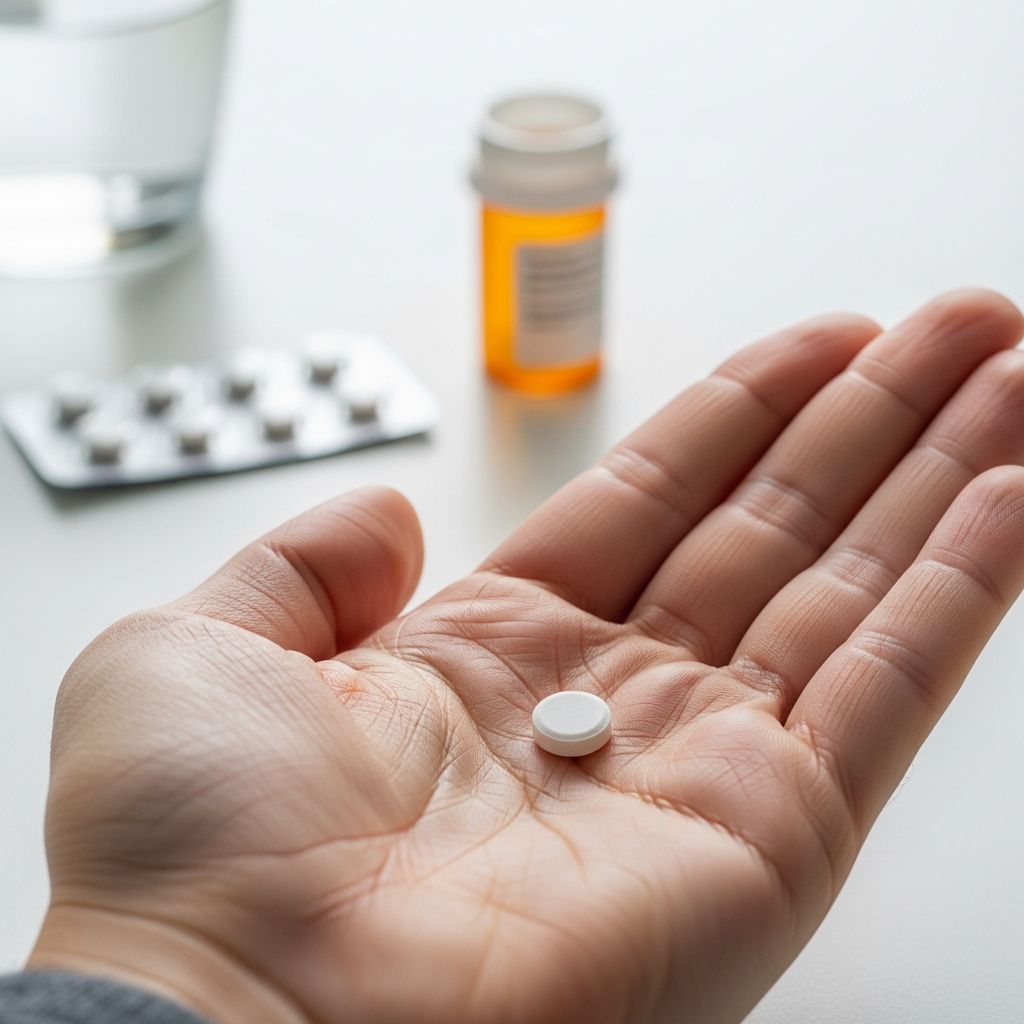
Allergy sufferers often wonder if daily medication is safe and effective for controlling persistent symptoms like sneezing, itching, and congestion. While many over-the-counter options can be taken long-term, experts recommend prioritizing nasal steroids over oral antihistamines for moderate to severe cases, with second-generation antihistamines like cetirizine or loratadine as safer daily choices than first-generation ones like diphenhydramine.
What Happens If You Take Allergy Medicine Every Day?
Taking allergy medication daily is generally safe for most people when using appropriate types, but outcomes vary by drug class. Second-generation antihistamines (e.g., Claritin, Zyrtec) and nasal corticosteroids (e.g., Flonase) are designed for daily use and can prevent symptoms when started before exposure to allergens. However, first-generation antihistamines like Benadryl may cause sedation, cognitive issues, and other risks with prolonged use, prompting experts to advise against routine daily intake.
Daily use helps maintain steady drug levels to block histamine, reducing inflammation and symptoms proactively. For seasonal allergies, starting 2 weeks before peak pollen can optimize results. Year-round allergies benefit from consistent nasal steroid use, which targets nasal inflammation more effectively than pills alone.
Is It Safe to Take Allergy Medicine Every Day?
Yes, for approved medications, but safety depends on the type, dosage, and individual health factors. Experts from Johns Hopkins and UC San Diego emphasize that second-generation antihistamines have a better safety profile for daily use compared to older ones. Nasal steroids are first-line for persistent symptoms due to low systemic absorption and minimal side effects.
- Second-generation antihistamines: Safe daily; low drowsiness risk.
- Nasal steroids: Safest for long-term; effects build over days to weeks.
- First-generation antihistamines: Avoid daily due to sedation, especially in elderly or children.
Consult a doctor for those with conditions like glaucoma, prostate issues, or pregnancy. Long-term decongestant use (e.g., Sudafed) risks rebound congestion and hypertension.
Best Allergy Medications to Take Daily
The top daily options focus on efficacy and tolerability:
| Medication Type | Examples | Best For | Onset | Daily Safety |
|---|---|---|---|---|
| Second-Gen Antihistamines | Loratadine (Claritin), Cetirizine (Zyrtec), Fexofenadine (Allegra) | Sneezing, itching, runny nose | 1-3 hours | High; non-sedating |
| Nasal Steroids | Fluticasone (Flonase), Budesonide (Rhinocort) | Nasal congestion, inflammation | Days to 2 weeks | Highest; first-line |
| Nasal Antihistamines | Azelastine (Astelin) | Quick relief + prevention | 15-30 min | Good; combine with steroids |
Nasal steroids outperform oral meds for persistent allergies, per expert consensus.
Which Allergy Medication Can You Take Every Day?
Most second-generation oral antihistamines and intranasal steroids are FDA-approved for daily use in adults and children over age limits (e.g., 6 months for some). Avoid daily oral decongestants; limit to 3-7 days. Mast cell stabilizers like cromolyn take weeks but suit mild cases.
- Daily approved: Zyrtec (once daily), Claritin (once daily), Flonase (1-2 sprays/nostril daily).
- Not for daily: Benadryl (diphenhydramine) due to risks; pseudoephedrine.
Side Effects of Taking Allergy Medication Daily
Minimal with recommended options, but monitor for:
- Antihistamines: Mild drowsiness (cetirizine > loratadine), dry mouth.
- Nasal steroids: Nosebleeds, irritation (rarely systemic effects).
- First-gen risks: Drowsiness, confusion, falls (especially seniors); cardiac issues.
Related Stories



Avoid combining sedating types with alcohol or driving until effects are known.
Who Shouldn’t Take Daily Allergy Meds?
Certain groups need caution:
- Pregnant/breastfeeding individuals (consult MD).
- Children under 6 months.
- Those with narrow-angle glaucoma, BPH, or heart conditions (decongestants).
- Elderly: Higher first-gen risks.
Epinephrine is first-line for anaphylaxis, not antihistamines.
Tips for Taking Allergy Meds Daily
- Start early: 2 weeks pre-season.
- Combine therapies: Nasal steroid + antihistamine for best control.
- Track symptoms: Adjust with allergist input.
- Use saline rinses to enhance efficacy.
- Store properly; generics save costs.
When to See a Doctor About Daily Allergy Meds
Seek care if symptoms persist despite daily meds, worsen, or include wheezing/shortness of breath. Allergists can test triggers and prescribe immunotherapy.
Frequently Asked Questions (FAQs)
Can you take Zyrtec every day?
Yes, Zyrtec (cetirizine) is safe daily for adults/children 6+; may cause mild drowsiness in some.
Is it OK to take allergy medicine every day?
Yes, with nasal steroids or non-sedating antihistamines; avoid first-generation daily.
What is the safest allergy medicine to take daily?
Nasal steroids like Flonase; most effective for persistent symptoms.
Can I take Claritin every day?
Yes, loratadine (Claritin) is non-sedating and approved for daily use year-round.
Is it safe to take 2 allergy pills a day?
Follow dosing; don’t exceed or mix without advice due to overdose risks.
References
- Common Allergy Medications Risk Outweigh The Benefits — Healthandme.com. 2024. https://www.healthandme.com/health-wellness/common-allergy-medications-risk-outweigh-the-benefits-why-experts-say-its-time-to-rethink-its-use-article-152405422
- What Is the Best Allergy Medicine? — GoodRx. 2025-01-01. https://www.goodrx.com/conditions/allergies/youre-probably-taking-the-wrong-allergy-medication
- Health Tip: Effects of Allergy Medication — HealthDay (FDA reference). 2024. https://www.healthday.com/health-news/allergies/health-tip-effects-of-allergy-medication-746966.html
Similar Articles








Read full bio of Sneha Tete