Allergy Rash Relief Guide: Causes, Symptoms & Treatment
Understand allergy rash causes, symptoms, treatments, and prevention for quick relief from itchy, red skin.
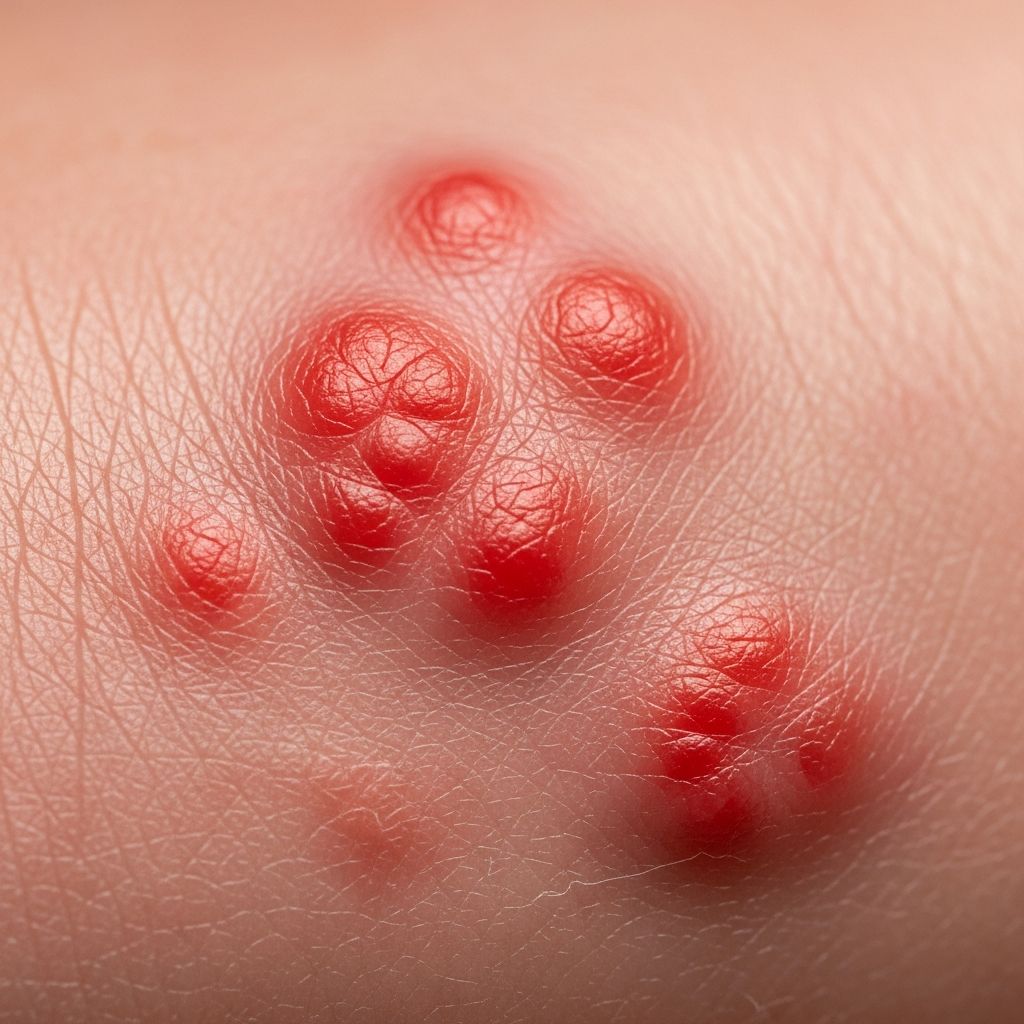
Allergic rashes are common skin reactions triggered by the body’s immune response to harmless substances like pollen, foods, or medications. These rashes often appear as red, itchy, inflamed patches and can range from mild irritation to severe discomfort. According to the Centers for Disease Control and Prevention (CDC), allergies affect over 50 million Americans annually, with skin reactions being among the most prevalent manifestations.1 Understanding the types, triggers, and treatments is crucial for effective management.
What Causes an Allergy Rash?
An allergy rash develops when the immune system mistakenly identifies a substance (allergen) as harmful, releasing histamine and other chemicals that cause inflammation and itching. Common culprits include:
- Contact allergens: Poison ivy, nickel in jewelry, fragrances, or latex.
- Food allergens: Peanuts, shellfish, eggs, and milk.
- Medications: Antibiotics like penicillin or NSAIDs such as ibuprofen.
- Insect stings: Bees, wasps, or fire ants.
- Environmental factors: Pollen, pet dander, dust mites, or mold.
The reaction typically occurs within minutes to hours after exposure, though delayed reactions can take days, as seen in contact dermatitis.
Types of Allergy Rashes
Hives (Urticaria)
Hives present as raised, red welts that itch intensely and can appear anywhere on the body. They often result from food, medications, or infections. Acute hives last less than six weeks, while chronic cases persist longer and may require specialist evaluation.2
Contact Dermatitis
This localized rash occurs where the skin contacts an irritant or allergen, such as poison oak or cosmetic preservatives. It features red, weepy blisters and can burn or sting.
Eczema (Atopic Dermatitis)
Though often genetic, eczema flares can be allergy-triggered, causing dry, scaly, intensely itchy patches, commonly on elbows and knees.
Angioedema
A deeper swelling affecting face, lips, or throat, often accompanying hives. It can obstruct airways in severe cases.
Symptoms of an Allergy Rash
Symptoms vary by type but commonly include:
- Redness and inflammation
- Intense itching or burning
- Raised bumps, welts, or blisters
- Dry, cracked, or scaly skin
- Swelling, especially in angioedema
Severe symptoms like difficulty breathing, widespread hives, or facial swelling signal anaphylaxis, requiring immediate epinephrine and emergency care.
Allergy Rash Pictures
Visual identification aids diagnosis. Hives appear as pink, irregular welts that blanch under pressure. Contact dermatitis shows linear streaks from plant exposure. Eczema features thickened, leathery skin. (Note: Consult a dermatologist for accurate diagnosis; images are illustrative.)
When to See a Doctor for an Allergy Rash
Seek medical attention if:
- The rash covers large areas or persists beyond a week.
- There’s fever, pus, or spreading redness (possible infection).
- Swelling affects breathing or swallowing.
- Over-the-counter remedies fail after 3-5 days.
- It’s a first-time reaction to a known allergen.
Allergists use patch testing or blood tests to pinpoint triggers.3
How to Get Rid of Allergy Rash: Treatment Options
Over-the-Counter Treatments
- Antihistamines: Cetirizine (Zyrtec) or loratadine (Claritin) block histamine, reducing itch within hours.
- Hydrocortisone cream (1%): Calms inflammation; apply sparingly to avoid skin thinning.
- Calamine lotion: Soothes and dries weeping rashes.
- Oatmeal baths: Colloidal oatmeal relieves itching.
Related Stories



Prescription Treatments
For severe cases, doctors prescribe oral corticosteroids like prednisone, stronger topicals like clobetasol, or biologics such as dupilumab for chronic eczema. Phototherapy uses UV light for persistent urticaria.
Home Remedies for Allergy Rash
- Cool compresses: Apply for 10-15 minutes to reduce swelling.
- Aloe vera: Pure gel hydrates and cools irritated skin.
- Baking soda paste: Mix with water for itch relief on hives.
- Coconut oil: Moisturizes without irritation.
- Avoid scratching: Use gloves at night to prevent infection.
Always patch-test remedies on a small area first.
Prevention Tips for Allergy Rashes
- Identify and avoid triggers via allergy testing.
- Wear protective clothing around plants or chemicals.
- Use hypoallergenic products free of fragrances and dyes.
- Keep a clean environment: Wash bedding weekly in hot water to kill dust mites.
- Moisturize daily with fragrance-free creams to strengthen skin barrier.
- Carry epinephrine auto-injectors if prescribed for severe allergies.
Allergy Rash in Children vs. Adults
Children often experience food-related rashes like milk or egg allergies, presenting as eczema or hives around the mouth. Adults more commonly react to medications or cosmetics. Both groups benefit from early intervention, but children’s skin is thinner, making them prone to faster absorption of topicals—use child-specific formulations.
Complications of Untreated Allergy Rashes
Chronic scratching leads to lichenification (skin thickening), secondary bacterial infections, or scarring. In rare cases, repeated exposures heighten anaphylaxis risk. The American Academy of Allergy, Asthma & Immunology notes that unmanaged allergies increase healthcare visits by 20%.4
Frequently Asked Questions (FAQs)
Can allergy rashes spread?
No, true allergy rashes don’t spread person-to-person but can expand with continued exposure or scratching.
How long does an allergy rash last?
Mild rashes resolve in days with treatment; hives may last 24-48 hours per outbreak, chronic cases up to months.
Is an allergy rash contagious?
No, it’s an immune reaction, not infectious, unless secondarily infected.
What foods commonly cause rashes?
Top triggers: peanuts, tree nuts, shellfish, soy, wheat, and dairy, per FDA data.
Can stress cause allergy rashes?
Stress exacerbates flares by increasing cortisol and histamine release but doesn’t directly cause them.
References
- CDC Data Brief: Allergies in the United States — Centers for Disease Control and Prevention. 2023-06-15. https://www.cdc.gov/nchs/products/databriefs/db399.htm
- Urticaria Guidelines — American Academy of Allergy, Asthma & Immunology. 2024-02-10. https://www.aaaai.org/conditions-treatments/allergies/skin-allergy
- Allergic Skin Conditions — National Institute of Allergy and Infectious Diseases. 2025-01-08. https://www.niaid.nih.gov/diseases-conditions/allergic-skin-conditions
- Food Allergy Prevalence — U.S. Food and Drug Administration. 2024-11-20. https://www.fda.gov/food/food-allergies
- Contact Dermatitis Summary — Mayo Clinic. 2025-03-05. https://www.mayoclinic.org/diseases-conditions/contact-dermatitis/symptoms-causes/syc-20352742
Similar Articles








Read full bio of Sneha Tete