Allergy Symptoms: 10 Common Signs And How To Identify Them
Recognize and manage common allergy symptoms from sneezing to severe reactions with expert guidance.
Allergies affect millions worldwide, triggering immune responses to harmless substances like pollen, dust, or food. Recognizing allergy symptoms early can prevent discomfort and complications. This guide covers common signs, types of allergies, diagnostic methods, treatments, and prevention strategies, drawing from authoritative medical sources.
What Are Allergy Symptoms?
Allergy symptoms occur when the immune system overreacts to allergens, releasing histamine and other chemicals. These reactions vary from mild itching to life-threatening anaphylaxis. Symptoms typically appear soon after exposure and can affect the skin, respiratory system, eyes, gastrointestinal tract, or whole body.
According to the Centers for Disease Control and Prevention (CDC), over 32% of U.S. adults and 19% of children have allergies. Common triggers include pollen, pet dander, mold, dust mites, insect stings, medications, and foods like peanuts or shellfish.
10 Common Allergy Symptoms
Here are the most frequent allergy symptoms, categorized by affected body area:
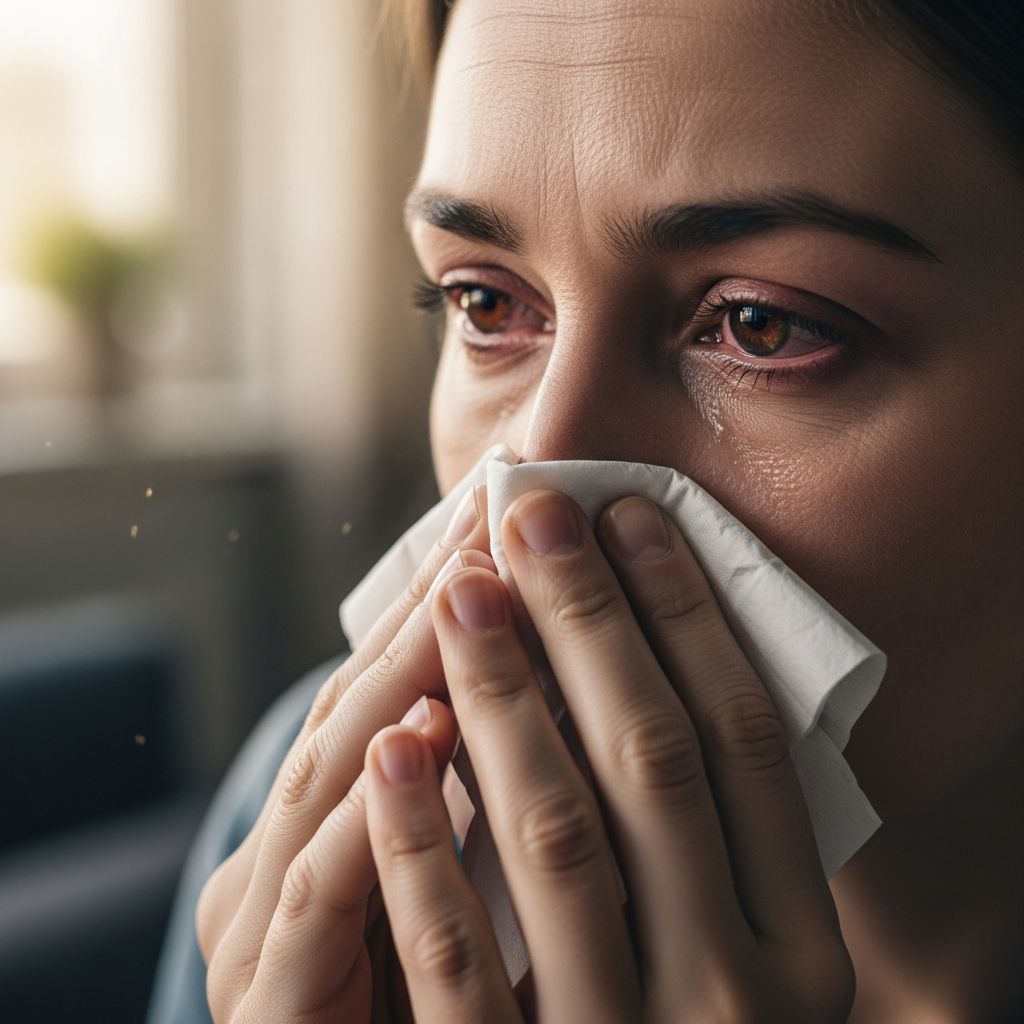
- Sneezing: Frequent, uncontrollable sneezing, especially in seasonal allergies (hay fever).
- Runny or stuffy nose: Clear nasal discharge (rhinorrhea) or congestion from inflamed nasal passages.
- Itchy, watery eyes: Redness, tearing, and itching due to conjunctivitis.
- Itchy nose, throat, or roof of mouth: Persistent itching signaling histamine release.
- Coughing: Dry cough from postnasal drip or airway irritation.
- Sore throat: Scratchy feeling from inflammation.
- Shortness of breath or wheezing: Indicates asthma exacerbation triggered by allergens.
- Fatigue: Systemic exhaustion from chronic inflammation.
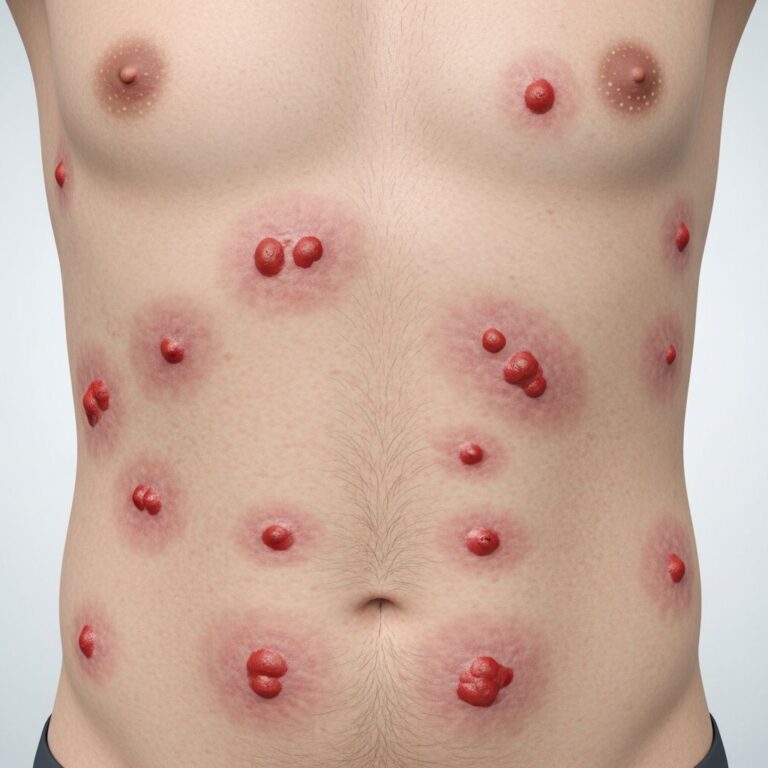
- Hives (urticaria): Raised, itchy welts on skin.
- Swelling (angioedema): Deeper tissue swelling, often around eyes or lips.
Symptoms of Seasonal Allergies
Seasonal allergies, or allergic rhinitis, peak during spring, summer, and fall due to pollen from trees, grasses, and weeds. Symptoms mimic a cold but last weeks and recur yearly. Key signs include intense sneezing, nasal congestion, itchy eyes, and fatigue. Ragweed pollen affects 23 million Americans annually, per the Asthma and Allergy Foundation of America (AAFA).
Symptoms of Year-Round Allergies
Perennial allergies persist from indoor allergens like dust mites, pet dander, cockroach droppings, and mold. Symptoms are constant or worsen indoors: chronic nasal congestion, postnasal drip, cough, and sinus pressure. Dust mites thrive in bedding, exacerbating nighttime symptoms.
Symptoms of Skin Allergies
Skin allergies manifest as:
- Hives: Red, itchy bumps appearing suddenly.
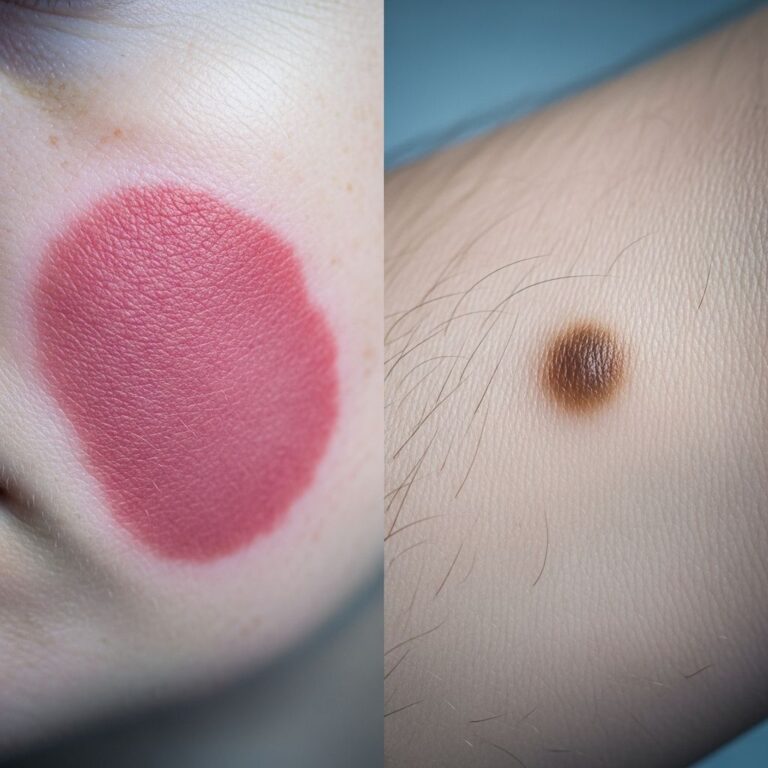
- Eczema (atopic dermatitis): Dry, inflamed, scaly patches worsened by allergens.
- Contact dermatitis: Rash from irritants like nickel, fragrances, or poison ivy.
The National Institute of Allergy and Infectious Diseases (NIAID) notes skin allergies affect 10-20% of children and 1-3% of adults.
Symptoms of Food Allergies
Food allergies provoke rapid reactions within minutes to hours. Common symptoms:
- Tingling mouth or lips
- Hives or eczema
- Swelling of lips, tongue, or face
- Vomiting, diarrhea, abdominal pain
- Wheezing or throat tightening
Milk, eggs, peanuts, tree nuts, soy, wheat, fish, and shellfish cause 90% of reactions, per CDC data. Unlike intolerances, true allergies involve IgE antibodies.
Related Stories



Symptoms of Drug Allergies
Medications like penicillin, aspirin, or NSAIDs trigger allergies in 10% of users. Symptoms range from mild rash to severe anaphylaxis. Reactions can occur immediately (IgE-mediated) or delayed (T-cell mediated), like Stevens-Johnson syndrome.
Symptoms of Insect Sting Allergies
Bee, wasp, or fire ant stings cause local swelling and pain in most, but 3% experience systemic reactions: widespread hives, swelling, dizziness, or anaphylaxis. Venom-specific IgE drives severity.
Symptoms of Eye Allergies
Allergic conjunctivitis causes red, itchy, watery eyes. Rubbing worsens it. Seasonal or perennial forms exist, often with rhinitis.
Symptoms of Severe Allergic Reactions (Anaphylaxis)
Anaphylaxis is a medical emergency combining multiple symptoms: throat swelling, difficulty breathing, rapid pulse, drop in blood pressure, nausea, and loss of consciousness. It kills 400-800 Americans yearly, per NIAID. EpiPens are first-line treatment.
How To Tell Allergies From a Cold or Flu
| Feature | Allergies | Cold | Flu |
|---|---|---|---|
| Onset | Sudden, after exposure | Gradual | Sudden |
| Duration | Weeks | 7-10 days | 1-2 weeks |
| Fever | No | Rare/low | High |
| Aches | No | Mild | Severe |
| Itchiness | Yes (eyes/nose) | No | No |
| Triggers | Allergens | Virus | Influenza virus |
Who’s at Risk for Allergies?
Risk factors include family history (atopy), asthma/eczema, early allergen exposure, and living in urban/polluted areas. Children outgrow some allergies, but adults often develop new ones.
Diagnosis and Tests
- Medical history: Symptom timing, triggers, family history.
- Skin prick test: Drops allergens on skin, pricks; wheal indicates positivity (95% accurate).
- Blood test (IgE): Measures specific IgE levels.
- Food challenge: Supervised ingestion.
- Patch test: For delayed skin reactions.
Treatment Options
Medications
- Antihistamines: Loratadine, cetirizine block histamine.
- Nasal corticosteroids: Fluticasone reduce inflammation.
- Decongestants: Pseudoephedrine relieve stuffiness (short-term).
- Eye drops: Cromolyn, olopatadine.
- Epinephrine: For anaphylaxis.
Immunotherapy
Allergy shots or sublingual tablets desensitize over 3-5 years, effective for 80-90% per AAFA.
Lifestyle Changes
- Use HEPA filters, allergen-proof bedding.
- Avoid outdoor time on high-pollen days (check pollen.com).
- Wash pets weekly, shower after outdoors.
When To See a Doctor
Seek care for persistent symptoms, impact on sleep/work, asthma worsening, or anaphylaxis history. Allergists provide specialized testing.
Prevention Tips
- Monitor pollen counts via AAAAI.org.
- Keep windows closed, use AC.
- Read food labels, inform restaurants.
- Vacuum with HEPA, reduce humidity <50%.
Frequently Asked Questions (FAQs)
What is the most common allergy symptom?
Sneezing and runny nose top the list for respiratory allergies.
Can allergies cause fever?
No, fever suggests infection, not allergy.
How long do allergy symptoms last?
Seasonal: weeks; perennial: ongoing without treatment.
Are allergy symptoms worse at night?
Yes, due to dust mites, lying down, circadian histamine peaks.
Can you have allergies without knowing?
Yes, mild symptoms often dismissed as colds.
References
- CDC Data Brief: Allergies Prevalence — Centers for Disease Control and Prevention. 2022-05-17. https://www.cdc.gov/nchs/products/databriefs/db399.htm
- Allergic Diseases and Asthma — National Institute of Allergy and Infectious Diseases. 2024-08-15. https://www.niaid.nih.gov/diseases-conditions/allergic-diseases
- Seasonal Allergies — American Academy of Allergy, Asthma & Immunology. 2025-03-10. https://www.aaaai.org/conditions-treatments/allergies/seasonal-allergies
- Anaphylaxis Overview — World Health Organization. 2023-11-20. https://www.who.int/news-room/fact-sheets/detail/anaphylaxis
- Guidelines for Allergy Diagnosis — Journal of Allergy and Clinical Immunology. 2024-02-01. https://doi.org/10.1016/j.jaci.2023.11.012
Similar Articles








Read full bio of medha deb