Allergy To Acrylate: Causes, Symptoms, Diagnosis, Treatment
Understanding acrylate allergy: causes, symptoms, diagnosis, and prevention strategies for this rising contact dermatitis concern.
Acrylates and methacrylates, collectively known as (meth)acrylates, are synthetic monomers widely used in polymers forming clear, durable plastics. These chemicals are ubiquitous in modern products, from artificial nails and dental fillings to medical adhesives and adhesives. While polymerized forms are generally inert, unpolymerized monomers are potent sensitizers capable of triggering
allergic contact dermatitis (ACD)
, an increasingly prevalent condition.The surge in acrylate allergy correlates with the beauty industry’s growth, particularly artificial nail services. Occupational exposure among beauticians and consumer use have fueled an ‘epidemic’ of cases, often presenting as hand eczema or periungual dermatitis. This article details clinical presentations, sources, diagnosis, and management strategies mirroring established dermatological resources.
What are acrylates?
Acrylates are derivatives of acrylic acid or methacrylic acid, polymerized into transparent plastics essential for various applications. The term encompasses methacrylates, with ‘methacrylate’ indicating a methyl group modification. Key examples include methyl methacrylate (MMA), 2-hydroxyethyl methacrylate (HEMA), ethyl acrylate (EA), and ethyleneglycol dimethacrylate (EGDMA).
Unpolymerized monomers possess allergenic potential due to their small molecular size, enabling skin penetration and hapten formation with proteins, eliciting type IV hypersensitivity. Polymerized products are typically safe, but incomplete curing or monomer leaching can cause issues. Recent identifications like isobornyl acrylate highlight emerging allergens.
How does acrylate allergy present?
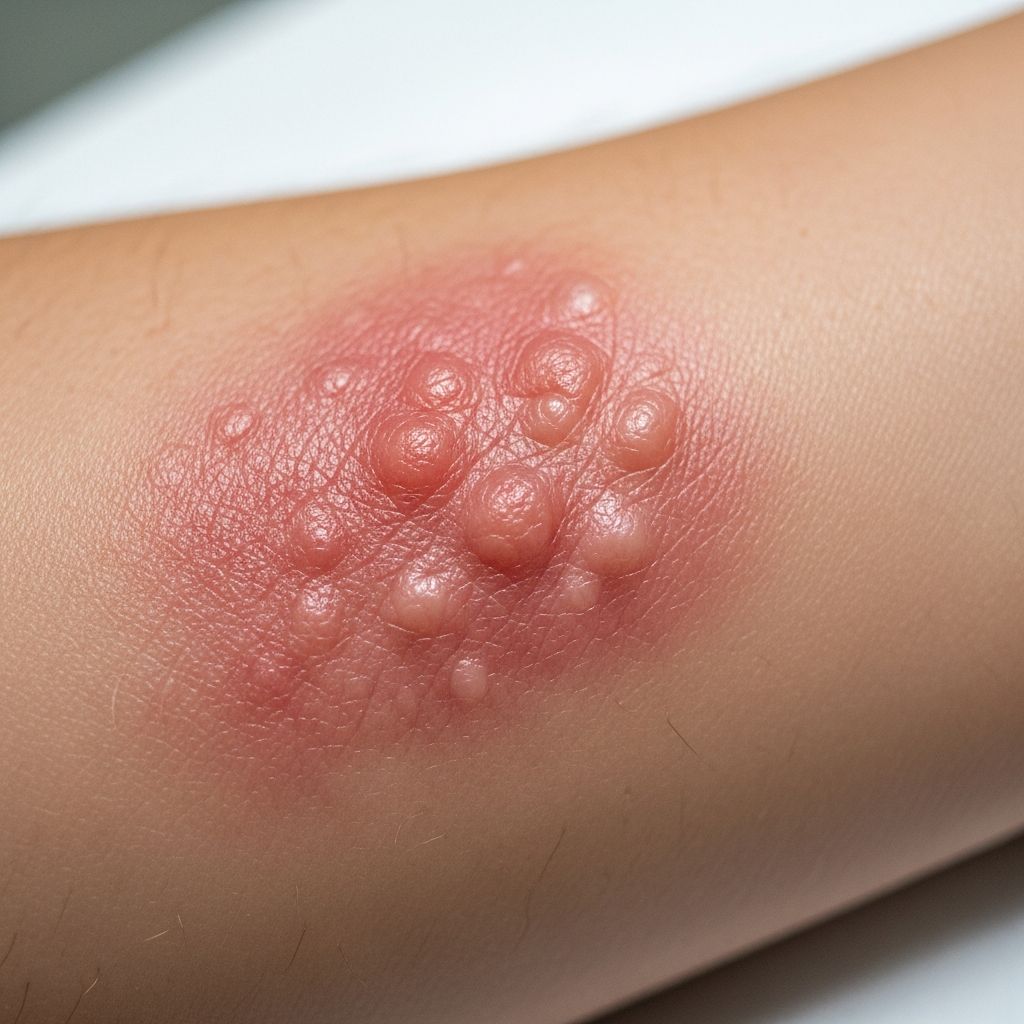
**Allergic contact dermatitis** from acrylates manifests primarily at contact sites, featuring itching, burning, scaling, urticaria, or blisters. Direct monomer exposure induces classic ACD with erythema, vesicles, and edema.
In nail technicians and users, presentations include:
- **Hand eczema** and
pulpitis
of fingertips, especially the first three fingers from handling brushes and files. - **Periungual dermatitis**, nail dystrophy without psoriasis signs like salmon patches.
- **Facial involvement**, eyelids, or exposed areas from airborne particles or hand transfer.
Airborne powdered polymer particles containing residual monomer can provoke exposed-site dermatitis, facial swelling, rhinoconjunctivitis, or asthma. Eyelash extensions may initially cause conjunctivitis or rhinitis before skin symptoms. Medical device exposure leads to localized reactions, such as under insulin pump adhesives or TENS electrodes. Postoperative rashes from surgical glues like 2-octyl cyanoacrylate occur in 2-14% of cases, sometimes delayed.
Who is at risk?
High-risk groups include:
- Beauty industry workers: Beauticians, nail technicians (56% occupational cases).
- Consumers: Artificial nail or eyelash extension users (43-65% cases).
- Dental professionals and patients: Exposure to composites and cements.
- Healthcare workers and patients: Surgical glues, monitoring pads, insulin devices.
- Others: Orthopaedic surgeons (bone cement), adhesive handlers.
Demographics skew young females in beauty roles; sensitization often occurs within the first year of exposure. Cross-reactivity exists across acrylate types, with prior nail sensitization triggering reactions to dental or medical products.
What products contain acrylates?
| Category | Examples | Common Allergens |
|---|---|---|
| Nail Cosmetics | UV/LED gel polishes, acrylic nails, glues, primers | HEMA, HPMA, EA, EGDMA |
| Dental Materials | Composites, fissure sealants, dentures, bone cement | MMA, 2-HEMA |
| Medical Devices | ECG electrodes, TENS pads, insulin pump adhesives, hearing aids | (Meth)acrylate adhesives |
| Adhesives/Glues | Surgical glues (2-octyl cyanoacrylate), eyelash glues | Cyanoacrylates, triethylene glycol diacrylate |
| Other | Printing inks, coatings, textiles | Various monomers |
Related Stories



Nail products dominate, with HEMA positive in >90% of cases. Long-term gel nail use allows monomer diffusion, sensitizing users.
How is the diagnosis made?
**Patch testing** is the gold standard. Standard series lack acrylates; use specialized series (e.g., Acrylate/Nail Series).
- Key markers: 2-HEMA (>90% sensitivity), HPMA (64%), MMA. Proposal to add to European Baseline Series.
- Positive reaction: Erythema, induration at 48-96 hours.
- Consider occupational history, hobbies; test personal products if suspect.
Nail dystrophy without psoriasis or airborne patterns aid diagnosis. Biopsy rarely needed.
What is the treatment?
Management mirrors acute dermatitis:
- Avoidance: Eliminate exposure; read labels for acrylates.
- Topical corticosteroids and emollients for inflammation.
- Severe cases: Oral steroids, phototherapy.
For acrylate-allergic patients:
- Request non-acrylate dental materials, uncemented implants.
- Use hydrocolloid barriers under device adhesives.
What is the prognosis?
Prognosis excels with strict avoidance; symptoms resolve promptly. Persistent exposure risks chronicity or occupational disability. Cross-reactivity complicates management. Education on ubiquitous sources is crucial.
How can acrylate allergy be prevented?
Prevention emphasizes:
- Protective gear: Nitrile gloves (MMA penetrates latex/vinyl in minutes); double gloving or 4H gloves for prolonged contact.
- Training: Beauty apprentices on risks, proper curing lamps.
- Consumer advice: Ventilation, no self-application without protection.
- Regulation: Stricter policies for sensitizing chemicals in aesthetics.
Cross-reactivity with other allergens
Acrylates cross-react extensively; HEMA sensitivity often reacts to multiple monomers. Cyanoacrylates (e.g., superglue) share traits but distinct. Prior sensitization amplifies risks from unrelated products.
Related topics
- Allergic contact dermatitis
- Occupational dermatitis
- Nail cosmetics
- Patch testing
Frequently Asked Questions
What causes acrylate allergy symptoms?
Unpolymerized monomers in products like nail gels contact skin, triggering ACD.
Can acrylate allergy affect the face?
Yes, via airborne particles or hand transfer, causing eyelid or facial dermatitis.
Is patch testing safe for diagnosis?
Yes, gold standard using acrylate series like HEMA.
How to protect hands when working with acrylates?
Use nitrile double gloves; avoid prolonged skin contact.
Can I get dental work if allergic to acrylates?
Yes, with acrylate-free materials; inform your dentist.
References
- Allergy to acrylates – DermNet — DermNet NZ. 2023. https://dermnetnz.org/topics/allergy-to-acrylate
- Acrylates as a significant cause of allergic contact dermatitis — NIH/PMC. 2021-10-07. https://pmc.ncbi.nlm.nih.gov/articles/PMC8501444/
- Tackling Acrylate Allergy: The Sticky Truth — MDedge/The Hospitalist. 2023. https://blogs.the-hospitalist.org/content/tackling-acrylate-allergy-sticky-truth
- Contact Allergy to Acrylates — Medical Journals Sweden. 2020. https://medicaljournals.se/forum/articles/16/1/25-26.pdf
- Allergic Contact Dermatitis to Acrylates: A Case Report — Cureus. 2024. https://www.cureus.com/articles/282381-allergic-contact-dermatitis-to-acrylates-a-case-report
Similar Articles








Read full bio of medha deb