Allergy To Ammonium Persulfate: Symptoms, Diagnosis & Treatment
Understanding symptoms, causes, diagnosis, and management of ammonium persulfate allergy in hair products.
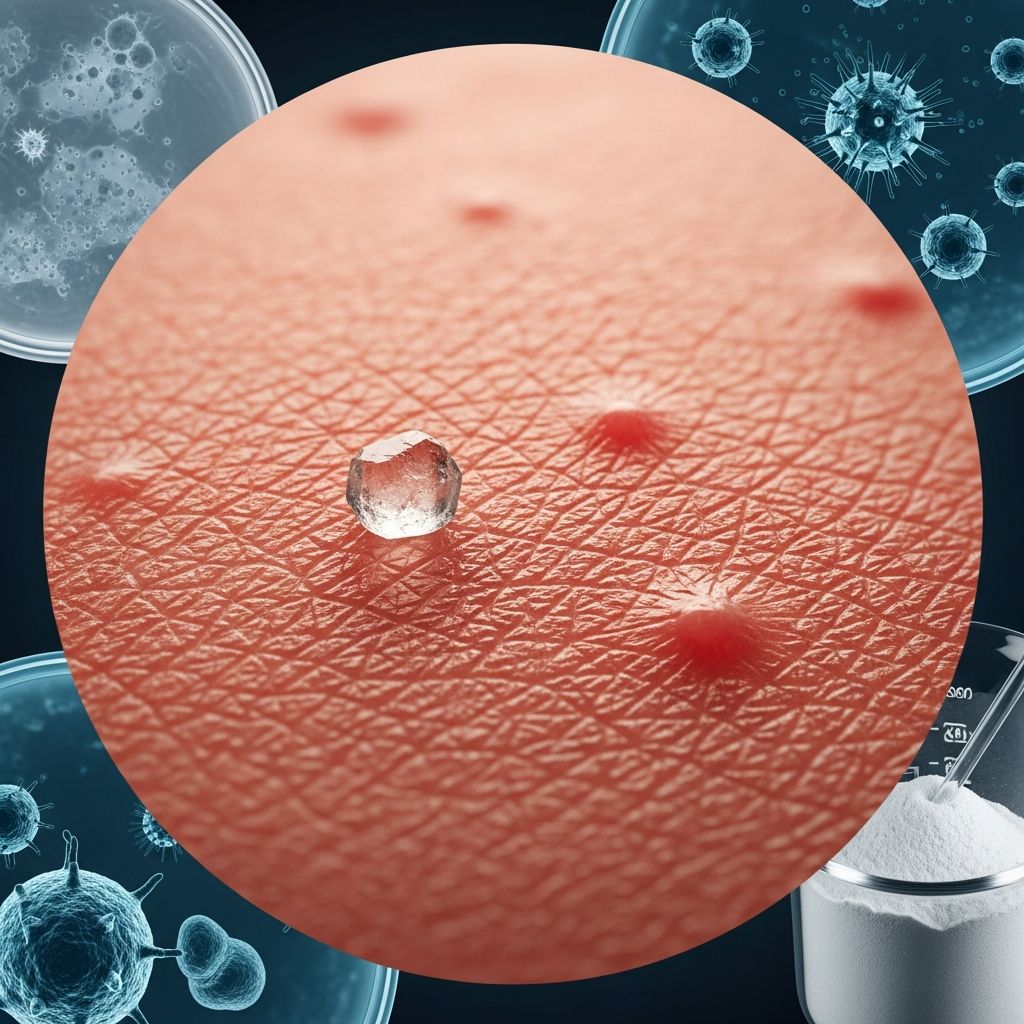
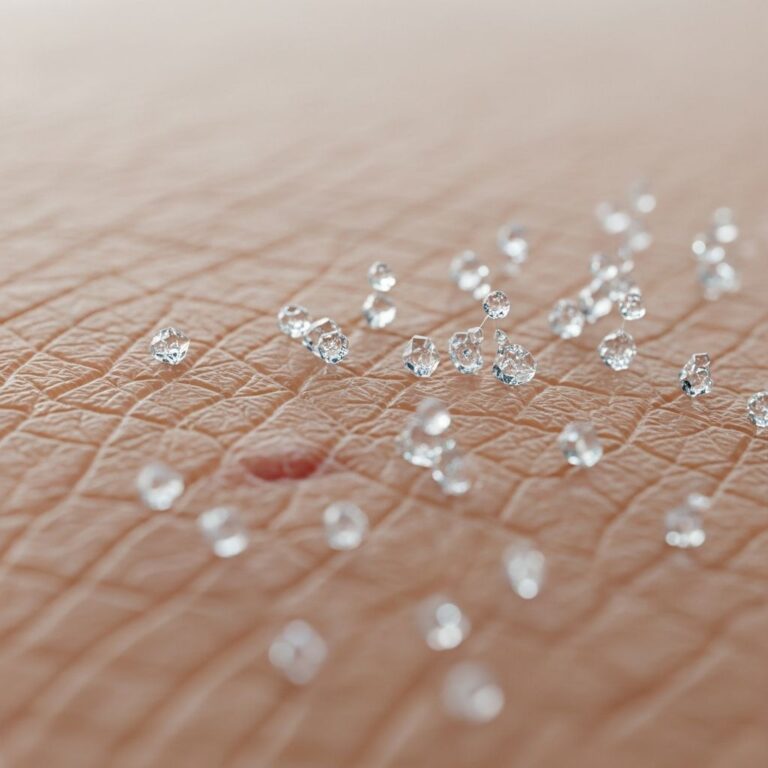
Ammonium persulfate is a white crystalline powder used as an oxidizing agent in hair bleaches, lighteners, and permanent hair colorants, particularly in professional salon products.
What is ammonium persulfate?
Ammonium persulfate ((NH4)2S2O8) functions as a powerful oxidizing agent that activates bleach powders and lightening agents by releasing oxygen. It accelerates the lightening process during hair bleaching and interacts with hydrogen peroxide to produce lighter shades in permanent hair dyes. Primarily found in professional hairdressing products rather than retail “off-the-shelf” dyes, it enables rapid and effective hair lightening.
The Cosmetic Ingredient Review (CIR) Expert Panel deems persulfates safe for brief, discontinuous use in hair colorants followed by thorough rinsing, but warns of potential urticarial reactions above 17.5% concentrations.
Who gets ammonium persulfate allergy? (Epidemiology)
Allergic reactions primarily affect hairdressers through chronic occupational exposure via skin contact, inhalation of dust or aerosols, and airborne particles. Clients experience reactions mainly from direct scalp or skin contact during bleaching or coloring services.
- Hairdressers face highest risk due to repeated handling of persulfate-containing powders and mixing bleaches.
- A study of hairdressers found occupational asthma in 51.1% and allergic contact dermatitis in 36.2%, with ammonium persulfate implicated in 87.5% of asthma cases. Average exposure duration before symptoms: 7 years; onset after 5.3 years.
- Immediate reactions like urticaria occur mainly in those with asthma history; delayed sensitivity builds over years.
- Clients rarely develop sensitivity unless repeatedly bleached.
Clinical features of ammonium persulfate allergy
Reactions range from immediate contact urticaria to delayed allergic contact dermatitis, respiratory issues, and rarely anaphylaxis.
Contact urticaria
Most common reaction: Skin contacting ammonium persulfate develops redness, wealing (hives), and intense itching within minutes. Washing off the substance resolves symptoms in 30-60 minutes. Airborne dust causes facial urticaria, periorbital swelling, and rhinitis.
Allergic contact dermatitis
Delayed hypersensitivity produces itchy, red, blistered, dry, or thickened skin appearing 24-48 hours post-exposure, persisting days to weeks. Repeated exposures worsen severity, leading to chronic hand eczema in hairdressers.
Respiratory symptoms
Inhalation triggers rhinitis, throat irritation, cough, wheezing, and occupational asthma. Asthmatics experience immediate bronchospasm.
Ocular symptoms
Conjunctivitis, eye watering, redness, and periorbital swelling from airborne dust or hand-to-eye transfer.
Severe reactions
Rare anaphylaxis includes hives, facial/throat swelling, breathing difficulty, hypotension.
Diagnosis of ammonium persulfate allergy
History of rapid-onset urticaria post-exposure plus positive patch or prick testing confirms diagnosis.
Patch testing
Standard series includes 1% ammonium persulfate in petrolatum. Positive reactions (erythema, vesicles) indicate delayed hypersensitivity. For urticaria, open testing or use testing during procedures recommended.
Prick testing
Detects immediate IgE-mediated reactions: wheal-and-flare within 15-20 minutes.
Other tests
- Specific IgE blood tests occasionally useful.
- Spirometry assesses occupational asthma.
- Patch tests may cross-react with other persulfates (potassium, sodium).
Management and treatment
Acute reactions
- Urticaria: Wash thoroughly with soap/water; cool compresses; oral antihistamines (cetirizine 10mg daily).
- Contact dermatitis: Potent topical corticosteroids (clobetasol 0.05%), emollients; oral prednisone 0.5-1mg/kg for severe cases.
- Anaphylaxis: Epinephrine 0.3-0.5mg IM, antihistamines, corticosteroids, oxygen.
- Respiratory: Inhaled bronchodilators, oral steroids.
Related Stories



Chronic management
Strict avoidance essential. Hairdressers may need career change; protective gloves ineffective against immediate urticaria.
What is the cause of ammonium persulfate allergy?
Hypersensitivity develops via:
- Type I (immediate): IgE-mediated mast cell degranulation causing urticaria, asthma.
- Type IV (delayed): T-cell mediated contact dermatitis.
- Persulfates act as haptens binding skin proteins, triggering immune response. Repeated exposure increases sensitivity over years.
Prevalence
Common in hairdressers:
| Condition | Prevalence in Hairdressers | Ammonium Persulfate Involvement |
|---|---|---|
| Occupational Asthma | 51.1% | 87.5% |
| Allergic Contact Dermatitis | 36.2% | High |
Cross reactions
Persulfates cross-react: ammonium, potassium, sodium persulfates. Possible reactions to unrelated oxidants rare.
Prevention of ammonium persulfate allergy
- Clients: Patch test 48 hours prior; prefer PPD-free, persulfate-free dyes; semi-permanent colors safer.
- Hairdressers: Minimize powder handling; use pre-mixed liquids; ventilation; gloves (limited protection); regular breaks.
- Avoid concentrations >17.5%; thorough rinsing mandatory.
Related topics
- Allergic contact dermatitis
- Contact urticaria
- Hair dye allergy
- Occupational dermatitis
- Protein contact dermatitis
Frequently Asked Questions
Is ammonium persulfate safe in hair products?
Generally safe for brief use with rinsing, but causes allergies in sensitized individuals, especially hairdressers.
How quickly do symptoms appear?
Urticaria: minutes; dermatitis: 24-48 hours.
Can hairdressers continue working?
Severely sensitized individuals should avoid persulfates entirely; protective measures insufficient for immediate reactions.
What if I react during hair coloring?
Wash off immediately; apply antihistamine cream; seek medical help for severe symptoms.
References
- Hair Colour Allergies – PPD Reactions — The Shade. 2023. https://theshade.com.au/hair-colour-allergic-ppd-reactions/
- Allergy to ammonium persulfate — DermNet NZ. 2024-01-15. https://dermnetnz.org/topics/allergy-to-ammonium-persulfate
- Hair dye allergy reactions: Symptoms and treatments — Medical News Today. 2023-10-20. https://www.medicalnewstoday.com/articles/320505
- Ammonium persulfate allergy — Doctor Hoogstra Medical Centers. 2024. https://doctorhoogstra.com/en/wiki/allergy-to-ammonium-persulfate-2-2/
- Hair Dye Allergy: Symptoms, Treatment — Healthline. 2024-05-12. https://www.healthline.com/health/hair-dye-allergy
Similar Articles








Read full bio of Sneha Tete