Allergy to Avobenzone: Causes, Symptoms & Treatment
Understanding avobenzone allergies: causes, diagnosis, and safe management strategies.
Understanding Avobenzone Allergy
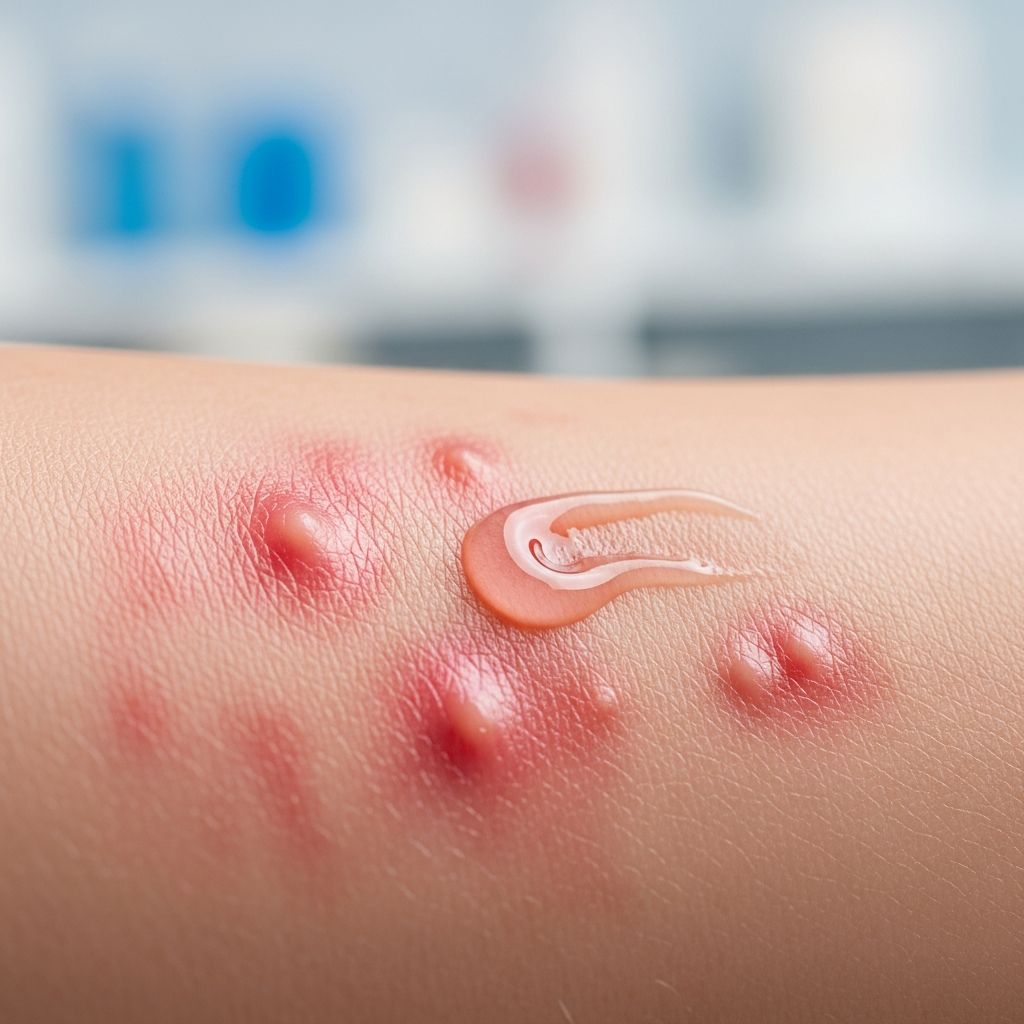
Avobenzone is a widely used ultraviolet (UV) filter found in many sunscreen and protective products. Despite its common application in skincare formulations, avobenzone has been associated with causing adverse reactions in certain individuals. While avobenzone appears to be relatively well-tolerated by most people, it has been documented to cause photocontact dermatitis and, in some cases, classic allergic contact dermatitis in sensitive individuals. Understanding the nature of avobenzone allergies, how they develop, and how to manage them is essential for those with photosensitive skin or a history of sunscreen reactions.
The chemical nature of avobenzone and its interaction with sunlight plays a crucial role in understanding why allergic reactions occur. Unlike some other UV filters, avobenzone’s behavior in sunlight and its formulation with other chemicals significantly impact its safety profile and allergenic potential.
What is Avobenzone?
Avobenzone is a dibenzoylmethane derivative that functions as a broad-spectrum UV filter, protecting skin from both UVA and UVB radiation. It works by absorbing UV rays and converting them into heat, thereby protecting the skin from sun damage. The ingredient has become increasingly popular in sunscreen formulations worldwide due to its effectiveness and broad-spectrum protection capabilities.
However, avobenzone has unique characteristics that distinguish it from other UV filters. One significant concern is its photostability—or rather, its lack thereof. Research has demonstrated that avobenzone is photo-unstable and degrades rapidly when exposed to sunlight. The chemical can lose between 50-90% of its efficacy within the first hour of sun exposure. This dramatic reduction in protective capacity led manufacturers to develop solutions that would improve avobenzone’s stability and performance.
Photostabilization and Chemical Formulations
To address avobenzone’s photostability issues, cosmetic chemists began formulating it with photostabilizing chemicals designed to preserve its UV-protective properties. The most common photostabilizing agents used alongside avobenzone include octocrylene and bemotrizinole. These chemicals are added to sunscreen and cosmetic formulations to enhance avobenzone’s durability and maintain its efficacy throughout the day.
While photostabilizing agents improve product performance, they have introduced an important consideration regarding allergic reactions. Many individuals who experience adverse reactions attributed to “avobenzone allergy” are actually reacting to the photostabilizing chemicals or other formulation ingredients rather than avobenzone itself. This distinction is critical for proper diagnosis and treatment, as removing avobenzone from a skincare routine may not resolve symptoms if the actual allergen is a different component in the formulation.
Skin Absorption and Safety Concerns
Scientific studies have examined the absorption of avobenzone through the skin barrier. Research has shown that avobenzone can be absorbed systemically, which has led to cautious recommendations regarding its use. Healthcare providers and dermatologists have drawn parallels between avobenzone and older sunscreen ingredients such as PABA-containing formulations, which also demonstrated systemic absorption and associated health concerns.
The absorption of avobenzone by the skin has prompted ongoing discussions within the dermatological and cosmetic chemistry communities about long-term safety. While acute allergic reactions are the primary concern for individuals with avobenzone sensitivity, the systemic absorption data has influenced regulatory approaches and formulation practices in different countries and regions.
Historical Context: Related Ingredients and Reactions
Understanding the history of dibenzoylmethane derivatives provides important context for evaluating avobenzone’s safety profile. Isopropyl dibenzoylmethane, marketed as Eusolex 8020, is a related compound that was found to cause a high incidence of photosensitivity reactions in users. Due to the frequency and severity of adverse reactions, Eusolex 8020 was discontinued in 1993. This historical precedent highlights how chemically similar UV filters can produce significantly different allergic response patterns in the population.
Related Stories



The discontinuation of Eusolex 8020 underscores the importance of post-market surveillance and the willingness of manufacturers to remove ingredients when safety concerns are substantiated. By contrast, avobenzone has continued to be widely used, suggesting that the overall rate of allergic reactions, while notable, has not reached levels that would justify discontinuation.
Prevalence of Pure Avobenzone Allergy
One of the most important findings in dermatological research regarding avobenzone is that contact allergy to pure avobenzone is rare. This distinction carries significant clinical implications. When patients report symptoms they believe are caused by avobenzone, the underlying allergen is frequently one of the other chemicals in the formulation rather than avobenzone itself.
The most common culprits in products marketed as containing avobenzone include:
- Photostabilizing agents such as octocrylene and bemotrizinole
- Preservatives, including parabens and formaldehyde-releasing preservatives
- Fragrances and fragrance components
- Emollients and other inactive ingredients
- Additional UV filters present in broad-spectrum formulations
This means that individuals who suspect they have an avobenzone allergy should undergo thorough testing to identify the specific allergen within their sunscreen product. Eliminating avobenzone unnecessarily may prevent patients from using effective sun protection, while identification of the true allergen allows for selection of alternative products that maintain adequate UV protection.
Types of Allergic Reactions to Avobenzone
Avobenzone can trigger two distinct types of allergic skin reactions, each with different characteristics and triggers:
Photocontact Dermatitis
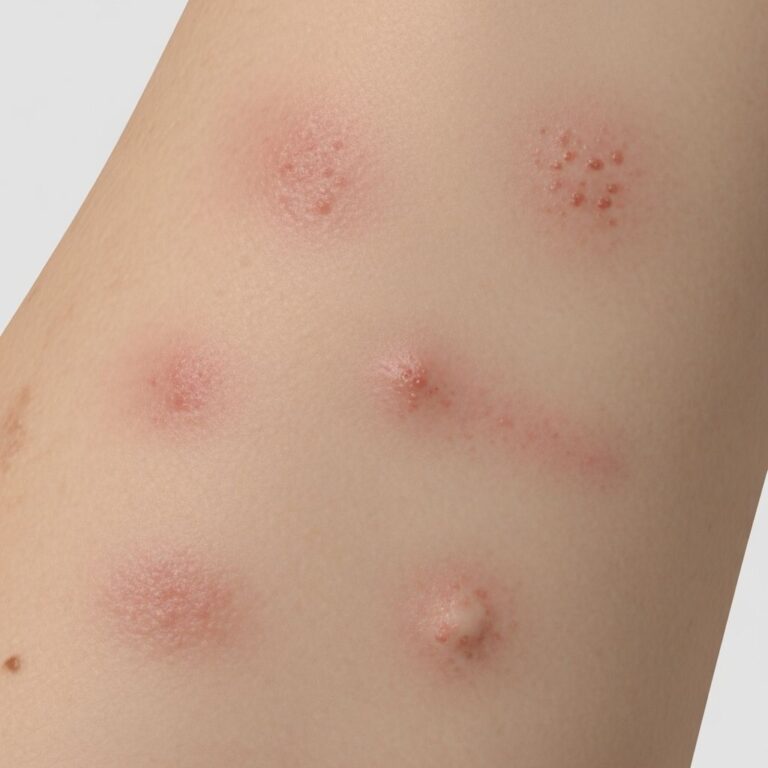
Photocontact dermatitis is a delayed hypersensitivity reaction that occurs when avobenzone or related chemicals are activated by UV light exposure. In this reaction, the chemical itself may not cause significant irritation while on the skin in darkness, but upon exposure to sunlight, a photochemical reaction occurs that triggers an allergic response. Symptoms typically appear within one to two days following sun exposure and may include:
- Redness and inflammation in areas exposed to both the product and sunlight
- Intense itching or burning sensation
- Development of raised bumps or scaly patches
- Blistering in severe cases
Allergic Contact Dermatitis
Avobenzone may also produce classic allergic contact dermatitis, which does not require UV light activation. This type of reaction occurs when the immune system recognizes avobenzone or related chemicals as foreign and mounts a response. Symptoms appear in the areas where the product was applied and may include:
- Redness, itching, and swelling
- Rash development
- Potential blister formation
- Burning or stinging sensations
The distinction between these two reaction types is important because it guides both diagnosis and treatment planning.
Symptoms of Avobenzone Allergy
Individuals experiencing an allergic reaction to avobenzone or related sunscreen ingredients typically notice symptoms in the specific areas where the product was applied. The symptoms may vary in severity from mild to severe:
- Mild reactions: Localized redness, mild itching, or slight discomfort
- Moderate reactions: Pronounced redness and inflammation, significant itching, raised bumps or small blisters, swelling in the affected area
- Severe reactions: Extensive blistering, peeling skin, swelling in sensitive areas such as the eyes or lips, severe pain or tenderness
Symptoms typically develop within hours to days of application, with photocontact reactions often appearing slightly later than contact reactions. In cases where avobenzone-containing sunscreen is applied to the face and neck before sun exposure, these sensitive areas may show more pronounced swelling and inflammation.
Diagnosis of Avobenzone Allergy
Accurate diagnosis of avobenzone allergy is essential for distinguishing the true allergen from other components in sunscreen formulations. The diagnostic process relies on specialized testing methods:
Patch Testing
Standard patch testing involves applying small amounts of suspected allergens, including pure avobenzone and various sunscreen formulations, to the skin under occlusion (covered) for 48 hours. After the patches are removed, the skin is assessed for signs of allergic reaction. This test helps identify classic allergic contact dermatitis.
Photopatch Testing
Photopatch testing is specifically designed to diagnose photocontact dermatitis. In this test, patches are applied to two identical skin sites. One site is kept covered from light, while the other is exposed to controlled UV radiation after the initial 24-48 hour occlusion period. A positive reaction that appears only on the UV-exposed site indicates photocontact dermatitis. This specialized testing is particularly important for avobenzone, given its photochemical properties.
The combination of standard patch testing and photopatch testing provides dermatologists with comprehensive information about the type and nature of any allergic reaction, enabling precise identification of the problematic ingredient.
Management and Treatment of Avobenzone Dermatitis
Once avobenzone allergy has been confirmed through testing, management focuses on avoidance and symptomatic treatment:
Avoidance Strategy
The primary management approach is to avoid all products containing avobenzone. This requires careful examination of sunscreen labels and ingredient lists, as avobenzone appears in many commercial products. Patients should also be informed that photostabilizing agents (octocrylene, bemotrizinole) may cross-react in individuals with confirmed avobenzone sensitivity, making avoidance of these chemicals advisable as well.
Acute Dermatitis Treatment
Once an allergic reaction occurs, management follows standard protocols for acute dermatitis and eczema:
- Topical corticosteroids: Low to moderate potency corticosteroid creams or ointments are applied to affected areas to reduce inflammation and itching
- Emollients: Fragrance-free moisturizers and emollients help restore the skin barrier and prevent secondary irritation
- Symptom relief: Cool compresses may provide temporary relief from itching and burning sensations
- Antihistamines: Oral antihistamines may be recommended if itching is severe and interferes with sleep or daily activities
In cases of severe reactions involving facial swelling or blistering, medical evaluation by a dermatologist is recommended to ensure appropriate management and to rule out secondary infection.
Alternative Sun Protection for Avobenzone-Sensitive Individuals
Individuals with confirmed avobenzone allergy have several alternatives for achieving sun protection:
- Mineral sunscreens: Products containing zinc oxide or titanium dioxide as the primary active ingredients provide broad-spectrum protection and rarely cause allergic reactions
- Avobenzone-free chemical sunscreens: Some sunscreen products use alternative UV filters such as homosalate, octisalate, or octocrylene without avobenzone
- Physical sun protection: Protective clothing, wide-brimmed hats, and UV-blocking sunglasses provide effective protection without chemical ingredients
- Careful product selection: Hypoallergenic, fragrance-free formulations minimize the risk of cross-reactivity
Distinguishing Avobenzone Allergy from Other Reactions
Proper diagnosis requires distinguishing avobenzone allergy from other sunscreen-related reactions:
| Reaction Type | Characteristics | Trigger | Diagnosis |
|---|---|---|---|
| Photocontact Dermatitis (Avobenzone) | Appears 1-2 days after sun exposure; limited to sun-exposed areas where product was applied | Avobenzone activated by UV light | Photopatch testing shows reaction only on UV-exposed site |
| Allergic Contact Dermatitis (Avobenzone) | Appears within hours; occurs at application sites regardless of sun exposure | Direct immune response to avobenzone | Standard patch test positive |
| Irritant Reaction | Appears immediately; limited to areas of product contact; affects most people at high concentrations | High concentrations of irritating ingredients (alcohol, fragrances) | No reaction to patch testing; history of frequent reapplication |
| Reaction to Photostabilizers | May mimic avobenzone reaction; occurs with avobenzone-containing products | Octocrylene, bemotrizinole, or other formulation additives | Photopatch testing identifies specific allergen; may be negative for pure avobenzone |
Frequently Asked Questions
Q: Is avobenzone allergy common?
A: Contact allergy to pure avobenzone is rare. Most reactions attributed to avobenzone are actually caused by other chemicals in the formulation, such as photostabilizers, preservatives, or fragrances.
Q: Can I develop avobenzone allergy if I’ve used the product before without problems?
A: Yes. Allergic contact dermatitis can develop at any time, even after years of using a product without incident. Sensitization may occur gradually with repeated exposure.
Q: What should I do if I suspect I have an avobenzone allergy?
A: Consult a dermatologist who can perform patch testing and photopatch testing to identify the specific allergen. Stop using the suspected product and keep a record of your reactions and which products you’ve used.
Q: Are mineral sunscreens safe if I’m allergic to avobenzone?
A: Yes. Mineral sunscreens containing zinc oxide or titanium dioxide rarely cause allergic reactions and are generally considered safe alternatives for individuals with avobenzone allergy.
Q: Can avobenzone cause photocontact dermatitis even without direct sun exposure?
A: Photocontact dermatitis specifically requires UV light exposure to develop. If symptoms occur without sun exposure, the reaction is more likely classic allergic contact dermatitis rather than photocontact dermatitis.
Q: Is avobenzone dangerous?
A: Avobenzone is generally well-tolerated by most people. While it is absorbed through the skin and rare allergic reactions can occur, the ingredient has been used safely in sunscreens for decades. The risks of sun damage without protection typically outweigh the risks from avobenzone exposure for most individuals.
Q: Will my avobenzone allergy get worse over time?
A: Once sensitization has occurred, reactions may remain consistent or potentially worsen with continued exposure. However, with strict avoidance of the allergen, the skin barrier can heal, and acute symptoms should resolve.
References
- Allergy to Avobenzone — DermNet New Zealand. https://dermnetnz.org/topics/allergy-to-avobenzone
- Potential Allergenicity of Commonly Sold High SPF Broad Spectrum Sunscreens — PubMed Central, National Center for Biotechnology Information. https://pmc.ncbi.nlm.nih.gov/articles/PMC6831754/
- Sunscreen Allergy: Causes, Symptoms, and Safer Alternatives — Allergy Los Angeles. https://allergylosangeles.com/allergy-blog/sunscreen-allergy-causes-symptoms-and-safer-alternatives/
- Sunscreen Allergy Symptoms & Treatment — New York Allergy and Sinus Centers. https://www.nyallergy.com/sunscreen-allergy/
- My Child is Allergic to Sunscreen: What Can I Use? — Derm Skin Health. https://dermskinhealth.com/my-child-is-allergic-to-sunscreen-what-can-i-use/
Similar Articles








Read full bio of Sneha Tete