Allergy To Bacitracin: Symptoms, Diagnosis, Treatment
Understanding bacitracin allergy: causes, symptoms, diagnosis, and safe management strategies for contact dermatitis.
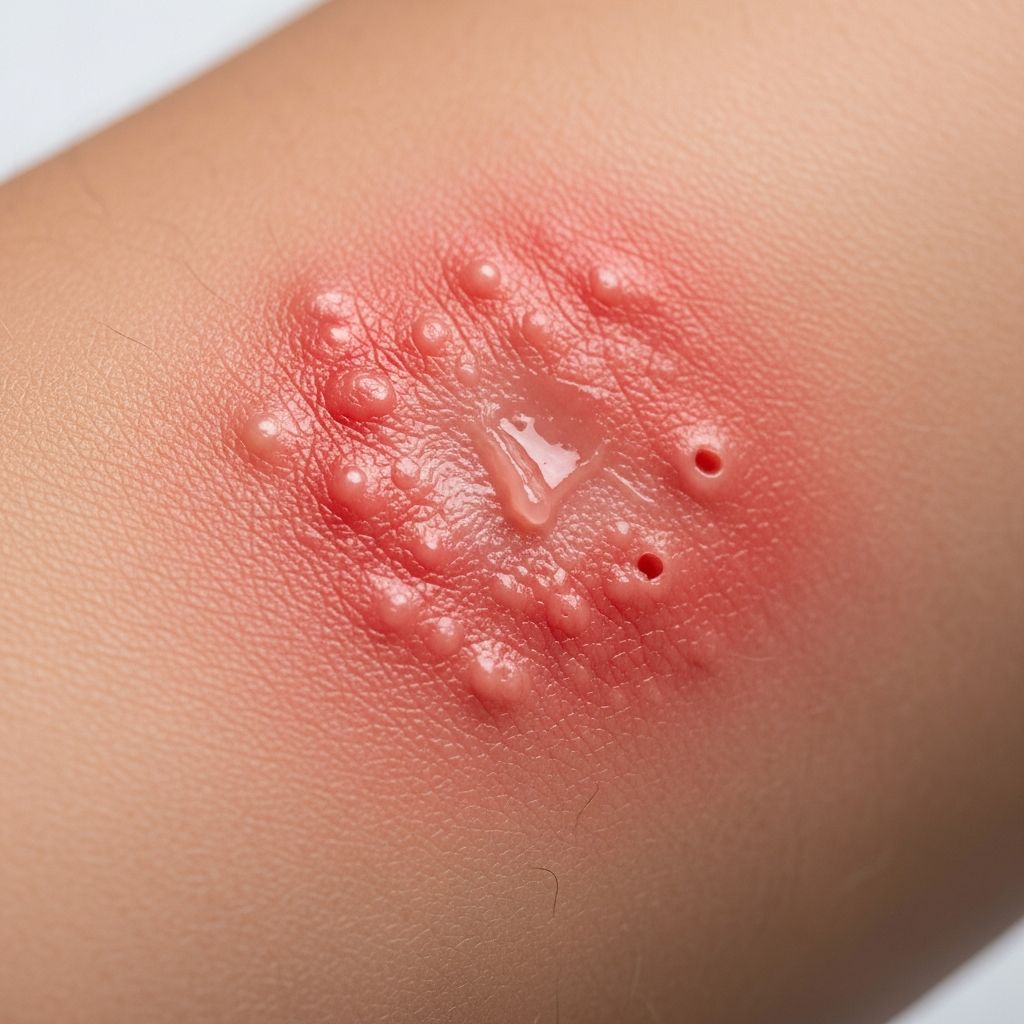
Bacitracin is a widely used topical antibiotic found in many over-the-counter ointments for preventing infections in minor cuts, scrapes, and burns. However, it is a significant allergen, frequently causing allergic contact dermatitis and, in rare cases, severe systemic reactions like anaphylaxis.
What is bacitracin?
Bacitracin is a polypeptide antibiotic derived from Lysinibacillus fusiformis, originally isolated from a knee wound infection in 1943. It inhibits bacterial cell wall synthesis by blocking peptidoglycan chain transfer, making it effective against Gram-positive bacteria such as Staphylococcus aureus and Streptococcus pyogenes. Unlike many antibiotics, bacitracin is poorly absorbed systemically when applied topically, which limits its use to superficial infections but also contributes to its safety profile for local application.
Produced via fermentation, bacitracin is heat-stable and available in various formulations, including pure bacitracin ointment or combinations like bacitracin-neomycin-polymyxin B (triple antibiotic ointment). Its topical application targets skin and mucous membrane infections without significant oral bioavailability, as oral use leads to toxicity without efficacy. Commercial preparations often include petrolatum as a base, which is generally inert but can sometimes contribute to irritation.
What is bacitracin used for?
Bacitracin is primarily indicated for preventing and treating superficial bacterial infections. Common uses include:
- Minor skin wounds: cuts, abrasions, burns, and surgical incisions to prevent infection.
- Ocular infections: blepharitis, conjunctivitis, and corneal superficial infections in ophthalmic ointment form, applied 1-3 times daily after removing crusts.
- Ear infections: otitis externa in the external ear canal.
- Post-surgical prophylaxis: routine application after dermatologic procedures or clean wounds.
It is often combined with other agents for broader coverage, such as neomycin for Gram-negatives or polymyxin B. However, guidelines emphasize use only on small areas to avoid systemic absorption risks, particularly in children, elderly, or those with renal impairment. For larger areas, alternatives like mupirocin are preferred. Studies show no superior infection prevention over plain petrolatum, highlighting its prophylactic rather than essential role.
Who gets bacitracin allergy?
Bacitracin allergy affects individuals repeatedly exposed to the antibiotic, especially those using it routinely for wound care. High-risk groups include:
- Patients with chronic wounds, leg ulcers, or frequent minor injuries.
- Post-surgical patients, where up to 7.9% test positive in multicenter studies.
- Individuals with prior neomycin allergy, due to cross-reactivity or co-sensitization (up to 50% overlap).
- Healthcare workers and patients in settings with high topical antibiotic use.
Prevalence has risen; early studies reported 0.9% allergic contact dermatitis (ACD), but recent data indicate higher rates, with bacitracin ranking as the ninth most common allergen. Occupational exposure in veterinarians or those handling animal wounds also increases risk due to similar Gram-positive pathogens. Genetic factors or atopy may predispose, but exposure history is key.
Systemic contact dermatitis
Beyond local reactions, bacitracin can trigger systemic contact dermatitis (SCD), a rare but severe form where topical application on broken skin leads to widespread symptoms. SCD manifests as generalized eczema, urticaria, or erythroderma days after exposure, mimicking autoimmune flares.
Absorption through compromised barriers results in hematogenous spread, provoking T-cell mediated responses distant from the site. Case reports describe SCD post-leg ulcer treatment, with pompholyx-like hand eruptions or id reactions. Differentiation from infection requires history and testing, as SCD can delay healing and cause auto-eczematization.
How does the allergy present?
Bacitracin allergy typically presents as type IV delayed hypersensitivity, peaking 48-96 hours post-exposure. Classic signs include:
Related Stories



- Allergic contact dermatitis (ACD): Pruritic, erythematous papules, vesicles, or plaques at the application site, evolving to chronic lichenified dermatitis if persistent.
- Pseudoinfection mimicry: Swelling, redness, and poor healing resembling cellulitis, but distinguished by dominant itching over pain.
- Auto-eczematization: Spread to distant sites like hands or eyelids.
- Severe forms: Urticaria, angioedema, or anaphylactoid reactions including hypotension, dyspnea, facial swelling, sweating, apnea, or cardiac arrest.
Anaphylaxis is rare but documented, often via MRGPRX2-mediated non-IgE pathways, even in healthy individuals applying to abrasions. Reactions may arise from bacitracin itself or formulation components like neomycin.
Diagnosis of bacitracin allergy
Diagnosis relies on clinical suspicion and confirmatory patch testing, the gold standard for type IV hypersensitivity.
- Patch testing: Bacitracin 10-20% in petrolatum applied under occlusion for 48 hours, read at 48-96 hours. Positive if erythema, vesicles, or induration; 50% show delayed positivity at 96 hours. North American Contact Dermatitis Group uses 20% concentration.
- Differential diagnosis: Rule out infection (pain-dominant, fever), irritant dermatitis (immediate, non-immune), or other allergens like neomycin.
- History: Temporal link to bacitracin use, improvement on avoidance.
Co-reactions with neomycin (chemically unrelated) occur in 31-50% due to concurrent exposure. Intradermal testing is avoided due to systemic reaction risk.
What is the treatment of bacitracin allergy?
Treatment prioritizes allergen avoidance, with supportive care for dermatitis:
- Avoidance: Strict, lifelong discontinuation of bacitracin-containing products. Check labels for combinations; wash fabrics thoroughly as residue persists. Inform all providers, including surgeons.
- Symptomatic relief: Mid-potency topical corticosteroids (e.g., triamcinolone 0.1%), emollients, wet wraps for acute ACD. Oral prednisone for severe SCD.
- Secondary infection: Culture-guided antibiotics like mupirocin (safe alternative, low sensitization).
- Anaphylaxis: Epinephrine, antihistamines, supportive care; hospitalize if needed.
Wound care shifts to plain white petrolatum, which matches bacitracin’s healing rates without allergy risk. Patient education on reading labels and alternatives is crucial.
What should patients with bacitracin allergy do?
- Carry an allergy alert card or bracelet listing bacitracin and combinations.
- Use alternatives: plain petrolatum, mupirocin (if tolerated), or silver-based dressings for wounds.
- Pre-surgical disclosure to prevent inadvertent use.
- Patch test for related allergens; monitor for cross-sensitivities.
- Wash new clothes if dermatitis persists, as bacitracin binds fabric.
Long-term, educate family on avoidance to prevent accidental exposure.
Prevention of bacitracin allergy
Minimize risk by:
- Limiting to short-term, small-area use; prefer petrolatum for clean wounds.
- Screening history before application, especially post-surgery.
- Educating on low baseline infection rates (avoid unnecessary antibiotics).
- Using hypoallergenic alternatives proactively in high-risk patients.
Pharmacists and providers play key roles in promoting petrolatum and allergy awareness.
Frequently Asked Questions
Is bacitracin safe for wounds?
Not for everyone; while effective, allergy risk is high. Plain petrolatum is equally safe without sensitization.
Can bacitracin cause anaphylaxis?
Yes, rare but reported, even from minor abrasions via systemic absorption.
How common is bacitracin allergy?
Up to 7.9-10% in patch-tested patients; rising incidence.
What if I react to bacitracin-neomycin?
Patch test both; cross or co-allergy common. Avoid both.
Alternatives to bacitracin ointment?
Petrolatum, mupirocin, or consult dermatologist for wounds.
References
- Bacitracin Topical – StatPearls — NCBI Bookshelf, NIH. 2023-10-01. https://www.ncbi.nlm.nih.gov/books/NBK536993/
- Allergy to bacitracin – DermNet — DermNet NZ. 2023. https://dermnetnz.org/topics/allergy-to-bacitracin
- Bacitracin and Boo-Boos: Becoming a No-No — Pharmacy Times. 2023-06-15. https://www.pharmacytimes.com/view/bacitracin-and-boo-boos-becoming-a-no-no
- Topical treatment turns ulcer pruritic — Clinical Advisor. 2023. https://www.clinicaladvisor.com/features/topical-treatment-turns-ulcer-pruritic/2/
- Contact allergies to topical antibiotic applications — PMC – NIH. 2022-02-01. https://pmc.ncbi.nlm.nih.gov/articles/PMC8822519/
- Bacitracin Topical: MedlinePlus Drug Information — MedlinePlus, NIH. 2023-11-15. https://medlineplus.gov/druginfo/meds/a614052.html
Similar Articles








Read full bio of Sneha Tete