Allergy To Bemotrizinol: Guide To Diagnosis And Management
Understanding allergic reactions to bemotrizinol, a common UV filter in sunscreens used in Europe and Australasia.
Bemotrizinol, also known as bisoctrizole or Tinosorb S, is a broad-spectrum ultraviolet (UV) filter used in sunscreens. It provides effective protection against both UVA and UVB rays, making it a valuable ingredient in photoprotective formulations. While it has an excellent safety profile with minimal skin absorption and low irritation potential, rare cases of allergic reactions, particularly photoallergic contact dermatitis, have been reported.
What is bemotrizinol?
Bemotrizinol is a hybrid chemical sunscreen agent that absorbs UV radiation across a wide spectrum, from UVB (290-320 nm) to UVA (320-400 nm). Chemically, it is bis-ethylhexyloxyphenol methoxyphenyl triazine, a large lipophilic molecule designed to remain on the skin’s surface rather than penetrate systemically. This surface-bound action contributes to its low absorption rate, reducing the risk of systemic side effects.
Approved for use in Europe and Australasia, bemotrizinol is marketed under brand names such as Tinosorb S and Escalol S. It is not yet approved by the FDA for the US market but has been proposed for inclusion in over-the-counter sunscreens based on extensive safety data. When combined with other filters like bisoctrizole, it enhances sunscreen SPF efficacy, making it one of the most potent UV absorbers permitted under European regulations.
Studies, including clinical trials, confirm its photostability—meaning it does not degrade under sunlight exposure—and broad-spectrum coverage. For instance, a clinical trial (NCT05254912) evaluated 6% bemotrizinol in sunscreen and petrolatum formulations for photoallergic potential, involving UV exposure assessments like Minimal Erythema Dose (MED) testing and irradiation with solar-simulated light.
Uses of bemotrizinol
Bemotrizinol is primarily incorporated into daily sunscreens, moisturizers with SPF, and protective cosmetics. Its broad-spectrum protection makes it ideal for preventing photoaging, sunburn, and skin cancers. Concentrations typically range up to 10% as per European guidelines, where it excels in boosting overall SPF when paired with other actives.
In clinical settings, it benefits individuals with polymorphic light eruption (PLE), a condition triggered by sun exposure, by minimizing erythema and preventing rash development. Post-marketing data from Europe indicate low rates of adverse reactions, positioning it as a reliable choice for sensitive skin types, particularly Fitzpatrick I-III.
Safety profile
Bemotrizinol demonstrates a favorable safety profile. It is not significantly absorbed through the skin, minimizing endocrine disruption risks seen in some older UV filters. In vitro studies show no hormonal effects, unlike certain organic sunscreens.
Clinical safety assessments, including irritation patch tests, photoallergenicity, and phototoxicity studies, enrolled over 484 subjects exposed to bemotrizinol across various concentrations. No significant sensitization, photoallergenic, or phototoxic responses were observed beyond minor, expected reactions like sunburn in combined formulations. A dedicated photoallergy trial used 2x MED irradiation during induction and 10 J/cm² UVA in challenge phases, confirming low reactivity.
European post-marketing surveillance reports rare allergic or irritant contact dermatitis. FDA review documents note that while adverse events like erythema and rashes occur, they are typically from multi-ingredient products, not isolating bemotrizinol as the sole cause.
Allergic reactions to bemotrizinol
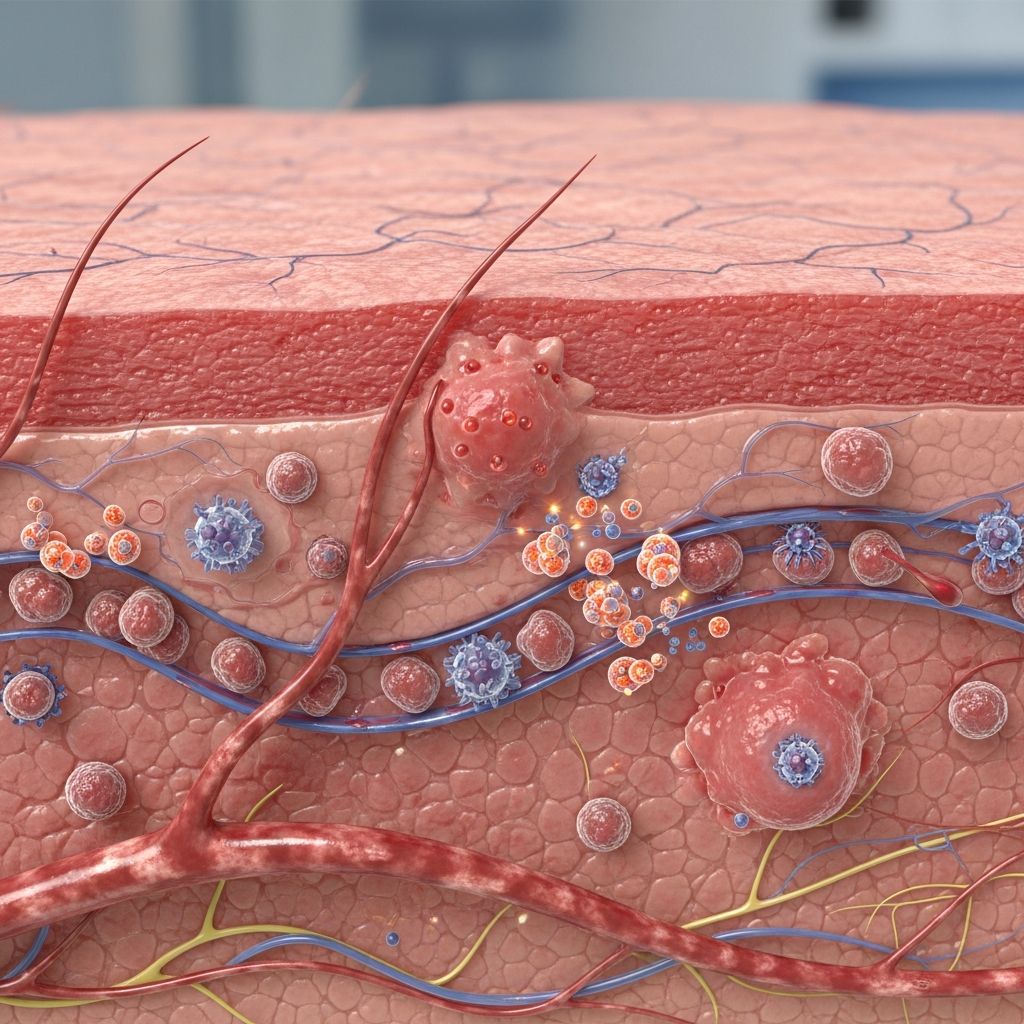
Although uncommon, allergic reactions to bemotrizinol manifest primarily as photoallergic contact dermatitis (PACD). This occurs when the ingredient, activated by UV light, becomes allergenic, triggering an immune response. Symptoms appear on sun-exposed areas: persistent red, itchy rash, papules, vesicles, or scaly plaques developing 24-48 hours post-exposure.
Related Stories



Unlike irritant dermatitis, PACD requires both contact with the allergen and UV irradiation. Risk factors include prior sensitization from repeated use and Fitzpatrick skin types I-III, as tested in safety trials. Severe cases may mimic acute eczema with oozing or crusting. Systemic absorption is negligible, so reactions remain localized.
Medindia reports skin irritation as a potential side effect, advising medical consultation for intolerable symptoms. A single case report noted bemotrizinol with dimethicone causing irritation, but causality was unclear.
Diagnosis of allergy to bemotrizinol
Diagnosis involves clinical history, phototesting, and patch testing. Patients report rashes on photoexposed sites after sunscreen use. Dermatologists confirm via:
- Patch testing: 10% bemotrizinol in petrolatum applied under occlusion for 48 hours, read at 48-96 hours. Positive if erythema, induration, or vesicles (2+ or greater).
- Photopatch testing: Duplicate patches; one set UV-irradiated (e.g., 5-10 J/cm² UVA). Reactions only on irradiated sites indicate photoallergy.
- MED determination: Progressive UV exposures to establish individual threshold before challenging.
Safety trials like NCT05254912 used erythema grading scales post-irradiation, mirroring diagnostic protocols. Exclude irritancy by non-irradiated controls. Differential diagnoses include other sunscreen allergies (e.g., cinnamates) or PLE.
Treatment and management
Treatment mirrors acute dermatitis: discontinue the offending sunscreen, apply potent topical corticosteroids (e.g., clobetasol 0.05%), emollients, and oral antihistamines for itch. Secondary Staphylococcus aureus infection requires antibiotics.
Avoid all bemotrizinol-containing products; check ingredient lists for Tinosorb S, Escalol S, or bis-ethylhexyloxyphenol methoxyphenyl triazine. Switch to mineral sunscreens (zinc oxide, titanium dioxide) or bemotrizinol-free chemical alternatives.
For confirmed allergy, self-testing new products on inner arm is cautioned but possible under medical guidance. Long-term: photoprotection with clothing, hats, shade. Clinical trials show no persistent reactions post-discontinuation.
What to do if you suspect allergy to bemotrizinol
- Cease use immediately and note product details.
- Apply cool compresses, fragrance-free moisturizers; use OTC hydrocortisone if mild.
- Seek dermatologist for patch/photopatch testing.
- Report to manufacturer or regulatory bodies (e.g., FDA MedWatch).
- Select hypoallergenic, tested sunscreens; prefer physical blockers.
Patients with allergies should inform healthcare providers for tailored advice.
Prevention
Prevention emphasizes ingredient awareness and testing:
- Read labels; avoid if history of sunscreen allergy.
- Introduce new sunscreens gradually on small areas.
- Use broad-spectrum SPF 30+ reapplied every 2 hours.
- For high-risk individuals, opt for non-chemical sunscreens.
Regulatory safety data supports bemotrizinol for most, but personalized avoidance is key for the allergic minority.
Alternatives to bemotrizinol-containing sunscreens
| Filter Type | Examples | Pros | Cons |
|---|---|---|---|
| Physical/Mineral | Zinc oxide, Titanium dioxide | Low allergy risk, broad-spectrum | White cast, thicker texture |
| Chemical (Bemotrizinol-free) | Avobenzone, Octocrylene | Clear, elegant | Potential photoinstability, allergies |
| Hybrid | Tinosorb M (methylene bis-benzotriazolyl tetramethylbutylphenol) | Photostable, effective | Limited availability |
Consult databases like SkinSAFE for allergen-free options.[10]
Frequently Asked Questions (FAQs)
Is bemotrizinol safe for most people?
Yes, clinical trials and post-marketing data show low irritation and allergy rates, with excellent UV protection.
Can bemotrizinol cause photoallergy?
Rarely; confirmed in controlled trials via photopatch testing with UV challenge.
How is sunscreen allergy diagnosed?
Through patch and photopatch tests by dermatologists, grading reactions post-exposure.
What if I react to my sunscreen?
Stop use, treat as eczema with steroids/emollients, avoid the allergen.
Is bemotrizinol available in the US?
Not yet FDA-approved, but proposed; available in Europe/Australasia.
Are there bemotrizinol-free sunscreens?
Yes, mineral-based options like zinc oxide are low-allergy alternatives.[10]
This comprehensive overview equips users to recognize, diagnose, and manage bemotrizinol allergy while appreciating its benefits. Always consult professionals for personalized care.
References
- Photoallergic Potential of 6% Bemotrizinol — ClinicalTrials.gov. 2022-03-01. https://www.clinicaltrials.gov/study/NCT05254912
- Bemotrizinol / Bisoctrizole – Side effect(s) — Medindia. 2024-01-15. https://www.medindia.net/drugs/medication-side-effects/bemotrizinol_bisoctrizole.htm
- Allergy to bemotrizinol — DermNet NZ. 2023-05-20. https://dermnetnz.org/topics/allergy-to-bemotrizinol
- Sunscreen allergy — DermNet NZ. 2023-08-10. https://dermnetnz.org/topics/sunscreen-allergy
- Bemotrizinol: What is it & Benefits in Sunscreen — Skin Software. 2024-02-14. https://www.skin.software/ingredients/bemotrizinol
- Is Bemotrizinol The Best Sunscreen? — Skin Type Solutions. 2023-11-05. https://skintypesolutions.com/blogs/skincare/is-bemotrizinol-the-best-sunscreen
- Proposed Administrative Order OTC000039: Bemotrizinol — U.S. Food and Drug Administration. 2025-12-09. https://www.accessdata.fda.gov/drugsatfda_docs/omuf/Order/supportDoc/OTC000039/Internal_Documents/2025.12.09%20ProposedOrder_BemotrizinolOTC000039_090026f88e15dab6.pdf
Similar Articles








Read full bio of medha deb